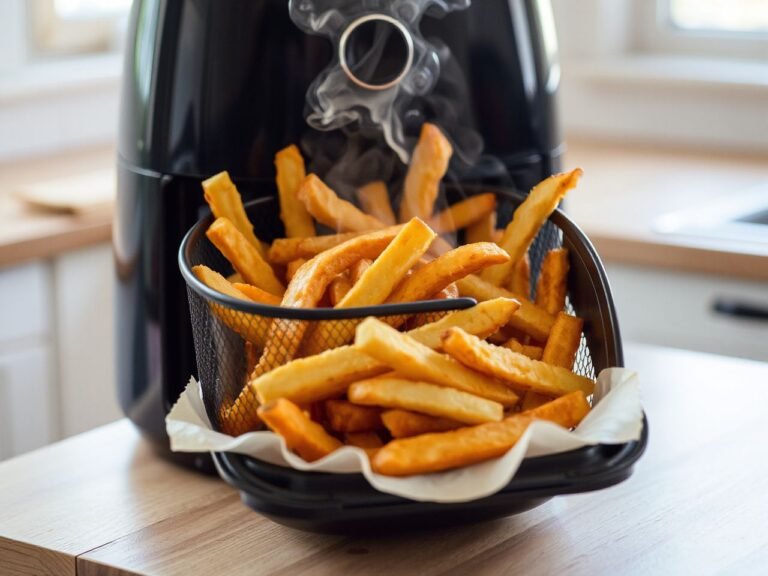
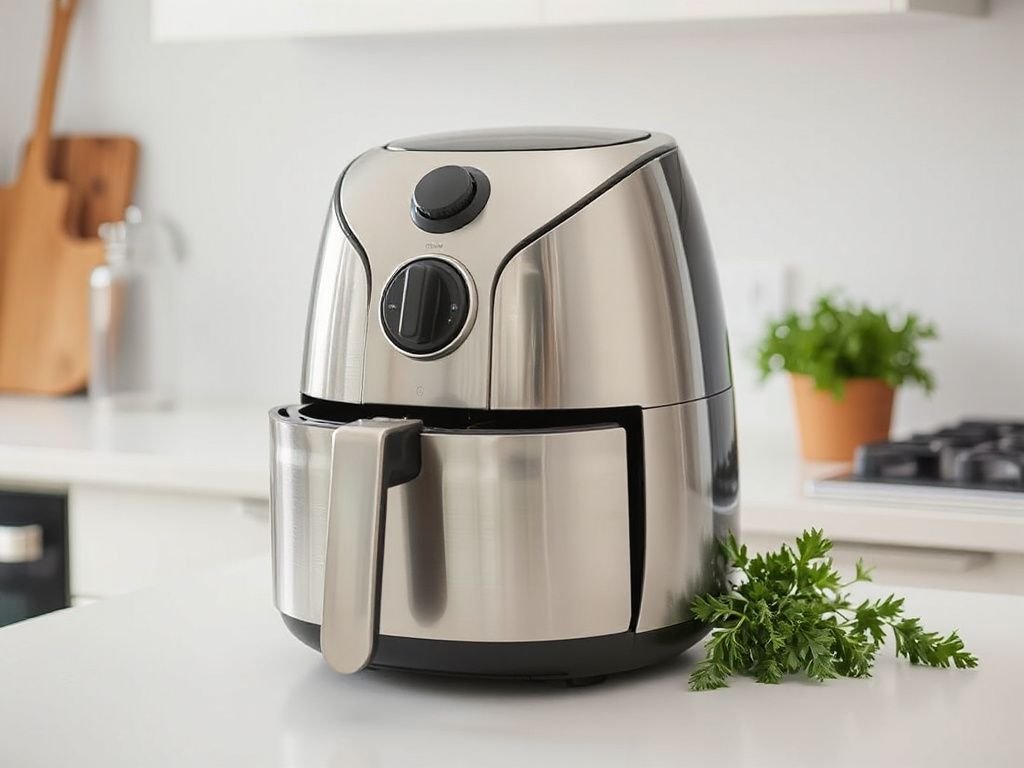
A flaking nonstick basket is not a cosmetic issue. Keep cooking on it because the machine still heats, and you are eating the coating—not because the air fryer is broken, but because its safe cooking surface has already died. That distinction drives the real answer to how long do air fryers last: the lifespan is a race between three components, and the basket usually loses first.
Key Takeaways
- Typical lifespan is 2 to 5 years or roughly 500 to 1,000 cooking hours, but the basket coating often fails before the electronics.
- The first component to die is usually the nonstick basket, not the motor or heating element—so replacement is triggered by coating wear, not a dead machine.
- Cleaning after every use and avoiding daily 400°F runs matter more for longevity than the brand name on the front.
How Long Do Air Fryers Last? The Honest Range
You will hear 2 to 5 years quoted for how long air fryers last, and that range holds up for average use—three to four meals a week at 350°F to 400°F. In cooking hours, that is roughly 500 to 1,000 sessions before something gives out. But a machine that is only used weekly can limp along for six or seven years, while a daily 400°F workhorse can struggle past its second birthday, because the heating element and fan motor are rated for intermittent use, not continuous duty.
A 2-to-5-year lifespan assumes intermittent use at moderate temperatures, not daily back-to-back max-heat cooking. Brand name matters less than parts availability and cleaning habits. Philips Airfryer and Cosori are known partly because both sell replacement baskets, which extends the useful life of the base even after the coating fails. Instant Vortex and Ninja models also have wide parts availability, but no brand can outrun a scratched basket.
A typical 1,700-watt element in a 5.8-quart basket produces high heat quickly, but that same wattage creates thermal cycling on the element joints every time you cook. The energy cost of running such a unit is modest, but the mechanical cost of repeated heating and cooling is what eventually catches up.
The Three Components That Decide Air Fryer Lifespan
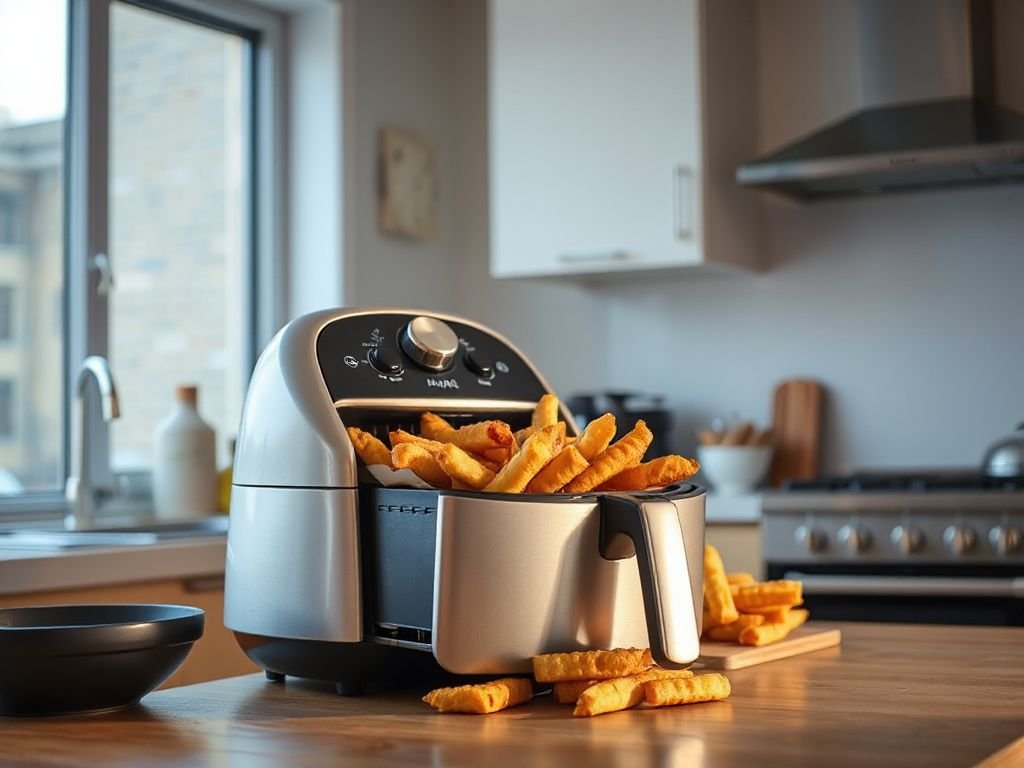
An air fryer is a compact convection oven built around a heating element, a fan motor, and a coated basket, and each has a different failure clock. The machine is not one lifespan; it is three separate ones racing toward the finish.
Heating Element: Thermal Stress Is the Killer
The heating element is usually a nichrome coil or calrod-style tube above the basket. Every time it cycles from room temperature to 400°F and back, the metal expands and contracts. Over hundreds of cycles, that movement stresses the connections and can crack the element or its terminals.
A burnt smell during preheating that is not leftover food is a warning sign of an element overheating or failing insulation. The element itself is simple; the terminals and crimps are what usually fail first.
Fan Motor: Bearings Wear Before Wiring
The fan motor sits above the heating element and pushes hot air down into the basket. Its bearings are the first thing to go—they get dry, then noisy, then wobbly. A rattling or grinding fan is not a dirty basket problem; it is a mechanical death rattle.
Most fan motors in air fryers are sealed, so you cannot lubricate the bearings without opening the housing, and many are not designed to be serviced. The listing never states bearing grade, but that is exactly the number that would matter if you hoped to rebuild it.
Basket Coating: The Cleanup-First Warning Sign
This is where the sink matters. The basket is usually PTFE or ceramic coated aluminum or steel. PTFE holds its release longer than ceramic, but it cannot survive metal utensils or heavy scrubbing. Ceramic is less likely to flake into visible particles, but it loses nonstick properties faster and can still chip.
Aerosol cooking sprays are a particular problem because the propellants can degrade the coating over time, leaving a sticky, gummy layer that is hard to remove. The FDA regulates food contact materials, and a scratched or flaking PTFE surface is a signal to stop using the basket even if the base still heats. The coating often dies before the electronics do, so replacement is usually triggered by the basket, not the motor.
What Actually Shortens an Air Fryer’s Life
Usage habits shorten an air fryer’s life more than any defect. You can buy a well-built unit and still kill it in two years by running it like a commercial oven and skipping the sink.
Daily 400°F Cooks
Running an air fryer at its maximum temperature every day accelerates every failure mode. The heating element spends more time at full draw, the thermostat sensor cycles more aggressively, and the fan motor spins at top speed longer. Manufacturers design these machines for intermittent use—a 20-minute batch of fries, then cool down. Treating it like a continuous-duty convection oven is the fastest way to shorten the lifespan.
If you cook multiple batches, let the machine rest 5 to 10 minutes between runs. That small pause reduces peak thermal load on the element and gives the fan bearings a chance to cool.
Grease Buildup and Fire Risk
Grease that collects on the heating element or in the bottom of the basket does not just smoke—it can ignite. The U.S. Consumer Product Safety Commission tracks air fryer fire reports, and grease buildup is a common factor. A unit that smokes during normal cooking is telling you it needs a deep clean, not a higher fan speed.
A burnt smell during preheating is a warning sign: it can mean leftover food, but it can also mean oil residue is cooking onto the element or a component is overheating. Do not ignore that smell and hope it burns off; turn the machine off and inspect the element.
Skipping the Sink
From a cleanup-first perspective, the basket and crisper plate are the only parts you touch after every meal. If you leave food residue, it carbonizes, sticks harder, and forces you to scrub—which then damages the coating. So skipping one wash creates a cycle that shortens the coating’s life even if the motor is fine.
Warm soapy water, a non-abrasive sponge, and a fully dry basket before storage will do more for lifespan than any accessory.
A Sink-First Maintenance Routine That Adds Years
The single highest-leverage habit for extending air fryer lifespan is cleaning immediately after every use while the basket is still warm, not after the oil has cooled into glue.
The After-Every-Use Clean
- Cool the basket for 10 minutes, then wash it and the crisper plate in warm soapy water.
- Skip the dishwasher if the coating is ceramic; high heat and harsh detergents wear ceramic faster than PTFE.
- Wipe the interior with a damp cloth, but never submerge the base or pour water into the housing.
- Dry the basket completely before sliding it back in; a damp basket stored inside can corrode the metal under the coating at the edges.
The Monthly Deep Clean
- Unplug the unit and let it cool fully.
- Remove the basket and tray, and soak them in hot water with dish soap to loosen carbonized bits.
- Use a soft brush to clean the heating element and fan shroud from above, never water directly on the element.
- Check the power cord for fraying or melting near the plug; cord damage is a fire risk and a sign to stop using the unit.
- Reassemble only after every part is fully dry.
How You Cook Matters
Most foods brown well between 350°F and 375°F, so you rarely need to push the dial to 400°F. Reserve max temperature for frozen fries or when you need serious crisp in under 10 minutes. A long empty preheat at 400°F is wasted thermal cycles, so keep preheating to three minutes or less.
For a lower-stress weeknight meal that doesn’t peg the element, a recipe like our air fryer chicken fajitas runs well at 375°F to 390°F instead of 400°F. That small reduction in peak temp cuts thermal stress noticeably over a year. If you make Greek chicken often, a recipe like our air fryer Greek chicken can be done at 375°F and still gets good color, which helps the heating element avoid pegging at max.
Repair or Replace? Warning Signs and the Used-Air-Fryer Checklist
The decision to repair or replace an air fryer comes down to which component has failed. Most internal repairs are not worth the cost, but replacing the basket is almost always worth it.
Signs the Machine Is Dying
- Loud grinding or rattling from the fan.
- Inconsistent browning with the same settings, which points to a failing thermostat sensor.
- Tripping the breaker or GFCI outlet.
- Burnt or acrid smell during preheating that is not food.
- Basket coating visibly flaking or peeling, or black specks appearing in food.
- Power cord hot to the touch after a normal cook.
If the element or fan motor fails, repair is rarely economical. A replacement motor or element plus labor can cost close to a new mid-range unit, and many brands do not sell those components separately. The exception is the basket: Philips, Cosori, and Instant sell replacement baskets and crisper plates, which is the single most cost-effective way to extend a machine’s life after the coating dies. So before you replace the whole air fryer, check the price of a new basket for your model.
When to Replace the Basket Instead
If the base works, the fan is quiet, and only the coating is worn, buy a new basket. This can add two to three years to the machine. But if the base also shows age signs—loud fan, tripped breaker, burnt smell—do not invest in a new basket. Put that money toward a replacement unit.
Buying Used Without Getting Burned
- Inspect the basket coating under bright light for scratches, chips, or discoloration.
- Run it at 400°F empty for 3 minutes and listen for fan noise, and smell for burnt odors.
- Verify a UL certification mark or ETL mark on the back or bottom label; an uncertified used appliance is always a gamble.
- Check the cord for fraying, exposed wire, or a melted plug.
- Ask the seller how often they cleaned and whether they used metal utensils or aerosol sprays.
Compared to a traditional deep fryer, an air fryer usually has a shorter lifespan because the heating element and motor are more complex and exposed to thermal cycling. A simple immersion-coil deep fryer can last a decade with oil changes, while an air fryer’s electrics wear out in 2 to 5 years. A convection toaster oven has similar heating technology but often a larger cavity and replaceable drip tray, which can stretch its useful life somewhat longer.
When an air fryer finally dies, check your local e-waste program. Heating elements and circuit boards should not go in regular trash, and many municipalities accept small kitchen appliances for metal and electronic recycling.
Frequently Asked Questions
How long do air fryers last in years and cooking hours?
Most air fryers last 2 to 5 years with average use, which translates to roughly 500 to 1,000 cooking hours. The range depends more on cleaning habits and temperature patterns than on brand name. Daily use at 400°F shortens that range to the low end, while occasional moderate-temperature cooking can stretch it past five years.
Does the nonstick coating wear off and does that shorten the lifespan?
Yes. The coating degrades with normal use, and metal utensils or aerosol sprays accelerate flaking. A scratched or flaking PTFE or ceramic surface is a safety and performance reason to replace the basket even if the electronics still work. The coating often dies before the motor, so the usable lifespan of the whole machine is usually set by the basket’s condition.
Is it worth repairing an air fryer or should I just replace it?
If the failure is the basket coating, a replacement basket is almost always worth it—especially for models with widely available parts like Philips or Cosori. If the heating element or fan motor has failed, repair is usually not economical. Replacement parts are often not sold separately, and labor can approach the cost of a new mid-range unit.
Can I use aerosol cooking spray without damaging the basket coating?
You should avoid it. The propellants and lecithin in many aerosol sprays degrade PTFE and ceramic coatings over time, leaving a gummy film that flakes. Use a refillable oil mister with pure oil, or brush a small amount of oil directly onto the food.