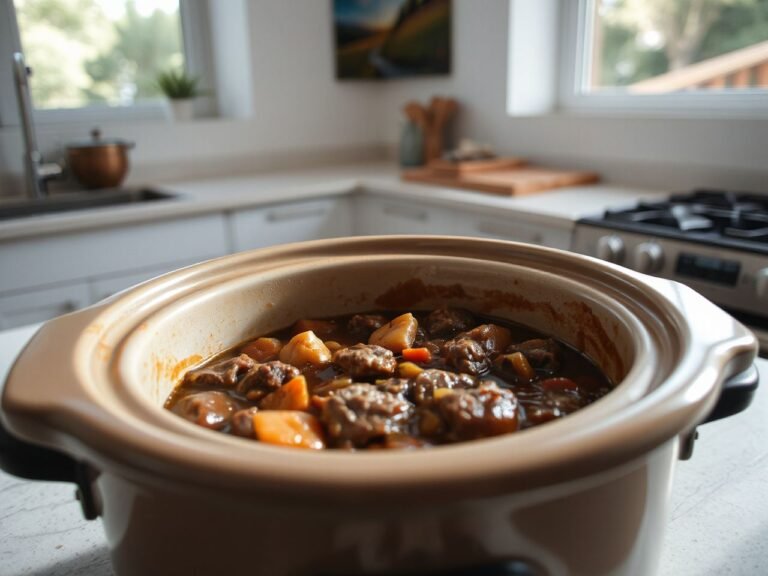
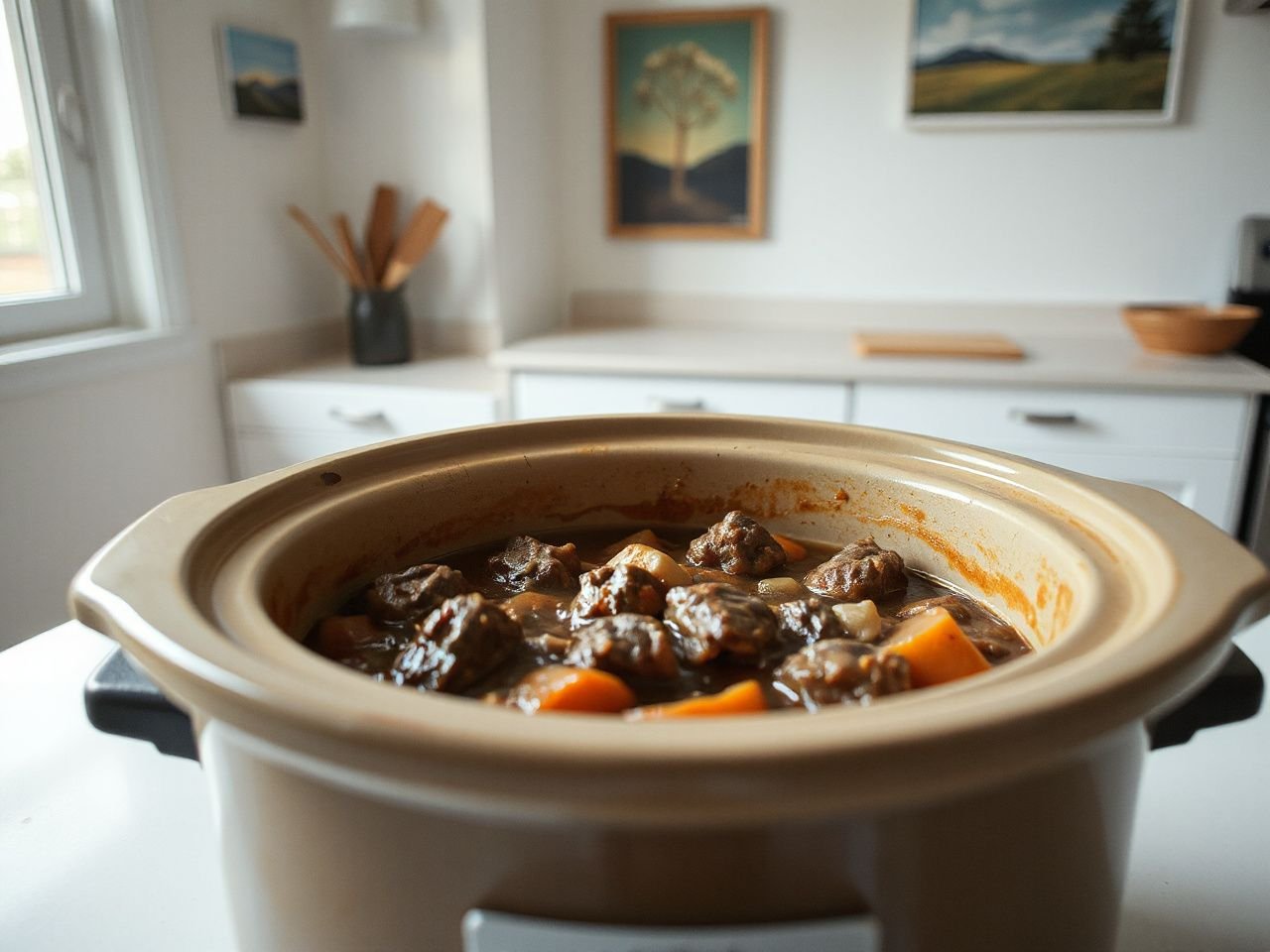
A surprising fact about ceramic cookware is that a rapid temperature change can crack a solid-looking vessel without any drop or visible impact. A slow cooker’s crock usually cracks because of thermal shock, impact damage, or a structural weakness. The key distinction is between thermal-shock fracture, impact damage, and superficial glaze crazing: they can look similar but have different implications for continued use. The removable crock and the heating base also need separate diagnosis because a replacement insert can’t fix an electrical or uneven-heating fault.
Key Takeaways
- Stop cooking in a crock with a structural crack because liquid can reach the heating base.
- Cold-to-hot changes, hot-to-cold changes, and setting a hot crock on a cold or wet surface can cause thermal shock.
- Replace the insert only after confirming that the crock fits the heating base securely and that the base shows no fault.
Why did my slow cooker’s crock crack?
A slow cooker’s crock cracks most often because thermal shock causes uneven stress through the ceramic body. An impact, a manufacturing weakness, or a problem with the heating base can also be responsible. The crack may start after a cold crock is placed on a hot base, hot liquid is added to a chilled crock, or a hot crock is set on a cold, wet, or hard surface.
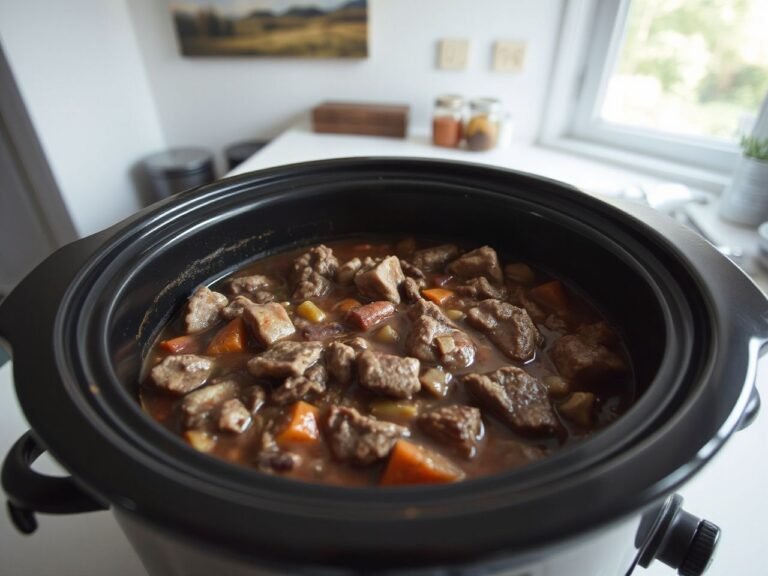
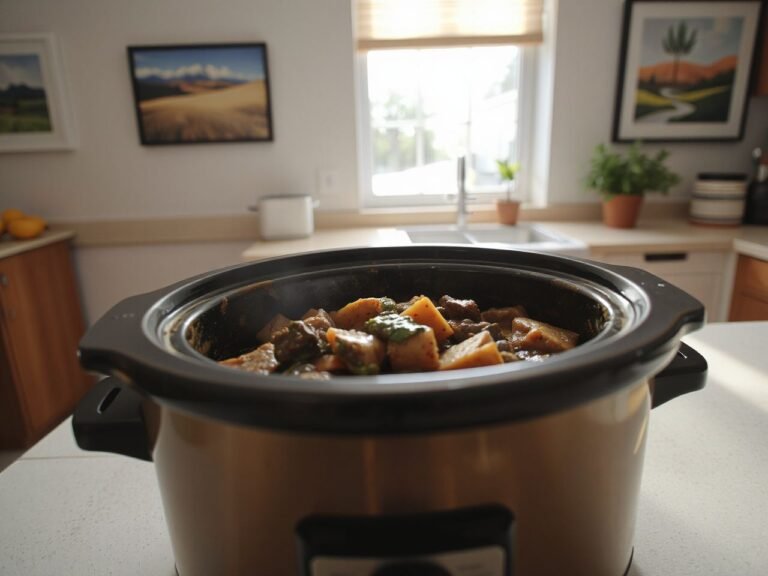
A slow cooker includes a glazed ceramic cooking pot, a lid, and a housing with an electric heating element. The crock is meant to warm gradually inside its matching heating base. It’s not designed to move directly between sharply different temperatures.
Thermal shock from sudden temperature changes
Thermal shock happens when one part of a ceramic object changes temperature faster than another. The outer part expands or contracts while the interior stays at a different temperature, creating stress that can cause a fracture. Ice cubes in warm water are a simple example: the outside cools or warms faster than the inside, and the ice can crack.
A cold crock on a hot heating base is a clear thermal-shock risk. Hot liquid poured into a chilled stoneware crock can create the same uneven change inside. The reverse can also happen after cooking if a hot crock is rinsed with cold water or placed on a wet countertop.
A crock exposed to a sharp temperature change can crack even when no one drops or strikes the vessel. That answer matters because the absence of impact does not rule out a real fracture.
Impact from lifting, setting down, or storing
A crock can also crack after hitting a sink, countertop, cabinet shelf, or another piece of cookware. Damage might be obvious, like a chip on the rim, or subtle, such as a fine line starting near the base or a handle.
Twisting the crock while lifting it can put stress through a damaged area. Stacking a heavy object on top of the crock, allowing the crock to knock against the heating base, or placing it down on a hard edge can create damage that becomes visible only during the next heating cycle.
Handle the insert with both hands. Keep the rim from hitting the sink. After washing, give the crock a stable, dry surface. Store the glass lid so it won’t fall against the ceramic body.
Dishwasher washing and cold rinsing
A dishwasher cycle or cold rinse can cause cracking if the crock is still hot when it hits water. A sharp temperature change during washing is often the cause. The key issue is the temperature transition, not just the dishwasher label.
Check the manufacturer’s care instructions before placing a crock in a dishwasher. If the crock has just finished cooking, allow the vessel to cool according to those instructions before washing it, and do not pour cold water into a hot insert.
How can you tell a real crack from glaze crazing?
A structural crack passes through the crock body or creates a path into the cooking vessel, while glaze crazing consists of fine lines in the surface coating. The two defects can resemble each other, but a structural crack makes continued cooking unsafe and superficial crazing makes cleaning and food-safety assessment more difficult.
Signs of a structural crack
Look for a line that continues over the rim or appears on both sides. It may widen near a handle or base. Catch a fingernail on it when the crock is clean and dry. Cracks can become more visible after heating, but don’t heat a damaged vessel to test it.
- A line crosses the ceramic body rather than remaining only in the glossy surface.
- The crock leaks, leaves moisture beneath itself, or shows a damp trail after holding liquid.
- A chip or impact mark sits at one end of the line.
- The line appears to open, change length, or spread after handling.
A structural crack can spread when heated. It might leak into the heating base and cause a burn or electrical hazard. Don’t keep cooking in a crock with a hairline crack just because it seems narrow.
Signs of glaze crazing
Glaze crazing forms a network of very fine lines in the ceramic glaze. The lines may look like shallow marks confined to the glossy finish rather than breaks through the stoneware body.
Even fine crazing makes cleaning harder because food residue can gather in the surface lines. Crazing also makes safety assessment difficult, especially if the lines are dense, discolored, chipped, or mixed with a deeper fracture. If you can’t be sure the damage is only in the glaze, treat the crock as damaged and stop using it for cooking.
Could the heating base have caused the crock to crack?
A heating base can cause crock damage if the insert doesn’t sit correctly, if heating is uneven, or if the base has a fault that subjects one area of the crock to unusual heat. The crock and heating base form a matched system, so checking only the removable insert can miss the original problem. Measure the opening first.
Check the base before fitting another insert
Unplug the slow cooker and let every part cool before inspecting. Look inside the base for food, liquid, broken ceramic, scorched spots, or anything that stops the crock from sitting flat. Enamel won’t rust.
The heating element is enclosed by the housing, so don’t open the appliance or probe inside it. Check the cord, plug, controls, and rating label for visible damage. Stop using the appliance if the base smells burnt, trips power, gets unusually hot on one side, or shows signs of liquid entry.
The U.S. Consumer Product Safety Commission provides consumer guidance for appliance hazards at CPSC.gov; use that government resource alongside the manufacturer’s instructions if the base shows electrical damage or overheating signs.
Why an insert replacement may not solve the problem
A replacement insert won’t fix a damaged heating element, a warped housing, or poor contact between the crock and base. The new crock needs to sit securely and evenly, with no rocking, raised edges, debris, or gaps that affect heat transfer.
Matching the model information on the appliance and manual is essential before selecting a replacement insert. Don’t assume a similar shape means compatibility, since the cooking vessel and heating base are made to fit together perfectly.
Replacing the crock makes more sense than replacing the whole slow cooker only if the base is undamaged, the replacement insert is compatible, and it sits securely as intended. If the base has an electrical fault or heats unevenly, replacing the entire matched appliance is a safer choice than transferring a new crock to a questionable base.
How should you prevent another crock from cracking?
Preventing another crack depends on avoiding sharp temperature changes, keeping the crock away from impacts, and using the insert only in the applications named by the manufacturer.
Use the crock with the heating base correctly
Place the crock into a clean, dry heating base before turning on the appliance. Don’t put a cold crock onto a hot base, and avoid pouring hot liquid into a chilled insert unless the manufacturer specifically says it’s okay.
Keep the liquid level within the range described in the manual. Many slow cookers need a minimum recommended liquid level to prevent uncontrolled heating. The manual is more reliable than a guessed fill line. For more details on fill levels, read how full a slow cooker should be.
Do not use the crock on direct heat without permission
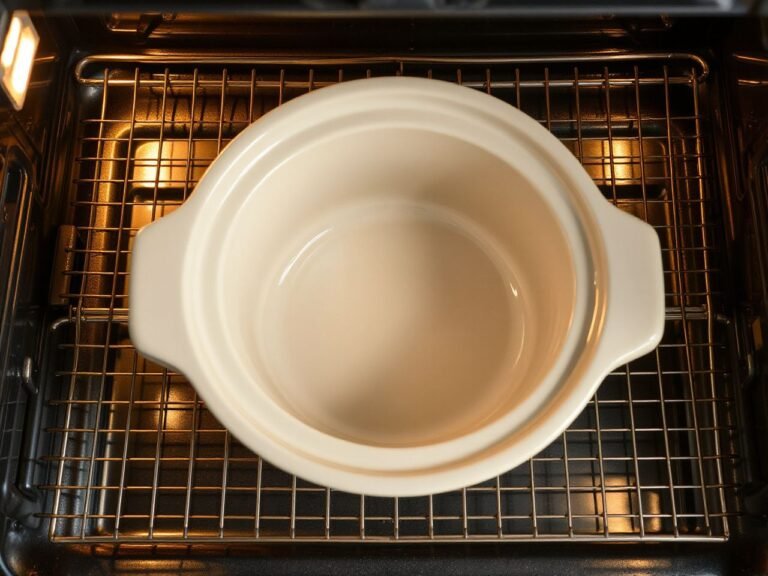
A slow cooker crock shouldn’t go on a stovetop, in an oven, or under a broiler unless the manufacturer says it’s okay. The heating base is meant to be the heat source. Direct heat can cause part of the ceramic to change temperature too quickly or unevenly, which the appliance isn’t designed to handle.
Do not use the insert as a general-purpose ceramic pan simply because it resembles oven cookware. The manufacturer’s manual is the controlling source for stovetop, oven, broiler, dishwasher, and other use instructions.
Cool, wash, and store the crock with care
Let a hot crock cool down before exposing it to cold water or a cold surface. Place a hot crock on a dry, heat-safe surface instead of a wet counter. The sink isn’t a good choice for cooling it quickly, either.
- Lift the insert with both hands and support its weight evenly.
- Keep the crock from touching the sink, tap, drain, or other cookware.
- Use a soft cleaning tool that will not chip the glaze or rim.
- Follow the manual before using a dishwasher.
- Store the glass lid so it cannot strike the crock.
- Keep the insert and heating base free of food, water, and loose fragments.
For a more complete cleaning routine, check out this practical slow cooker cleaning guide. Cleaning can’t fix a crack in the ceramic, but careful washing and proper storage can help prevent a small chip from turning into a bigger break.
Keep the cooking system intact
A slow cooker should always be used with its intended lid and crock. Don’t try to use an improvised pot or unrelated ceramic vessel. The heating base, the heating element, and the insert work together. Using a loose or mismatched vessel can affect how well they contact each other.
Electrical safety information from the U.S. Consumer Product Safety Commission is available at the agency’s consumer product safety site. Food-contact and food-safety information is also available through the U.S. Food and Drug Administration at FDA.gov; damaged ceramic should not be treated as easy to clean merely because the appliance still switches on.
What should you do after finding a crack?
Stop using the crock and unplug the slow cooker if the insert is damaged. Let the appliance cool before removing the cracked crock. Even if the crack is narrow, it shouldn’t be used again for cooking, because heat can cause the damage to spread and liquids could reach the base.
Inspect the crock and base separately
Place the cooled crock on a stable surface. Check for damage inside and outside, including the rim, handles, and underside. Also, look at the unplugged heating base for any liquid, ceramic fragments, scorch marks, damaged controls, or signs that the insert didn’t sit evenly.
Don’t glue a cooking crock and put it back in service. The repair might hide the crack without restoring the ceramic’s heating reliability. Adhesive residue can also make cleaning and food-contact safety harder.
Decide between an insert and a complete appliance
An insert replacement makes sense only if the original crock is the only damaged part. It must also be confirmed for the exact slow cooker model. The replacement needs to fit securely, sit evenly, and contact the heating base properly.
Replacing the entire appliance is often the better choice if the base has liquid damage, electrical issues, uneven heating, or a distorted seat. An unexplained history of cracking also suggests replacement. A matched system offers better reliability than a new ceramic insert on a possibly faulty base.
Keep the damaged crock out of regular cooking until you decide what to do. A cracked ceramic vessel isn’t safe for slow cooking, reheating, or holding hot food temporarily.
The Bottom Line
A slow cooker crock usually cracks from thermal shock, impact, or a problem with the heating base. The visible crack must be distinguished from harmless glaze crazing. Stop using any crock with a structural crack, check the base separately, and verify compatibility before fitting a replacement insert.
Frequently Asked Questions
Can thermal shock crack a slow cooker crock even if I never dropped it?
Yes. Placing a cold crock on a hot heating base, adding hot liquid to a chilled crock, or setting a hot crock on a cold or wet surface can cause uneven temperature changes within the ceramic. This stress might lead to a fracture even without any impact. If a slow cooker crock cracks after a sudden temperature shift, it should be removed from the cooker and checked on both sides.
Is a slow cooker safe to use with a hairline crack?
No. A hairline crack can spread during heating, allowing liquid to reach the base and cause burns or electrical hazards. Don’t heat the crock to see if the crack expands. Clean and dry the insert, inspect the line, and replace the crock if the mark crosses the body, catches, leaks, or isn’t just glaze crazing.
Can I use a cracked crock on the stovetop, in an oven, or under a broiler?
No. You shouldn’t use a cracked crock on any heat source. An undamaged slow cooker crock also shouldn’t go on a stovetop, in an oven, or under a broiler unless the manufacturer says it’s okay. These inserts are matched to their heating bases, and direct heat can cause sharp temperature changes or localized heating.
How do I know whether a replacement crock will fit?
Check the model info on the appliance and read the manual to find a compatible replacement insert. The new crock should sit securely and evenly in the heating base. It shouldn’t rock, have gaps, or be blocked by debris. If the base has scorch marks, liquid damage, damaged controls, or signs of uneven heating, replacing the insert alone might not fix the safety issue.