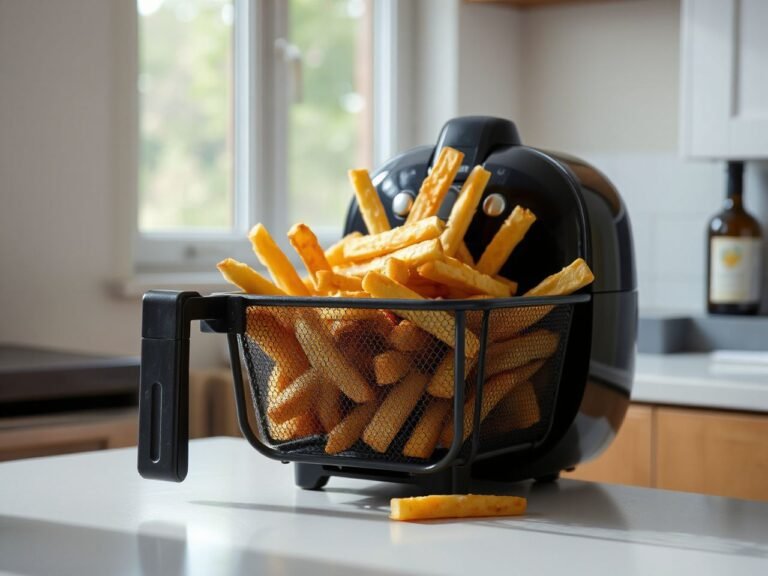
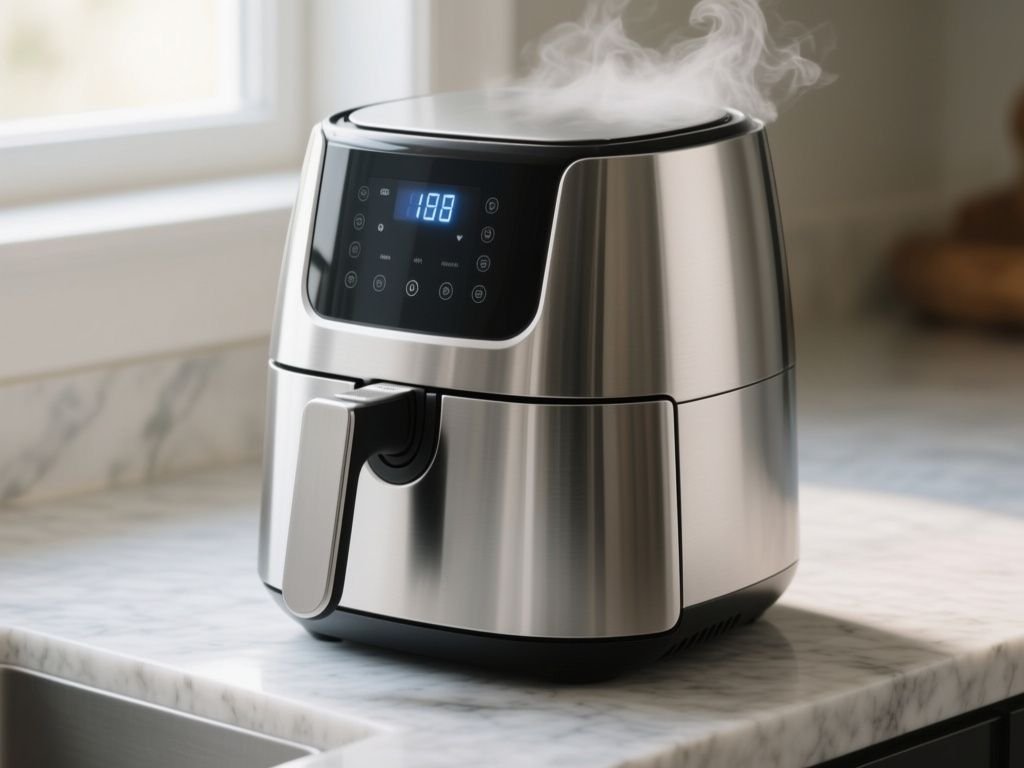
If you skip preheating when your air fryer actually needs it, you will likely pull out food that is burnt on the outside and raw in the middle, or a basket of soggy fries that never crisped. That is the cost of ignoring a five-minute step. Learning how to preheat an air fryer correctly is less about following a rigid rule and more about knowing when the step earns its keep.
Key Takeaways
- Preheating matters most for batters, doughs, and thick cuts; thin vegetables and frozen snacks rarely need it.
- Most air fryers reach 400°F in three to seven minutes depending on size and wattage.
- Never preheat with oil in the basket—add oil only after preheating to avoid smoke and fire.
- Learn your unit’s preheat beep or light, then run a one-time bread test to know its true heat-up behavior.
The Real Distinction: When Preheating Earns Its Counter Space
The real distinction is that preheating matters more for batters, doughs, and thick cuts where a sudden crust can trap moisture, while thin or quick-cooking items like vegetables or frozen snacks gain little from it. A wet batter dropped into a cold basket will spread and steam instead of searing. A thick pork chop needs that initial blast of hot air to set the exterior before the interior overcooks. Frozen fries, by contrast, are already par-cooked and do not depend on a hot start.
The practical skill is learning your specific air fryer’s preheat signal—whether it is a beep, a light change, or a timer—and testing it once with a piece of bread to see how long it takes to toast. That single test tells you the actual heat-up behavior without relying on generic time estimates. Most machines overshoot their indicator light, so the beep is a suggestion, not a guarantee.
Consider whether the extra three to seven minutes of preheating earns the room the machine already takes up. For a sheet pan of roasted vegetables, the answer is usually no. For a batch of buttermilk-battered chicken, the answer is a firm yes. For recipes that rely on a hot start, such as this air fryer Greek chicken, preheating is not optional if you want crisp skin and juicy meat.
Step 1: Learn Your Air Fryer’s Preheat Signature
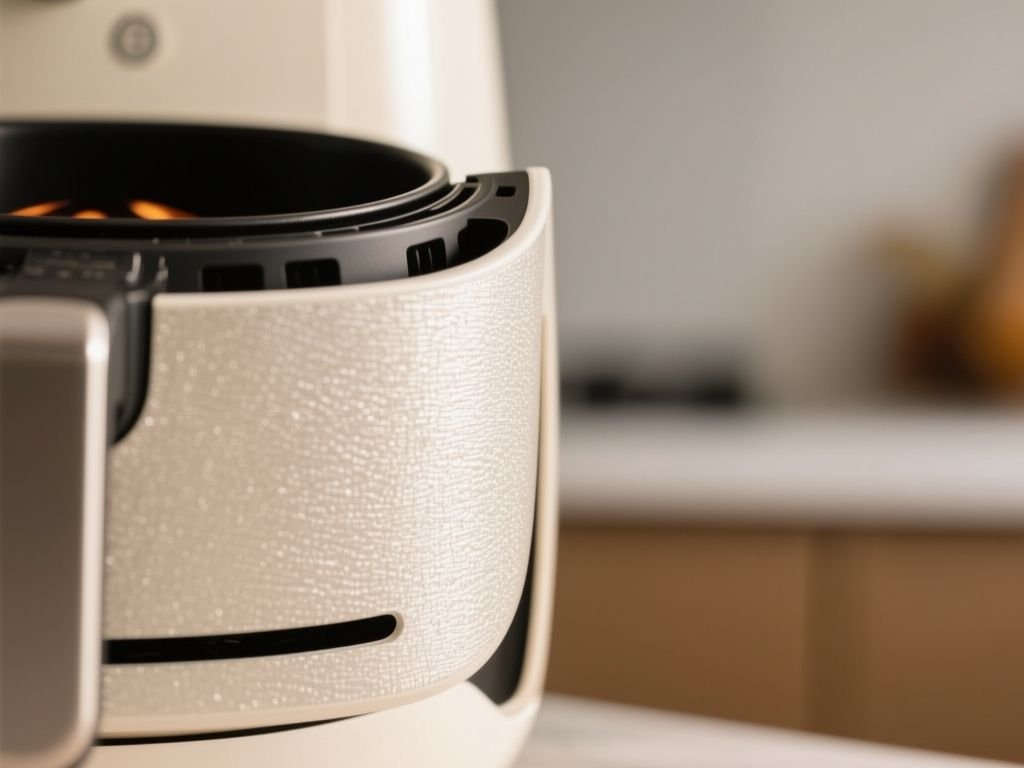
Every air fryer communicates readiness differently. A Philips Airfryer with a digital touchscreen may display a countdown timer, while a basic Black+Decker model using a dial might simply turn off a light. The GoWISE USA line often uses a loud beep, and the Instant Pot Vortex pairs a beep with a screen flash. You cannot assume one signal from another model.
Find the indicator light or beep pattern
Look for a preheat light that comes on when you set the temperature and turns off when the unit thinks it is ready. Many models have no dedicated light at all—the heating element just cycles on and off. In those cases, you rely on timing. A good rule of thumb: if your unit has no indicator, use the bread test below and then set a repeating timer on your phone.
Check for an automatic preheat cycle
Some models, including several Cosori Air Fryer units and certain Ninja Foodi configurations, include an automatic preheat phase when you select a preset like ‘Air Fry’ or ‘Roast.’ The display will count down a preheat timer before the cooking timer starts. If your model does this, you do not need to preheat manually—the machine handles it. Check the manual or watch the display the first time you use a preset.
Consult the manual for wattage-based expectations
A 1,700-watt air fryer with a 5.8-quart basket will preheat faster than a 1,400-watt unit with the same capacity, because more power per cubic inch means faster temperature climb. The manual usually lists wattage on the back panel or in the specifications page. If the listing never states the wattage, that is a red flag for unpredictable preheat times. For a deep dive into one popular model’s behavior, our Instant Vortex review covers preheat quirks and real cooking performance.
Step 2: Set the Right Temperature and Time
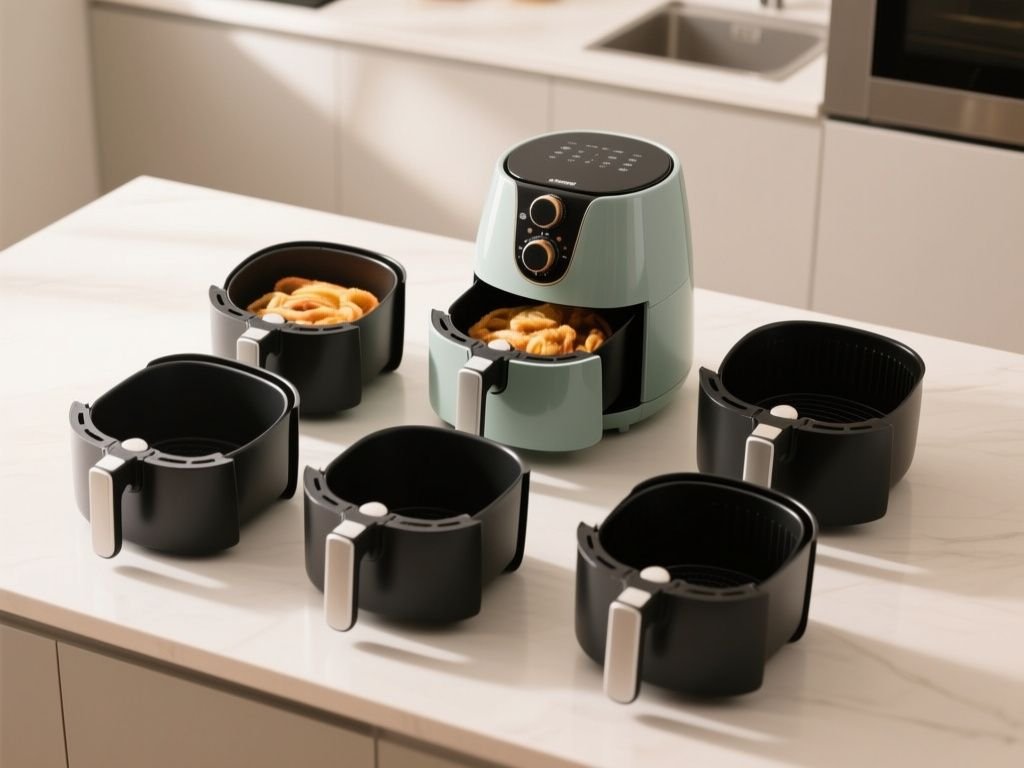
Preheat times vary widely by model and wattage, so the numbers below are starting points, not gospel. You must consult the manual or learn your unit’s indicator light. Most air fryers reach 400°F within a window of three to five minutes. For a small 2-quart basket, two to three minutes is sufficient. For larger 6-quart or 8-quart models, a preheating period of four to five minutes might be necessary. To preheat an air fryer for steaks or burgers, set 400°F and run it for three to four minutes.
Standard preheat temperatures for common tasks
- 200°F for dehydrating or low-temp reheating: About 2 minutes for small units, 3–4 minutes for large.
- 350°F for baked goods and delicate batters: About 3–4 minutes for small, 4–5 minutes for large.
- 400°F for frozen fries, chicken wings, and thick cuts: About 3–5 minutes typical; 5–7 minutes if the basket is cold and the room is chilly.
Never trust a generic time estimate blindly. A cold kitchen in winter adds 30 to 60 seconds. A unit that has been running for a previous batch holds residual heat and needs less time. The bread test from Step 1 removes all guesswork because it measures your machine in your kitchen.
Basket in or out during preheating?
Preheat with the basket in and empty. You want the basket itself hot, because food placed on a cold basket loses heat instantly from the bottom. The air inside the cooking chamber also needs to be at temperature, and leaving the basket out creates a draft that delays the process. Most air fryer manuals, including those from Ninja and Cosori, instruct you to preheat with the basket inserted and empty.
Step 3: Add Food at the Right Moment
After the preheat timer ends or the indicator light goes off, open the basket quickly and place the food inside. Do not leave the basket open for more than ten seconds—the temperature will drop 15 to 20 degrees, and you lose the benefit of preheating. For foods that need oil, toss the food in oil in a separate bowl, then transfer to the hot basket.
Why the indicator light may lie
The preheat indicator light does not always mean the exact target temperature is reached; it may go off a bit early. Many air fryers use a simple thermostat that cycles the heating element on and off, and the light reflects element activity, not air temperature. The bread test corrects for this: if your bread reaches golden brown at 4 minutes 30 seconds, but the light goes off at 3 minutes, you know to wait an extra 90 seconds after the beep.
Does preheating make food crispier?
Yes, for foods with moisture that needs to flash off quickly. A hot basket and hot air create an immediate surface dehydration, which leads to browning and crisping. Without preheating, the first few minutes of cooking are spent bringing the unit up to temperature, during which food steams rather than sears. This is why batters and doughs absolutely need preheating, while frozen pre-fried items do not.
Should you preheat for frozen foods like fries and chicken nuggets?
Most frozen convenience foods do not require preheating. The package instructions for frozen fries, nuggets, and fish sticks assume a cold start. Preheating can actually overcook the exterior of thin frozen items because they are small and cook quickly. The exception is thick frozen items like breaded chicken breasts or stuffed jalapeño poppers—those benefit from a preheated basket to prevent a gummy interior. When in doubt, follow the package: if it says preheat, preheat; if it does not mention preheating, start from cold.
When Skipping Preheat Is the Smarter Choice
The counter-space realist perspective applies here: preheating costs time and energy, and for many foods the payoff is negligible. Thin-sliced vegetables, small frozen snacks, and reheating leftovers all cook fine from a cold start. You save three to seven minutes of electricity and avoid heating the kitchen unnecessarily on a summer day.
Foods that do not need preheating
- Fresh broccoli, green beans, and asparagus—they steam first, which is fine for a tender-crisp result.
- Frozen tater tots and small nuggets—they are already cooked and only need reheating and crisping.
- Leftover pizza or fried chicken—a cold start gently reheats without burning the crust or skin.
- Baked potatoes cut into wedges—the longer cook time from cold actually steams the interior while crisping the outside.
The energy and counter space trade-off
An air fryer uses about 1,400 to 1,800 watts. Preheating for five minutes consumes roughly 0.12 to 0.15 kilowatt-hours—about two cents of electricity at average U.S. rates. That is trivial, but it adds up if you preheat for every tiny batch. More importantly, preheating means the unit occupies your counter for extra minutes, making noise and emitting heat. If you are cooking a single serving of frozen edamame, skip it. If you are making air fryer chicken fajitas with sliced peppers and onions that need char, preheat is worth the wait.
Troubleshooting: Why Your Air Fryer Is Not Preheating or Takes Too Long
Sometimes the preheat cycle seems endless, or the unit never reaches temperature. Common causes include a loose basket connection, a dirty heating element, or an overloaded circuit. Check the simplest fixes first.
Basket not seated correctly
Most air fryers have a safety switch that prevents the heating element from running if the basket is not fully pushed in. Pull the basket out and push it back firmly until it clicks. A nearly-closed basket will let the fan run but not the heater.
Dirty or blocked air intake
Air fryers pull air through a vent, often at the back or bottom. If that vent is blocked by crumbs, grease, or a nearby wall, airflow drops and preheat time stretches. Clean the vent with a dry brush and keep the unit at least four inches from walls.
Overloaded circuit or low voltage
An air fryer plugged into a circuit shared with a microwave or toaster may experience voltage drop, extending preheat time. Move the unit to a dedicated outlet. A unit that carries UL certification has been tested for safe operation under standard household voltage, but shared circuits can still cause performance issues.
Model-specific quirks
Some digital touchscreen models, including certain Cosori Air Fryer and Instant Pot Vortex units, have a preset ‘Preheat’ function that must be activated separately. If you just set a temperature and press start, the machine may begin cooking immediately without a preheat phase. Read the manual or cycle through the menu to find the preheat option. The U.S. Consumer Product Safety Commission also recommends never leaving a heating appliance unattended during any cycle, including preheat.
Frequently Asked Questions
Do I really need to preheat my air fryer every time?
No. Most air fryers need preheating only when the recipe or food package explicitly says so. Frozen fries, thin vegetables, and reheating leftovers do fine from a cold start. Batters, doughs, and thick cuts benefit most, because a hot basket sets the exterior before the interior dries out.
How do I know when my air fryer is done preheating?
Look for a beep, a light going off, or a countdown timer finishing. However, these signals often fire before the true temperature is reached. Run a one-time bread test at 400°F and time how long until a slice toasts golden brown. That time is your real preheat duration.
Can I preheat with the basket out to save the non-stick coating?
No. Preheat with the basket in and empty. Removing the basket lets hot air escape and delays reaching temperature. The non-stick coating on most baskets is rated for high heat, and preheating empty for five minutes does not damage a quality non-stick basket. Just never preheat with oil inside.