Buy the wrong baking sheet and every batch tells you about it. Pale centers, scorched edges, trays that pop like gunfire in a hot oven. I’ve spent years baking in home kitchens and commercial kitchens, and the single biggest mistake new bakers make is buying one thin, rimless sheet and assuming it works for everything. In reality, the sheet’s gauge, rim, and material determine everything from heat distribution to cleanup. I look at what a pan is actually used for — cookies, roasting, sheet cakes — and match the sheet’s construction to that job, rather than recommending one ‘best’ pan for everyone. This buying guide for baking sheets walks through what actually matters before you spend another dollar.
The difference shows up fast when you bake a batch of brownie cookie dough sandwich cookies on a warped 20-gauge tray. You get dark rings at the edges, soft centers, and a lot of cursing.
Key Takeaways
- Match the rim to the job: rimless for cookies and pastries, rimmed for anything with juices or tossing.
- An 18-gauge aluminum half-sheet pan resists warping better than a thin 20-gauge one and distributes heat more evenly.
- Skip nonstick coatings above 500°F; uncoated aluminum or stainless steel handles high-heat roasting without off-gassing.
- Measure your oven before choosing an 18×13-inch half-sheet or 9×13-inch quarter-sheet.
The Beginner’s Framework: A No-Regrets Baking Sheet Buying Guide
Most people start with the wrong question: “Which one is best?” The useful question is “What will I actually bake?” A sheet designed for thin, crisp cookies behaves differently under a whole chicken than a heavy roasting pan does. Match the construction to the job.
The Real Difference Between a Baking Sheet and a Cookie Sheet
A cookie sheet is flat, usually with one or two small lipped edges for gripping. It lets air slide under the cookie and makes sliding parchment off easy. A baking sheet has four raised rims, also called a jelly-roll pan. Those rims trap juices during roasting and keep a sheet cake’s batter from spilling.
If you bake mostly cookies, a rimless cookie sheet works. If you roast vegetables or make sheet-pan dinners, a rimmed sheet is not optional. In commercial kitchens, cooks reserve rimless sheets for pastry work and grab rimmed half-sheets for nearly everything else. The lip changes how air moves inside your oven. With a rimless sheet, hot air circulates directly across the surface. With a rimmed one, the rim creates a slight windbreak. That matters for delicate cookies.
A cookie sheet is flat with no raised edges on most sides, while a baking sheet has four rims that trap liquids and give the pan structure.
Half-Sheet vs Quarter-Sheet: Measure Your Oven First
A standard half-sheet pan measures 18 by 13 inches, the size that fits most home ovens but not all older models. A quarter-sheet pan measures 9 by 13 inches, roughly half the capacity and much easier to store. Before you buy a half-sheet, measure the interior width of your oven from wall to wall, not rack to rack. Many 24-inch apartment ovens cannot accept an 18-inch-wide pan with air clearance around it.
Even a half-sheet that technically fits should leave at least one to two inches of clearance on both sides for air movement. Without that gap, hot air gets trapped against the oven walls and edges darken while centers lag.
Rimmed vs Rimless: What You’re Actually Baking Decides This
Rimless sheets are for cookies and pastries; rimmed sheets are mandatory for anything with juices or tossing. That rule comes from cleanup and structure. Roasting potatoes with oil on a rimless sheet sends grease onto your oven floor. A rimmed sheet holds the oil. For tray bakes where you stir partway through, rims keep ingredients from sliding off.
If you only have room for one, buy a rimmed half-sheet first. You can still bake cookies on it; you just flip the sheet over and use the underside for low-profile browning. But a rimless sheet cannot roast a chicken.
The Materials and Heat Behavior Most People Overlook
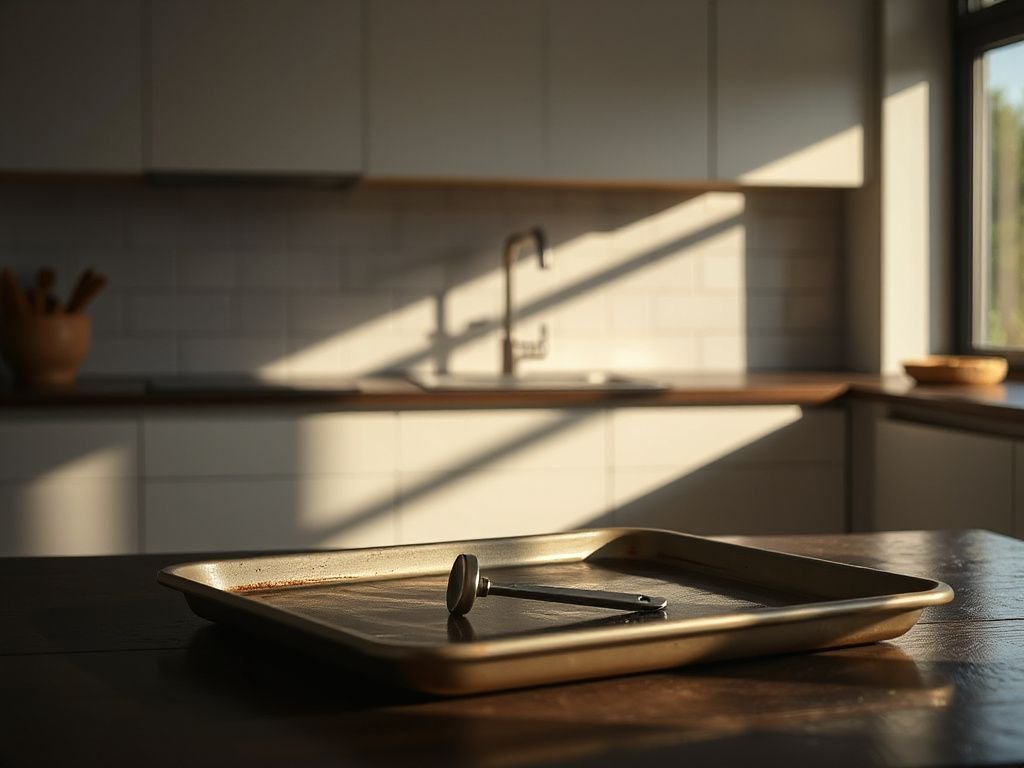
Heat distribution is not a guess; the metal, its thickness, and its finish all play a role. A dark sheet absorbs more radiant heat than a shiny one. A thick sheet stores more energy but responds more slowly. A thin sheet heats and cools fast, which sounds efficient until it bows in a hot oven.
Aluminum, Stainless Steel, and Carbon Steel at a Glance
Aluminum is the workhorse. Most commercial half-sheet pans use 3003 aluminum alloy because it conducts heat quickly and resists rust. Stainless steel, typically 18/10 or 18/8 grade, is harder and more resistant to acidic foods but conducts heat less evenly. Carbon steel heats like cast iron, seasons over time, and needs drying to prevent rust.
For most home bakers, uncoated aluminum delivers the most predictable browning. Stainless steel works well for roasting because it tolerates high heat and acidic marinades. Carbon steel offers a durable, naturally nonstick surface once seasoned, but it reacts with tomatoes and citrus.
Most commercial half-sheet pans are made from 3003 aluminum alloy, which heats quickly and distributes that heat across the full surface better than stainless steel.
Nonstick Coatings: PTFE, Ceramic, and the Temperature Ceiling
PTFE (polytetrafluoroethylene) nonstick coatings release food easily but start to degrade above 500°F. That degradation can release fumes that are harmful to birds and irritating to humans. Ceramic-based nonstick coatings handle higher temperatures but lose their release over time, often faster than PTFE. For high-heat roasting, uncoated aluminum or stainless steel is safer. The U.S. Food and Drug Administration provides guidance on nonstick coatings used in cookware, including temperature limits.
A dark nonstick sheet browns faster than a light shiny one. That speed works for frozen foods and roasted potatoes but burns delicate cookies on the bottom. A light, shiny aluminum sheet reflects some radiant heat and gives you a wider window for golden edges.
Gauge and Warping: Why Thin Pans Pop and How to Fix It
Sheet metal gauge runs opposite to intuition: a lower number means thicker metal. 18-gauge aluminum measures about 0.040 inches thick, while 20-gauge aluminum is roughly 0.032 inches thick. A 20-gauge sheet can pop and bow in a hot oven because the thermal expansion happens faster than the thin metal can redistribute the stress. Frozen pizza placed directly on a cold thin sheet makes that bow permanent.
You can sometimes straighten a mildly warped aluminum sheet by heating it at 300°F for 15 minutes, then pressing it flat between two heavy, heat-safe surfaces while it cools. But a badly twisted pan is not worth repairing; the warped shape will always create uneven contact with the oven rack. ASTM International publishes standardized thickness references for sheet metal in use across industries.
A 20-gauge aluminum baking sheet is roughly 0.032 inches thick, while an 18-gauge sheet is about 0.040 inches thick, and that extra thickness is what prevents popping and bowing in a hot oven.
An 18-gauge half-sheet costs roughly $15 to $25, while a cheap 20-gauge two-pack sells for the same price. Over six months of weekly roasting, the thin pans warp and need replacing. The heavy one keeps its flat surface. Spending a few extra dollars upfront saves you from buying three times.
Matching the Pan to the Job: From Cookies to Roasts
Cookies and Pastries
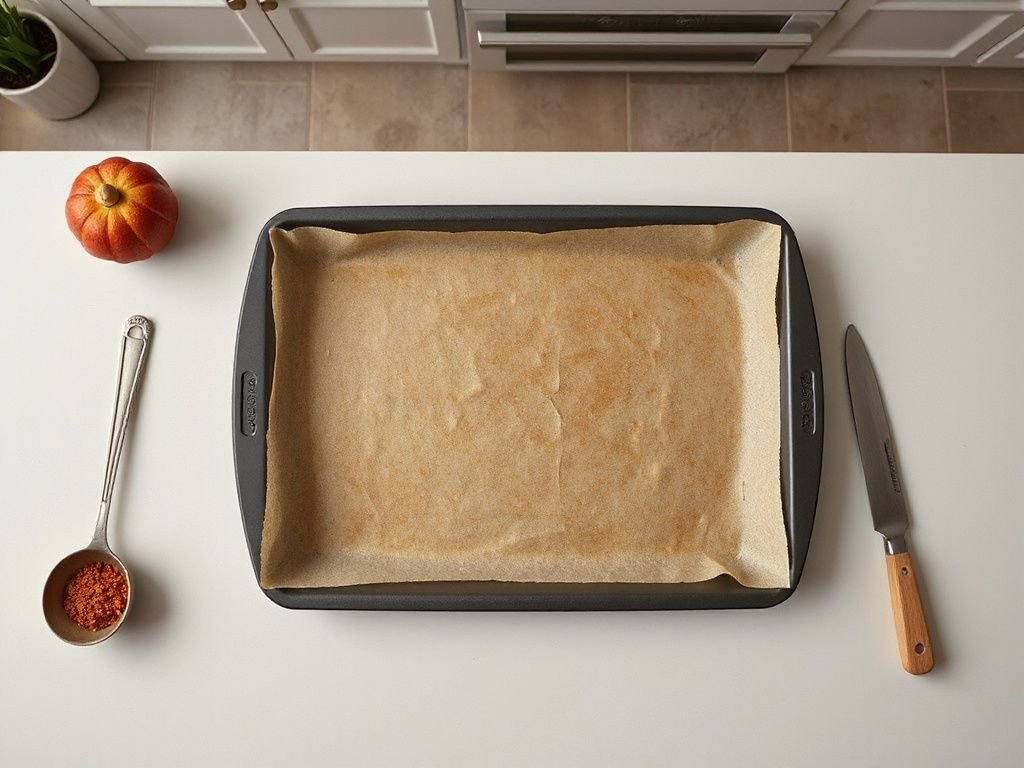
For crispy-edged cookies with soft centers, a light-colored rimless or low-rim aluminum sheet works well. The flat surface lets hot air move across the bottom, and the light finish slows over-browning. Place parchment paper on the sheet to reduce sticking without adding insulation. Many parchment papers are rated to around 425°F; check the package before using them above that.
If your cookies burn on the bottom even at the right temperature, your oven may run hot or your dark sheet may be absorbing too much radiant heat. Verify with an oven thermometer and shift to a lighter pan. For a fun test, bake a full tray of brownie mix cookies and compare edge browning across the pan. That recipe is forgiving enough to reveal hot spots.
Roasting Vegetables and Sheet-Pan Dinners
Roasting vegetables demands a rimmed sheet, ideally uncoated aluminum or stainless steel. The rim traps oil and juices, letting vegetables roast in their own moisture instead of drying out. Toss halfway through, and the high sides keep carrots and potatoes from sliding off. A thin 20-gauge sheet will bow under a heavy sheet-pan dinner; choose 18-gauge or lower for anything with a pound or more of food.
Are rimmed sheets better for roasting vegetables, or do you need a separate pan? A rimmed half-sheet does the job for most home ovens. Dedicated roasting pans with higher walls are useful for moist roasting or turkeys, but a heavy half-sheet handles crispy, oil-tossed vegetables just as well if you don’t overcrowd it.
Sheet Cakes and Bar Desserts
For sheet cakes, a rimmed half-sheet with straight sides is essential. The rim contains the batter, and straight sides create square edges. Dark nonstick pans make bar cookies and brownies bake faster, which can over-brown the bottom before the center sets. Light aluminum gives you more control. Line with parchment and leave an overhang to lift bars out cleanly.
A rimmed half-sheet pan with straight sides holds sheet cake batter in place and gives you clean, square edges after baking.
Advanced: Liners, Cleaning, Storage, and Troubleshooting
Once you have the right pan, three habits determine how long it lasts: what you line it with, how you clean it, and where you store it. These choices affect heat transfer as much as the metal itself.
Why Parchment Slides and Wax Paper Fails
Parchment paper is coated with silicone and is oven-safe to around 425°F on most brands. Wax paper contains a wax coating that melts or burns at baking temperatures. The USDA Food Safety and Inspection Service advises that wax paper is not a substitute for parchment in the oven. Parchment slides on a slick sheet when there is no batter or dough to weigh it down. Crumple the parchment and flatten it out again, or place a small dab of dough in each corner to hold it in place.
Silicone baking mats like Silpat are reusable nonstick liners that tolerate higher heat than most parchment. They also insulate the bottom slightly, so cookies spread less and brown more slowly. A cooling rack paired with the sheet after baking lets air circulate under hot cookies or roasted vegetables, preventing soggy bottoms.
Cleaning Burnt-On Grease Without Ruining the Finish
For uncoated aluminum, a paste of baking soda and water scrubbed with a non-abrasive sponge removes polymerized grease. For stainless steel, a mild abrasive like Bar Keepers Friend works. Never use steel wool on a nonstick baking sheet; it scratches the PTFE or ceramic coating, which then releases food unevenly and may flake. For burnt-on grease on an uncoated sheet, soak in hot water with a small amount of dish soap, then scrape with a plastic bench scraper.
If you’ve ever made edible cookie dough while your sheet cools on the counter, you know parchment beats scraping. Still, darkening on aluminum is not dirt. A seasoned aluminum sheet develops a patina that actually improves browning and release. Do not scrub that patina off unless food is sticking. If food sticks, a quick bake at 400°F for five minutes to polymerize a thin oil film restores the surface.
Storage Without Scratching
Stacking sheets directly scratches nonstick coatings and dulls aluminum. Place a paper towel, felt pad, or silicone liner between each pan. Store sheets vertically in a cabinet or rack if space allows. Hanging them by a rim hook also prevents warping that happens when you stuff heavier pans on top of thinner ones.
Placing a paper towel or felt pad between stacked baking sheets prevents the scratched surfaces that lead to sticking and uneven browning.
Frequently Asked Questions About This Baking Sheet Buying Guide
Can I fix a warped baking sheet permanently?
You can reduce a mild warp by heating the pan at 300°F for 15 minutes and pressing it flat under a weighted board while it cools. A badly twisted or repeatedly popped sheet will never sit flat again. Thicker 18-gauge pans resist the thermal shock that causes warping in the first place.
Is a dark nonstick baking sheet better than a light shiny one?
It depends on the food. A dark nonstick sheet absorbs more radiant heat, so it browns frozen foods and roasted potatoes faster. That same heat burns cookies and sheet cakes on the bottom. Light shiny aluminum gives you a wider window for delicate baking. Keep both if you roast often and bake sweets regularly.
Why do my cookies burn on the bottom even at the right temperature?
Your oven may run hotter than the dial says, or the dark pan is trapping radiant heat. Check the actual temperature with an oven thermometer. Switch to a light-colored aluminum sheet and bake on a middle rack. Leaving parchment on the pan adds slight insulation and slows bottom browning.