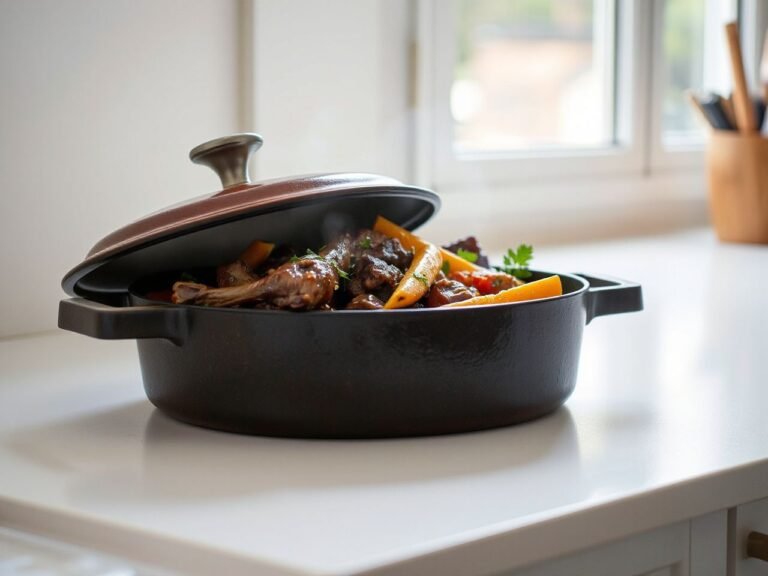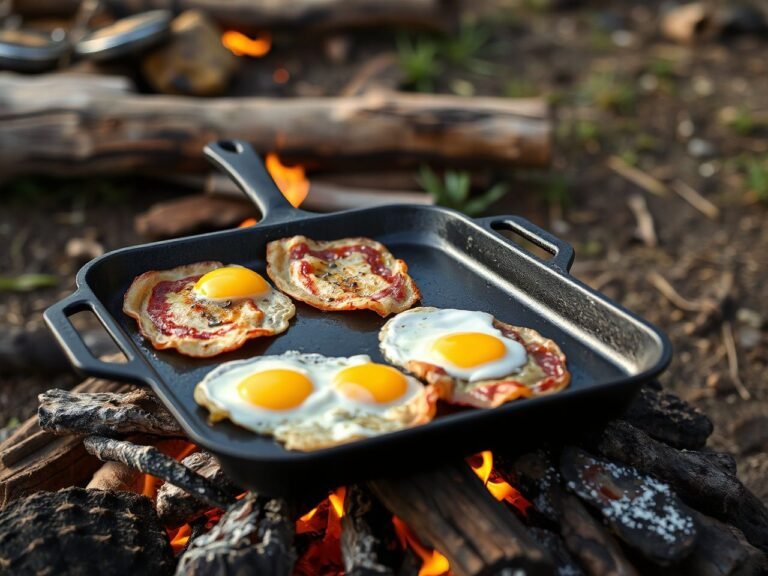
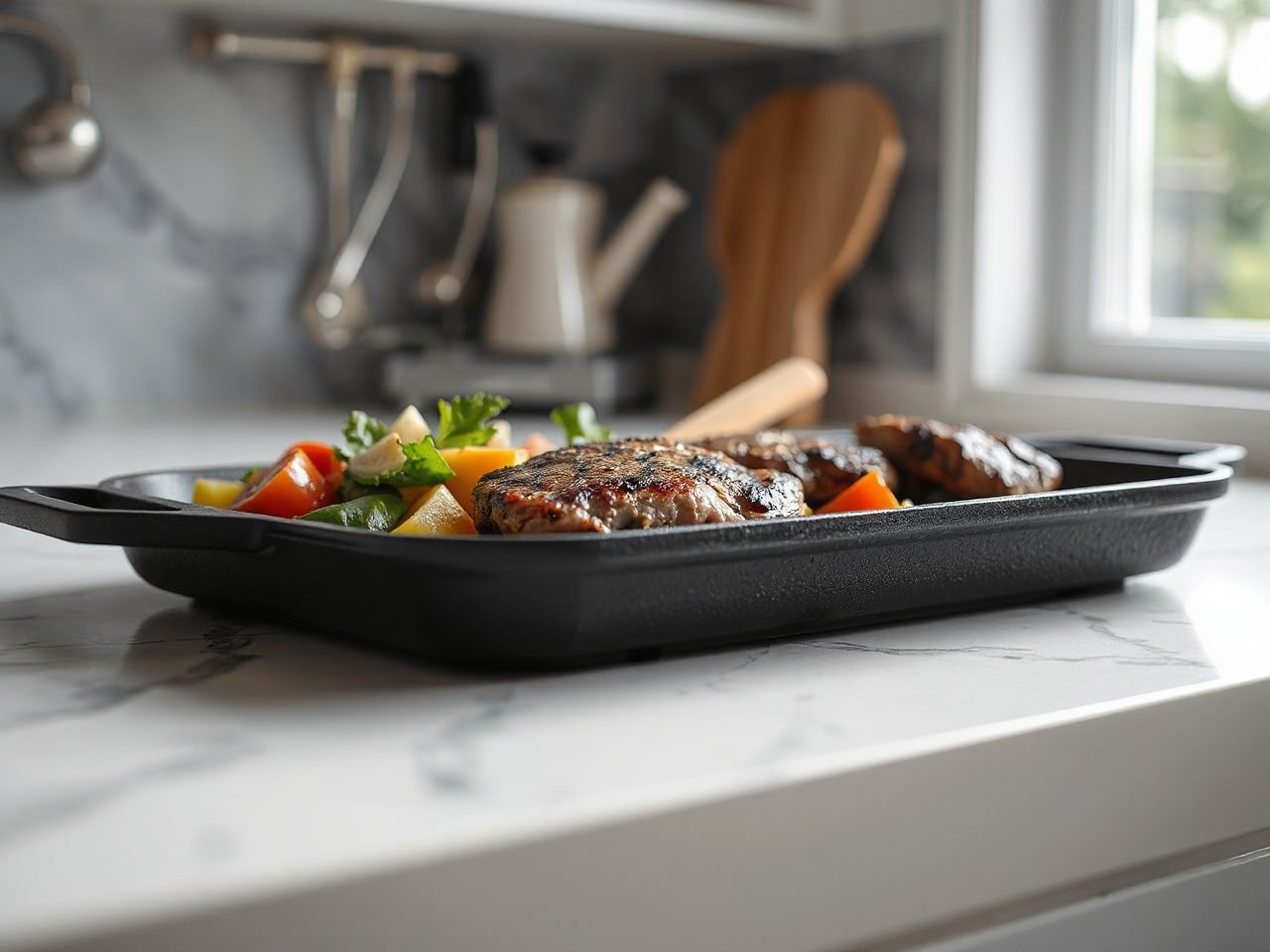
There’s a quiet triumph in lifting a steak off a cast iron grill pan and seeing clean, dark grill marks pressed into the crust. That’s the moment every home cook chases, and it starts with the right pan. If you’re narrowing down the best cast iron grill pans under 100, the shortlist gets crowded fast. Before you buy, our cast iron grill pan buying guide walks through the mistakes that lead to warped pans and ruined seasoning.
My overall pick is the Lodge Reversible Cast Iron Grill/Griddle Pan — it beats the rest on versatility and seasoning quality, and the spec sheet backs that up.
📌 This article contains affiliate links. As an Amazon Associate I earn from qualifying purchases, at no extra cost to you. Full disclosure.
CERTAIN CONTENT THAT APPEARS ON THIS SITE COMES FROM AMAZON. THIS CONTENT IS PROVIDED ‘AS IS’ AND IS SUBJECT TO CHANGE OR REMOVAL AT ANY TIME.
| Product | Best For | Buy Link |
|---|---|---|
| Victoria Cast Iron Grill Pan | Seasoning retention | Check Price |
| Northriver Casting 10.5 Inch Square Grill Pan | Lid & long handle | Check Price |
| Lodge Reversible Cast Iron Grill/Griddle Pan | Dual-surface versatility | Check Price |
| Cast Iron Grill Pan (24cm Square) | Single-piece construction | Check Price |
| GreenPan x Bobby Flay 11″ Square Grill Pan | Pre-seasoned & branded | Check Price |
| 12.6″ Cast Iron Grill Pan with Scrapers | Accessories included | Check Price |
How We Chose These Cast Iron Grill Pans Under $100
These picks come from comparing published specifications, materials, and documented features against what actually matters in this category. The deciding factors were cast iron thickness and consistency, the quality and evenness of pre-seasoning, handle design for grip and oven safety, and ridge height and pattern. A pan that’s too thin heats unevenly and warps, so we weighted listed dimensions and any hint of single-piece construction heavily. The quality of the pre-seasoning matters because a bad coat flakes into your food, while a good one builds with use. Handle length and shape affect how close your hand gets to splattering oil. Ridge spacing determines searing quality and how much smoke you create. Before ordering, check the actual cooking surface dimensions, not the overall pan size—manufacturers include the handle in their measurements, so a 12-inch pan might only have a 9-inch cooking area.

Northriver Casting 10.5 Inch Cast Iron Square Grill Pan with Tempered Glass Lid (Long Handle + Lid)

Lodge Reversible Cast Iron Grill/Griddle Pan (Dual Burner, Dual Surface)

Victoria Cast Iron Grill Pan (Textured Preseasoned Skillet)

Quick take: This is the pan for anyone who wants a straightforward, no-frills grill pan that seasons up beautifully with use.
The Victoria Cast Iron Grill Pan is a single-piece cast iron skillet with a textured, preseasoned skin and raised ridges across the cooking surface. The listing emphasizes natural materials and compatibility with stove, induction, and open flame. The preseasoned skin means you can start cooking after a quick rinse, and the textured surface helps subsequent layers of seasoning bond instead of flaking off. That matters because a grill pan takes more abuse than a flat skillet—scraping against ridges wears seasoning faster, and a textured base gives it somewhere to grip.
This design prioritizes seasoning retention over raw thickness. The listing doesn’t state a weight, which is a gap—weight is the single most reliable proxy for cast iron thickness, and a too-light pan warps under high heat. But Victoria’s reputation for even pours and a smooth finish suggests a mid-weight pan that balances heat retention against maneuverability. Compared to the Lodge reversible below, this Victoria uses a single burner and a square footprint, which is better if you have a small stovetop or want to tuck it into a cabinet. When ranking the best cast iron grill pans under 100, the Victoria’s textured preseasoned skin is a genuine advantage. One limitation: raised ridges on any grill pan trap debris, and this model has no pour spouts, so cleaning requires a stiff brush and a little patience.
Pros:
- Textured preseasoned skin — gives new seasoning something to stick to, so the nonstick surface improves rather than peels.
- Versatile cooktop compatibility — works on gas, electric, induction, and even campfires thanks to all-natural iron.
- Square footprint — fits a single standard burner without overhanging, which reduces hot spots.
Cons:
- No listed weight — you can’t judge thickness before ordering, and thin cast iron warps permanently.
- Ridges without pour spouts — oil and juices pool inside the ridges, making cleanup messier than flat griddles.
Why it earns a spot
Great match for: Someone who wants a do-everything grill pan that gets better with every cook. Think twice if: You want a dual-sided griddle or need to know exact weight before buying.
Northriver Casting 10.5 Inch Cast Iron Square Grill Pan with Tempered Glass Lid (Long Handle + Lid)
In a nutshell: Northriver Casting bundles a glass lid and an extra-long handle, which solves two real complaints—splatter and burned knuckles.
This Northriver Casting pan is fully cast iron, square, 10.5 inches, with a tempered glass lid and a 5.8-inch handle with a curved radius. The handle is described as longer than competitors, which matters because grill pans spit hot oil when searing, and a short handle puts your hand right in the splash zone. The glass lid traps moisture and reduces splashing, but there’s a tradeoff: covering a grill pan during a sear steams the food instead of browning it. That lid is for simmering or melting cheese after the sear, not during it.
The construction is straightforward—no gimmicks, just a thick cast iron base and a utilitarian handle. At 10.5 inches, the cooking surface is smaller than the 12.6-inch generic model below but larger than some 8-inch skillets, landing in the sweet spot for two servings. The long handle is a genuine advantage over the Victoria, which uses a standard loop handle. But that extra length also shifts the center of gravity; a full pan of burgers will feel more tippy on a small burner. And like most grill pans with ridges, the grooves trap carbonized bits—no pour spout here either, so you’ll be scraping with a brush after every use.
Pros:
- 5.8-inch curved handle — keeps your hand farther from splattering oil than most competitors.
- Tempered glass lid included — useful for melting cheese or keeping food warm, which bare pans can’t do.
- Square 10.5-inch size — fits a standard burner without overhang and sears two steaks at once.
Cons:
- Lid encourages misuse — covering during a sear produces steam, not crust, so you need to know when to leave it off.
- No weight spec — like Victoria, the listing omits the one number that predicts warping resistance.
The real deal
Ideal for: Cooks who want a lid and a longer handle without paying premium prices. Pass on this if: You’re a purist who wants maximum searing surface and will never use a lid.
Lodge Reversible Cast Iron Grill/Griddle Pan (Dual Burner, Dual Surface)
Here’s the deal: Lodge gives you two cooking surfaces and two-burner capacity in a single pan, which is the most versatile piece in this roundup under a hundred bucks.
The Lodge Reversible Cast Iron Grill/Griddle is a rectangular plate that spans two burners, with grill ridges on one side and a flat griddle surface on the other. The listing states it’s pre-seasoned and PFAS-free, which means no synthetic nonstick chemicals—just polymerized oil, something the FDA regulations on food-contact surfaces accept as safe. The double-burner design gives you roughly double the cooking area of a square single-burner pan, but it also demands that both burners align. On a standard 30-inch stove, the front and back burners are close enough, but if you have an apartment-size range with oddly spaced burners, the pan may sit unevenly.
This design’s biggest win is flexibility. You can sear steak on the ridged side, then flip to the flat side for pancakes, eggs, or toasted sandwiches. That means you’re not buying a unitasker, which in a small kitchen is the difference between a pan you use weekly and one that gathers dust. You can sear chicken thighs on the ridged side, then flip and sauté aromatics for a soup like our easy chicken tortilla soup. The tradeoff is weight and handling: a two-burner cast iron slab is heavy, and flipping it while hot requires a confident grip or two hands. The listing doesn’t give an exact weight, but geometry alone—rectangular, spanning double burners—implies several pounds more than the Victoria. When we evaluate the best cast iron grill pans under 100, this dual-surface design is the standout. And because it’s reversible, any scratches on the underside become part of the cooking surface eventually. That’s not a flaw, just seasoning evolution.
Pros:
- Reversible grill/griddle surfaces — one pan replaces a grill pan and a flat griddle, saving cabinet space.
- Two-burner design — nearly doubles cooking area, so you can feed four people without batches.
- Pre-seasoned and PFAS-free — polymerized oil finish is food-safe and avoids synthetic coatings, per FDA food-contact guidance.
Cons:
- Large and heavy — spans two burners and requires two hands to move, which is awkward for daily single servings.
- Reversibility means double maintenance — both sides need seasoning upkeep, and the bottom gets charred if used over flame.
Our take
Perfect for: Households that cook for three or more and want a grill pan and griddle in one. Not great if: You have a small stove with inconsistent burner spacing, or you prefer a dedicated single-purpose pan.
Cast Iron Grill Pan (Generic, Single Piece 24cm Square)
The short version: This unbranded 24cm square pan is built from a single piece of cast iron, which removes weak points but adds weight where you might not want it.
The listing for this Cast Iron Grill Pan describes it as forged from a single piece of premium cast iron, including the handle, with a 24cm by 24cm cooking area and 4cm depth. Single-piece construction is a real advantage: there’s no rivet or weld where the handle meets the body, which is the failure point on cheaper cast iron that’s actually two pieces bolted together. The 4cm depth is deeper than typical grill pans, meaning it can hold more food without overcrowding, but that depth also makes the pan heavier and slower to heat evenly.
What’s missing here is any brand name or certification on seasoning. The listing says nothing about pre-seasoning, so you may be starting from bare iron. That’s not a dealbreaker for a purist—many cooks prefer to season their own pans with flaxseed or grapeseed oil and control every layer—but a first-time buyer could end up with rust before the first steak. The square footprint fits one burner, though at 24cm it’s slightly smaller than the Northriver’s 10.5 inches (which is about 26.7 cm). But the depth of 4cm adds volume. The listing doesn’t state weight, so again, caution. Compared to the Lodge, this is a single-burner pan, so more practical for small stovetops. Limitation: deep ridges on a small surface can crowd food, and without a brand, you’re relying on the seller’s word that it’s actually high-grade iron.
Pros:
- Single-piece cast iron body — no handle joint to loosen or break over years of use.
- 4cm depth — holds thicker steaks or bigger batches than shallow grill pans.
- Compact 24cm square — fits standard burners without the two-burner footprint of the Lodge.
Cons:
- No pre-seasoning mentioned — you’ll need to season from scratch, and a novice might struggle with rust.
- Unknown brand specs — no weight or iron grade listed, so quality is a roll of the dice.
What sets it apart
Great match for: Someone experienced with cast iron who wants a single-piece pan and doesn’t mind seasoning it themselves. Skip if: You want a pan that works out of the box, like the Victoria or Lodge.
GreenPan x Bobby Flay 11″ Pre-Seasoned Cast Iron Square Grill Pan

Why it stands out: This is the only pan here with a celebrity chef’s name on it, but the 11-inch size and pre-seasoning are what actually make it worth a look, not the branding.
The GreenPan x Bobby Flay square grill pan is an 11-inch pre-seasoned cast iron skillet designed for stovetop, oven, grill, or open flame. The listing says it’s ready to use right out of the box—just rinse and start cooking. That’s a meaningful claim because pre-seasoning quality varies wildly; some pans arrive with a thick, tacky layer that flakes, while good ones have a thin, hard polymerized coat. The square shape and single-burner footprint put it in the same class as the Victoria, but the pre-seasoning is presented as a feature rather than a starting point.
The 11-inch measurement almost certainly includes the handle, so the actual cooking surface is closer to 9-10 inches. That’s common across every pan in this roundup, and it’s why you should always check the listed cooking area, not the overall dimension. This pan’s versatility—oven-safe, grill-safe, open-flame-ready—matches the Lodge’s indoor/outdoor flexibility, but it does it in a compact square form. The downside? No lid, no pour spouts, and no weight spec. You’re paying partly for the Bobby Flay name, which is fine if you trust his grill instincts, but on paper the Victoria offers a similar product without the markup.
Pros:
- Pre-seasoned and ready to use — skips the initial seasoning step that intimidates newcomers.
- Versatile heat sources — works on induction, gas, electric, oven, grill, and campfire.
- 11-inch square size — large enough for two big steaks but still fits one burner.
Cons:
- Celebrity markup — you’re paying extra for the Bobby Flay name compared to functionally identical pans.
- No lid or pour spouts — splatter control and oil drainage require separate purchases or messier cleanup.
Final thoughts
Ideal for: Bobby Flay fans who want a name-brand pre-seasoned pan without the Lodge’s two-burner bulk. Pass on this if: You don’t care about the chef collaboration and just want the best value per square inch.
12.6″ Cast Iron Grill Pan (with Scrapers and Silicone Handles)
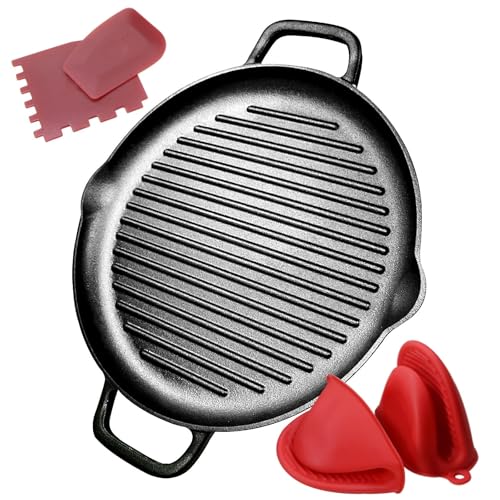
Quick take: This is the only pan in the roundup that bundles cleaning tools and silicone handle covers, which addresses the two most annoying parts of cast iron ownership.
This 12.6-inch cast iron grill pan arrives with a foundational seasoning of 100% vegetable oil, two grill pan scrapers, and two silicone handle grips. The scrapers are a thoughtful inclusion because ridged grill pans are notoriously hard to clean—after searing, carbonized bits lodge between the ridges, and a standard sponge can’t reach them. The silicone handle covers solve the burned-hand problem without requiring an oven mitt, though they’re only safe to about 450°F, so remove them before the pan goes into a hot oven or under a broiler. The pan itself is described as having superior heat retention for restaurant-quality searing, meaning it’s likely thicker than budget skillets, though no specific weight is given.
At 12.6 inches, this is the largest single-burner pan here, edging past the GreenPan’s 11 inches and the Northriver’s 10.5 inches. That extra surface area is excellent for meal prepping or cooking for a crowd, but it also makes the pan heavier and harder to maneuver, especially when full. The square footprint may overhang smaller burners, leading to uneven heating at the edges—a real problem on compact apartment stoves. Compared to the Lodge reversible, this pan is a single-purpose grill pan, so you sacrifice the flat griddle side but gain dedicated scrapers and better handle protection. Charred vegetables from a grill pan like this add depth to a one-pot chicken dumpling soup. One clear limitation: the listing never states whether the pan is oven-safe beyond a certain temperature or if the silicone grips are removable, so you’ll need to test cautiously.
Pros:
- Bundled scrapers and silicone handles — solves the two biggest complaints about cast iron: cleaning ridges and burning hands.
- Large 12.6-inch surface — sears four burgers or two big ribeyes without crowding.
- Pre-seasoned with vegetable oil — a neutral, widely available oil that builds a good base layer.
Cons:
- Size may overhang small burners — edges won’t get direct heat, causing uneven searing on compact stoves.
- No weight or oven-safety spec — you can’t verify thickness, and silicone handle covers have unknown heat limits.
The bottom line
Perfect for: Home cooks who want a large grill pan with accessories included and don’t mind checking their burner size first. Think twice if: You have a small or oddly spaced cooktop, or you already own scrapers and handle mitts.
How to Pick a Cast Iron Grill Pan That Won’t Warp (or Waste Money)
Cast iron is cast iron, right? Not quite. The differences between a $40 pan and a $90 pan come down to three things: how thick the iron is, how well the seasoning was applied, and whether the handle actually protects your hand. Let’s break down what to check before you buy.
Weight and Thickness: The Single Best Predictor of Lifespan
Bare cast-iron pans are almost always cast as a single, solid piece of metal. That’s why they last generations, but it also means weight directly reflects thickness. A 10-inch square pan that weighs under 4 pounds is almost certainly too thin; it will heat unevenly and warp permanently if you crank the burner too high. Cast iron also conducts heat poorly compared to copper or aluminum, so a thicker pan compensates by holding heat longer once it’s up to temperature. When a listing omits weight, treat that as a warning sign—you’re buying blind.
Cheap grill pans are tempting, but here’s what actually fails
A budget pan is appealing, but the failure modes on cheap grill pans are predictable. Thin iron warps, which means the bottom no longer sits flat on the burner and you get cold spots. Cheap pre-seasoning flakes into your food, and flaked polymerized oil tastes bitter. And handles that are bolted on instead of cast in one piece eventually loosen. If you can’t verify the weight or construction, skip it—that’s why the generic 24cm square pan above is a risky buy. Seasoning a cast iron pan creates a polymerized oil surface that the FDA classifies as safe for food contact, but a poorly applied seasoning is still a food-quality issue.
Seasoning: Pre-Seasoned vs. Bare Iron, and How to Maintain Both
Pre-seasoned pans save you an afternoon of oven time, but not all pre-seasoning is equal. A good one feels smooth and hard, not sticky. The Victoria’s textured preseasoned skin is a smart design because it gives future layers something to grip. Bare iron, like the generic 24cm pan likely is, requires you to build seasoning from scratch with flaxseed or grapeseed oil. That’s not hard, but it’s a skill, and first-timers often use too much oil and end up with a gummy mess. Acidic foods like tomatoes and wine will strip seasoning regardless, so reserve those for a well-used pan, not a brand-new one.
Ridge Height and Pattern: Searing vs. Smoking, and Cleaning Reality
High ridges give you deeper grill marks but also more smoke and harder cleaning. Low ridges sear the flat areas between them, creating a different crust pattern. Patterns with tight spacing trap more food debris. None of the pans here except the Lodge reversible have pour spouts, so oil pools inside the ridges. That’s why the 12.6-inch pan includes scrapers—the maker knows you’ll need them. If you want less smoke, choose a pan with moderate ridges and use a high-smoke oil like avocado, not olive oil.
Our Final Recommendation
The Lodge Reversible Cast Iron Grill/Griddle Pan is the top overall pick for the best cast iron grill pans under 100—it’s the only one that gives you two cooking surfaces, and the pre-seasoning is PFAS-free and ready to go. For a budget single-burner option, the Victoria Cast Iron Grill Pan delivers the best seasoning foundation with its textured skin. If you want a lid and longer handle, the Northriver Casting pan is the one to grab. All three stay under the hundred-dollar mark without cutting corners on iron quality.
Frequently Asked Questions
Are affordable cast iron grill pans actually worth buying?
Yes, if you check the weight and seasoning quality. Most affordable cast iron works fine; what fails is thin, unevenly cast iron that warps over high heat or a preseasoning layer that flakes into your food. Look for a textured preseasoned surface like the Victoria’s, or plan to season bare iron yourself. The Lodge reversible is a great value because you get two surfaces for under a hundred dollars. Avoid pans that feel suspiciously light for their size—lighter usually means thinner.
Do I need to season a pre-seasoned cast iron grill pan before first use?
It depends on the quality of the pre-seasoning. If the surface feels smooth and hard, not sticky, you can start cooking after a quick rinse and dry. Still, it’s worth adding a thin layer of oil and heating it once—the polymerized oil fills micro-gaps. Avoid soaking or cooking acidic foods in the first few uses, because tomatoes and vinegar strip young seasoning. Pre-seasoned pans from Lodge and Victoria are usually good to go; budget generic pans might need a full oven seasoning.
Why does my cast iron grill pan smoke so much, and how can I reduce it?
Cast iron grill pans smoke because you’re heating oil past its smoke point or burning food debris between the ridges. Use a high-smoke oil like avocado or grapeseed, and preheat the pan gradually on medium—never high—until it’s evenly hot. Don’t add oil until just before the food goes in, and avoid overcrowding. Also clean the ridges thoroughly after each use; charred bits smoke on the next heat-up. If smoke persists, your seasoning may be too thick; strip and reseason with a very thin coat.
Can I use a cast iron grill pan on an induction cooktop?
Yes, any bare cast iron pan works on induction because iron is ferromagnetic. That includes all six pans in this roundup. But note that induction heats quickly, so start on medium-low and let the pan come up to temperature gradually to avoid warping. Also, the bottom must sit flat on the burner; a warped pan won’t make good contact and will heat unevenly. Check the pan’s flatness before buying if possible, and avoid sliding it across the glass cooktop to prevent scratches.