Spice jars can take up little room and still make a kitchen feel disorganized. A rack may hold many containers yet leave the jar you need buried, blocked, unstable, or awkward to remove. That is why a useful spice rack buying guide must look beyond capacity.
The useful distinction is between storage capacity and usable access: a rack can hold many containers yet make everyday cooking slower if jars are hidden, unstable, or blocked by neighboring containers. A sound guide also evaluates the full storage system, including container compatibility, placement away from damaging conditions, cleaning, refilling, labeling, and the space or hardware required for installation.
Key Takeaways
- Choose the storage location before choosing the rack style.
- Match jar dimensions, lid movement, labels, and clearances to the rack.
- Keep spices away from heat, steam, sunlight, moisture, and unnecessary air exposure.
- Check mounting surfaces, cleaning access, refilling needs, and ongoing replacement costs.
Beginner: Start With the Storage Location
The right rack is determined first by where the spices will live. A wall-mounted spice rack, drawer spice organizer, cabinet shelf, pull-out cabinet organizer, and countertop rack each solve a different access problem. Choosing by appearance alone can leave the rack in a place that damages spices or makes jars hard to handle.
Choose between a wall, drawer, and cabinet
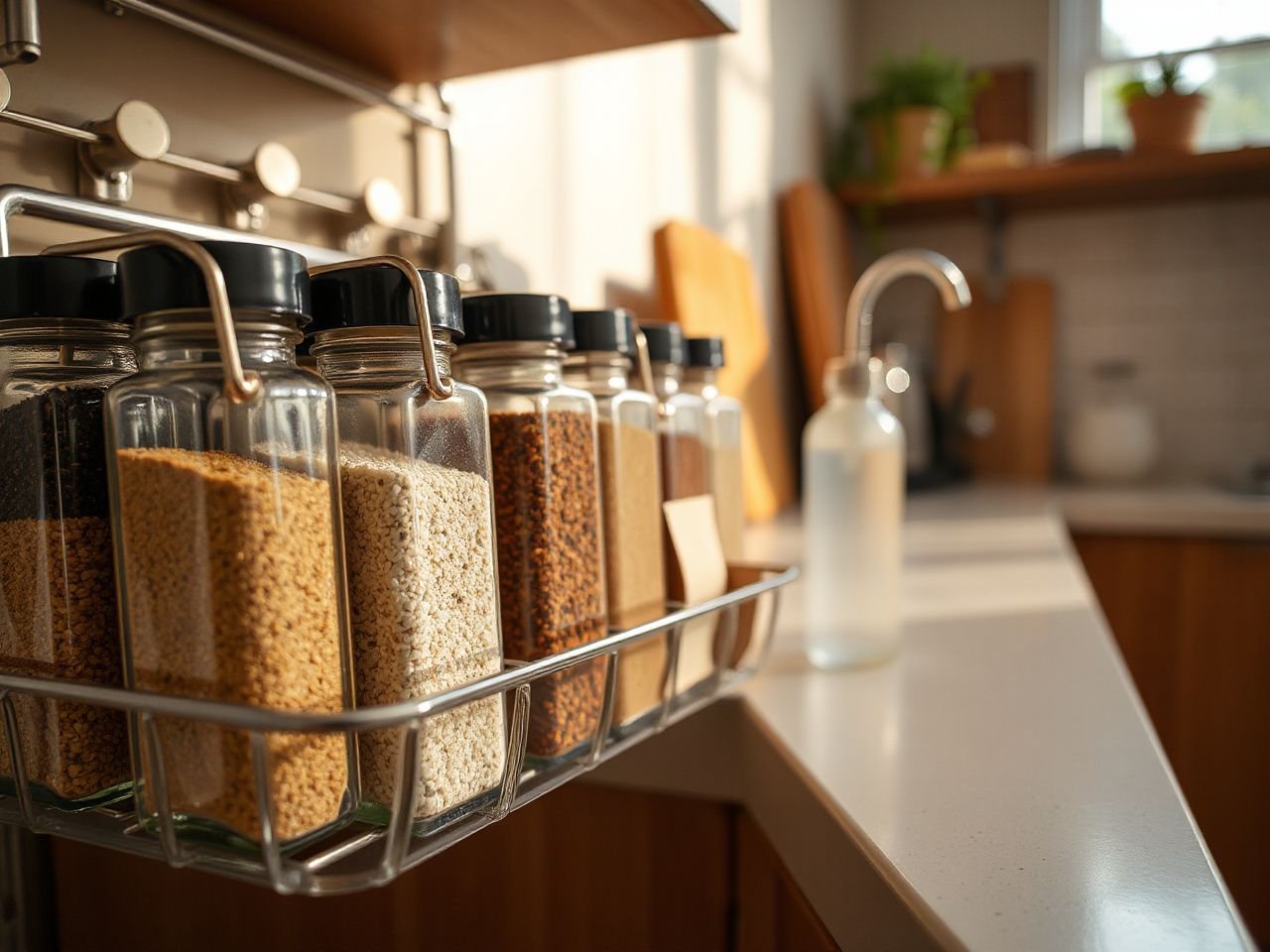
A wall-mounted rack suits a clear wall or the inside of a cabinet door where labels can face the cook. The mounting surface must be sound, flat enough for the hardware or adhesive, and positioned where opening the door or moving nearby cookware will not strike the jars. A wall rack saves shelf space, but its visibility does not help if the lowest containers are difficult to reach or if the rack sits beside a source of heat and steam.
A drawer spice organizer works well when the drawer opens fully enough for labels to be read from above. Drawer storage keeps containers away from direct light, but the rack must fit the drawer’s actual depth, width, and height. Drawers with a depth starting at 3.5 inches are compatible with the Evermill in-drawer spice rack, yet that figure does not replace measuring your own drawer or checking the organizer’s full dimensions.
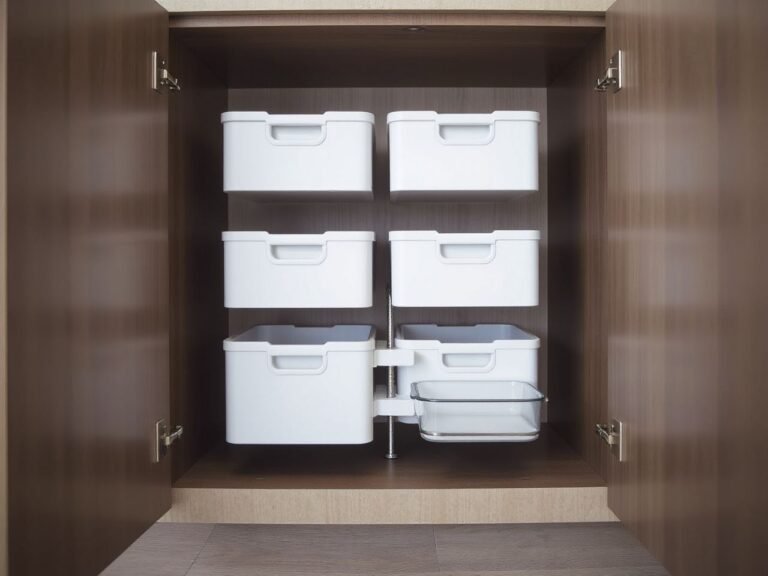
A cabinet organizer makes use of enclosed storage and can suit a kitchen where wall space is limited. A tiered shelf riser lifts rear jars so their labels are visible, while a pull-out cabinet organizer brings containers forward instead of requiring a deep reach. A rotating rack can expose jars from several directions, though the cabinet shelf still needs enough surrounding space for the rack and the hand reaching into it.
A drawer organizer is usually less practical if the drawer must be opened past a nearby handle or if the jars have lids that catch on the frame. A wall rack is less practical if the wall cannot accept the mounting method. A cabinet rack is less practical if the door, shelf, or neighboring containers block its movement.
Measure the complete movement path
Do not measure only the shelf or drawer opening. Measure the space occupied by the rack, the room needed to place and remove a jar, and the movement of any drawer, door, tray, or rotating section. The rack must match the container dimensions, opening direction, shelf clearance, and available mounting surface.
- Drawer: Check the interior depth, usable width, vertical clearance, and the drawer’s movement past nearby cabinet parts.
- Cabinet shelf: Check the distance between shelves, the height of the tallest jar, and the front clearance needed to grasp a lid.
- Cabinet door: Check the door’s swing, hinge area, and the gap between the mounted rack and the cabinet contents.
- Wall: Check the surface condition, mounting position, nearby heat or steam, and the space below the rack.
- Countertop: Check whether the rack will crowd preparation space or sit near splashes, burners, or a kettle.
A rack needs enough clearance for a hand to remove the container without lifting neighboring jars first. The exact clearance depends on the container shape and rack design, so use the jar itself as the check: place it in position, open the lid, and confirm that the hand can grip it without scraping the shelf above.
A spice rack must leave room for both the container and the hand that removes it. Capacity without removal space creates storage that looks orderly but works poorly.
Think about pantry zoning
Group spices according to how they are used, not only by alphabet. A small group of daily cooking spices can stay near the main preparation area, while specialty spices, baking ingredients, and whole spices can live in a cabinet or pantry bin. Herb storage can follow the same logic, provided the labels remain clear and the containers stay in suitable conditions.
Keep similar containers together only if their labels can be read from the normal viewing angle. Paprika, chili powder, cayenne, and smoked paprika can look alike in matching jars, so the label position matters more than a tidy visual row. Side labels suit a drawer; lid labels suit a drawer viewed from above; front labels suit a wall rack or tiered shelf.
If you are also arranging cookware around the same work area, this practical guide to cookware types can help separate frequently used pans from less often reached equipment. Clear zones reduce the chance that a spice rack becomes a second obstacle in an already crowded cabinet.
Intermediate: Compare Rack Designs by Access
Rack designs change how the eye finds a spice and how the hand removes it. The useful question is not how many jars fit in a row. Ask whether the jars remain visible after the rack is full, whether one container blocks another, and whether refilling can happen without dismantling the arrangement.
Tiered shelves and risers
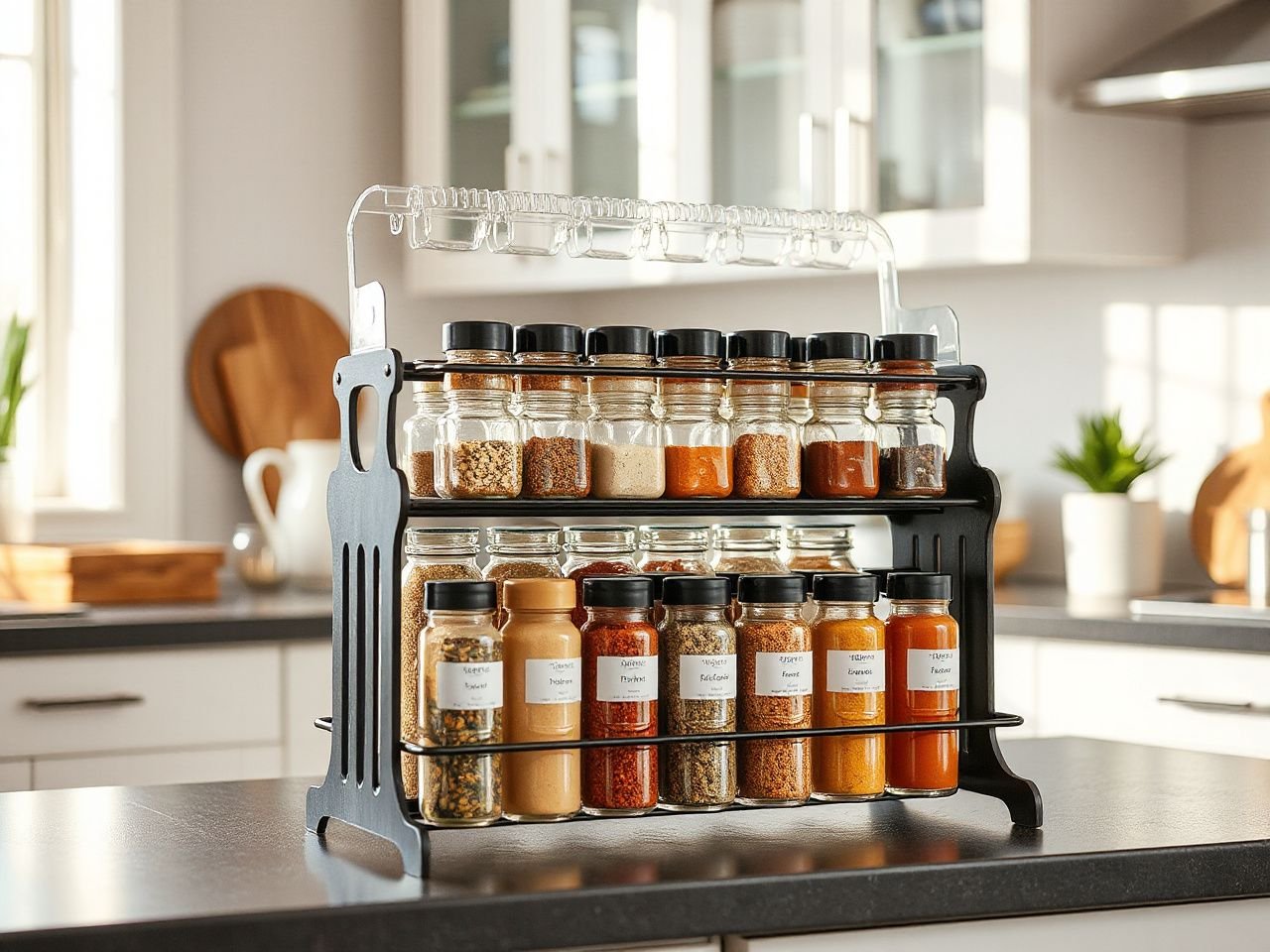
A tiered shelf riser raises rear containers so more labels remain visible. This arrangement works best when the jars have similar heights and their labels face the same direction. Mixed jar shapes can create gaps, tilting, and blocked lids, so place taller containers where they do not hide shorter ones.
Tiered storage can waste vertical space if the upper shelf is too low for the rear row or if the front row prevents a hand from reaching backward. Test the tallest container before filling the rack. A clear front label does not compensate for a jar that cannot be lifted out cleanly.
Pull-out trays and drawers
A pull-out cabinet organizer turns a deep cabinet into a front-facing storage area. The tray needs room to travel and enough clearance for fingers to remove jars once it is extended. The opening direction matters: a container with a lid that must be twisted, flipped, or pressed needs room above it as well as space at the front.
Drawer organizers place the label surface close to eye level when the drawer is open. They also protect spices from direct light, but a crowded drawer can make jars slide into one another. A non-slip shelf liner may help keep containers in place, provided the liner can be removed for cleaning and does not lift the rack or interfere with drawer movement.
Rotating racks
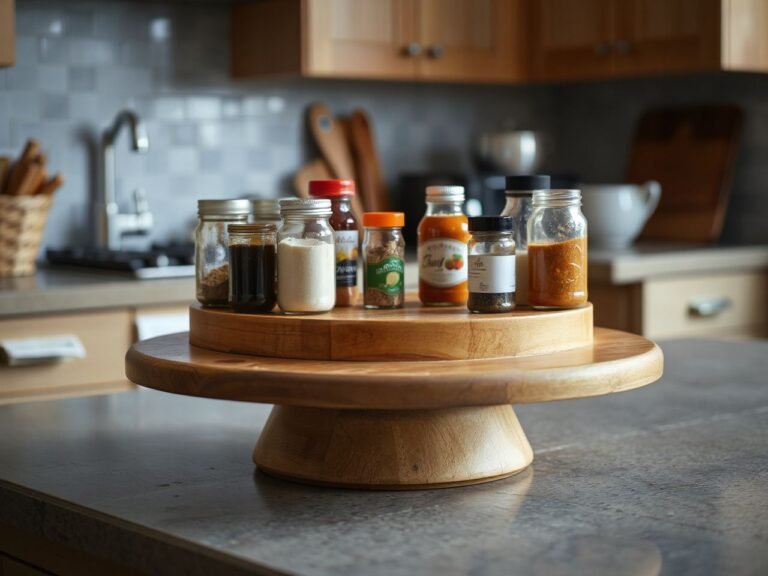
A rotating rack can make several sides of a group visible from one position. It is useful when a cabinet has enough open area around the rack for turning and when the containers have consistent labels. A packed cabinet can remove that advantage because nearby jars, shelves, or doors stop the rotation.
Rotation should not be confused with easy removal. The container still needs a clear grip, and the rack must remain stable while a jar is lifted. If the base shifts, the user may avoid rotating it and return to searching through the front row.
Magnetic containers and wall racks
A magnetic spice container can free shelf or drawer space and make the container surface visible on a compatible metal area. The magnet must hold the container securely on the intended surface, and the lid must stay closed during handling. Uneven loading can make one container sit differently from another, which complicates labeling and removal.
Adhesive mounts, magnets, and wall hardware have different support limits. Any of them can fail on an unsuitable surface or under an uneven load. Adhesive mounts placed near hobs, kettles, or unventilated exterior walls may fail, so a rack should not be mounted solely because the location looks convenient.
Match the rack to jar materials
A glass spice jar is easy to inspect and can keep labels crisp, but glass adds weight and can break if a rack tips or a container falls. Plastic containers are lighter and may suit a drawer or shelf where the rack has limited support, but the container still needs a properly closed lid and a clean exterior.
Magnetic tins require a suitable magnetic surface and a lid that closes securely. They should not be treated as interchangeable with tall jars simply because both hold spices. Container height, base shape, lid style, label position, and opening direction all affect whether the rack works.
Glass jars, plastic containers, and magnetic tins may need different storage conditions. The material does not protect spices from every damaging condition, and a transparent jar can allow more light to reach the contents than an opaque container.
A container’s material does not determine whether a rack is suitable by itself. The complete fit includes the container’s shape, lid, label, weight, opening movement, and storage location.
Intermediate: Protect Spice Freshness and Keep the Rack Clean
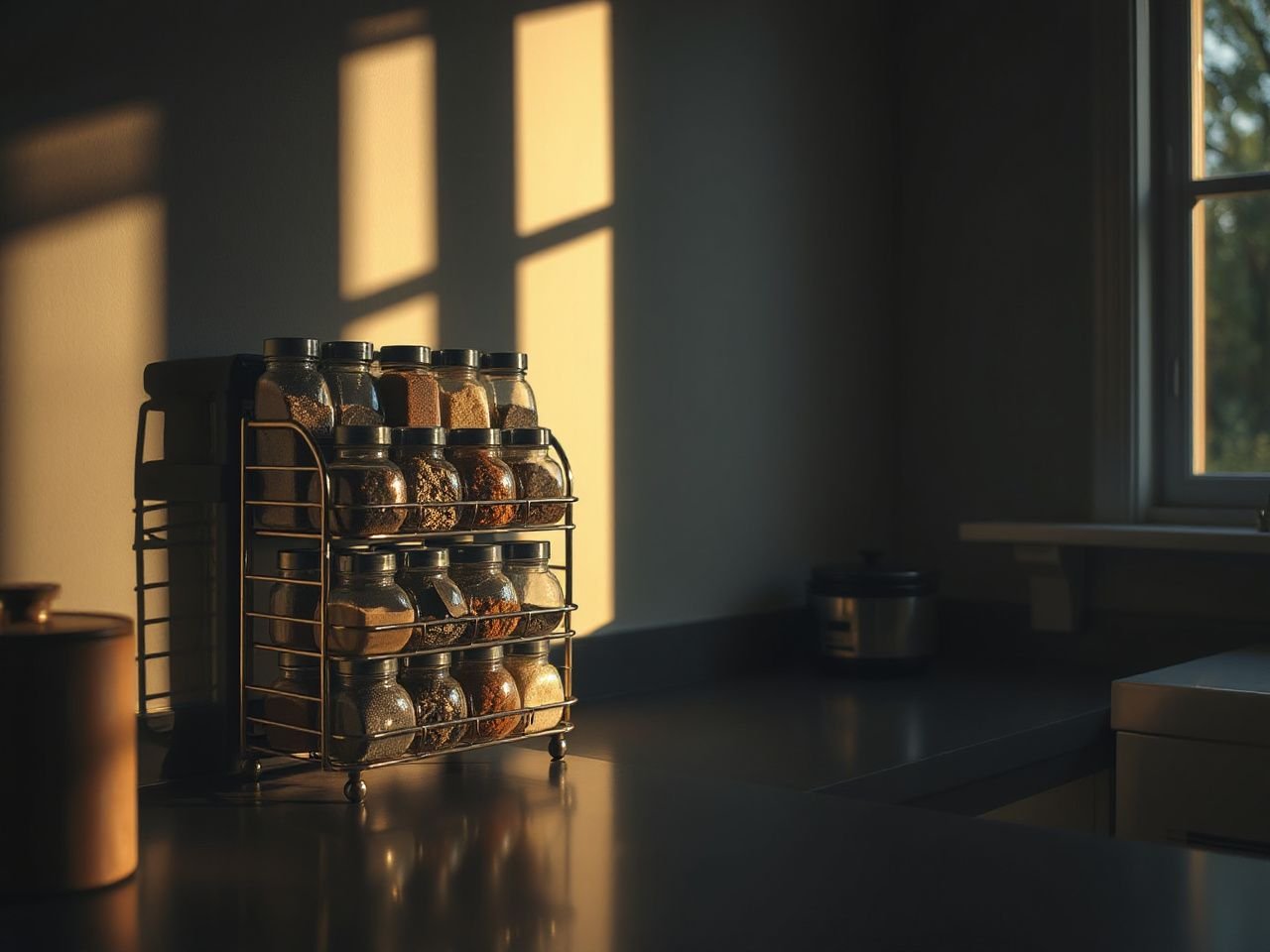
Spices lose flavor when exposed to heat, light, moisture, and air, so rack placement matters as much as visibility. A rack near a hob, kettle, or area of rising steam may be easy to reach while creating poor storage conditions. A bright countertop can also expose clear containers to more light than an enclosed cabinet.
Choose a safer placement for the contents
Keep the rack away from direct heat and steam. Do not place it where cooking vapors condense on lids or where splashes can reach open containers. Pantry moisture can affect labels, liners, and the outside of jars, so enclosed pantry storage still needs a dry, clean location.
Air enters the system every time a container is opened. A rack that encourages frequent handling should therefore make the correct jar easy to identify and remove, reducing the need to open several containers while searching. A tightly closed lid matters more than a decorative rack frame.
Dried herbs and spices are commonly recommended for use within 1–4 years, but the useful period varies by the ingredient and storage conditions. Check the aroma and appearance against the product label or household storage practice rather than treating the rack itself as a freshness system.
Clean spills before they spread
Ground spices settle into corners, seams, grooves, and textured shelf liners. Remove the containers before cleaning so spilled powder does not become trapped beneath them. Use the cleaning method suitable for the rack material and follow any care instructions supplied with the rack or containers.
- Brush or wipe loose ground spice from dry surfaces before adding moisture.
- Clean sticky residue with a suitable damp cloth rather than soaking a rack that contains hardware or adhesive.
- Dry jars and shelves before returning the containers.
- Inspect lids and threads for powder that could stop a proper closure.
- Replace a liner if it remains stained, damp, curled, or difficult to clean.
Food-contact containers should be checked against the manufacturer’s care instructions. The U.S. Food and Drug Administration provides food-safety information for consumers, so its guidance is a suitable reference for questions about handling and storing food-contact items.
The NSF develops standards and certification programs related to products used around food, water, and public health. A certification mark should be verified through the relevant manufacturer or certifying body rather than assumed from a product description.
Plan the refill and label routine
A rack is easier to maintain when refilling does not require moving every jar. Leave a clear way to lift containers out, and avoid decanting new spice into an old jar before checking that the old contents have been removed. Residue can alter the appearance and aroma of the new contents.
Spice labels should remain readable from the normal viewing angle, especially when similar spices are stored together. Use a consistent position and wording. If containers differ, label the broad face that remains visible rather than forcing every jar into the same orientation.
Ongoing costs can include replacement jars, labels, non-slip shelf liner, adhesive mounts, and wall hardware. The purchase price of the rack does not describe the full storage system. A rack that requires special replacement containers or repeated adhesive may cost more to maintain than a simpler arrangement using jars already available.
Advanced: Check Mounting, Stability, and Long-Term Fit
Mounting is part of the rack, not an afterthought. A wall-mounted rack depends on the wall surface and hardware. A door-mounted rack depends on the door, hinges, and available clearance. A magnetic system depends on the metal surface and the holding strength of each container. An adhesive system depends on a suitable clean surface and conditions that do not weaken the bond.
Assess a wall, door, drawer, or shelf
Start with the weakest part of the proposed installation. Inspect the wall or cabinet surface for damage, dust, grease, moisture, and loose finishes. For a cabinet door, check whether the added rack will interfere with the hinge area or cause jars to strike shelves when the door closes.
A drawer needs enough interior space for the rack and containers without forcing the drawer front or runners to carry an awkward load. A shelf needs enough vertical and front clearance for the jars to be removed. If the rack leans, shifts, catches, or causes the door to close under pressure, the location is unsuitable.
A mounting surface must support the loaded rack without shifting, peeling, or obstructing the cabinet. The rack frame may be strong while the chosen adhesive, magnet, shelf, or door remains the weak point.
Consider metal finish and moisture
Metal spice racks can develop rust if their finish is poor. Moisture from steam, damp wiping, or pantry conditions can make that risk more important, particularly where water remains in joints or under containers. Keep the rack dry after cleaning and inspect the finish rather than assuming metal is maintenance-free.
Clear acrylic can make containers easy to see, while alloy steel can provide a different frame construction. These material descriptions do not prove that a rack suits every location. Look at the finish, edges, fasteners, cleaning instructions, and the way the material interacts with the containers you plan to use.
Decide whether a rack is worth the space
A rack is worthwhile when it reduces search time, keeps labels visible, and leaves enough room for removal and cleaning. It is less practical when it turns a cabinet into a fixed grid that cannot accommodate different jar shapes, when the rack blocks other ingredients, or when a pantry bin would hold the same group with less hardware.
Store spices in a drawer, cabinet, or pantry bin instead of adding a rack if the existing space already provides clear labels and easy removal. The goal is an accessible, protected storage zone, not a dedicated structure for its own sake.
Readers comparing kitchen storage systems may also find this guide to assessing clearance and construction before buying a cooling rack useful as a general reminder that the surrounding space matters as much as the item itself. The same principle applies here: a product cannot function well if the installation area does not support its movement.
Use a simple decision process
- List the containers: Record the jar or tin shapes, lid styles, label faces, and approximate height differences.
- Choose the location: Select a dry area away from heat, steam, strong light, and frequent splashes.
- Measure the opening: Check the usable drawer, shelf, cabinet, door, or wall area rather than the outside dimensions alone.
- Test one container: Confirm that the jar can be inserted, removed, opened, refilled, and relabeled without obstruction.
- Check the support method: Review the surface, hardware, adhesive, or magnetic contact before adding a full load.
- Plan maintenance: Decide how spills will be cleaned and how replacement jars, labels, liners, or hardware will be handled.
This process also prevents a common form of wasted space: selecting a rack with more positions than the kitchen can use conveniently. Empty positions are harmless, but blocked positions, hidden labels, and unstable containers make the system harder to trust.
Frequently Asked Questions
How do I choose between a wall-mounted rack, drawer organizer, and cabinet organizer?
Choose the wall-mounted rack when a sound, accessible wall or cabinet door can support it and labels will face the cook. Choose a drawer organizer when labels can be read from above and the drawer has enough depth and movement space. Choose a cabinet organizer when enclosed storage is preferable, then select a tiered shelf, pull-out tray, or rotating design according to the clearance and removal path.
How much clearance does a spice rack need?
The rack needs enough room for the tallest container, the movement of the drawer or door, and a hand to grip and remove each jar. There is no universal clearance that suits every rack because jar shapes and lid styles differ. Place sample containers in position, open their lids, and check that neighboring jars and the shelf above do not block the movement.
Are glass jars, plastic containers, and magnetic tins suitable for the same storage conditions?
No. Glass jars, plastic containers, and magnetic tins differ in weight, shape, visibility, lid design, and mounting needs. A glass jar may add weight to a wall rack, while a magnetic tin needs reliable magnetic contact and a secure lid. All containers should remain away from heat, steam, light, moisture, and unnecessary air exposure.
Why do spice jars tip over or become difficult to remove?
Jars tip when the rack does not match their base shape, the surface is slippery, the load is uneven, or neighboring containers block removal. A drawer can also allow jars to slide into one another. Match the rack to the containers, use a removable non-slip shelf liner where suitable, keep labels aligned, and test the removal path before filling every position.
When is a spice rack less practical than a pantry bin?
A pantry bin may be more practical when the spice collection contains many different container shapes, when mounting is unsuitable, or when a rack would reduce cabinet clearance. A bin can also suit less frequently used spices that do not need to stay at the front of the cooking area. Use a rack only when it improves visibility and access without harming storage conditions.
How should I clean a rack after ground spices spill?
Remove the containers first, brush away loose powder, and then use a cleaning method suited to the rack material and its care instructions. Avoid trapping damp spice in seams, adhesive edges, or under liners. Dry the rack and container exteriors before returning them, and check lid threads because powder can interfere with a complete closure.
A reliable spice storage system makes the correct jar easy to see, easy to remove, easy to close, and easy to keep in good condition. Capacity matters, but access and protection decide whether the rack earns its space.