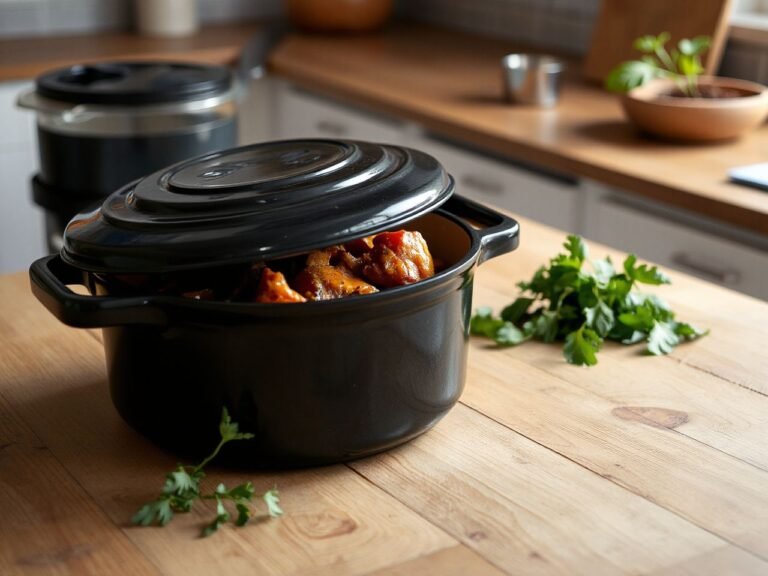
Cheap enamel chips first.
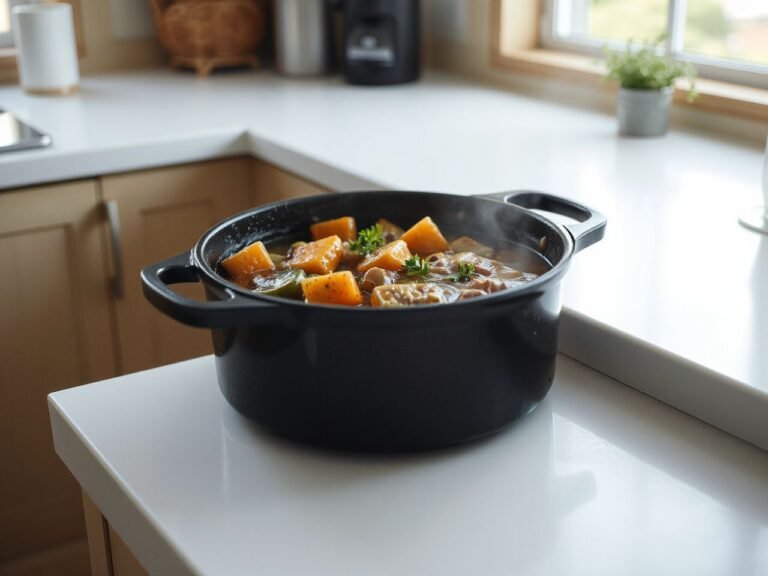
The critical distinction in an enameled Dutch oven is the thickness and uniformity of the enamel coating, which directly affects durability and resistance to thermal shock. Beginners often assume all enameled surfaces are equally tough, but a thin coating on a cheaper pot will chip easily, whereas a quality pot like one from Le Creuset has a thick, even coat that lasts. Also, the underlying cast iron quality determines heat distribution, so the pot’s weight and inner smoothness are visual clues to overall performance.
So if you’re looking for an enameled dutch oven buying guide that skips the marketing noise and tells you what actually matters, this is it.
Key Takeaways
- Enamel thickness and uniformity decide whether your pot chips in six months or twenty years.
- Never put an empty enameled Dutch oven on high heat, and never wash a hot one with cold water.
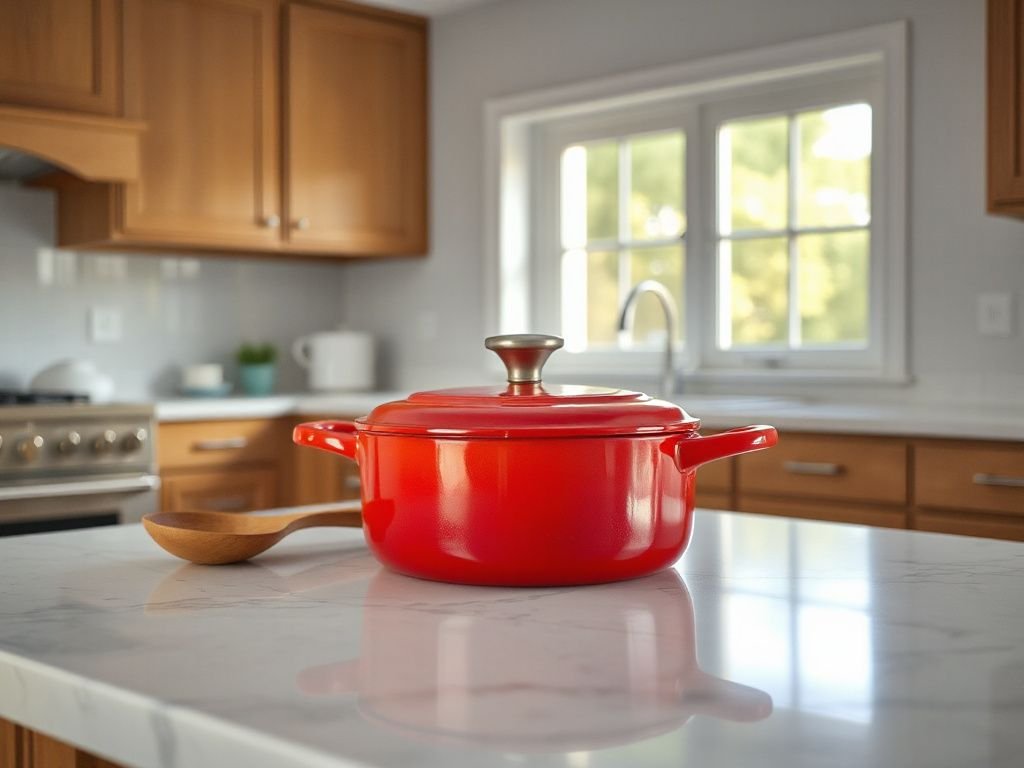
- A 5.5-quart pot handles a family of four and a whole chicken, and its stainless steel knob survives any oven temperature.
Enameled Dutch Oven Buying Guide: The Basics
What You’re Actually Paying For
An enameled Dutch oven is a cast iron pot coated with porcelain enamel. That coating is glass fused to iron at high heat. The glass layer keeps the raw iron from reacting with acidic foods like tomatoes or wine, and it means you never have to season the pot the way you would bare cast iron.
But not all enamel is equal. The U.S. Food and Drug Administration regulates enamel coatings as food-contact materials to ensure they don’t leach harmful substances, but that standard covers safety, not durability. A cheap pot can pass food-safety tests and still have a coating thin enough to chip when you tap a spoon against the rim.
On paper, a $60 pot and a $400 pot both say “enameled cast iron.” The difference is how many times the pot gets dipped in enamel, how the raw cast iron was finished, and whether the rim is protected or left exposed. You pay for that difference every time you lift the lid.
Cast Iron vs. Bare Cast Iron
Bare cast iron needs seasoning. You rub oil into the pores, heat it, and build up a polymerized layer that acts as a natural nonstick surface. Enameled cast iron skips that whole process because the enamel is already a sealed surface. The trade-off is that enamel is not nonstick. Fat or oil is still required to keep food from sticking, and metal utensils can scratch or chip the glass coating.
The underlying cast iron is the same material in both. Cast iron holds heat extremely well but distributes it unevenly. A thick, heavy pot spreads heat more evenly than a thin one, which is why a 5.5-quart Le Creuset weighs around 11 to 13 pounds. If a pot feels light for its size, either the cast iron is thin or the walls are uneven. Both are bad signs.
Weight and Manageability
A typical 5.5-quart enameled Dutch oven weighs between 11 and 13 pounds empty. Add a gallon of stew and that becomes 20 pounds. One person can manage it, but you need two hands and a clear path from stove to sink.
Smaller pots exist. A 3.5-quart version might weigh 8 to 10 pounds, which is easier for one hand. But a 3.5-quart pot is not big enough for a whole chicken or a two-pound loaf of bread. For most home cooks, the 5.5-quart size is the sweet spot between weight and capacity.
Induction Compatibility
Cast iron is magnetic, so any enameled Dutch oven with a flat, smooth base works on an induction stove. The induction burner heats the iron directly through the enamel. A warped or bumpy base will create hot spots and may not make full contact with the cooktop.
Check the bottom of the pot before you buy. It should sit perfectly flat with no rocking. If the store allows it, place the pot on a flat surface and press down on each handle. A wobbly pot is a defect.
Knob Material Matters
The lid knob is the one part people forget to check. Many cheaper Dutch ovens come with a plastic or phenolic knob. That knob is usually oven-safe only to about 400°F, and some lower-tier models cap out at 350°F. If you plan to bake bread at 450°F or sear a roast under the broiler, plastic won’t survive.
A stainless steel knob removes the temperature limit entirely. Le Creuset and Staub put metal knobs on most of their pots. Lodge uses a metal knob on some models but plastic on others, so read the listing. The knob itself is replaceable, but buying a separate metal knob adds cost and hassle.
Brand Quality Differences
Le Creuset charges $300 to $450 for a 5.5-quart pot. Staub runs similar. Lodge charges $60 to $100. On paper all three are enameled cast iron. The difference is in the enamel thickness, the rim treatment, and the warranty.
Le Creuset and Staub apply multiple coats of enamel and polish the exposed rim so it resists rust better. Lodge uses a single coat and leaves a rougher rim that needs more attention. The cheaper pot still cooks well, but it chips sooner and shows wear faster. If you treat your cookware gently and don’t mind spot-seasoning the rim, a Lodge will serve you for years. If you want a pot that survives a decade of hard use without a single chip, the premium brands earn their price. For a deeper look at one budget alternative, see the Milo Dutch oven review.
Intermediate: Sizing, Cleaning, and Storing Without Damage
What Size for Four People?
For a family of four, a 5.5-quart Dutch oven is the standard answer. That size holds enough chili, soup, or braised short ribs for four adults with leftovers. A 7-quart pot works if you cook in bulk or often host guests, but it adds two to three pounds of weight and takes up more cabinet space.
Smaller households can get away with a 3.5-quart pot, but you lose the ability to make a full pot of stock or a large loaf of no-knead bread. The 5.5-quart pot is the most versatile size for a home kitchen.
Can a 5.5-Quart Pot Handle a Whole Chicken?
Yes. A 4- to 5-pound whole chicken fits in a 5.5-quart Dutch oven with room for vegetables around it. The pot is deep enough to cover the bird with liquid for braising, and the heavy lid traps moisture so the chicken steams and roasts at the same time.
If you roast a chicken without liquid, the enameled interior will darken from the rendered fat and skin proteins. That staining is normal and does not affect performance. It also cleans off with a paste of baking soda and water.
How to Clean Without Ruining the Finish
Enameled cast iron does not need scouring. Food that sticks can be loosened by simmering water with a little baking soda for five minutes. Then wipe the pot with a soft sponge. Abrasive cleaners, steel wool, and scouring pads will scratch the glass coating. Once the enamel is scratched, food sticks more and staining becomes permanent.
For stubborn stains, fill the pot with warm water and add a tablespoon of bleach or a dishwasher detergent tablet. Let it soak for an hour, then rinse well. The ASTM International standards for enamel cookware specify resistance to household cleaning agents, but even a compliant coating will dull if you scrub it with metal.
Storage Tips to Avoid Scratches
Never stack another pot inside an enameled Dutch oven without a barrier. The bottom rim of a cast iron skillet will scratch the enamel interior on contact. Use felt pot protectors or a folded kitchen towel between stacked pieces.
Store the lid separately or upside down on top of the pot with a towel in between. The lid rim is also enameled, and banging the lid against the pot edge is one of the quickest ways to chip the glass.
Common Mistakes That Lead to Cracking
Three habits crack enameled cast iron more than anything else. Heating an empty pot on high heat is the first. The cast iron expands faster than the enamel coating, and that stress fractures the glass. Always put oil or food in the pot before you turn on the burner.
The second is plunging a hot pot into cold water. Thermal shock is a real failure mode for glass coatings, and it is completely avoidable. The third mistake is using metal utensils. A metal spoon tapping the rim will eventually chip the enamel exactly where the lid sits. Use wood, silicone, or nylon tools.
If you’re also restocking your baking essentials, our muffin pan buying guide covers what to look for in that category.
Advanced: Preventing Chips, Cracks, and Rim Rust
The Thermal Shock Rule Nobody Follows
Thermal shock is the number one cause of chipped enamel. The coating is glass, and glass expands at a different rate than cast iron. When the pot heats too quickly or cools too suddenly, the glass layer cracks because it cannot flex. This is not a manufacturing defect; it is physics.
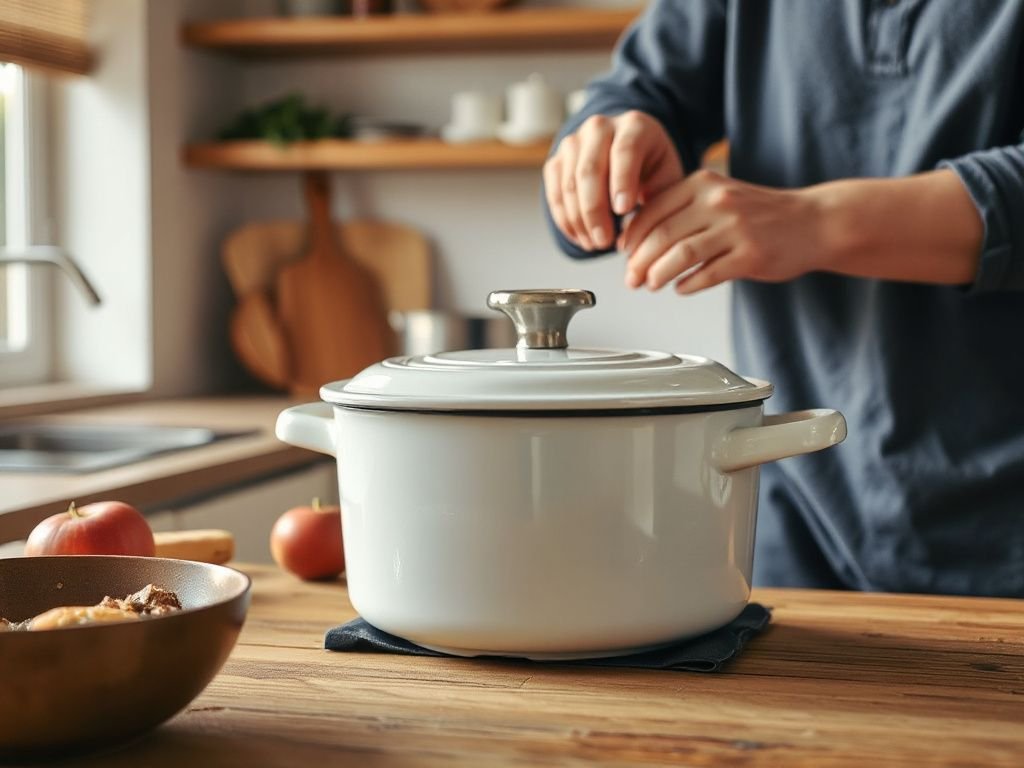
The rule is simple. Start on medium-low heat and raise the temperature gradually. Never put a cold pot on a screaming-hot burner. Never move a hot pot to a cold trivet. And never add ice-cold liquid to a hot pot—add warm liquid instead. An enameled Dutch oven will survive decades if you respect that one rule.
Dealing with the Exposed Cast Iron Rim
Most enameled Dutch ovens have a rim where the lid meets the pot that is not covered in enamel. This exposed cast iron edge is the most vulnerable part of the pot. Moisture from cooking and washing sits on that edge and causes rust.
The fix is called spot-seasoning. Dry the rim thoroughly after every wash, then rub a few drops of cooking oil onto the exposed iron with a paper towel. Wipe off the excess. That thin oil layer prevents rust without creating a sticky buildup. Do this every few uses and the rim will stay clean.
How to Spot Thin Enamel Before You Buy
You cannot see enamel thickness with your eyes, but you can feel it. Run a fingernail across the interior surface. A thick, even enamel coating feels smooth like glass with no ripples or pinholes. A thin coating often shows a wavy texture, especially near the rim. Pinholes are tiny voids where the enamel did not fully cover the cast iron—they look like black specks in the light.
Also check the exterior around the handles. Cheaper pots often have thinner enamel on the outside, and that is where the first chips appear. If the handle edges look sharp or the coating seems translucent, walk away.
Enameled Cast Iron vs. Enameled Steel
Some pots sold as “enameled Dutch ovens” are actually made from enameled steel, not cast iron. Steel is much lighter—a 5.5-quart steel pot might weigh only 4 pounds. That lightness comes at a cost: steel heats and cools faster than cast iron, so it does not hold temperature the same way. A steel pot cannot braise a tough cut of meat for three hours without scorching on the bottom.
Look at the weight. If a “Dutch oven” feels lighter than a comparable cast iron skillet, it is probably steel. Enameled steel is fine for boiling pasta or making soup, but it is a different tool entirely.
Baking and Braising in Your Dutch Oven
A heavy enameled Dutch oven is the best bread-baking vessel a home cook can own. The thick walls and tight-fitting lid create a sealed steam environment that mimics a professional bread oven. No-knead bread baked at 450°F under that lid develops a crackling crust and an open crumb structure.
The same pot braises short ribs for hours at 300°F without drying them out. The cast iron holds heat so evenly that the cooking liquid barely simmers, and the enamel prevents any metallic taste. Once you’ve mastered your Dutch oven, try baking something sweet like these brownie cookie dough sandwich cookies.
Frequently Asked Questions
Is a 5.5-quart Dutch oven big enough for a family of four?
Yes, a 5.5-quart enameled Dutch oven holds about 22 cups of liquid, which is enough for a pot of chili, soup, or braised meat for four adults with leftovers. It also fits a 4- to 5-pound whole chicken with room for root vegetables. If you regularly cook for six or more, step up to a 7-quart pot. Anything smaller than 5.5 quarts limits what you can braise or bake.
Why does the enamel on my Dutch oven chip and how do I prevent it?
Chips happen when the glass coating experiences thermal shock, impact, or metal utensil contact. Heating an empty pot on high, rinsing a hot pot with cold water, and banging a metal spoon against the rim are the three most common causes. Prevent chips by starting on medium-low heat, letting the pot cool before washing, and using wood or silicone utensils. The exposed cast iron rim also needs occasional oiling to prevent rust that can spread under the enamel.
Can I put the Dutch oven lid in the oven if the knob is made of plastic?
Plastic knobs are often oven-safe only to about 400°F, and some cheaper pots cap at 350°F. Check the manufacturer’s marking on the underside of the knob or the product listing. If you want to bake bread at 450°F or use the broiler, replace the plastic knob with a stainless steel one. Stainless steel knobs are safe to any temperature your oven reaches and never degrade over time.