Yes, potato soup can be frozen. But it comes out grainy unless it’s blended smooth first and the cream or milk goes in after thawing. Potato starch breaks down in the freezer. Dairy breaks down on reheating, and those are two separate problems with two separate fixes.
A fully blended soup freezes far better than one with intact chunks. There’s no firm potato structure left to turn mealy. The frozen product works best as a base to be rebuilt at reheating. It isn’t meant to be a finished soup you simply warm up.
Key Takeaways
- Blend the soup completely before freezing, and finish with cream or milk after thawing, so the potato and the dairy are never fighting each other.
- Cool the soup promptly, pack it with headspace, and thaw it in the refrigerator, never on the counter.
- Do not refreeze soup that has already been thawed and heated.
Why Does Potato Soup Change in the Freezer?
Cooked potato changes texture in the freezer. The cause is water inside the starch granules turning to ice and pushing the structure apart. After thawing, that water seeps out and leaves the potato spongy, grainy or mealy.
That’s the starch retrogradation problem. As cooked starch cools and sits, its molecules tighten and push water out. Freezing speeds up the visible effect. A chunk of potato is where it shows most, since the piece has a firm shape that visibly collapses.
The Potato Problem
Intact potato pieces are the part of the soup most likely to disappoint. Freezing turns leftover moisture into ice. The ice crystals that form inside a cooked chunk damage the cell structure around them.
Faster freezing produces smaller ice crystals. Smaller crystals do less damage. That’s one reason to freeze soup in shallow, modest portions instead of one deep block.
The Dairy Problem
Dairy-based soup bases can separate or curdle after thawing. It’s a different failure from grainy potato. The fat and liquid in cream or milk drift apart in the freezer, and reheating can leave a thin, split-looking soup.
Because the two problems are separate, they get separate fixes. Blending handles the potato. Holding back the dairy handles the liquid.
Does the Type of Potato Matter?
Waxy potatoes such as red potatoes hold their shape better than starchy ones. In a blended soup, though, the potato choice matters less than the blending itself. Once the soup is pureed, no firm structure remains to turn grainy.
- Russet potatoes: very starchy and fluffy when cooked, which makes a thick soup but a mealy chunk after freezing. Best blended completely.
- Yukon Gold potatoes: a middle ground with a creamy, buttery texture that blends smoothly and tolerates freezing well in a puree.
- Waxy potatoes such as red potatoes: firmer and less likely to fall apart, so they are the better pick if some pieces must stay in the soup.
A smooth soup made from Yukon Gold or russet is a safe bet. If you really need chunks, waxy potatoes are the more forgiving choice. They’ll still soften, though.
Is Pureed Potato Soup Better for Freezing Than Chunky?
Pureed potato soup freezes better than chunky soup, since blending removes the firm potato pieces that would otherwise turn grainy. An immersion blender makes this easy straight in the pot.
Blend until no visible pieces remain. Then check the texture on a spoon. Any lump that survives blending will change in the freezer.
Soup With Bacon, Cheese or Chives
Bacon, cheese and chives are best left out of the batch headed for the freezer. Bacon turns chewy and loses its crisp. Cheese can go grainy or oily on reheating, and fresh chives lose their colour and bite.
Treat them as toppings added at serving. The frozen base stays plain and flexible, and the finishing touches taste fresh.
Should You Freeze Potato Soup Before or After Adding Dairy?
Freeze the soup before adding heavy cream or milk. Stir the dairy in while reheating. That keeps the base stable and lets the cream go in fresh, so it never has to survive the freezer.
Soup that already contains dairy can still be frozen, but expect some separation. A vigorous whisk during gentle reheating often brings it back together. Still, the result will rarely match one finished with fresh cream.
Thickeners
Roux or flour thickeners generally hold up better in the freezer than a soup thickened only by potato starch. A cornstarch slurry is useful in a different way. It can be whisked in during reheating to tighten a soup that turned thin.
Since thickening can be adjusted at reheating, there is no need to push the soup to its final thickness before freezing.
How Do You Cool Potato Soup Before Freezing?
Cool potato soup quickly. Don’t leave it sitting at room temperature for long, since slow cooling gives bacteria time to grow. Hot soup put straight into the freezer also warms nearby food.
The goal is to cool it fast, then chill it fully before freezing.
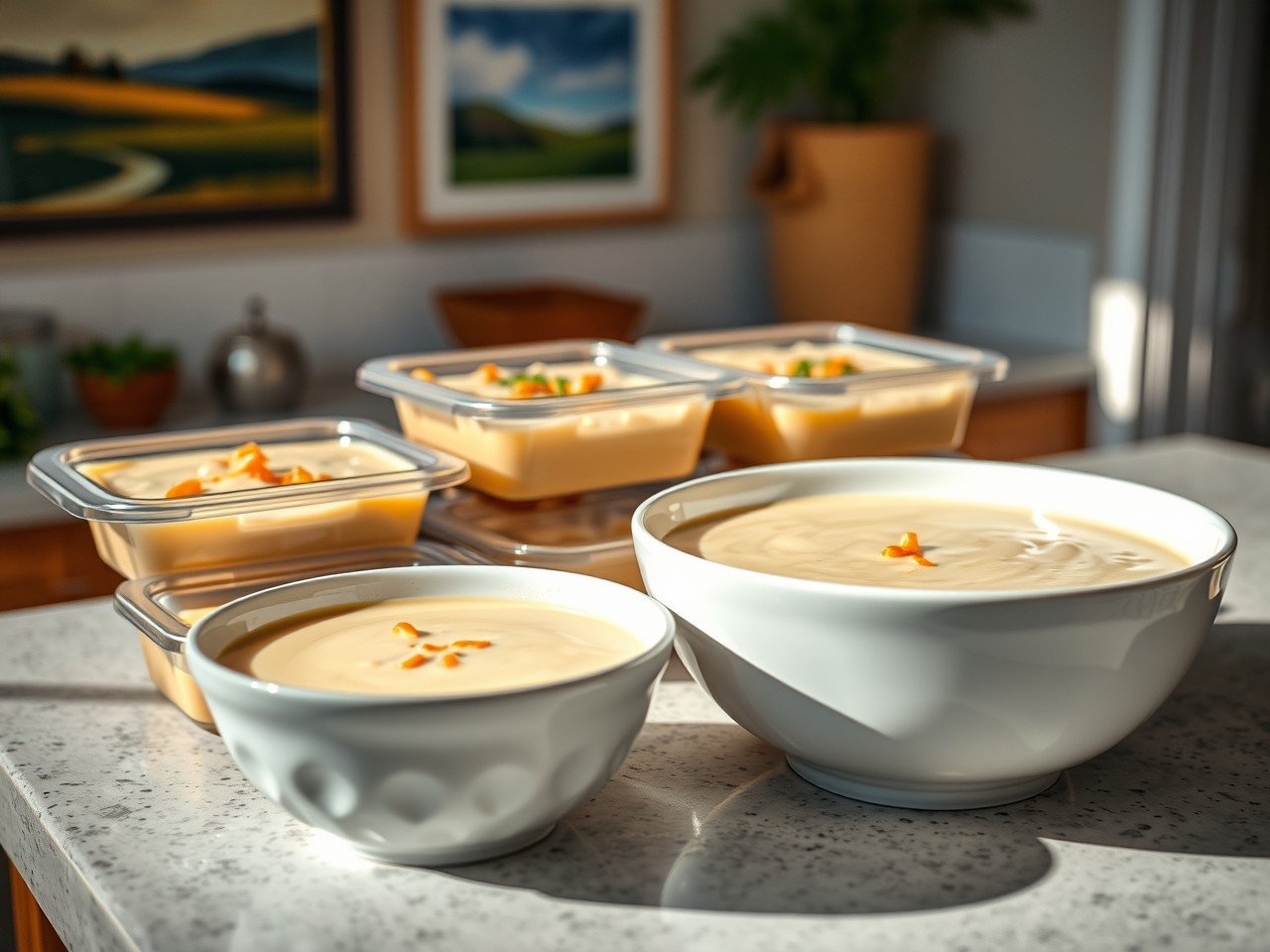
- Divide the soup into shallow containers so heat escapes faster than from one deep pot.
- Let the steam subside, then move the containers into the refrigerator.
- Freeze only once the soup is fully cold.
For the exact time and temperature limits on safe cooling, check the guidance from the USDA Food Safety and Inspection Service rather than relying on memory. Those numbers are set by the agency and are worth looking up directly.
What Is the Best Container for Freezing Potato Soup?
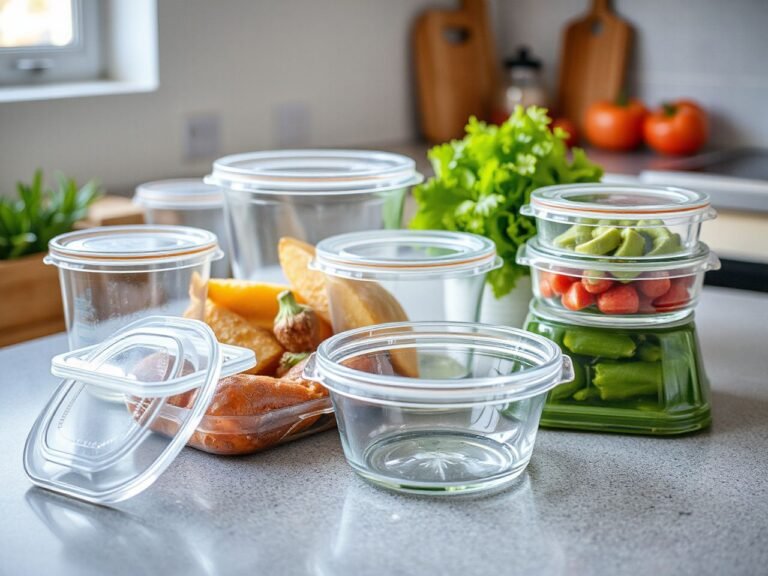
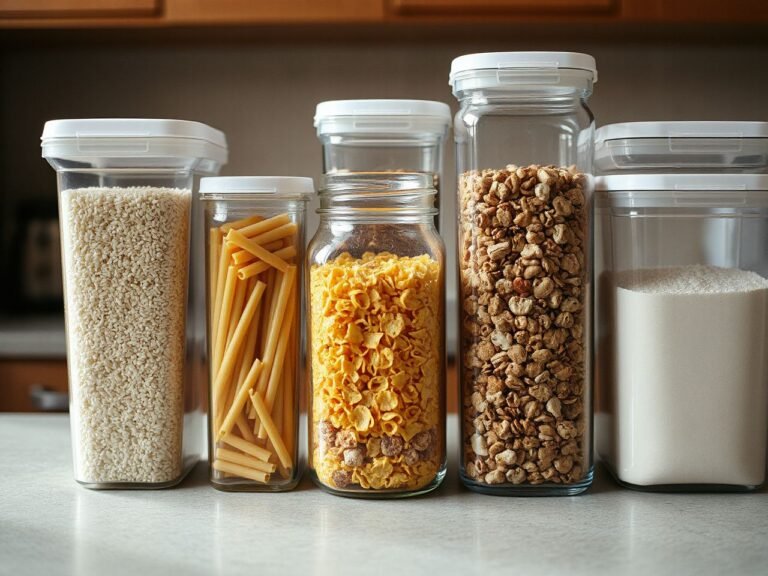
Freezer-safe airtight containers are the most reliable choice for potato soup. Zip-top freezer bags work as a space-saving alternative. Either must seal fully, since a weak seal lets in air and leaks liquid.
A container that will sit on its side or be stacked overnight earns trust only after the lid is checked. Press the lid down all the way and run a finger around the rim to feel for gaps. Look for a gasket or a lid that snaps with a firm click. A lid that sits loosely or flexes at one corner is a leak waiting to happen once the soup is tipped sideways.
Rigid Containers or Bags
- Freezer-safe airtight containers: stack neatly, resist crushing, and are easy to reheat from. A cracked lid or warped rim means the seal is no longer dependable.
- Zip-top freezer bags: freeze flat and thaw quickly, but a bag can burst if overfilled. Press out the air and seal along the full track.
Bags laid flat on a tray freeze into thin slabs. Once they’re solid, they can stand up like files. That saves shelf space and speeds up thawing.
How Much Headspace?
Leave empty space at the top of every container, because liquid expands as it freezes. Without that room, the pressure can crack a rigid container. It can also push off a lid or burst a bag.
The maker of the specific container often marks a fill line, so follow that mark. If none exists, fill noticeably short of the rim instead of to the top.
How Long Does Frozen Potato Soup Last, and How Can You Tell It Has Gone Bad?
Frozen potato soup stays safe for a long time, but its quality declines the longer it sits. Use it within a modest window and label every container with the date. For current figures, check the guidance from the U.S. Food and Drug Administration or the USDA.
Freezing suppresses the development of most bacteria by turning leftover moisture into ice. But it doesn’t make food permanently good. Quality is what fades first.
- Dry, white or leathery patches on the surface point to freezer burn, often from trapped air.
- A sour, off or sharp smell after thawing is a reason to discard the soup.
- Any container that leaked, thawed partly and refroze should not be eaten.
Portioning into single servings cuts freezer burn, because less air touches the soup and each portion is thawed only once.
How Do You Thaw and Reheat Potato Soup Without It Separating?
Thaw potato soup in the refrigerator, since slow thawing is safer. Reheat it gently while stirring, because gentle heat keeps the texture smooth. Never thaw it on the counter.
Counter thawing is risky. The outside can warm to an unfrozen state while the centre stays frozen, and that gap is where bacteria find room to grow.
Step-by-Step Reheating
- Move the container to the refrigerator and let it thaw fully.
- Tip the soup into a pot over low to medium heat.
- Stir often, breaking up any icy pockets as they melt.
- Whisk or use an immersion blender briefly to bring the texture back together.
- Stir in cream or milk near the end, warming it without a hard boil.
- Check that the soup is hot all the way through with a food thermometer, against the temperature your food-safety authority gives.
Soup thawed in the refrigerator can be heated on the stove or in a microwave, with frequent stirring so there are no cold centres.
Can You Refreeze It?
Don’t refreeze potato soup once it’s been thawed and heated. Refreezing doesn’t kill pathogens. Only the portion needed should be thawed. That’s another reason to freeze it in small amounts.
If a batch was frozen as a dairy-free base and only partly used, the leftover thawed portion still follows the same rule. Heat and eat it, or discard it.
How Do You Fix Watery or Grainy Potato Soup After Reheating?
Grainy potato soup can usually be smoothed with an immersion blender. Watery soup can be tightened with a cornstarch slurry or a short simmer, and both fixes are easier since the dairy goes in last.
| Problem | Likely cause | Fix |
|---|---|---|
| Grainy or mealy | Potato chunks damaged by ice crystals | Blend thoroughly with an immersion blender |
| Watery | Water released from potato during thaw | Simmer gently, or whisk in a cornstarch slurry |
| Split or curdled | Dairy separated in the freezer or overheated | Whisk over low heat; add fresh cream at the end |
| Too thick | Starch tightened during storage | Loosen with a little milk, cream or stock |
A slurry should be mixed in cold liquid first, then stirred into the simmering soup, not dumped dry into the pot. That prevents lumps.
Make-Ahead Planning and Freezer Organisation
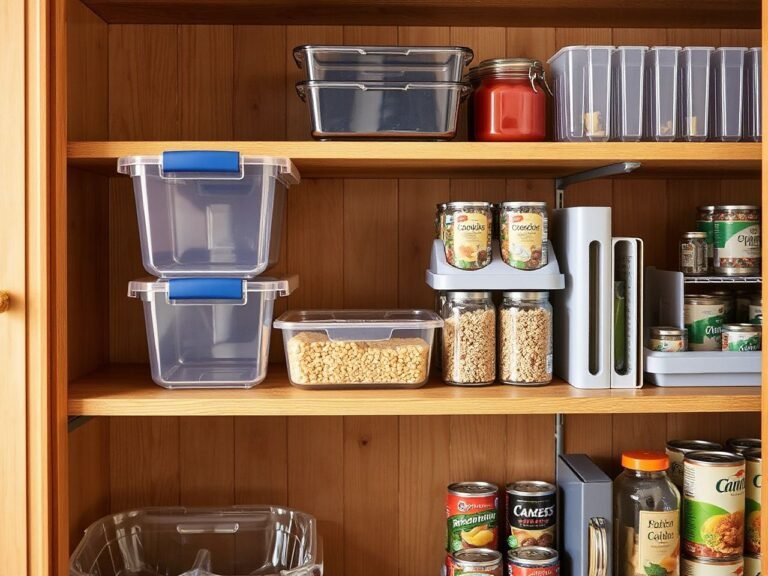
Treat the freezer like a small pantry and frozen soup gets easier to use. Flat bags in a labelled bin, or matching rigid containers stacked in one zone, keep portions visible. They stop the oldest from being buried.
The same base-first thinking applies to other cream-based soups and sauces, and to cooked dishes in general. Freezing chicken salad involves a similar texture trade-off, where the dressing is the weak point instead of the potato. For a soup that’s easy to build in one pot, a one-pot chicken dumpling soup offers another base to cook ahead.
When a slow cooker is part of the routine, it’s worth knowing whether a slow cooker can run overnight. It’s especially relevant before you cook a big batch of soup that way.
Quick Checklist Before Freezing
- Soup is blended smooth and fully cooled.
- Dairy, bacon, cheese and chives are left out.
- Container lid seals fully, with the rim clean and the lid snapped down.
- Headspace is left at the top.
- The label shows the contents and the date.
The Bottom Line
Potato soup freezes well when you treat it as a smooth base. Blend it, cool it fast, and pack it with room to expand. Once it’s thawed and warm, finish it with fresh dairy, and skip the chunks and toppings in the freezer. Whisk a few minutes at the stove. That restores most of the original texture.