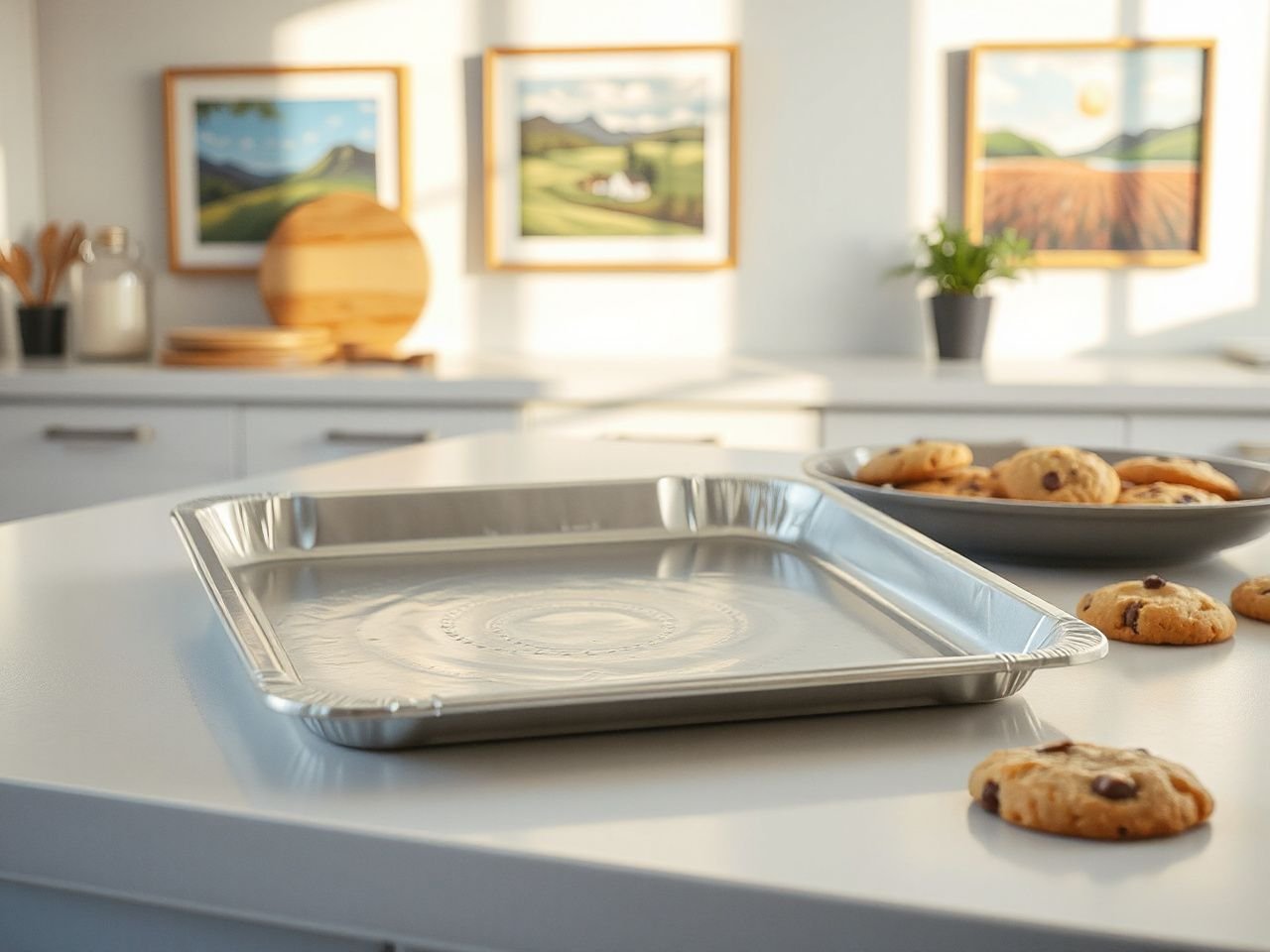
Worrying about a metallic taste, dark marks, or a scratched surface can make an ordinary baking sheet seem unsafe. Aluminum is usually fine for oven baking, but the surface and the food touching it really matter.
The key distinction is between aluminum’s ordinary use as an oven-baking surface and situations that increase contact or transfer, especially acidic or salty foods, prolonged storage, and damaged or coated surfaces. Separate food-safety concerns from harmless discoloration, staining, and warping. Bare, anodized, and coated aluminum should be viewed as different materials rather than one. Comparing materials? This aluminum versus stainless steel baking sheet guide offers useful context.
Key Takeaways
- Aluminum baking sheets are generally suitable for ordinary oven baking.
- Acidic or salty foods can increase aluminum transfer from a bare surface.
- Discoloration and staining are not automatically signs of a toxic hazard.
- Do not use aluminum baking sheets in a microwave oven, and follow the maker’s instructions for damaged coatings or severe pitting.
Are aluminum baking sheets safe for ordinary oven baking?
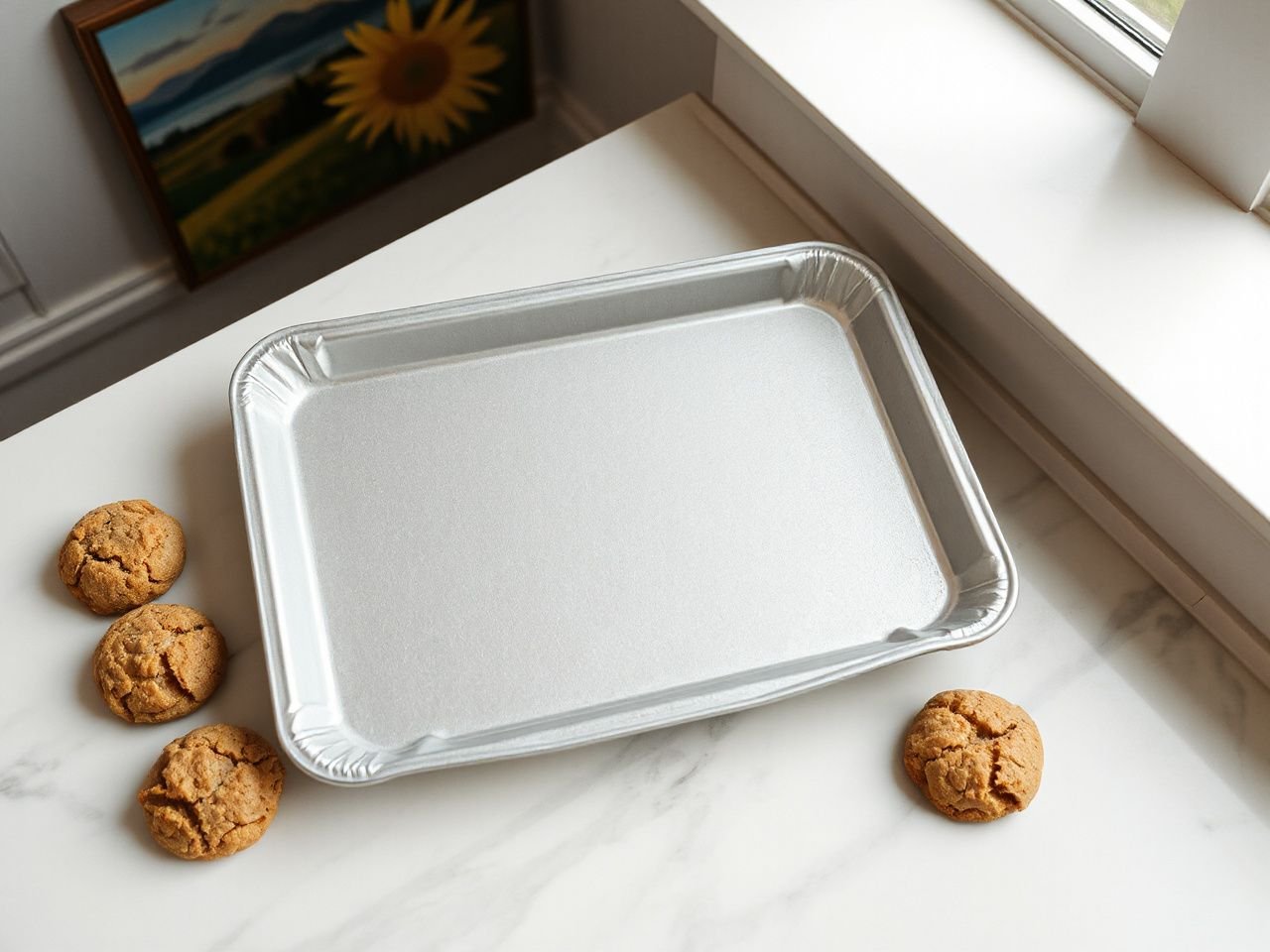
A bare aluminum baking sheet is generally safe for direct oven baking when the surface is intact and the food isn’t left in prolonged contact. Aluminum heats quickly and distributes thermal energy evenly, which is why it’s popular for baking surfaces.
My first check is always heat distribution. A pan that spreads heat evenly is less likely to cause hotspots, scorching, or uneven cooking. Safety matters, but strong hot spots also make it hard to judge what’s happening to the food and the surface.
What transfers from aluminum into food?
Food contact with bare aluminum can cause some aluminum to transfer. The amount may increase with acidic or salty foods. The biggest concern is when a reactive ingredient sits directly on bare aluminum for a long time. Short baking contact usually isn’t as risky.
Acidic and salty foods can increase aluminum transfer from bare baking surfaces. Tomato-based mixtures, citrus-heavy preparations, and strongly salted foods need more care than dry dough or foods separated from the pan by parchment paper.
This does not mean every mark or taste proves dangerous contamination. A metallic taste can signal an interaction between the food and the bare surface, but stains and darkening may simply reflect oxidation or repeated use. The observable clue is useful, yet it should not be treated as a laboratory result.
Is direct contact with food acceptable?
For regular baking, direct contact with an intact bare aluminum sheet is usually okay. Be more careful with wet, acidic, or salty foods, especially if the recipe or storage leaves the food touching the pan after baking.
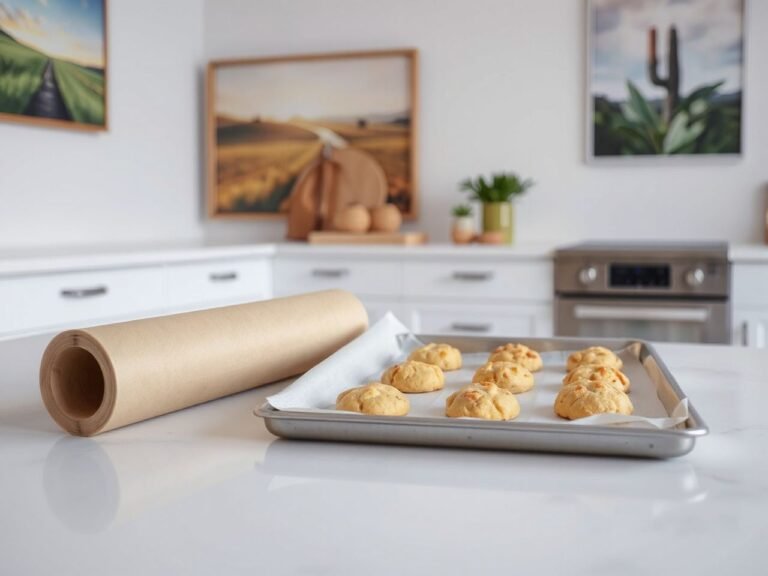
Parchment paper creates a useful separation between the food and the metal. A silicone baking mat can also reduce direct contact, provided the mat is intact and its own care directions allow the intended use. Neither layer turns a damaged pan into a suitable food-contact surface.
The U.S. Food and Drug Administration provides food-contact safety information and is the appropriate government source for general regulatory guidance rather than relying on a pan’s appearance alone. Manufacturer instructions still matter because bare, anodized, and coated surfaces have different care requirements.
Why aluminum heats differently from stainless steel
Aluminum conducts heat faster than stainless steel, while stainless steel resists corrosion and rust and has a low likelihood of reacting with acidic foods. Those differences affect baking behavior and food contact, but they do not make one material automatically safe and the other automatically unsafe.
Aluminum’s rapid heat conduction can help spread thermal energy across the sheet. Stainless steel responds differently, so the same recipe may brown in a different pattern. For a closer material discussion, read how dark and light baking sheets affect baking results.
Glass baking dishes and silicone baking sheets also change how food contacts the cooking surface. They should be judged by their own instructions, not used as proof that every aluminum sheet has the same behavior.
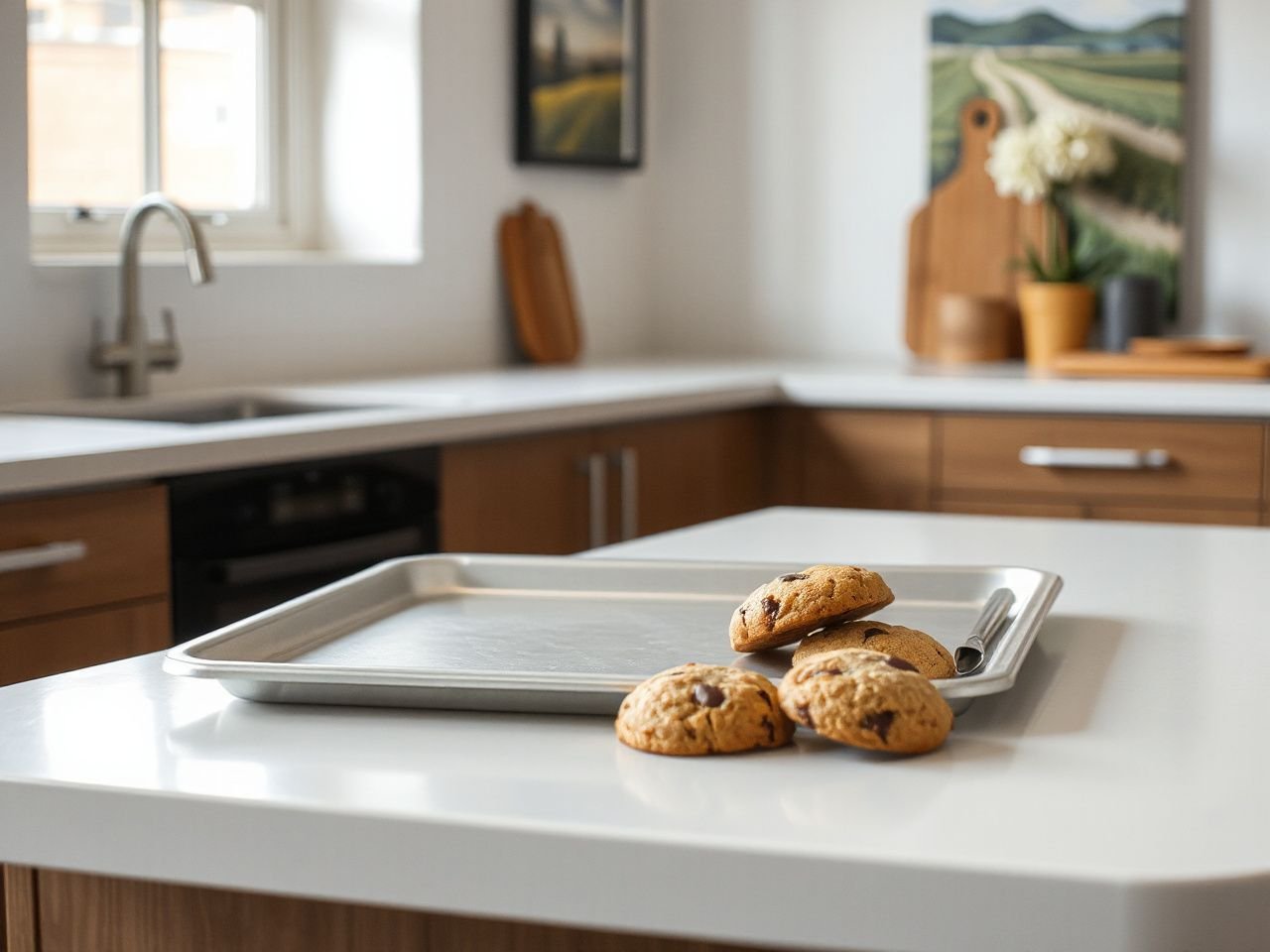
Causes of aluminum transfer, discoloration, and surface changes
Aluminum baking sheets do not all present the same food-contact surface. A bare aluminum sheet, an anodized aluminum sheet, and a coated nonstick sheet should never be grouped together simply because aluminum appears somewhere in their construction.
Bare aluminum
Bare aluminum has an exposed metal cooking surface. It conducts heat rapidly, but acidic or salty foods can react with that surface and increase transfer. Direct contact is less concerning with dry foods and short baking sessions than with wet, acidic mixtures that remain on the sheet.
Cleaning also affects appearance. Dishwasher detergents can discolor or attack bare aluminum. A gray, dull, or darker finish after washing can therefore be a material reaction or appearance change rather than evidence of a toxic hazard.
Dishwasher damage to bare aluminum can change the pan’s appearance without proving that the pan has become toxic. The distinction matters because harmless discoloration should not be confused with flaking, deep pitting, or a surface that is breaking down.
Anodized aluminum
Anodized aluminum has a treated surface that differs from bare aluminum. The treatment changes the food-contact layer, so care instructions should be followed for that particular pan rather than copied from advice for untreated metal. Always check what the manufacturer recommends for cleaning.
An aluminum oxide layer is associated with the treated surface of anodized aluminum, but the practical check is simpler: identify the surface described by the manufacturer and look for damage. Don’t assume that a pan labeled anodized can be scrubbed, soaked, or placed in a dishwasher unless the instructions say it’s okay.
Anodized aluminum may reduce the direct interaction associated with exposed bare metal, but “anodized” isn’t a reason to ignore scratches, chips, severe pitting, or instructions to avoid certain foods or cleaning methods. Damage can still happen despite the treatment.
Coated aluminum
Coated aluminum has a separate layer over the aluminum. A nonstick baking sheet can be easier to release food from, but the coating becomes the surface that needs inspection. Look for signs of wear or damage.
Some nonstick surfaces are vulnerable to excessive heat, abrasive cleaning tools, and metal utensils. A worn coating should not be treated like bare aluminum because the issue is no longer just food reacting with exposed metal. Damaged coatings can cause problems.
Discoloration, stains, and metallic taste
Discoloration on aluminum baking sheets can come from dishwasher detergent, oxidation, baked-on residue, or contact with ingredients. A stain alone isn’t the same as severe pitting or a loose coating.
A metallic taste deserves more attention than a cosmetic gray mark because it may indicate a reaction between food and the surface. If the taste appears after contact with acidic or salty foods on bare aluminum, switch to parchment paper, a silicone baking mat, or a different food-contact surface for that recipe.
Aluminum foil creates the same basic contact question as a bare aluminum sheet. Acidic and salty foods can increase interaction with exposed aluminum. Separating food from the metal reduces direct contact, but it doesn’t make long storage on a damaged surface a good idea.
Solutions for safer use and sensible cleaning
Step 1: Identify the surface
Start by reading the manufacturer’s description or care label. Look for wording that identifies the sheet as bare aluminum, anodized aluminum, coated aluminum, or another material.
- Bare aluminum: limit prolonged contact with acidic or salty foods and avoid harsh cleaning products.
- Anodized aluminum: follow the specific care instructions for the treated surface.
- Coated aluminum: protect the coating from metal utensils, abrasive tools, and excessive heat where the instructions warn against them.
Surface identification is the first safety check for an aluminum baking sheet. A cleaning method that’s okay for one surface can discolor, scratch, or damage another.
Step 2: Reduce direct contact when the recipe calls for it
Use parchment paper for acidic, salty, or wet foods that would otherwise sit directly on bare aluminum. A silicone baking mat is another contact barrier. Check the manufacturer’s instructions for the mat before use.
Don’t store food on the sheet for a long time just because you’ve used a barrier. Transfer baked food to an appropriate storage container once it’s practical, especially if the food is acidic or salty.
Readers comparing silicone with other surfaces can review what to know about silicone baking mat safety. The key point is simple: the mat and the sheet are separate materials, so each needs its own care instructions.
Step 3: Clean according to the surface
For bare aluminum, gentle hand cleaning is usually safer when the manufacturer doesn’t approve dishwasher use. Don’t assume that dishwasher convenience is harmless; detergents can discolor or attack bare aluminum.
For anodized or coated sheets, use the method recommended by the manufacturer. Abrasive scouring can change the surface, and metal utensils can damage nonstick coatings. A soft cleaning tool and careful residue removal are better than aggressive scraping.
Cleaning and seasoning bare aluminum cookware are separate subjects. Do not apply a seasoning routine intended for another material unless the manufacturer specifically describes it for that sheet.
Step 4: Inspect before the next bake
Run a visual check over the cooking surface, edges, and corners. Look for deep pits, flaking, peeling, loose coating, sharp damage, or exposed material beneath a coating.
- Light staining or dulling may be cosmetic.
- Small scratches require surface-specific care rather than an automatic conclusion.
- Severe pitting, flaking, or a damaged coating calls for the manufacturer’s instructions.
- A warped sheet should be checked for stability and for changes in contact with the oven rack.
A warped sheet isn’t automatically toxic, but it can sit unevenly and make heat distribution less predictable. Since hot spots are a concern, a sheet that rocks, bows, or no longer sits securely should get replacement guidance from the manufacturer before further food use.
Step 5: Keep baking separate from microwave use
An aluminum baking sheet should not be used in a microwave oven because metal can cause arcing and damage. A baking sheet suitable for a conventional oven isn’t automatically safe for microwave heating.
The U.S. Consumer Product Safety Commission is a government source for consumer-product safety information, while the appliance manual provides the instructions specific to a microwave oven. Move food to a container identified as microwave-safe instead of transferring the metal pan into the microwave.
Preventive measures for damaged, warped, or heavily used sheets
When should an aluminum sheet be replaced?
Replacement is the sensible path when a coating flakes or lifts, when severe pitting has developed, or when the manufacturer says the damaged surface is no longer suitable for food contact. Exposed underlying material matters most on coated sheets because the intended contact layer is no longer intact.
Small cosmetic marks don’t automatically mean you should throw it out. A stained bare sheet can still be a usable baking surface if the metal is sound, the sheet is stable, and the food and cleaning methods match the instructions.
Severe pitting, flaking, or exposed underlying material requires manufacturer guidance before further food use. Do not guess based only on whether the pan still looks clean.
How warping affects the safety decision
Warping mainly affects stability and heat distribution. A bent sheet might not sit flat, could shift when loaded, or might bring food closer to one part of the oven’s heat than another.
Check if the sheet rests securely and if the cooking surface stays predictable. If the pan rocks or has sharp edges from damage, stop using it until the maker’s instructions clarify if it’s still suitable. Measure the opening first.
Is stainless steel safer than aluminum?
Stainless steel usually doesn’t react with acidic foods and resists corrosion and rust. Aluminum conducts heat faster, so it may spread thermal energy differently across the baking surface. Enamel won’t rust.
Neither material should be labeled simply as safe or unsafe. The food, contact time, surface condition, cleaning method, and appliance all matter. Stainless steel can still have coatings or damage, and an intact aluminum sheet can be suitable for ordinary oven baking.
Why surface condition matters more than appearance
A shiny, clean sheet isn’t automatically safer than a dull one. Appearance can change through dishwasher exposure, oxidation, staining, or baked-on residue, but this doesn’t reveal the full condition of the food-contact surface. Check the actual surface.
Inspect texture and integrity instead. Flaking, peeling, deep pits, and exposed layers are more meaningful warning signs than ordinary darkening. Hot spots also deserve attention because uneven heating can affect browning and cooking consistency even when the surface appears intact.
For those assessing baking performance and material, a guide to what matters in a cookie baking sheet can help frame heat-distribution questions without turning safety into a product contest.
Frequently Asked Questions
Are aluminum baking sheets safe for acidic foods?
Acidic foods can increase aluminum transfer from bare surfaces, so direct contact needs caution. Use parchment paper, a silicone baking mat, or another approved surface for acidic recipes. Avoid prolonged storage on bare aluminum. Anodized and coated sheets are different, so follow their specific care instructions rather than applying bare-aluminum advice.
Is anodized aluminum safer than bare aluminum for baking?
Anodized aluminum has a treated food-contact surface, while bare aluminum exposes the metal directly. This difference can reduce interaction associated with exposed aluminum, but anodized sheets still need surface-specific care. Scratches, severe pitting, flaking, or exposed underlying material should be handled following the manufacturer’s instructions.
Can aluminum baking sheets go in the dishwasher?
Don’t assume an aluminum baking sheet is dishwasher-safe. Dishwasher detergents can discolor or damage bare aluminum, changing its appearance and possibly harming the surface. Always check the manufacturer’s instructions first. Hand cleaning is safer if dishwasher approval isn’t given. Coated and anodized sheets might have different rules.
Can aluminum baking sheets go in a microwave oven?
No, an aluminum baking sheet shouldn’t go in a microwave oven. Metal can cause arcing and damage inside microwaves. Just because it’s suitable for a conventional oven doesn’t mean it’s safe for microwave use. Use a container labeled microwave-safe for hot food, and follow the microwave manual about any metal.