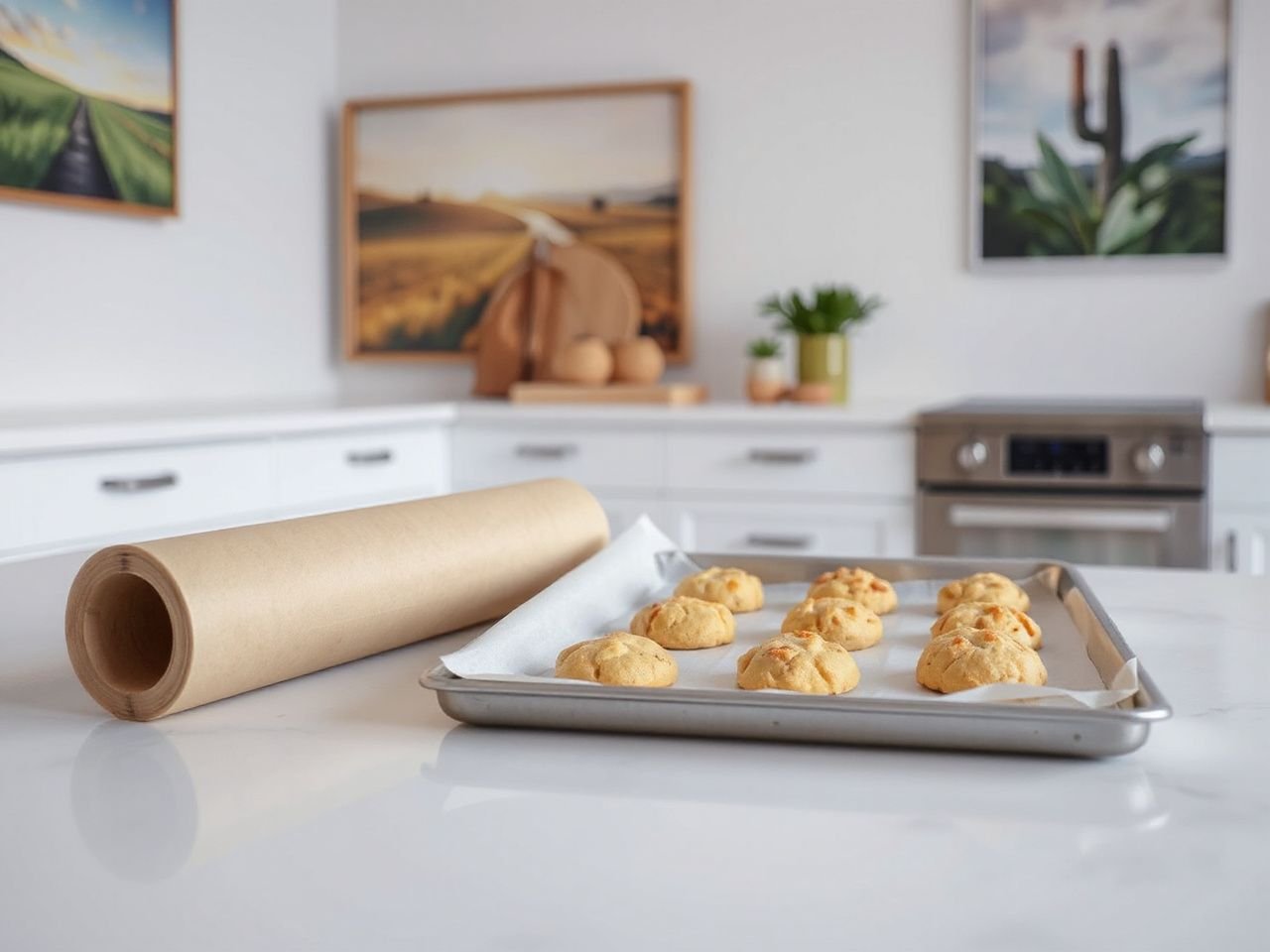
A parchment sheet can stay stable in heat as high as 420 °F (216 °C). Its main job, though, is much simpler: it separates food from the baking sheet. That difference really matters. When asking what does parchment paper do in an oven, start with its release function. Then think about cleanup and handling. Silicone-coated parchment creates a barrier between food and the pan. Wax paper, aluminum foil, and bare metal behave differently.
I’d look at the pan before the recipe. A rough surface, a thin layer of batter, or sticky sugar-rich dough can decide if food releases cleanly. Parchment paper helps baked goods come off intact, but it doesn’t make every food totally nonstick. Heat exposure, reuse, and food contact are compatibility questions. They aren’t assumptions to make about every paper liner.
Key Takeaways
- Parchment paper forms a nonstick barrier that helps food release from a baking sheet.
- Silicone-coated parchment is different from wax paper, which is not an interchangeable oven liner.
- Parchment can reduce greasing and cleanup, but exposed spills can still soil the baking sheet.
- Check the package heat limit, keep parchment away from broilers and open flames, and discard sheets that are burnt, greasy, torn, or heavily soiled.
What Does Parchment Paper Do in an Oven?
It separates food from the baking sheet
Parchment paper is a heat-resistant, nonstick paper made from cellulose-based material. It’s processed to resist heat, humidity, and grease. Silicone coating or a quilon treatment gives the nonstick quality in some varieties. The sheet sits between the food and the metal surface, creating a physical barrier. This reduces direct contact between the food and the pan.
That barrier changes how you release food. Cookie dough can stay firm against the paper instead of bonding directly to the baking sheet. Delicate baked items can be lifted or slid away with less disturbance. Parchment paper helps foods come off the baking sheet by limiting direct contact with the pan.
The paper doesn’t promise perfect release every time. A sugary spill can stick to the sheet itself. A torn liner might expose the pan. Food that spreads beyond the paper can stick to the bare metal. If the pan is warped, dirty, or poorly suited to the recipe, parchment won’t fix every problem.
It changes handling after baking
A sheet of parchment gives you an edge to grip once the food cools enough to handle safely. Cookies can be moved with the liner still underneath. A slab-style baked good can sometimes be transferred by supporting the paper. That’s especially helpful for fragile items that might break if lifted directly with a spatula.
The paper also keeps much of the food from touching the pan. That can make washing easier, but the baking sheet might still need cleaning after oil, batter, sauce, or crumbs escape around the edges. Parchment reduces cleanup, but it doesn’t make the baking sheet permanently clean.
It is not a heat shield for every situation
You should match parchment to the heat limit printed on its package. Some varieties stay stable to 420 °F (216 °C). But that doesn’t set a universal limit for every brand or type. Always follow the package instructions for safe use.
Parchment paper shouldn’t go under a broiler, against an oven heating element, or over an open flame. Direct radiant heat and flames can damage it, which differs from normal baking conditions. If a recipe calls for broiling, use cookware and a lining method meant for that purpose, not parchment as a heat barrier.
The U.S. Consumer Product Safety Commission provides public safety information about fire and burn hazards, so its guidance is a useful reference for handling paper and heat around cooking equipment. The practical check remains straightforward: keep the liner flat inside the pan, away from exposed heating elements, and within the product’s stated heat range.
How Parchment Paper Prevents Sticking
The coating supplies the release surface
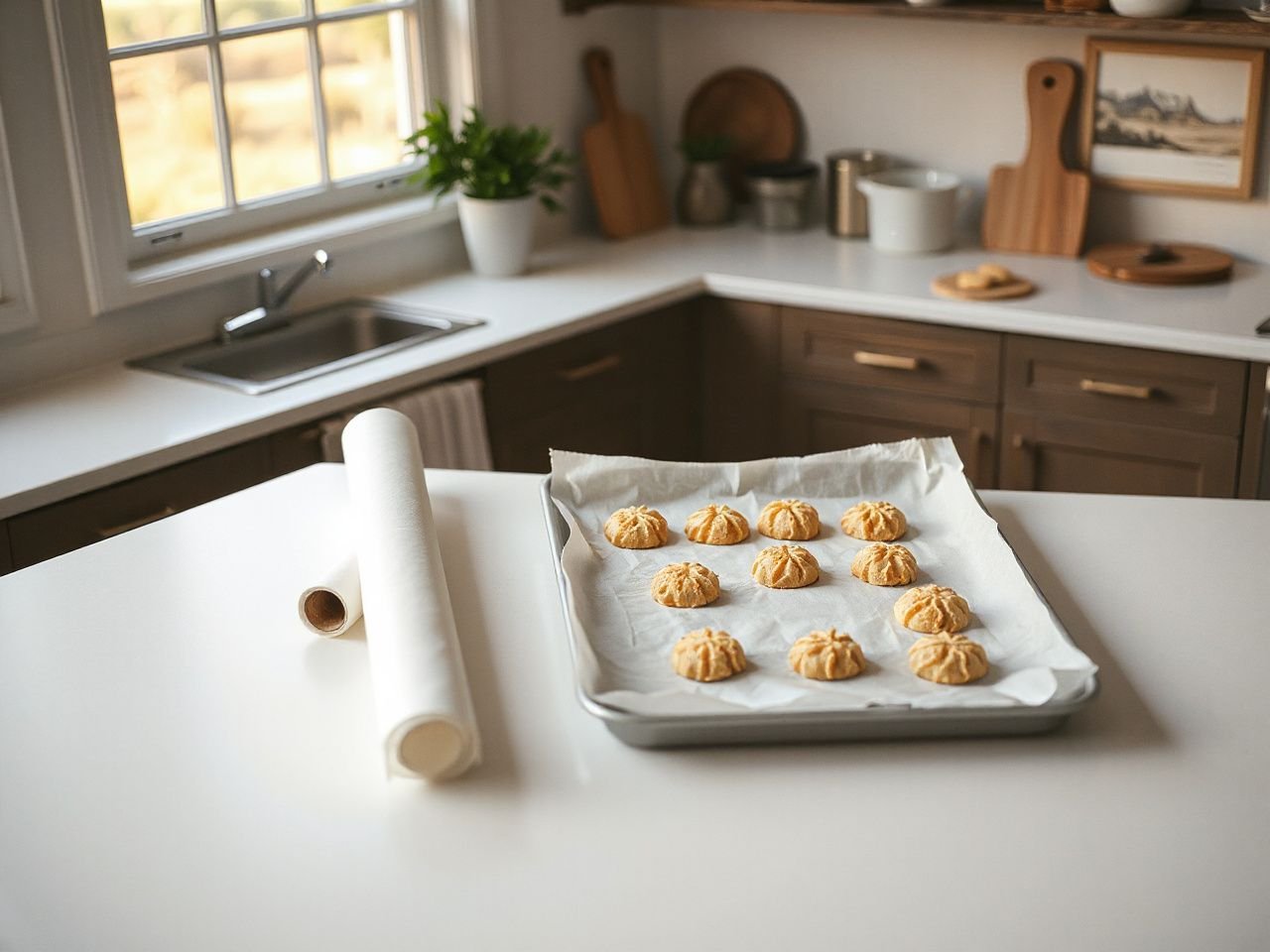
Cellulose fibers form the paper base, while a silicone coating or a quilon treatment can provide the nonstick surface. Silicone helps food release by presenting a surface to which baked goods are less likely to bond than they might to bare metal. The result is a cleaner lift, especially for cookies and other foods that are firm enough to move but delicate enough to tear.
That explanation is more helpful than just calling parchment nonstick. The sheet still has a surface, and food can stick to it if conditions aren’t right. Burnt residue, leaked batter, and greasy buildup can all affect how easily the next batch releases.
Greasing and parchment solve different pan problems
Parchment can often replace greasing on flat baking sheets because it provides a separation layer. Greased sheets use fat between the food and the metal, while parchment itself acts as the barrier. Some recipes still call for greasing, like when the batter needs help climbing a cake pan wall, or the paper needs to stay in place, or the recipe explicitly asks for a greased surface.
Greasing and flouring cake pans is a separate technique from lining a baking sheet with parchment. Cake batter may need contact with the sides of the pan for structure or height. Parchment on the bottom mainly helps the finished cake release. Check the recipe’s method instead of assuming parchment replaces all pan prep.
Parchment can cut down on the need for greasing a baking sheet, but it doesn’t guarantee easy release every time. If the sheet is too small, folded into a wrinkle, or has cooked-on residue, it can still be tricky to remove the food.
Paper, metal, and silicone do not behave alike
Aluminum foil is a metal sheet and conducts heat well. It can be useful for covering food when needed, but it doesn’t offer the same release surface as silicone-coated parchment. Food can stick to foil, especially if the recipe has sugars or a wet mixture.
A silicone baking mat is a reusable liner made for baking. Parchment is a disposable paper liner that might sometimes be reused. The two materials can give different results because they have different surfaces and handling qualities. The guide Parchment Paper vs Silicone Baking Mat: How They Compare can help determine which liner fits a specific baking routine.
Wax paper is not parchment paper
Wax paper has a wax coating, and that coating can melt or smoke in oven conditions. Wax paper isn’t a good substitute for parchment paper on a baking sheet. It might be useful for non-oven food prep, but the package’s intended use should guide where it goes.
Choosing and Using Parchment for Different Foods
Cookies and cookie dough
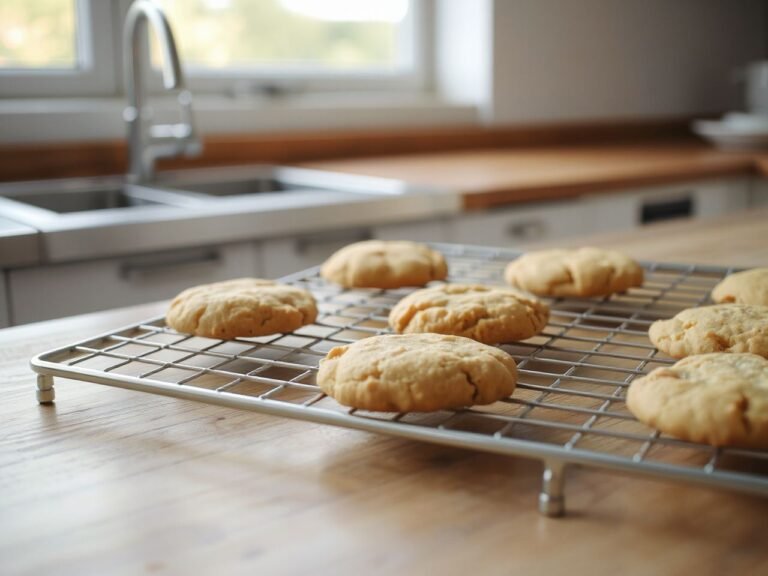
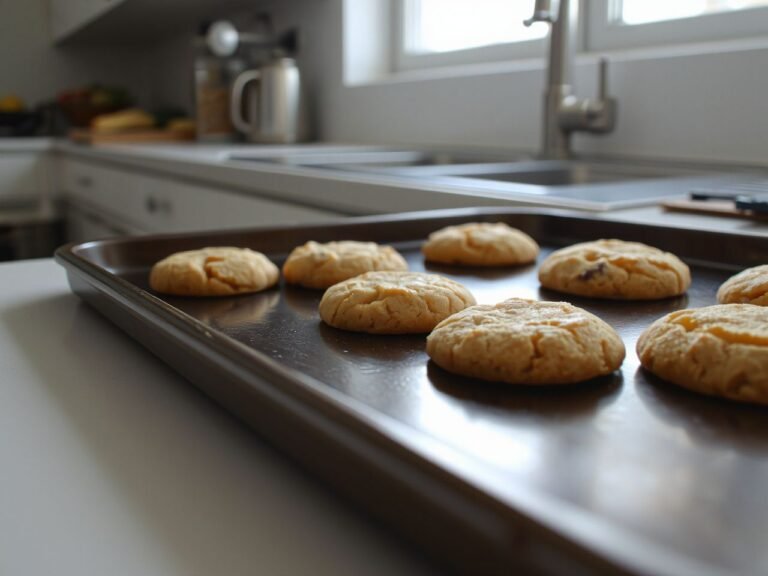
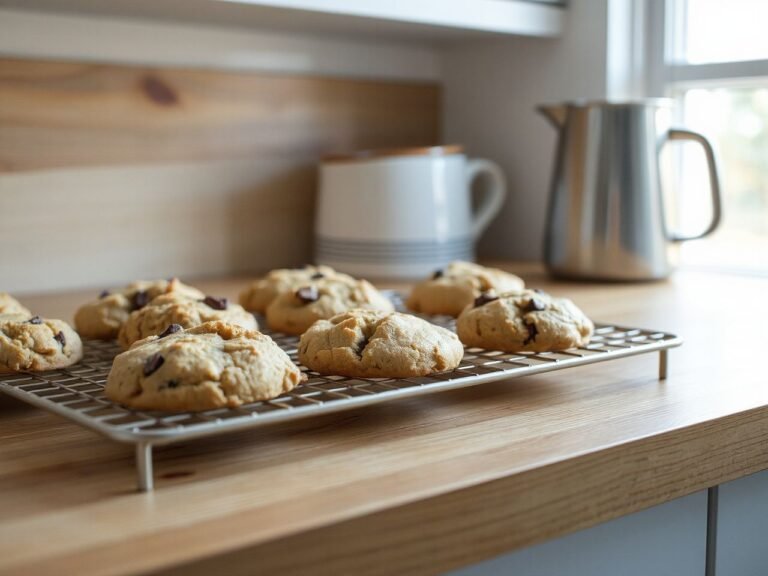
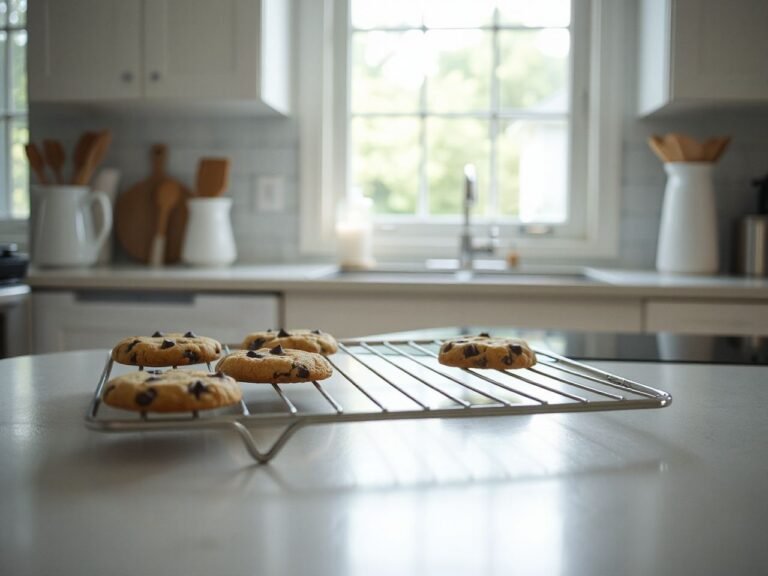
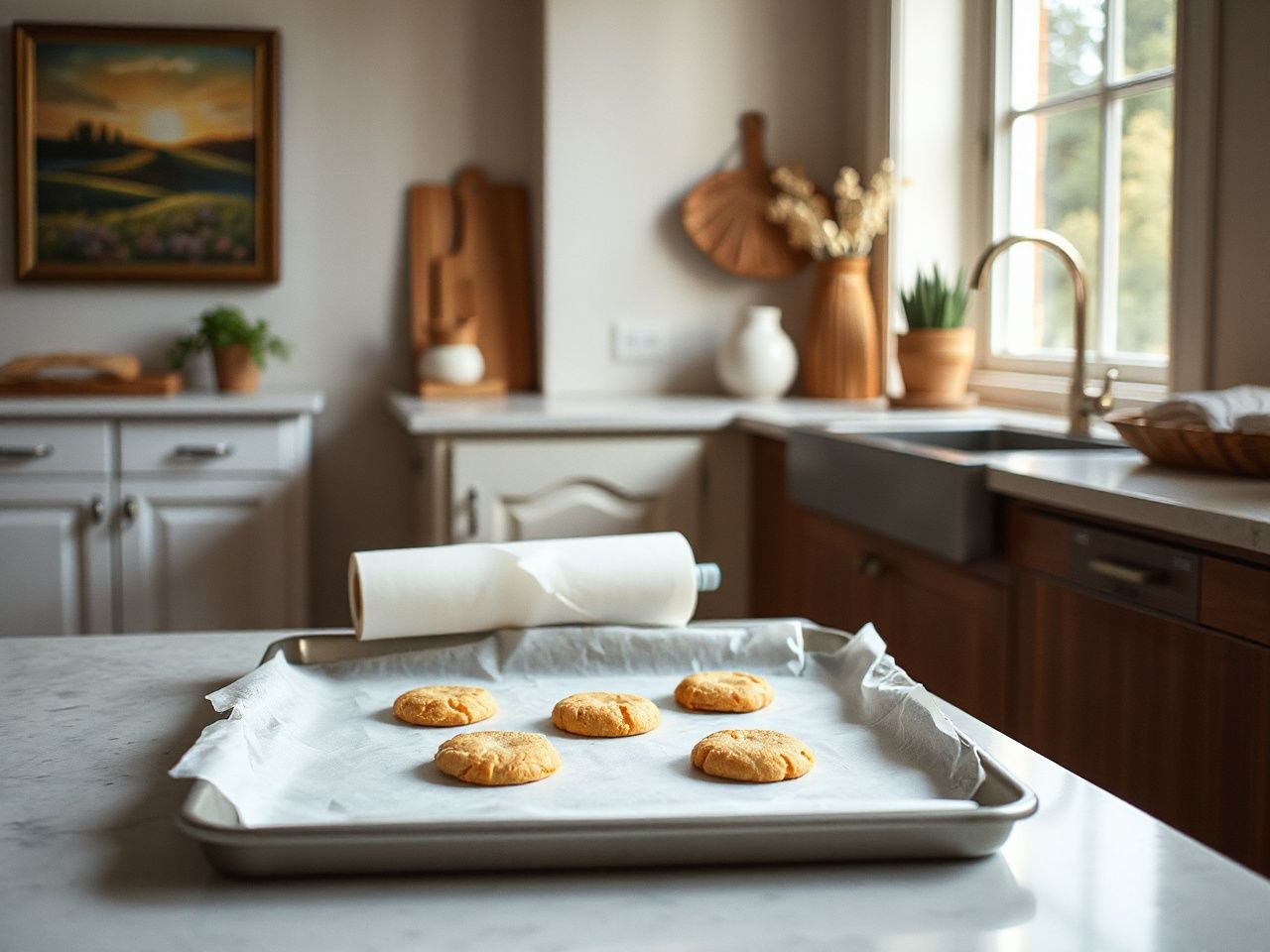
Parchment is well suited to cookie dough because it creates a consistent separation layer across the flat baking sheet. Cookies can often be lifted from the paper with a spatula after they have set enough to handle. The paper also lets you move a group of cookies away from the hot pan, which can help prevent continued contact with the metal after baking.
Cookie dough that spreads beyond the sheet will still reach the pan. Keep the paper flat, stay within the boundaries, and replace it if it tears or gets covered in burnt residue. The paper only does its job where it actually covers the baking surface.
Roasting vegetables
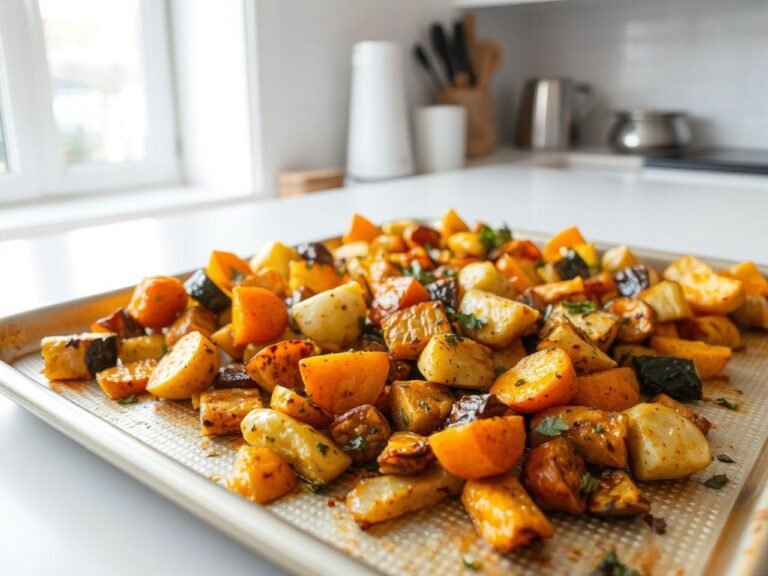
You can line a baking sheet with parchment when roasting vegetables if the heat limit matches the recipe. It separates the food from the pan and catches some of the cooking residue that might otherwise contact the metal. Wet vegetables, oil, and browned bits can leave the paper dirty, so the pan might need washing after removing the sheet.
Never let the paper extend toward a heating element. Roasting usually involves a hot oven and a broad, shallow pan, so the liner must stay fully supported by the sheet. A loose corner can curl or lift toward the heat.
Cake batter
Parchment is often used under cake batter to help the cake release easily from the base. It doesn’t automatically prepare the sides of the pan. If the recipe calls for greasing and flouring, follow that for the exposed surfaces instead of replacing the whole method with a paper circle.
Cut or fold the parchment to fit the base without large gaps or high loose flaps. A liner that wrinkles can leave impressions in the baked surface, while a piece that is too small can expose the pan where sticking is most likely.
Other baking and roasting tasks
Parchment may suit foods that benefit from a clean release surface and a supported baking-sheet liner. It can also be used for shaping or wrapping only when the package directions and the recipe’s heat exposure agree. A liner should remain dry, intact, and fully supported by the pan.
For microwave questions, read Parchment Paper Microwave Safe: What to Know Before Heating instead of assuming oven guidelines apply to microwaves. The setting, the food, and the product instructions all matter.
Bleached and unbleached parchment
Bleached parchment looks lighter, while unbleached parchment has a darker, natural tone. But the color alone doesn’t tell you about its heat limit, coating, or intended use. Check the package for oven suitability and food-contact instructions.
The U.S. Food and Drug Administration provides information about food-contact substances at FDA.gov. For a liner used directly beneath food, the package label and manufacturer’s instructions are the best check for compatibility. Don’t rely on color alone.
Preventing Curling, Tearing, Smoke, and Sticking
Why parchment curls
Parchment can curl because it was stored rolled, cut unevenly, or placed in a pan without enough food to hold it down. Curling matters when an edge nears an oven element or causes batter to run underneath. Flatten the sheet before adding food, crease it where needed, or use the pan’s shape to keep it in place.
Never put an empty parchment sheet in a hot oven where it can lift. Food should weigh down the liner, and the liner should stay inside the supported area of the pan.
Why parchment tears
Tears can develop when a saturated or heavily used sheet is pulled from the pan. They can also form if a sharp utensil cuts it or if baked food bonds to a damaged section. A torn sheet exposes part of the baking surface. Replace it when the tear affects coverage or makes lifting food difficult.
Why parchment smokes
Smoke is a warning sign of excessive heat, direct contact with a heating element, exposure to flame, or contact with a hot surface beyond the product’s instructions. Remove the cause rather than assuming the smoke is harmless. Turn to the package directions and the appliance manual before using the liner again.
Some silicone varieties can produce significant formaldehyde emissions once temperatures reach 250 °C (482 °F). Polydimethylsiloxane begins emitting small amounts of formaldehyde at around 200 °C (392 °F) in the presence of oxygen. These figures don’t mean you can use a sheet at either temperature. They highlight the importance of following the actual product’s limit and avoiding excessive heat.
Why parchment sticks
Food can stick when the paper isn’t the right type. Residue baked onto the sheet can cause sticking, or a torn edge may spread wet mixtures. A silicone-coated sheet is nonstick, but it’s not impossible to soil. Let the food reach the release point described by the recipe, then lift it with a suitable spatula instead of tearing at a soft edge.
Reuse, Cleanup, and Disposal Decisions
When reuse is reasonable
Parchment can sometimes be reused if it remains clean, dry, and intact. A sheet that carried dry cookies and still has a sound surface might be suitable for another compatible batch. It’s best to inspect it first rather than assume reuse is always possible.
- Keep it only if the paper is dry and free from heavy food residue.
- Discard it if the sheet is burnt, greasy, torn, or heavily soiled.
- Replace it if the coating appears damaged or food has bonded to a broad area.
- Store a retained sheet flat or in a way that prevents new folds and tears.
Used parchment coated in silicone can’t be composted because silicone doesn’t decompose during composting. Disposal rules differ by location and by what’s printed on the package. Follow local guidance instead of tossing every used sheet into a compost container.
Does parchment add cost compared with greasing?
Parchment usually uses a new sheet for each task unless a clean, intact liner can be reused. Greasing a baking sheet uses fat already kept for cooking, but it can leave more residue on the pan and may require more scrubbing. The cost difference depends on how much parchment is used, whether cooking fat is available, and if the sheet can be reused safely.
There’s no one-size-fits-all answer because package sizes, local prices, recipe quantities, and cleaning habits vary. Parchment is especially useful when release and easy transfer matter, while greasing might be better for pans with exposed sides or recipes that specify a prepared surface.
Does the baking sheet still need washing?
Yes, a baking sheet can still need washing after parchment is used. Oil, batter, juices, and crumbs can escape around the liner or collect on exposed metal. Remove the parchment, inspect the pan, and wash away any visible residue according to the care instructions.
Common Safety and Performance Mistakes
Using the wrong paper
The most serious mix-up is substituting wax paper for parchment. Wax can melt or smoke under oven conditions, so a package must identify the liner as suitable for the intended heat. Aluminum foil is also not a direct substitute when the recipe depends on a nonstick paper surface.
Ignoring the pan and oven together
A parchment sheet can’t make up for a pan that exposes a liner edge to heat. Check the pan size, the fit of the paper, and the oven setting. The liner shouldn’t touch a heating element, sit under a broiler, or hang over an open flame.
Assuming every coating behaves the same way
Silicone-coated parchment and quilon-treated parchment aren’t just labels to ignore. The coating influences how easily the sheet releases from baked goods and may impact disposal. Quilon-coated parchment can contain trivalent chromium, while silicone-coated parchment can’t be composted because silicone doesn’t decompose during composting.
Forgetting food contact
Food should only touch a liner meant for food use and the specific preparation. Packaging language is often more reliable than appearance. A sheet that looks like parchment might actually be decorative paper, wax paper, or another material with a different coating.
For questions about food contact, check the product label and consult the U.S. Food and Drug Administration’s food-safety information. If the instructions don’t specify the intended use, don’t assume the material is suitable as a baking-sheet liner.
Frequently Asked Questions
What does parchment paper do for cookies and cake batter?
Parchment paper creates a barrier between food and the baking sheet, helping cookies slide off and making it easier to lift a cake from the lined pan. It doesn’t coat every part of the pan, so recipes often still call for greasing and flouring the sides. Food that spreads beyond the liner can stick to the exposed metal.
Can parchment paper go under a broiler or over an open flame?
No, you shouldn’t place parchment paper under a broiler, against an oven heating element, or over an open flame. Its heat limit depends on the specific product. Ordinary baking guidelines don’t make it suitable for direct radiant heat or flames. Follow the package instructions and appliance manual for the intended method.
Can clean parchment paper be reused?
Sometimes. You can reuse a sheet if it stays clean, dry, and intact, especially after a low-residue task. Throw away parchment that’s burnt, greasy, torn, or heavily soiled. Silicone-coated parchment can’t be composted because silicone doesn’t break down, so follow local disposal rules for used sheets.
Is wax paper the same as parchment paper?
No. Parchment paper is made from heat-resistant paper, often with a silicone coating or quilon treatment for release. Wax paper has a wax coating that can melt or produce smoke in the oven. The similar look isn’t a safety test, so always read the package before putting any paper in a heated oven.
Does parchment paper eliminate the need to clean a baking sheet?
No. Parchment can catch much of the food that might contact the pan, but spills can go around the edges, and residue can stay on the metal. Remove the liner once the pan cools enough to handle, then inspect and wash the surface, removing any food or grease as per the pan’s care instructions.