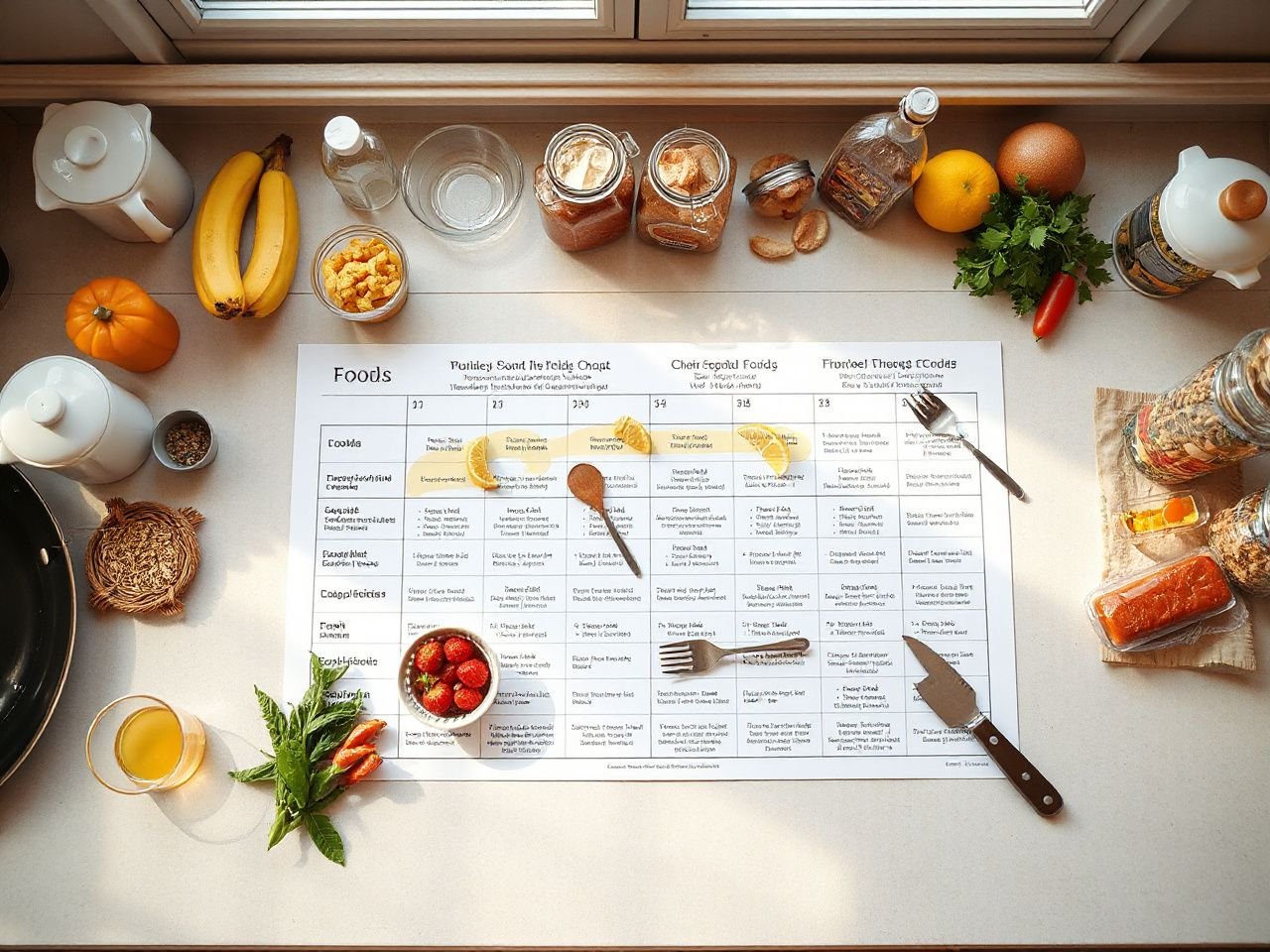
Could the number beside a food tell you less than the temperature of your refrigerator, the condition of its package, and the way it was handled? A useful food storage chart separates storage location, temperature, package status, and handling history instead of presenting one universal number for each food. The key distinction is between a quality window and a safety boundary: freezing can preserve safety for a long time when food remains frozen, but it does not reverse unsafe time-temperature exposure or poor cooling practices.
I am Wesley Hart, Kitchen Storage and Organization Editor, and I read storage guidance like a leak tester: every container goes on its side overnight before I say it is ready for the shelf. That same discipline applies to food. A date or storage period is useful only when the package is intact, handling has been clean, refrigeration has been prompt, and the appliance has stayed cold.
Key Takeaways
- Use storage times as quality guidance only when temperature and handling have stayed controlled.
- Keep refrigerators at 40°F (4°C) or below and freezers at 0°F (-18°C) or below.
- Separate unopened packages, opened foods, leftovers, and foods with uncertain handling history.
How to Read a Food Storage Chart Correctly
Storage times are not promises
A storage time normally describes how long food is expected to retain acceptable quality under stated conditions. Quality includes texture, flavor, aroma, color, and usefulness in a recipe. A quality window is different from a safety boundary, and a chart cannot make food safe after it has been left warm, cooled slowly, or exposed to contamination.
Food storage charts assume clean handling, prompt refrigeration, intact packaging, and a consistently cold appliance. A chart time becomes less useful when any of those assumptions fail. The listing on a package also cannot tell you what happened after purchase, so handling history belongs beside the printed date in your decision.
Food storage times describe expected quality under controlled conditions, not permission to ignore temperature or handling history.
Location comes first
Choose the storage location before looking for a number. Pantry foods belong in a clean, dry cupboard or pantry held within the stated 50°F to 70°F range. Refrigerated foods belong at 40°F (4°C) or colder, while frozen food belongs at 0°F (-18°C) or colder.
A refrigerator dial is not proof of the internal temperature. Verify the appliance with a thermometer, checking the refrigerator and freezer separately because the displayed setting may not match the food compartment. The U.S. Food and Drug Administration identifies the Food Code as a model for food safety practices; its main food safety information is available through the FDA.
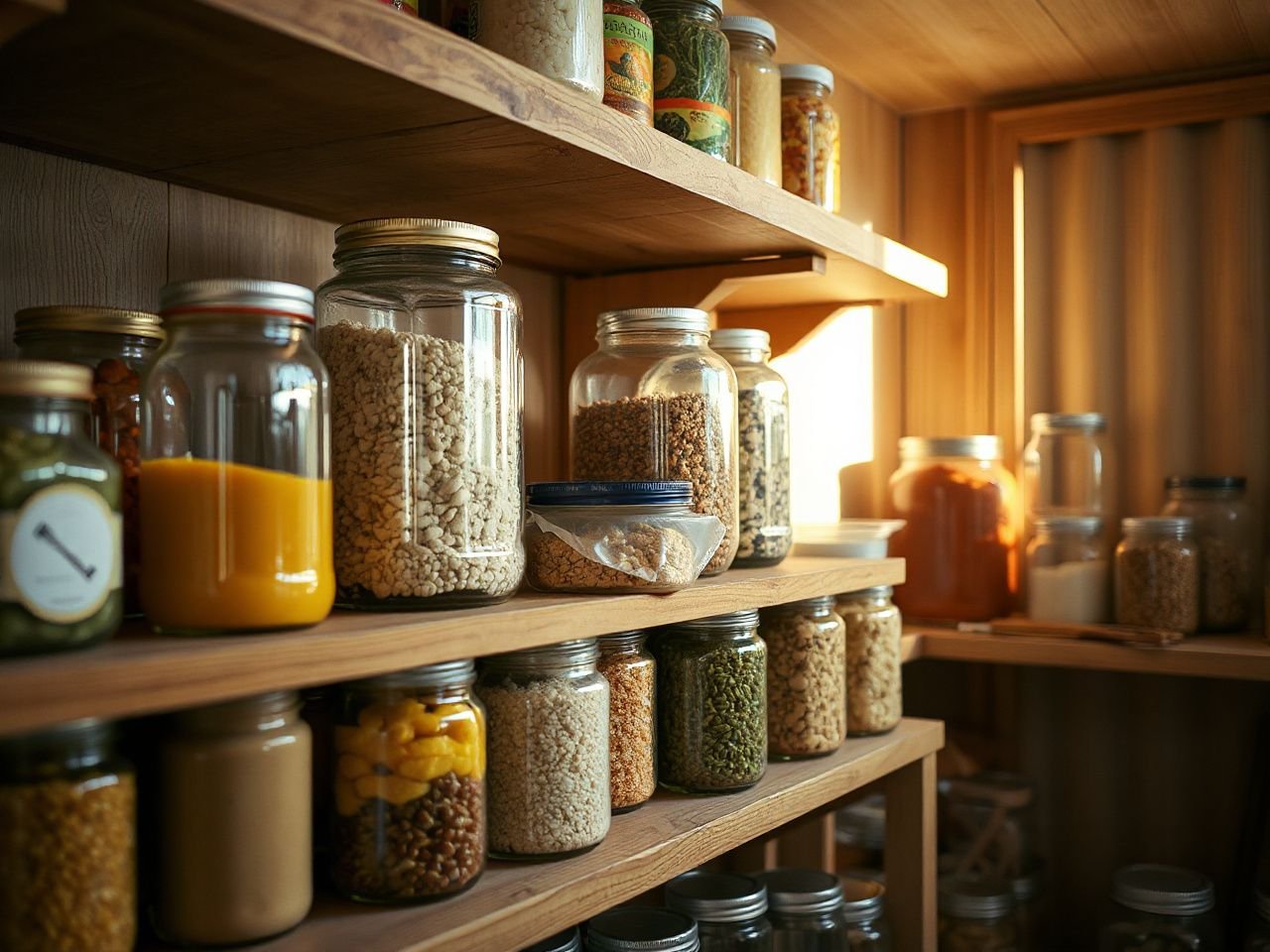
Pantry organization also affects quality. Keep dry goods away from moisture, heat, and direct light, and use clean shelves that can be inspected. A leaking container can spread moisture into nearby packages, while a swollen, leaking, or damaged package deserves separate attention rather than a place in the normal rotation.
Package status changes the answer
An unopened package has a different storage history from an opened one. The seal may protect quality until opening, but once air, utensils, hands, or serving dishes contact the food, the original package date no longer tells the whole story. Mark the opening date when practical, then apply the storage guidance for opened food rather than treating the unopened period as a second clock.
Leftovers require another category. Cooked food has already passed through preparation, serving, and cooling, so the time before refrigeration matters. A covered container placed in the refrigerator promptly is not equivalent to a dish left on a counter and chilled later.
Pantry, Refrigerator, or Freezer?
Use the pantry for stable, dry foods
The pantry is suitable for foods intended to remain stable at room temperature when the package is intact and the storage area stays within the stated range. Humidity control matters because damp conditions can soften packaging, encourage clumping, and reduce quality even when a label date has not passed.
Arrange older packages where they can be used first, but do not let rotation pressure you to use food with a suspicious package. A date helps with planning. It does not override a bulging seal, leaking package, unusual spurting, or a smell that signals a problem.
Use the refrigerator for short, controlled storage
Refrigeration slows quality loss and limits the growth of many harmful microorganisms, but it does not stop every change. Keep the refrigerator at 40°F (4°C) or below, verify that temperature rather than trusting the dial, and avoid crowding containers so cold air can circulate around them.
For fresh beef, veal, lamb, or pork, the stated refrigerator period is 3 to 5 days. Ground beef, turkey, veal, pork, or lamb has a shorter refrigerator period of 1 to 2 days, and raw sausage made from chicken, turkey, pork, or beef also has a 1 to 2 day refrigerator period.
Fully cooked sausage from chicken, turkey, pork, or beef has a refrigerator period of 1 week. Hot dogs remain refrigerated for 2 weeks unopened or 1 week after opening. These periods assume cold storage and proper handling; they do not rescue food that warmed beyond safe limits.
Use the freezer for long quality storage
A freezer maintained at 0°F (-18°C) or below can preserve food quality for an extended period while the food remains continuously frozen. Freezing does not erase earlier abuse. Food that sat warm for too long remains a safety concern after freezing, and thawing cannot repair poor cooling or contamination.
Fresh beef, veal, lamb, or pork has a stated freezer quality period of 4 to 12 months. Hot dogs have a freezer quality period of 1 to 2 months. These are quality windows, not automatic discard dates, provided the food remained frozen and the package protected the food from air and freezer damage.
A longer freezer life can reduce waste when portions are labeled, used, and protected from forgotten storage. Freezing also uses energy and containers, so the practical choice is to freeze food you can realistically track rather than filling the freezer with unidentified packages.
Handling History: Opened Food, Leftovers, and Large Batches
Cool leftovers promptly
Start the clock when food leaves controlled hot or cold storage, not when someone remembers it later.
Divide a large batch of soup, stew, rice, pasta, potatoes, or similar food into shallow containers so the heat can leave the food more quickly. A deep stockpot cools slowly in the center, while smaller portions provide more surface area for cooling. Leave enough space for a secure lid, and label the containers after they are placed in the refrigerator.
Large quantities of leftovers should be divided into shallow containers to support faster cooling.
Cooked rice, pasta, potatoes, and other starchy foods deserve extra care because their dense portions can retain heat, and cooked starches can support growth of Bacillus cereus when cooling and storage are poorly managed. Prompt refrigeration, shallow portions, clean utensils, and a cold refrigerator are the useful controls; a strong smell is not a reliable safety test.
Handle opening and serving separately
Use clean utensils for storage containers, and avoid returning food from a serving dish to the original container. Shared utensils can transfer moisture and food residue, while repeated opening exposes the contents to more handling. Portioning before serving also protects the main container from sitting out with the meal.
For a practical example, chili stored promptly in shallow containers should be labeled as cooked leftovers, not treated as an unopened pantry product. The same rule applies to food used in a hearty easy chili recipe: the recipe does not change the storage category once the food has been cooked.
Thaw and refreeze with care
The thawing method changes the refreezing decision. Food thawed in the refrigerator can generally be refrozen, although texture and quality may decline. Food thawed on the counter should not be treated the same way, because the outside can warm while the center remains frozen.
Food that has been cooked after thawing can be frozen again if it was handled safely and cooled promptly. When the handling history is uncertain, do not use freezing as a reset button. A new label cannot remove time already spent in unsafe conditions.
Dates, Quality Loss, and Safety Decisions
Read date labels as part of a larger record
Package date labels generally indicate peak quality rather than an automatic safety cutoff. A date can help with stock rotation and waste reduction, but it cannot confirm that the food was transported, stored, and opened correctly. Infant formula is an important exception because its use-by guidance is stricter and should be followed exactly.
Compare the date with package condition, storage location, appliance temperature, and handling history. An unopened food kept in the correct place may be past peak quality without being automatically unsafe, while an opened or warm food may be unsafe before its printed date.
Package dates usually describe quality, while temperature and handling determine much of the safety decision.
Separate quality problems from safety warnings
Freezer burn, softened texture, stale flavor, and color changes can indicate quality loss. They may make food less pleasant or less useful in a recipe, but those signs do not by themselves establish the same risk as time-temperature abuse. A suspicious package, leaking seal, bulging can, spurting liquid, or uncertain handling history calls for a more conservative decision.
Never taste food to decide if a suspicious can or jar is safe. Low-acid home-canned foods require tested pressure-canning instructions because Clostridium botulinum can grow under suitable conditions. The National Center for Home Food Preservation provides tested preservation information, and the USDA Complete Guide to Home Canning should be used as a reference for the appropriate process rather than an improvised recipe.
Bulging, leaking, spurting, or otherwise suspicious cans and jars should not be tasted. Discarding questionable food is preferable to trying to rescue it by reheating, freezing, or mixing it into another dish.
Use food-contact containers thoughtfully
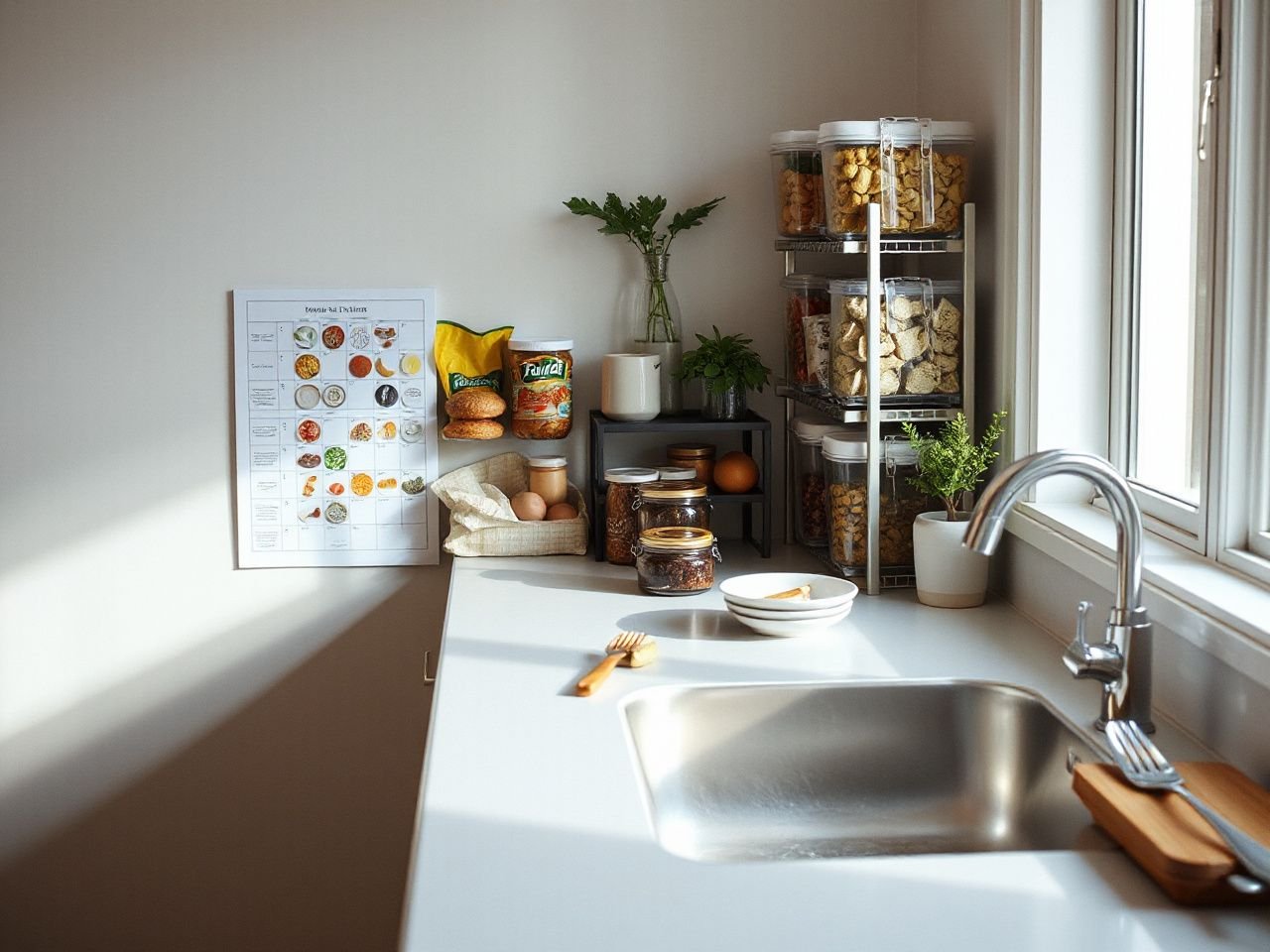
Choose containers that close securely, remain clean, and are suitable for the storage task. A container that leaks when laid on its side can soil a shelf and expose nearby food to moisture. I check closure reliability by laying filled containers on their side overnight before trusting them in a packed refrigerator or freezer.
Do not overfill a container if expansion could force the lid open during freezing, and leave the contents clearly labeled. The exact headspace depends on the container and food, so follow the container or tested preservation instructions rather than guessing.
Food-contact materials should be clean before filling. Wash and dry storage areas regularly, inspect seals and corners for residue, and discard containers that cannot be cleaned properly. A scheduled check is more useful than waiting for a spill to reveal a problem.
A Practical Step-by-Step Storage System
Step 1: Record the food state
Write down whether the food is unopened, opened, cooked, leftover, thawed, or refrozen. That single note prevents the common error of applying an unopened-package period to a prepared food. Include the date opened or cooked when that information is available.
Step 2: Confirm the destination
Place pantry foods in a dry area within 50°F to 70°F. Confirm that the refrigerator is at or below 40°F (4°C) and that the freezer is at or below 0°F (-18°C). Verify the appliance with a thermometer instead of assuming the dial is accurate.
Step 3: Control cooling and portion size
Divide large leftovers into shallow containers, close them once appropriately cooled, and label their contents. Food should not be left on the counter while labels or containers are prepared.
Step 4: Apply the relevant time window
Use the category that matches the food state. Fresh beef, veal, lamb, and pork have a refrigerator period of 3 to 5 days and a freezer quality period of 4 to 12 months. Ground meats and raw sausage have a refrigerator period of 1 to 2 days. Fully cooked sausage has a refrigerator period of 1 week, while hot dogs have separate unopened, opened, and frozen periods.
Step 5: Inspect before serving
Check the package, seal, label, temperature record, and handling history. Do not taste food from a suspicious container. If the food has experienced unsafe time-temperature exposure or the history cannot be established, discard it rather than extending its life through freezing.
Restaurant kitchens need the same categories, with written controls for receiving, refrigeration, cooling, labeling, and discard decisions. NSF/ANSI 7 addresses commercial refrigeration equipment; the NSF provides information about the standard. A household chart can guide decisions, but a restaurant food storage chart should fit the operation’s approved food-safety procedures and local requirements.
Preventive Checks That Keep the Chart Useful
Check temperature and storage areas
Check refrigerator and freezer temperatures regularly, especially after a power interruption, a large grocery load, or a change in appliance performance. Temperature verification matters because cold food can look normal even when the appliance has drifted warmer than intended.
Clean spills promptly, inspect drawer bottoms and door seals, and rotate stored foods so labels remain visible. Pantry shelves need the same attention. Dry shelves, intact packages, and sensible spacing make leaks easier to spot before they affect other foods.
Reduce waste without stretching safety limits
Waste reduction begins with realistic portions. Freeze food in amounts your household can use, label every package, and place older items where they are visible. A freezer can extend quality, but forgotten food still becomes waste and the freezer still requires energy to maintain its temperature.
Use food before quality declines when the handling history is sound, but do not let waste concerns override safety. A meal such as a meatball and mashed potato bake can be portioned before storage, while a large serving dish left warm should not be saved simply because the ingredients were expensive.
Preserve only with tested methods
Home canning requires a tested process that matches the food’s acidity, density, container, and equipment. Low-acid foods require pressure-canning instructions because Clostridium botulinum is a serious concern under suitable conditions. Do not invent a canning time by combining advice from unrelated recipes.
Preservation also changes the storage record. A home-canned jar is not equivalent to a freshly cooked leftover or a commercial unopened package. Mark the preservation date and process information, then inspect the jar before opening. Bulging, leaking, spurting, or suspicious contents should not be tasted.
Frequently Asked Questions
What do the times in a food storage chart actually mean?
Storage times usually describe expected quality under specific conditions, not a guaranteed safety deadline. The assumptions include clean handling, intact packaging, prompt refrigeration, and a consistently cold appliance. A food storage chart should separate unopened products, opened packages, leftovers, and frozen foods. If food warmed too long or cooled poorly, the printed period does not make it safe again.
How do I know whether food belongs in the pantry, refrigerator, or freezer?
Use the food’s required temperature and package instructions first. Pantry storage applies to stable dry foods kept within 50°F to 70°F. Refrigerators should remain at 40°F (4°C) or below, and freezers should remain at 0°F (-18°C) or below. Fresh meats, opened foods, and leftovers generally require controlled cold storage, while freezing extends quality only when food remains continuously frozen.
Are chart times different for unopened, opened, and leftover food?
Yes. An unopened package has a protected storage history, while opening introduces handling, air, moisture, and utensil contact. Leftovers have an additional cooling and serving history, so they require their own category. Hot dogs illustrate the difference clearly: the refrigerator period is 2 weeks unopened and 1 week after opening. Do not apply the unopened period after the seal is broken.
What should I do if my refrigerator or freezer is warmer than recommended?
Verify the actual temperature with an appliance thermometer rather than relying on the dial. A refrigerator should be 40°F (4°C) or below, and a freezer should be 0°F (-18°C) or below. Move vulnerable food to a reliably cold appliance if necessary, record the handling history, and avoid extending storage times until the temperature is corrected. Freezing food later does not reverse unsafe warm exposure.
Can I refreeze food after thawing it?
Food thawed in the refrigerator can generally be refrozen, although quality may decline. Food thawed on the counter has a different risk because its surface may warm before the center thaws. Cooked food can be frozen again after safe thawing when it was cooled promptly and handled cleanly. If the thawing method or time-temperature history is uncertain, discard the food rather than using freezing as a reset.
A useful food storage chart is therefore a decision tool, not a single list of universal expiration dates. Put temperature, package status, handling history, and visible condition beside every time period. That approach makes the chart more useful for a family refrigerator, a pantry shelf, or a restaurant storage system, while keeping quality judgments separate from safety decisions.
