Enameled Dutch ovens have quietly become the workhorse of home kitchens over the last few years, showing up in bread-baking videos, slow-braise tutorials, and even weeknight one-pot dinners. That surge in popularity means more people are scrubbing these pots than ever before, and too many of them reach for the same tools they’d use on a raw cast iron skillet. That’s a fast route to a ruined finish. The critical distinction in cleaning an enameled Dutch oven lies in recognizing that the enamel is a glass-like coating that can crack from thermal shock and scratch from abrasives, while the bare cast iron rim requires separate, rust-preventive care. Most stubborn staining is protein residue that yields to alkaline soakings with baking soda rather than aggressive scrubbing, which risks damaging the finish. Learning how to clean an enameled Dutch oven properly, then, means unlearning a few habits that work fine on other cookware.
Key Takeaways
- Enamel is glass, not metal: use non-abrasive tools (nylon, soft sponge, wood or silicone) and never steel wool or metal scouring pads.
- Stubborn brown staining is almost always protein or polymerized oil residue, and a baking soda soak or gentle simmer will lift it without scrubbing.
- The exposed cast iron rim rusts if left wet, so dry it immediately after every wash and apply a whisper-thin coat of oil before storing.
Why Enamel Demands Different Cleaning Rules
An enameled Dutch oven is cast iron with a fused, glass-like porcelain coating. That coating is roughly the thickness of a human fingernail, and once you scratch through it, the pot becomes a different animal entirely. Raw cast iron can be scoured and re-seasoned, but enamel cannot repair itself. Le Creuset, Staub, and Lodge all use similar vitreous enamel processes, and all of them publish the same core warning: no abrasive scrubbers, no extreme temperature shocks, no metal utensils on the cooking surface. The reason is simple. Scratches in enamel create microscopic grooves where food sticks, stains set, and bacteria can linger. According to the FDA’s guidance on food contact surfaces, damaged coatings on cookware can harbor pathogens and release small particles into food. So the goal of cleaning is not to strip the surface down to bare metal, but to remove residue while leaving the glass intact.
The Non-Negotiable Rules
- Never use steel wool, metal scouring pads, or harsh abrasive cleansers like Comet or Ajax on the interior or exterior enamel.
- Never place a hot Dutch oven under cold running water or into a sink full of cold water. The thermal shock can crack the enamel.
- Never put a cold Dutch oven directly onto a high burner and crank the heat. Always start low and let the pot warm gradually.
- Never use bleach or chlorine-based cleaners on enamel. They can etch the glass and void the manufacturer’s warranty.
The Daily Cleaning Routine (Safe and Fast)
You do not need a dramatic cleaning ritual after every use. A few minutes of the right kind of attention keeps the pot looking new and prevents hours of stain removal later. Here is a step-by-step method to follow.
Step 1: Let the Pot Cool to Lukewarm
After cooking, let the Dutch oven sit on the stove or a trivet for about 10 to 15 minutes. It should be warm to the touch but not hot. Filling a hot pot with cold water is the single fastest way to crack the enamel, because the glass coating expands and contracts at a different rate than the cast iron underneath. Let the temperature come down naturally before you introduce any water.
Step 2: Soak in Warm Water and Mild Soap
Fill the pot about halfway with warm water and add a few drops of Dawn dish soap or any mild liquid detergent. Swirl it around, then let it sit for 15 to 20 minutes. This softens most food residue. For a pot that was used for a simple soup or sauce, this step alone often loosens everything you need. Do not use boiling water for this soak, and do not add vinegar or baking soda yet—those are for stubborn stains, not daily cleanup.
Step 3: Scrub with a Non-Abrasive Tool
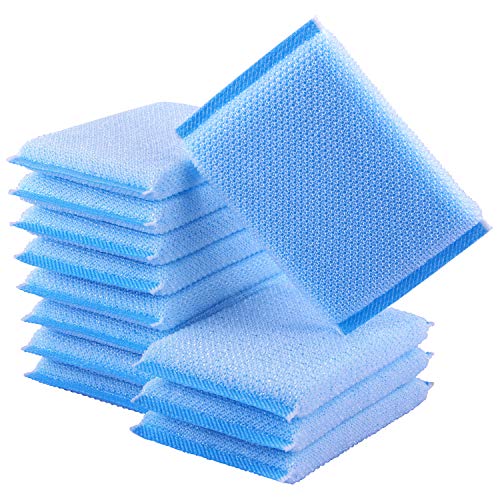
Use a nylon scrub brush, a soft sponge, or a silicone pan scraper to gently work the loosened food off the enamel. Work in circular motions with light pressure. If a bit of food is still stuck, do not bear down harder. Instead, let the pot soak for another 10 minutes. The enamel will release the residue on its own schedule, and your patience will preserve the finish.
Step 4: Rinse and Dry the Rim Immediately
Rinse thoroughly with warm water, then dry the entire pot with a clean dish towel. Pay special attention to the rim and any exposed cast iron edges, because that is where rust forms. Leave the lid off and let the pot air dry completely for at least an hour before you put it away. Store the Dutch oven with the lid slightly ajar or use a paper towel between the lid and rim to allow airflow.
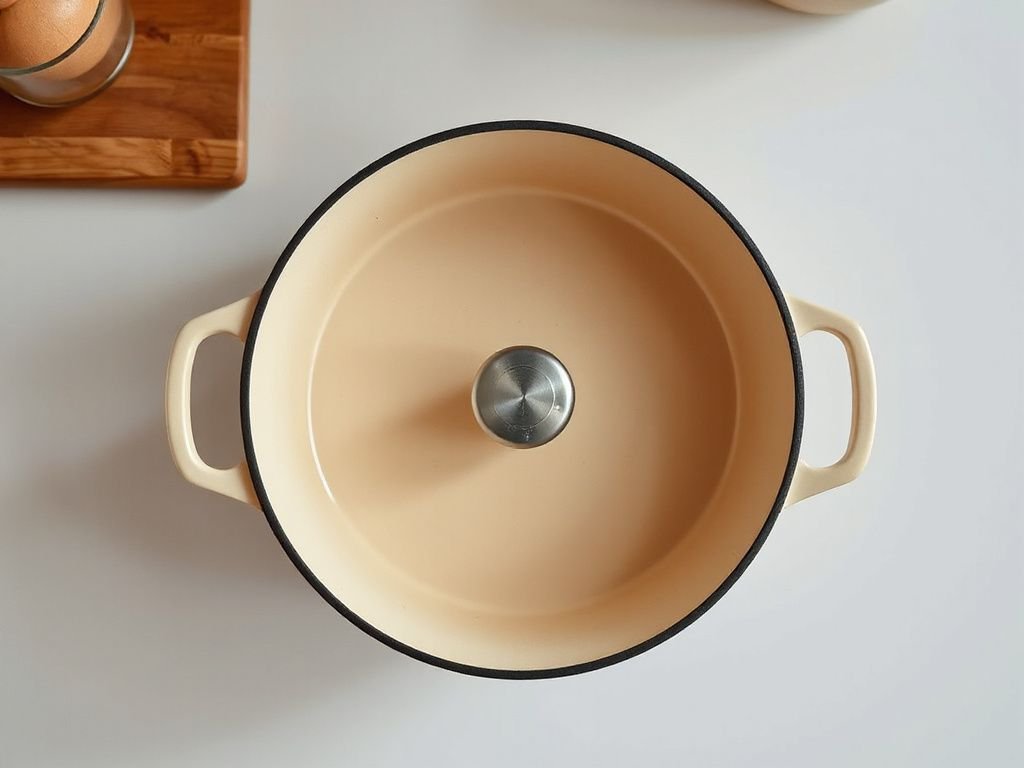
Removing Stubborn Stains and Burnt-On Food
Dark brown stains on the interior of an enameled Dutch oven are almost never a sign that the pot is ruined. They are usually polymerized oil, protein residue, or caramelized sugars that have bonded to the glass. The fix is not more elbow grease but a change in chemistry.
Baking Soda Paste for Spot Stains
For small, localized stains, make a thick paste of baking soda and a little water—about three parts baking soda to one part water. Spread the paste over the stain, let it sit for 15 to 30 minutes, then gently rub with a damp cloth or a soft sponge. Rinse with warm water. Baking soda is mildly alkaline, which helps break down fatty acids and proteins without scratching. It is the safest first line of attack.
Simmering Baking Soda and Water for Heavy Residue
When burnt-on food covers the bottom of the pot, fill the pot with enough water to cover the residue, then add 2 tablespoons of baking soda for every quart of water. Bring the mixture to a gentle simmer over medium-low heat, not a rolling boil, and let it bubble for 10 to 15 minutes. Turn off the heat and let the water cool until it is comfortable to touch. The loosened food will wipe away with a soft sponge. Simmering a solution of 2 tablespoons of baking soda per quart of water lifts carbonized food from enamel without any scrubbing. If you were baking brownie cookie dough sandwich cookies in your Dutch oven, this method removes the caramelized sugar drips every time.
Vinegar Rinse for Whitening
After a baking soda soak, you may notice a slight dullness or mineral haze. A diluted white vinegar rinse can brighten the surface. Mix equal parts white vinegar and water, pour it into the pot, and let it sit for 10 minutes. Rinse and wash with soap and water. Do not mix baking soda and vinegar in the pot expecting a fizz that eats stains. The fizz is just carbon dioxide gas from acid-base neutralization, and once it stops, neither the baking soda nor the vinegar is doing any more cleaning than either would alone. Use them sequentially, not together.
Bar Keepers Friend: Yes, but Carefully
Bar Keepers Friend is one of the few commercial cleansers that can safely remove stubborn stains from enameled cast iron, provided you use the right formulation. The liquid or soft cleanser version contains oxalic acid and a very fine abrasive that can lift metal marks and discoloration. Le Creuset’s official care instructions acknowledge this product for tough stains, but caution against overuse. Apply a small amount to a damp, soft cloth, rub gently in circles, and rinse immediately. Do not let it sit on the enamel for more than a minute, and do not use the powder version with a scrub pad. Reserve this for monthly deep cleaning, not daily use.
Deep Cleaning and Prevention
Whitening a Brown Interior
If the entire interior has turned tan or brown from months of cooking, the fix is a longer, gentler soak. Mix a thick paste of baking soda and water, spread it over every stained surface, and let it sit for two to three hours. Then rinse and wash with a soft sponge. For more persistent yellowing, fill the pot with water, add 1/4 cup of baking soda, and simmer for 20 minutes. Let it cool, then wash normally. Avoid hydrogen peroxide and oxygen bleach powders, because they can be too alkaline for some enamel formulations and may etch the finish over time.
Cleaning the Bare Cast Iron Rim
The rim of nearly every enameled Dutch oven has a strip of exposed cast iron where the lid meets the pot. That metal is not protected by enamel, so it rusts easily. After every wash, dry the rim with a towel until no moisture remains. If you see rust, make a paste of baking soda and a few drops of water, rub it gently with a soft cloth or a nylon scrub pad, then rinse and dry. Apply a very thin layer of vegetable oil or mineral oil with a paper towel before storing. Do not try to season the rim like a full cast iron pan; a light protective coat is all it needs.
Thermal Shock: The Invisible Killer
Thermal shock happens when one part of a material changes temperature faster than another part, causing internal stress that can crack the enamel. Cast iron holds heat, while the glass coating expands and contracts at a different rate. The National Institute of Standards and Technology explains that sudden temperature changes in brittle coatings like enamel are the primary cause of fracture. You can avoid this by never plunging a hot pot into cold water, never filling a hot pot with ice cubes, and never moving a pot directly from the refrigerator to a hot burner. If you need to deglaze a hot pan, use a small amount of warm liquid, not cold.
Storage That Prevents Scratches
When you stack Dutch ovens or nest other pots inside them, the enamel can scratch against bare metal. Place a paper towel, a felt pot protector, or a silicone trivet between stacked pieces. If you store the lid upside down on the pot, put a layer of paper towel between the rim and the lid to prevent chipping. Just as you would protect a nonstick finish, enamel needs a barrier from other cookware. And if you’re buying new bakeware, our muffin pan buying guide covers similar coating care for easier cleanup across your kitchen.
When to Retire a Dutch Oven
Enamel damage is not always repairable. A chip on the interior cooking surface is a permanent defect, because glass fragments can flake off into food. The FDA warns that damaged food contact surfaces cannot be properly cleaned and should not be used. A hairline crack in the enamel is equally serious, even if it does not leak. Deep scratches that expose the gray cast iron beneath the enamel mean the pot has worn through its protective layer, and continuing to cook in it risks rust contamination. Exterior chips are cosmetic but can spread, so monitor them. If the rim has rusted to the point of pitting, the pot may still be safe for dry cooking but will continue to shed rust particles. In any of these cases, it is time to replace the pot rather than attempt a repair.
Frequently Asked Questions
Can I put my enameled Dutch oven in the dishwasher?
Technically, many enameled Dutch ovens are labeled dishwasher safe, but hand washing is far better for the enamel and the rim. Dishwasher detergent is highly alkaline and can dull the glossy finish over time. The exposed cast iron rim will also flash rust in the humid dishwasher environment. A two-minute hand wash with warm soapy water protects the pot for decades.
How do I clean an enameled Dutch oven daily without scratching the enamel?
After each use, let the pot cool to lukewarm, fill it halfway with warm water and a few drops of mild dish soap, and soak for 15 minutes. Gently scrub with a nylon brush or soft sponge, then rinse and dry immediately, especially the rim. This routine removes food residue before it polymerizes into stubborn stains, so deep cleaning is rarely needed.
Is Bar Keepers Friend safe for Le Creuset enamel?
Yes, but with strict limits. Use only the liquid or soft cleanser version, apply it with a damp cloth, rub gently for no more than a minute, and rinse immediately. Do not use the powder with a scrub pad, and do not let it sit on the enamel. Le Creuset’s own care guide suggests this product for tough stains but recommends sparing use, typically once a month at most.
What causes the enamel to chip or crack, and can I repair it?
Chips usually come from thermal shock, dropping the pot, or striking the rim with metal utensils. Cracks result from rapid temperature changes. Once the cooking surface is chipped or cracked, the pot is unsafe for food contact because glass fragments can end up in your meal. No home repair is food-safe. Exterior chips can be left alone if they are stable, but the interior means replacement.
How often should I deep-clean my Dutch oven?
For most home cooks, a deep clean every 3 to 6 months is sufficient, depending on how often you use the pot and what you cook. Browning meats, baking bread at high heat, or making caramelized sauces will stain faster. If the interior starts to look yellow or brown, run a baking soda simmer or a Bar Keepers Friend pass. Between deep cleans, the daily routine prevents buildup.