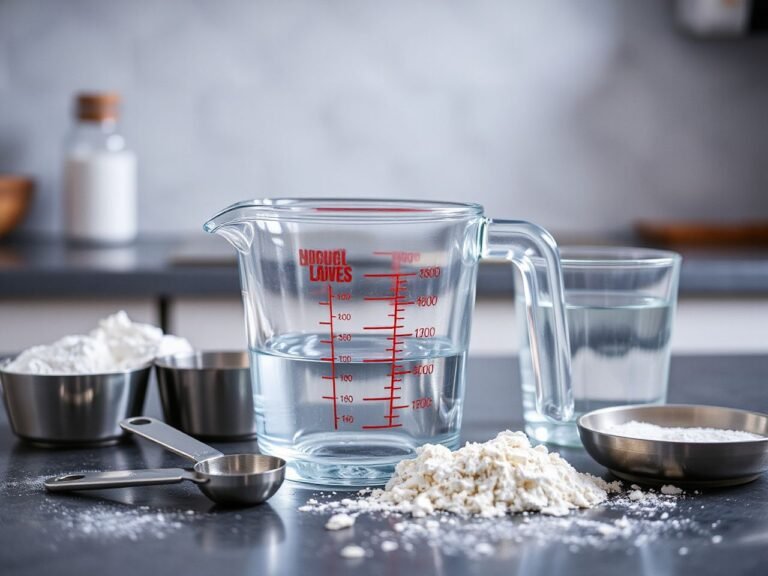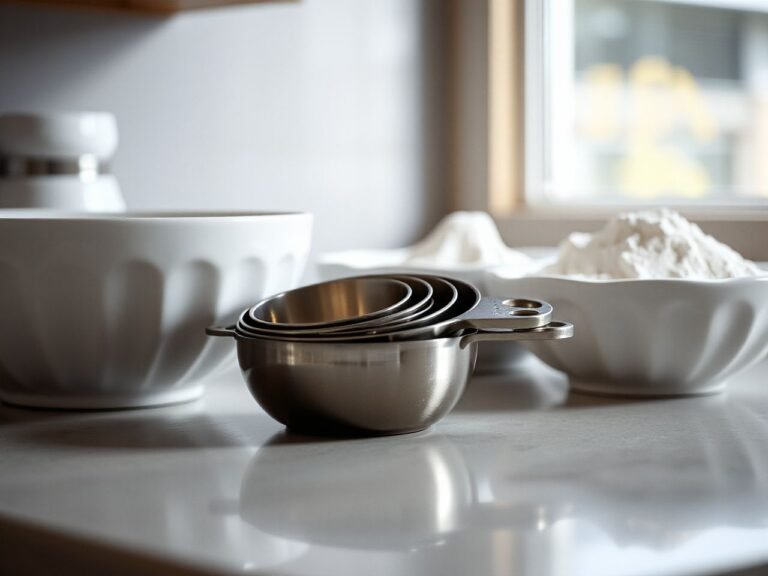
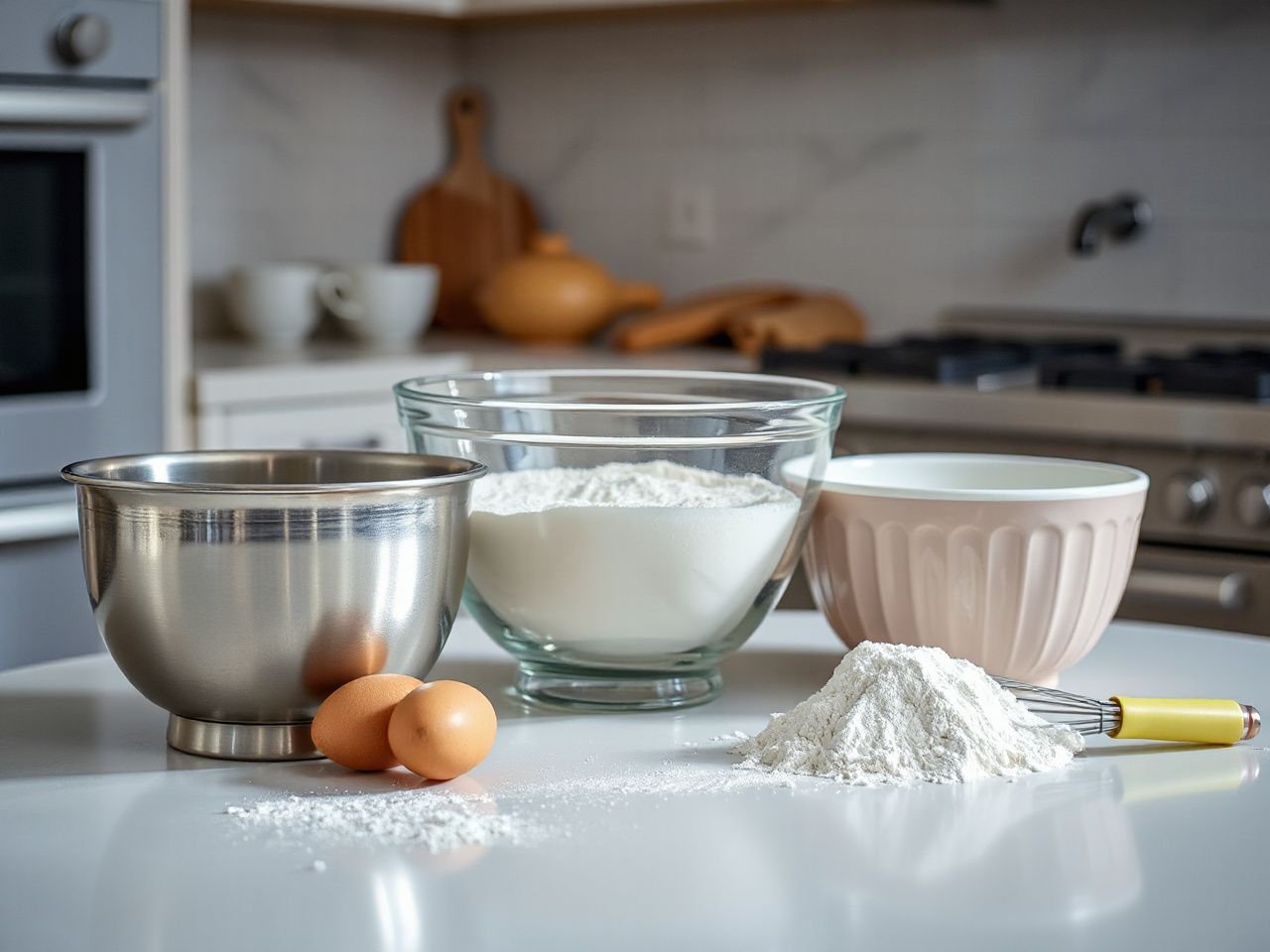
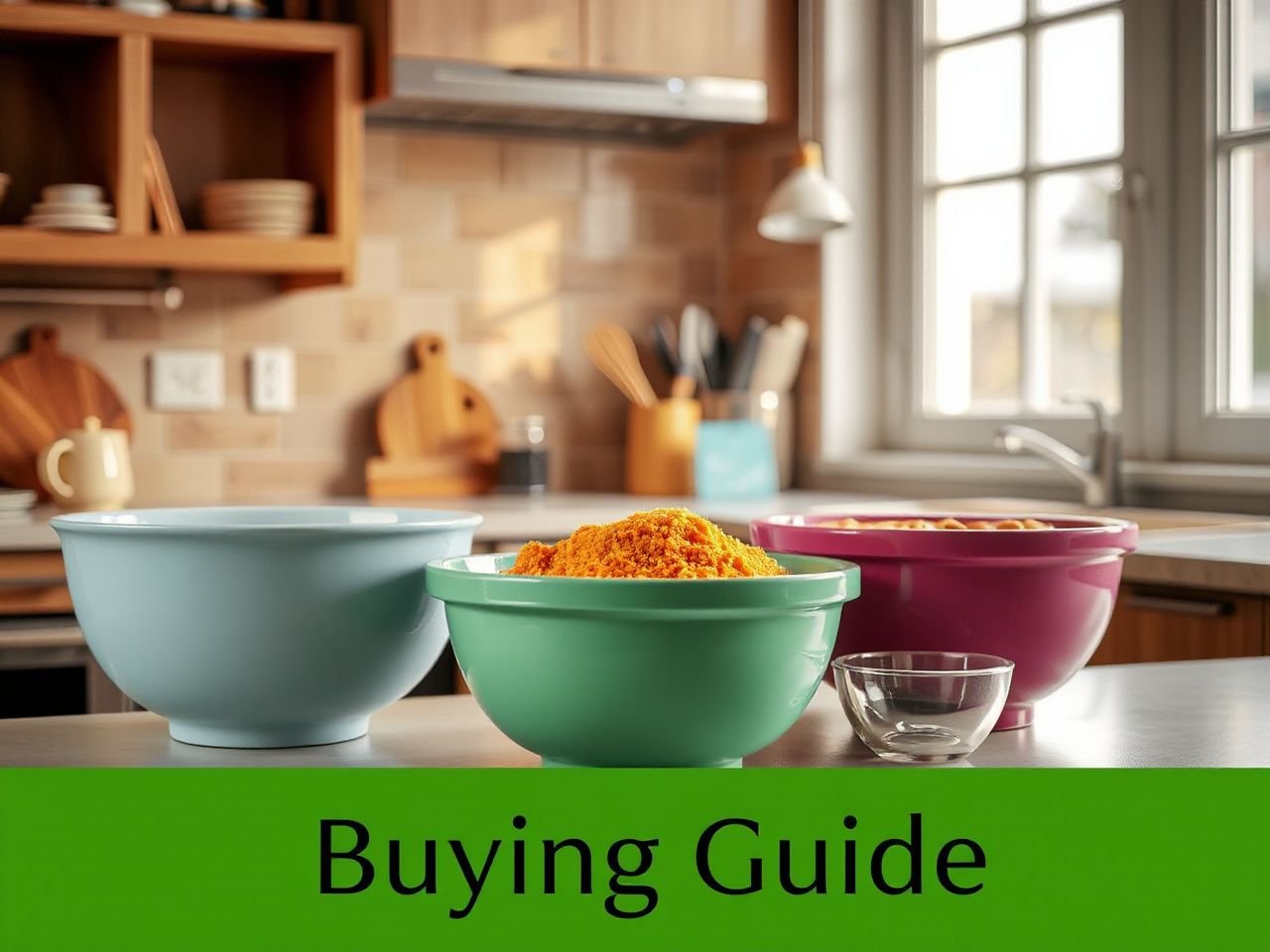
Kitchen prep has shifted toward tools that serve several jobs, and mixing bowls now sit at the centre of whisking, folding, seasoning, pouring, and storing. A useful guide to buying mixing bowls separates material performance from bowl geometry: stainless steel is light and resistant to breakage, glass makes contents visible, and plastic is light but more prone to retaining odors and showing wear. The practical distinction is that a bowl can have a suitable material yet still be awkward if its base, rim, depth, or shape interferes with whisking, scraping, pouring, or mixer clearance.
That distinction matters more than a neat-looking set. The twentieth cut matters more than the first, and the same principle applies here: a bowl should keep working after repeated scraping, washing, moving, and mixing rather than merely look useful on the shelf.
Key Takeaways
- Match bowl material to acidic ingredients, staining risks, heat changes, and cleaning habits.
- Choose geometry that leaves room for whisking, folding, scraping, and pouring.
- Check base stability, rim design, and mixer clearance before trusting a bowl with powered mixing.
- Prevent avoidable wear by washing, drying, stacking, and storing bowls with their material in mind.
Beginner: Start with the material and the food
The right first question is not which bowl looks nicest. Ask what the bowl will regularly hold and how it will be cleaned. A bowl for egg whites has different priorities from one used for bread dough, acidic dressings, sticky batters, or food that will move from a warm preparation area to a cooler one.
Stainless steel for light, break-resistant prep
Stainless steel is light, resistant to breakage, and useful when a bowl needs to move frequently between the counter, sink, and storage area. Stainless steel receives its anti-corrosive properties from incorporating at least 10.5% chromium. That figure describes a material characteristic, not a guarantee that every bowl will resist every form of damage.
Reactive metal bowls can affect acidic or alkaline mixtures, so material compatibility matters for citrus, vinegar, and egg whites. A stainless-steel bowl is not automatically the same as every other metal bowl. If the material is unclear, check the product label or manufacturer information rather than assuming that a shiny surface tells the whole story.
Magnetic behaviour can also vary within stainless steel. Ferritic, duplex, and martensitic stainless steels exhibit magnetic properties, while austenitic stainless steel typically lacks them. A magnet test may therefore reveal something about the steel family, but it does not by itself establish food-contact quality, wall thickness, or overall construction.
Stainless steel hides contents from view, which can make colour and volume harder to judge while mixing. That is a small trade-off for a bowl that will not shatter if it slips from a damp hand.
Glass for visibility and careful temperature handling
Glass lets you see the mixture from the side. That helps with checking layers, unmixed flour, streaks of egg, or a dressing that has not yet come together. Clear walls also make scraping easier to judge because residue remains visible.
Borosilicate glass can have operating limits reaching approximately 500 °C (930 °F), and it can endure a thermal gradient of roughly 330 °F (170 °C) before fracture. Those figures do not make a glass bowl immune to sudden temperature change. A bowl can still crack or shatter from thermal shock, especially when moved rapidly between hot and cold conditions.
Soda-lime glass has a much smaller temperature variance limit, near 100 °F (40 °C). The type of glass matters, and a transparent bowl does not reveal its composition. Treat any unspecified glass as needing gradual temperature changes, with no sudden transfer between hot and cold surroundings.
Glass also adds a different handling concern. A stable position matters because a heavy bowl that slides or tips can cause a spill even when its material remains intact.
Plastic for light handling, with visible wear as a warning
Plastic bowls are light and easy to move, making them useful for prep stations where several ingredients wait before cooking. Polypropylene is one plastic used in kitchenware, but the material name alone does not tell you the shape, finish, lid fit, or resistance of a particular bowl.
Plastic can retain odors, absorb stains, and become scratched. Scratched surfaces can be harder to clean thoroughly because residue has more places to remain. Strong colour from spices, sauces, or other ingredients may not mean the bowl is unsafe, but persistent odor, deep scratches, rough patches, or a warped rim are clear reasons to reassess its role.
Plastic bowls should not be judged only by their low handling weight. The ongoing cost can come from replacement after staining, cracking, warping, or scratching rather than from the original purchase alone.
Stoneware and the cost of weight
Stoneware provides a solid, substantial feel and can stay planted more firmly than a very light bowl when the base is well designed. That same mass makes lifting, pouring, and storing less convenient. A heavy bowl also needs more careful placement because a fall can damage the bowl, the work surface, or both.
Stoneware can crack or shatter from thermal shock. Do not move a hot stoneware bowl directly into a cold environment, and do not pour a very hot mixture into a bowl that has just been chilled. Gradual temperature changes are the safer habit when the material is ceramic or glass.
Intermediate: Read the bowl’s geometry before choosing it
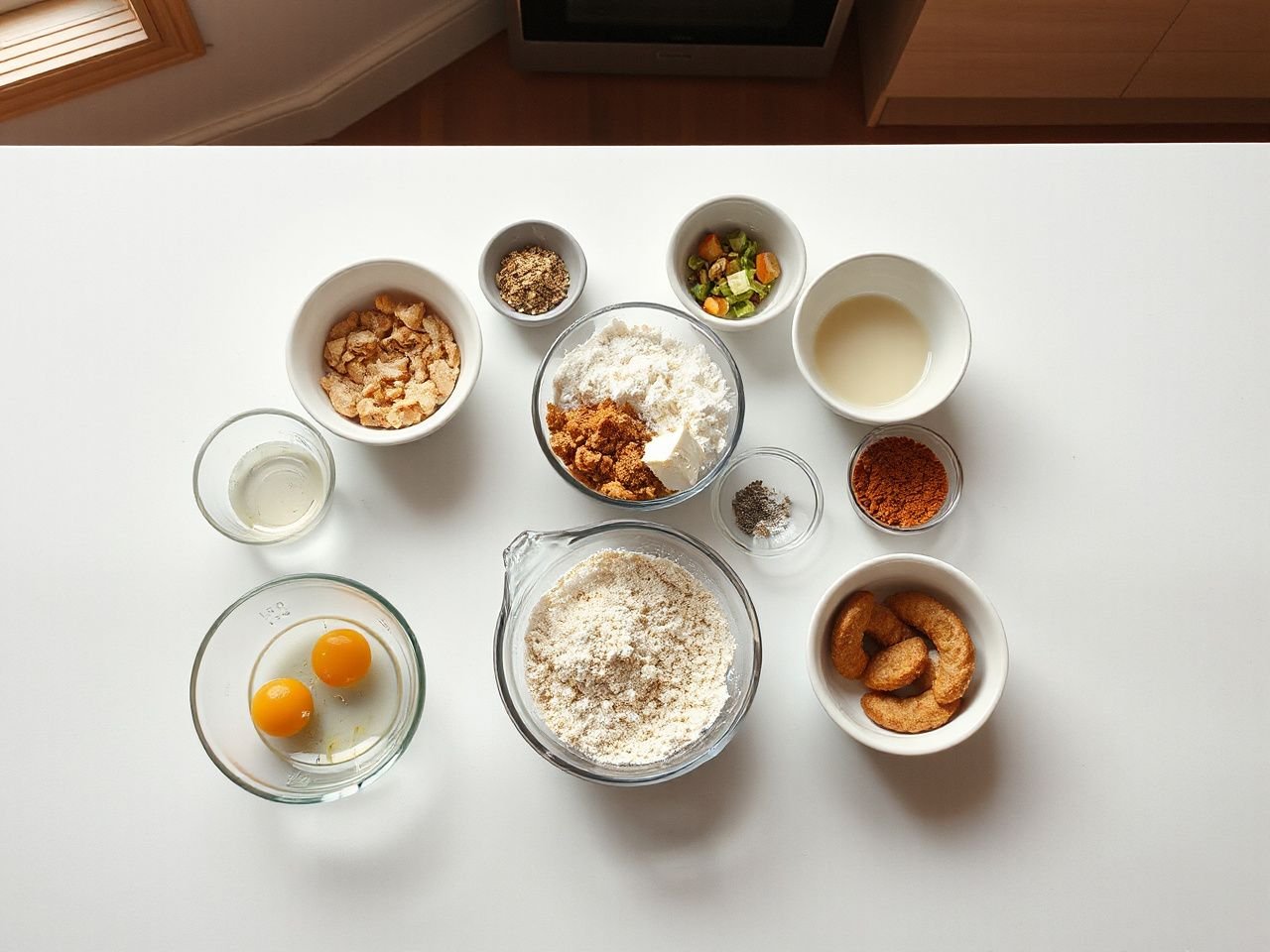
Material controls many handling and care decisions, but geometry controls how the work feels. A bowl with a broad opening, useful depth, a steady base, and a rim that pours cleanly can reduce mess even if its material is otherwise ordinary.
Choose depth for the motion you use
A deep bowl contains ingredients during whisking and reduces the chance that a balloon whisk will throw liquid over the sides. Depth also gives a hand mixer more room to move without immediately striking the rim. However, excessive depth can make scraping the bottom harder, especially with a short spatula.
A shallow bowl offers easier access for folding and scraping. The compromise appears during vigorous whisking, where the mixture has less vertical containment. The right shape depends on the movement: whisking favours containment, while scraping favours reach.
Bowl depth should leave enough clearance for the tool being used. A hand mixer needs space around the beaters, while a balloon whisk needs room for its wires to travel through the mixture without repeatedly hitting the base.
Look for a usable rim
A usable rim supports pouring, scraping, and carrying. A pronounced pouring edge can direct liquids into a pan, measuring cup, or food storage container. A rounded rim may feel comfortable in the hand but can give liquid less direction during a pour.
The rim should also resist catching a spatula. A raised lip that interrupts the tool’s path can leave material behind, forcing extra scraping. Small interruptions become tiring during repeated preparation.
Do not assume that a pour spout makes a bowl easy to pour. Check whether the spout is aligned with the grip, whether the opposite side remains stable, and whether the bowl can be tilted without the contents rushing over the broad edge.
Give the base enough contact
A stable base helps keep the bowl in place during whisking, folding, and scraping. A non-slip base can reduce movement, but its value depends on contact with the counter and the bowl’s overall shape. A narrow or rounded base may still wobble if the bowl is pushed from the side.
Bowls slide when the force from whisking or scraping exceeds the grip between the base and the work surface. A damp counter, crumbs beneath the bowl, or a flexible base can make that movement worse. Clean the contact area, place the bowl on a dry surface, and hold the bowl securely when the mixture is thick.
A bowl that tips easily is poorly matched to the task, even if its material is durable. Stability is part of performance.
Check storage before choosing a set
Nested bowls save space, but the stack should separate without forcing one bowl against another. Repeated pressure can mark plastic and chip or damage fragile edges. A set that nests tightly may also trap moisture between bowls after washing.
Handles, spouts, and non-slip bases can improve use while making storage more difficult. Check whether the bowls fit inside the cupboard or drawer where they will actually live. Mixing bowls that remain on the counter because they do not store well may become clutter rather than useful prep tools.
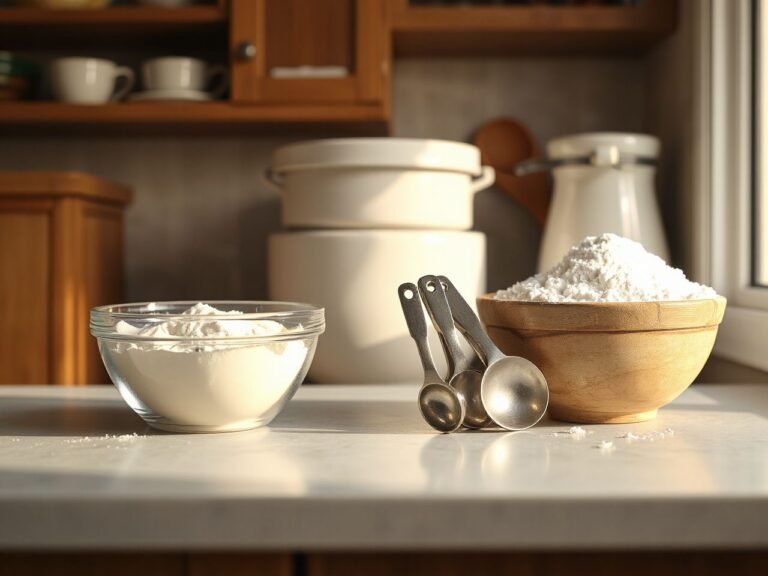
Consider nearby tools too. Measuring cups and measuring spoons handle small quantities, kitchen scales handle weight, and food storage containers handle covered holding. A mixing bowl does not need to perform every one of those jobs to be useful.
Advanced: Match bowls to hand mixers and stand mixers
Powered tools change the selection process because movement becomes faster and more forceful than hand stirring. Bowls used with mixers should be checked for movement, beater clearance, and compatibility with the mixer mechanism before use.
Hand mixer clearance
A hand mixer needs enough room for its beaters to enter the mixture without hitting the base or sides. Repeated contact can damage the bowl, the beaters, or the mixture’s texture. The bowl should also remain stable while the mixer moves through the ingredients.
Deep sides help contain splashes, but a very narrow bowl can trap the beaters against the wall. A broad opening gives the operator more control over the path. Leave enough space to move the mixer rather than holding it in one fixed spot.
Plastic may be light enough to move under mixer force, especially when the base has little grip. Glass may stay planted but can break if struck. Stainless steel avoids breakage from an ordinary drop, yet the mixer can still mark or dent a thin wall if the beaters make contact.
Stand mixer compatibility
A stand mixer requires more than a bowl that fits beneath the head. The bowl must clear the beater, whisk, or dough tool throughout its movement, and the mechanism must accept that bowl’s shape and position. A bowl can look large enough while still placing the tool too high, too low, or too far from the mixture.
Check the stand mixer manual and the bowl’s stated compatibility before use. If the bowl moves, rubs, or leaves a large amount of mixture untouched, stop and reassess rather than forcing the setting.
Readers comparing mixer formats can also review the stand mixer buying guide for clearance and setup questions. A compact machine may impose different space and bowl requirements, so the appliance and bowl should be treated as one system.
Dough, batter, and folding needs
Thick dough places more force on the bowl than a loose dressing. A steady base and comfortable grip matter because the bowl may resist the tool as the mixture gathers. For batter, depth helps contain splashes and gives the mixer room to circulate ingredients.
Folding requires a broad path for a spatula. The tool needs to travel down the side, across the base, and back up through the mixture. A steep shoulder or small opening can leave unmixed pockets along the edge.
A stand mixer bowl is not automatically suitable for hand whisking, and a hand-mixer bowl is not automatically compatible with a stand mixer. The mechanism, clearance, and bowl position must be checked separately.
Preventive care: Stop scratches, stains, odors, and cracks
Care is where material choice becomes a long-term cost decision. A bowl that remains easy to clean is less likely to be discarded for cosmetic or hygiene concerns, while a bowl that retains odors or develops deep scratches may need replacement sooner.
Wash according to the surface
Use the cleaning method stated by the manufacturer when one is provided. Plastic deserves particular attention because scratches can make thorough cleaning harder and because odors may linger after washing. Avoid treating visible wear as a purely cosmetic problem.
Stainless steel can show water marks, dull patches, or scratches from rough handling. Those marks do not all mean the bowl has failed, but deep damage, sharp edges, or corrosion require closer inspection. Drying the bowl after washing helps prevent trapped moisture in rims, seams, or stacked contact points.
Glass and stoneware need careful handling around edges and thermal changes. A crack, chip, or sudden change in appearance is a reason to stop using the bowl for demanding work. Thermal shock can cause failure even when the bowl looked sound immediately beforehand.
Prevent odor and stain transfer
Plastic can retain odor from strongly scented foods and absorb stains from colourful mixtures. Separating bowls by task can reduce transfer, but no material should be assumed immune to every stain. Wash promptly, inspect the interior under good light, and pay attention to smells that remain after cleaning.
Stoneware may show marks in textured or porous-looking finishes, while glass makes residue easy to see. Stainless steel can hide a thin film that becomes more obvious when the bowl dries. A clean-looking surface is useful, but a clean smell and smooth surface also matter.
Store bowls without creating new damage
Dry bowls completely before nesting them. Water trapped between stacked pieces encourages lingering odors and makes the next use unpleasant. Place delicate glass and stoneware where edges will not strike other hard objects during removal.
Do not force bowls apart by twisting one against another. A stuck stack can chip a rim, stress a thin wall, or deform a flexible plastic piece. If bowls have different shapes, store the awkward pieces separately rather than accepting repeated strain for the sake of a tidy stack.
Use food-contact information carefully
Claims about food-contact suitability should be checked against the manufacturer’s documentation, not inferred from colour, shine, or a familiar material name. The U.S. Food and Drug Administration provides food-safety information that can help readers frame questions about materials and intended use.
Independent certification marks also need verification rather than guesswork. The NSF publishes information about public-health standards and certification, so its official material is a better place to check what a mark means than a seller’s short description.
Making the final choice without overbuying
A useful bowl collection covers the motions you perform most often without duplicating shapes that cause the same problem. Start with the foods and tools already in the kitchen, then check whether each bowl supports whisking, folding, scraping, pouring, and storage.
Use a task-first checklist
- For acidic mixtures: confirm material compatibility before using metal, especially with citrus or vinegar.
- For egg whites: choose a clean, smooth bowl with enough room for a balloon whisk and avoid residue that may interfere with the mixture.
- For powered mixing: check movement, beater clearance, rim height, and mixer compatibility.
- For visible texture checks: glass makes contents easier to inspect from the side.
- For frequent carrying: stainless steel or plastic reduces the handling concern created by heavier materials.
- For thick mixtures: prioritise a stable base and a grip that allows controlled scraping.
- For storage: confirm that nesting does not trap moisture or put pressure on rims.
Bowls are not interchangeable simply because they share a general shape. Stainless steel, glass, plastic, and stoneware respond differently to impact, temperature change, staining, odor, weight, and cleaning. Treat each material as a separate working surface.
If a stand mixer is part of the plan, the bowl decision should follow the mixer’s mechanism rather than precede it. Readers who are comparing smaller machines can consult the compact stand mixer guide for questions about footprint and bowl fit. Readers using a handheld appliance should assess the bowl and tool together, as explained in this hand mixer guide to clearance and control.
The best choice is the bowl that keeps its working surfaces accessible, stays put during the motion you use, and remains easy to clean after the mixture leaves. Appearance starts the decision. Geometry and wear should finish it.
Frequently Asked Questions
How do I choose a mixing bowl material for acidic foods?
Start by checking compatibility rather than choosing by appearance. Citrus and vinegar are acidic, and reactive metal bowls can affect acidic or alkaline mixtures. Stainless steel has anti-corrosive properties associated with at least 10.5% chromium, but the label should still identify the material clearly. Glass, plastic, and stoneware each bring different concerns involving impact, staining, odor, and temperature change.
What shape makes whisking and scraping easier?
A bowl needs enough depth to contain whisking and enough opening width for the whisk or spatula to move freely. A balloon whisk benefits from clearance around its wires, while a spatula needs access to the base and corners. A usable rim supports pouring, but a heavy lip or narrow opening can interrupt scraping. Check the full tool path, not only the bowl’s listed size.
Can any mixing bowl be used with a hand mixer or stand mixer?
No. A hand mixer needs beater clearance and a bowl that will not slide or tip during use. A stand mixer also needs the bowl to match the machine’s mechanism and position, with the attachment clearing the sides and base. Check the manual and compatibility information before use. A bowl that rubs, moves, or leaves large unmixed areas is not properly matched.
Why do plastic bowls develop odors and scratches?
Plastic can retain odors, absorb stains, and become scratched through contact with utensils, abrasive cleaning, or repeated use. Scratched surfaces can be harder to clean thoroughly because residue may remain in the damaged areas. Persistent odor, deep scratches, rough patches, or warping should prompt a closer assessment. Replacement costs often arise from accumulated wear rather than one dramatic failure.
How can glass and stoneware bowls be protected from cracking?
Protect them from thermal shock by changing temperature gradually. Glass and stoneware can crack or shatter when moved rapidly between hot and cold conditions. Borosilicate glass tolerates a greater thermal gradient than soda-lime glass, but the exact composition may not be visible from the bowl itself. Avoid sudden transfers, inspect rims for damage, and stop using a bowl with a crack or chip.