A stronger motor does not automatically make a hand mixer the right tool. The useful distinction is whether the mixer can maintain controlled contact with the mixture while the user moves it around the bowl. A sound hand mixer buying guide separates light aeration, everyday batter, and dense dough by attachment, resistance, handling, and heat buildup, while treating a stand mixer as a different workflow rather than a larger version of the same tool.
I am Grant Sullivan, a Kitchen Appliance Analyst, and I approach these machines as a motor-noise sceptic. A mixer that sounds strained while working through stiff dough deserves more scrutiny than one that merely advertises a high power figure. If most of your baking involves light mixtures, a hand mixer may be the more practical appliance; if you regularly prepare heavy dough, the bowl, footprint, and hands-free action of a stand mixer may matter more.
Key Takeaways
- Choose attachments for the mixture: beaters for creaming and batter, whisks for aeration, and dough hooks for suitable dough work.
- Judge power by resistance, sound, heat, and control rather than by a motor figure alone.
- A hand mixer requires active guiding, while a stand mixer holds the bowl and mixing head in place.
Beginner: Start With the Mixtures You Actually Make
Step 1: Separate aeration, batter, and dough
The first decision is not a brand or a speed count. Write down the mixtures you make most often, then place them into practical groups: light mixtures that need air, everyday batters that need even blending, and dense mixtures that resist the attachments.
Light aeration includes work where the whisk or beater needs to move through a relatively fluid mixture while drawing in air. Creaming asks the attachment to combine fat and sugar while changing the texture. Batter usually needs steady movement through ingredients of different thicknesses. Dough creates the greatest resistance, especially as it becomes less fluid and more cohesive.
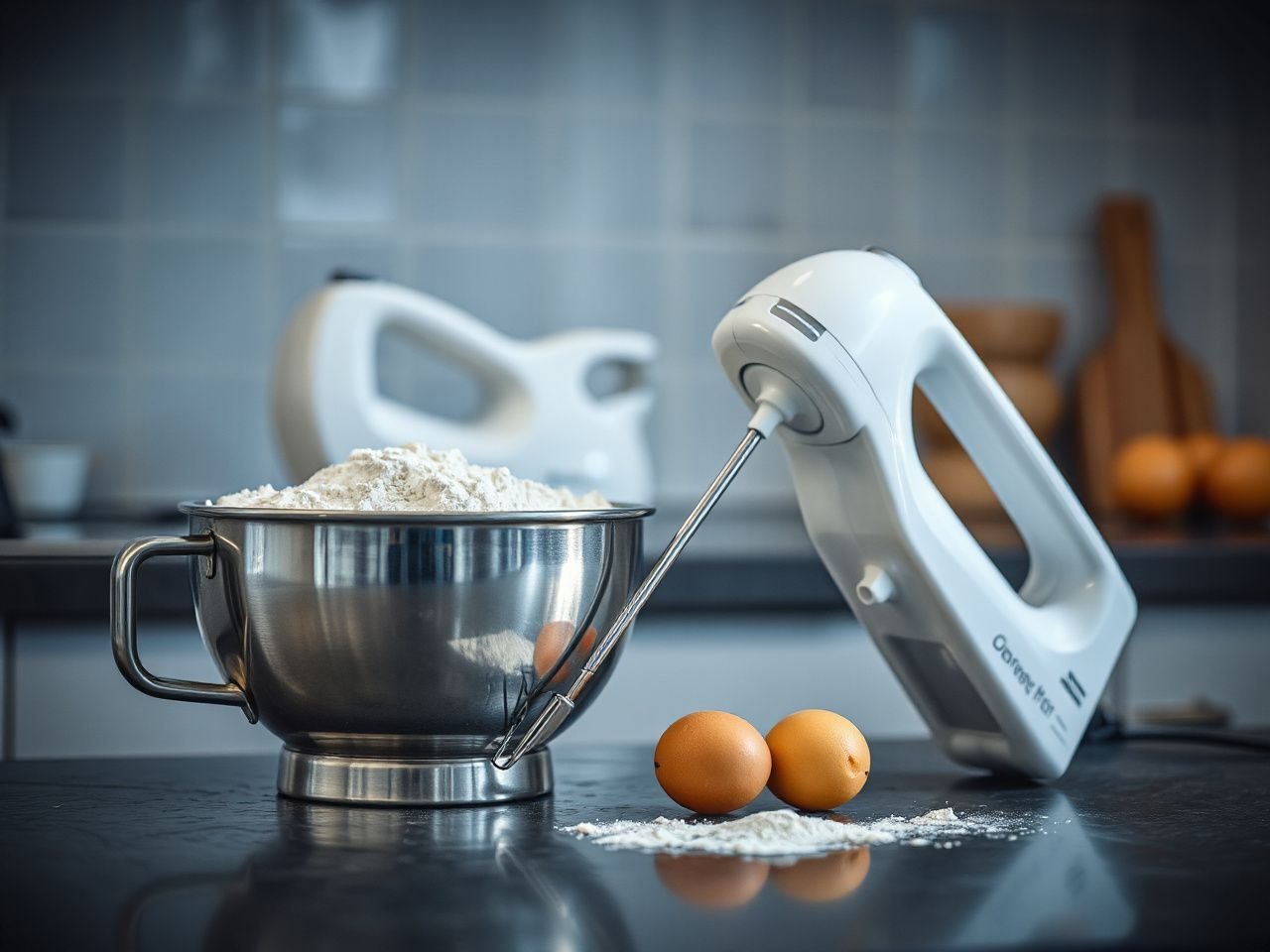
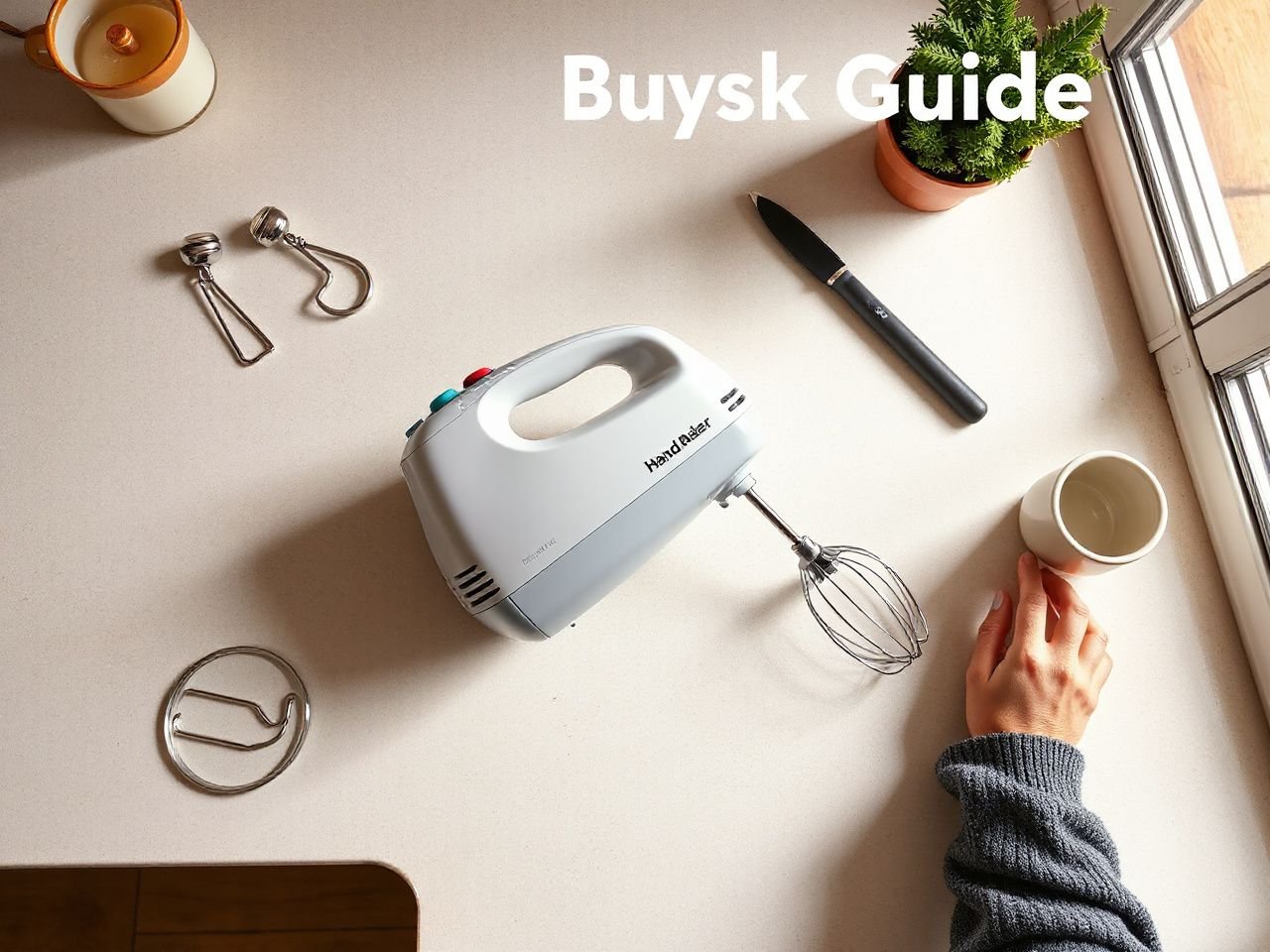
A hand mixer requires the user to guide the beaters through the ingredients, unlike a stand mixer that holds the mixing head and bowl in place. That difference affects effort, bowl shape, noise, and the likelihood of leaving dry ingredients at the bottom.
Step 2: Match the attachment to the job
Beaters, dough hooks, and whisk attachments are designed for different mixtures. The wrong attachment can strain the motor, move poorly through the bowl, or produce a texture that does not match the recipe.
- Beater attachments: Use these for creaming, ordinary batter, and mixtures that need firm contact with the bowl. The user still needs to move the mixer rather than holding it in one place.
- Whisk attachments: Use these when adding air is central to the task. A whisk is shaped for a different flow through the mixture, so substituting beaters may change the result.
- Dough hooks: Some hand mixer models include dough hooks for bread dough and other dense mixtures. Their presence does not make every hand mixer a full substitute for a stand mixer.
Attachment compatibility deserves a close look. Check the manual and the attachment-release mechanism before assuming that a replacement beater or hook will fit. A matching attachment is more important than a drawer full of accessories that cannot be used safely with the motor housing.
Step 3: Think about movement, not just speed
A hand mixer combines air, fat, and liquid by moving its attachments through the ingredients. The rotating beaters break up and distribute ingredients while the user changes position around the bowl. Moving through the centre, along the sides, and across the bottom helps bring untouched material into the attachment path.
Speed control matters because a mixture changes as it becomes smoother, thicker, or more aerated. Starting gently helps limit splashing and flour clouds. A higher setting may suit a mixture that needs more aeration, but the setting should follow the appliance instructions and the recipe rather than a general assumption that maximum speed is always more effective.
Beater movement determines how evenly a hand mixer combines ingredients in a bowl. A stationary mixer can leave pockets at the bottom even while the surface looks smooth, so the user should pause and inspect the base and sides.
Step 4: Select a bowl that helps the appliance
A bowl with enough room for the attachments to move gives the user more control. A very shallow bowl can encourage splashing, while a narrow or sharply curved base can hide unmixed ingredients from the beaters. Bowl shape affects the path of the attachments, so the appliance should not be judged independently from the bowls already in your kitchen.
For creaming, keep the beaters in contact with the mixture without pressing them hard against the bowl. For whisking, guide the attachments through the mixture so the whisk can draw in air. For folding, a hand mixer is usually the wrong tool because its rotating attachments can disturb a delicate mixture more than a manual spatula would.
Intermediate: Judge Motor Load, Noise, and Heat
Why a mixer slows down or sounds strained
A motor can slow when the attachments meet a mixture that offers more resistance than the appliance is designed to handle. Dense dough, heavy batter, an unsuitable attachment, or continuous operation beyond the instructions can increase the load. Noise is useful evidence here: a rising pitch, rough sound, or obvious change in speed suggests that the motor is working harder.
I would treat motor noise as a warning signal rather than a minor annoyance. A quiet appliance is not automatically powerful, and a loud appliance is not automatically defective, but a strained sound paired with slowing deserves a pause. Follow the manual before continuing, and do not force the attachments through a mixture simply to finish the recipe.
A hand mixer motor can overheat when dense mixtures create excessive resistance or the appliance runs continuously beyond its intended use. The instructions set the boundary for operation, so the manual should take priority over a recipe that demands more.
How much power is enough?
Power should be considered alongside the recipes you actually make. Light whipped mixtures place a different demand on a motor than stiff dough. Everyday batter sits between those extremes, and the correct attachment plus controlled movement may matter more than a headline motor figure.
Ask four practical questions before choosing a machine:
- Will the appliance mainly aerate or cream?
- Will it regularly mix thick batter?
- Will it use dough hooks for bread dough?
- Can you comfortably guide it around the bowl while monitoring the motor sound?
If dense dough is occasional, a hand mixer with suitable dough hooks may cover that task when the manual permits it. If heavy dough is central to your routine, a stand mixer changes the workflow because the machine supports the mixing head and bowl while the user monitors the mixture instead of carrying the motor around the bowl.
Stand mixer bowl capacity and countertop footprint become relevant at that point. A stand mixer occupies a permanent or semi-permanent place, but the user does not need to hold its motor housing during mixing. Our Compact Stand Mixer Buying Guide: Worth Knowing First explains the separate space and workflow questions without treating a stand mixer as a larger hand mixer.
When dough hooks make sense
Dough hooks can process bread dough on certain hand mixer models, but the user still needs to control the appliance and watch the motor. Dough hooks are not a promise that every stage of kneading will feel easy. A mixture that repeatedly stalls the attachments or causes a strained sound is asking too much of the machine.
Use the hook shape specified for the mixer, keep the attachments fully inserted, and follow the manual’s operating guidance. If the appliance begins to heat, slow, or stop, switch it off and unplug it before examining the attachments. Do not restart it simply because the dough remains unfinished.
Why the mixer may stop
A stop can result from excessive resistance, heat buildup, an attachment problem, or operation outside the instructions. The safe response is simple: release the control, unplug the appliance, and let the situation settle according to the manual. Check for a lodged mixture, an incorrectly fitted attachment, or visible damage before using it again.
Do not use a hand mixer with a damaged power cord, cracked housing, or damaged attachment-release mechanism. The U.S. Consumer Product Safety Commission publishes consumer product safety information at CPSC.gov, which is a suitable public reference for general appliance safety awareness.
Advanced: Choose the Workflow, Then Check Ownership Details
Hand mixer versus stand mixer
A hand mixer is held and guided by the user. That makes it easy to move around a bowl, use with different bowl sizes, and store without dedicating the counter to a large appliance. The same flexibility means the user supplies the stability, movement, and visual checking.
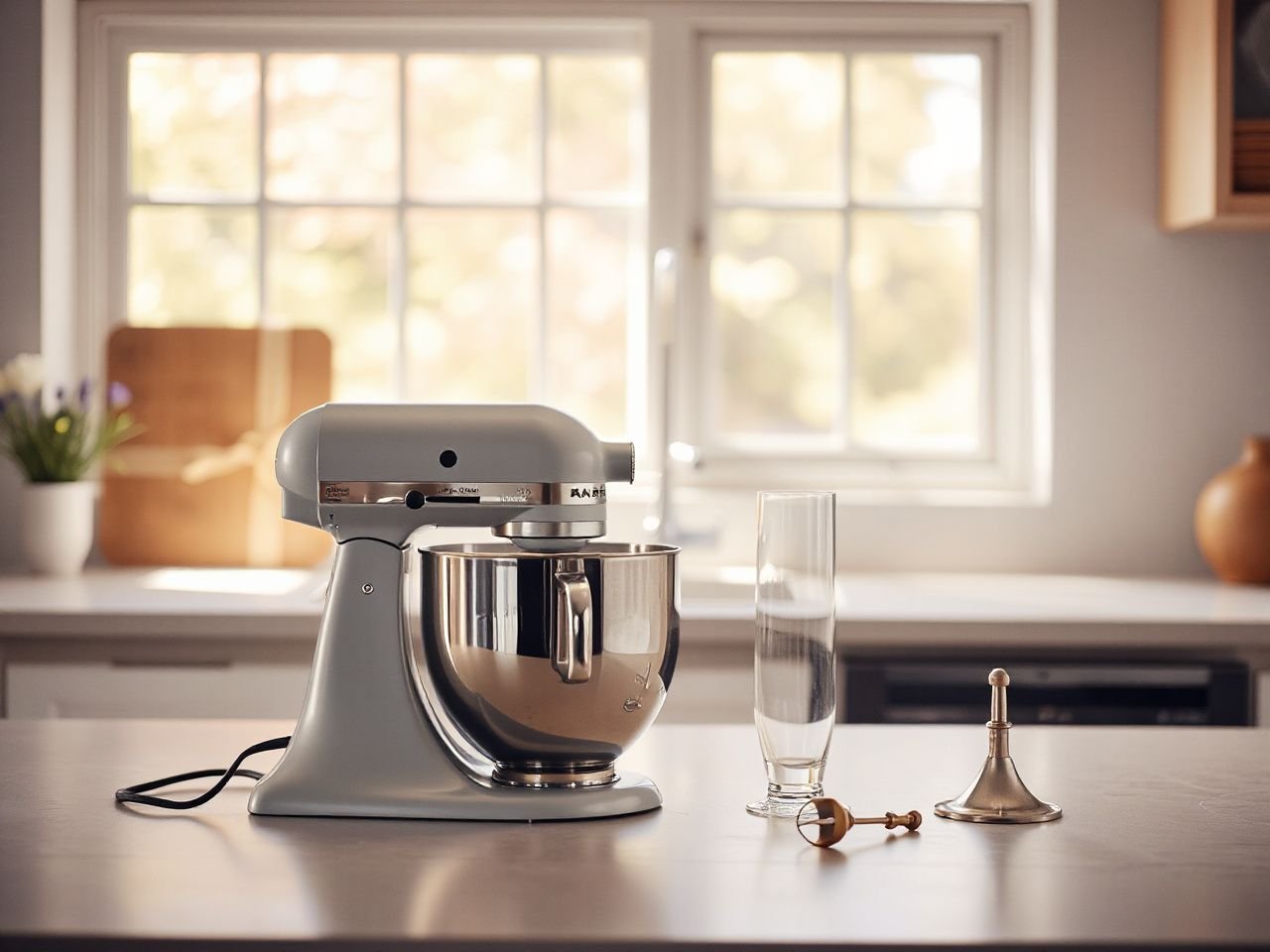
A stand mixer holds the bowl and mixing head in place. That arrangement suits tasks where the mixture needs sustained mechanical action while the user prepares other ingredients, but the appliance has a larger countertop footprint and its bowl becomes part of the system.
A hand mixer is more practical than a stand mixer when portability, quick setup, and flexible bowl choice matter more than hands-free mixing. A stand mixer is more suitable when the user regularly handles resistant mixtures and prefers the machine to remain fixed while mixing.
The distinction also changes how you judge fatigue and noise. With a hand mixer, a rough sound is close to your hand and ear, and the machine’s movement can become awkward as the mixture thickens. With a stand mixer, the user may monitor the bowl without carrying the motor, though the appliance still needs to be used within its instructions.
For a dedicated dough routine, compare the workflow rather than a single specification. Our Dough Mixer Buying Guide: What to Know Before You Start is relevant when bread dough is the main reason for considering a larger machine.
Replacement attachments and ongoing costs
Replacement beaters and dough hooks are not automatically interchangeable across hand mixers. Availability depends on the model and the manufacturer, so record the model number from the rating label and check the manual before ordering or accepting a substitute.
Ongoing ownership costs can include electricity, replacement attachments, and repairs. Electricity use depends on how often and how long the appliance runs, so a small appliance does not have a fixed ownership cost. A damaged cord or attachment mechanism can also turn a simple kitchen tool into a repair decision.
Storage design may affect daily use. Some hand mixers have compartments that hold the power cord and attachments, while others require a separate drawer or container. A body shape that rests flush on a flat counter can improve stability during storage and brief pauses, but the mixer should still be placed where the attachments and cord cannot be pulled or damaged.
Cleaning and storage
Unplug the hand mixer before cleaning. Remove the attachments through the release mechanism, and keep the motor housing out of water. Attachments should be fully released before washing because leaving them connected can expose the housing and controls to moisture.
- Unplug the appliance before touching the attachments.
- Press the release control and remove each beater, hook, or whisk completely.
- Wash the removable attachments using the instructions supplied with the mixer.
- Wipe the motor housing without immersing it in water.
- Dry removable parts before storing them with the appliance.
- Inspect the power cord, housing, and attachment-release mechanism before the next use.
The motor housing of a hand mixer should not be immersed in water. The U.S. Food and Drug Administration provides food-safety information at FDA.gov; appliance cleaning still requires following the manufacturer’s instructions because washable parts and cleaning methods vary by model.
Read the manual before trusting a feature
A speed control, storage compartment, dough hook, or resting shape may sound useful, but the manual explains how that feature is intended to work. Check which attachments are included, how they release, which mixtures are permitted, and what the manufacturer says about operation and cleaning.
Do not assume that more attachments create more capability. A whisk may suit aeration but be unsuitable for a heavy mixture. Dough hooks may be present but still require limited use. Beaters may be the right option for ordinary batter yet leave a poor result if the user never moves them through the bottom of the bowl.
Use the sound and texture as feedback
Good operation has observable signs. The mixture should move with the attachments rather than repeatedly stalling them. The motor should not develop an alarming change in sound as resistance increases. The bowl should show no dry pocket at the base when the mixing stage is complete.
Texture gives another clue. A creamed mixture should appear evenly worked rather than streaked with unmixed fat. Batter should not have dry flour hiding along the bottom. A whipped mixture should reflect the recipe’s intended appearance without requiring the user to force the mixer through resistance.
I prefer these observations to vague claims about raw power. A motor figure cannot tell you how well the user can guide the attachments, how the appliance sounds under load, or how easily the bowl reveals unmixed ingredients.
Frequently Asked Questions
What is the difference between a hand mixer and a stand mixer?
A hand mixer requires the user to hold and guide the motor housing around the bowl. A stand mixer holds the bowl and mixing head in place, which changes the effort involved in heavy batter and dough. A hand mixer suits flexible bowl choice and quick storage, while a stand mixer suits repeated hands-free mixing and a kitchen with room for its countertop footprint.
Which attachment should I use for creaming, whipping, and batter?
Use beater attachments for creaming and ordinary batter, whisk attachments when adding air is the main task, and dough hooks only when the hand mixer manual permits them for dense mixtures. The attachment shape controls how the mixture moves, so substituting one type for another can increase motor strain or produce an uneven result.
Can a hand mixer knead bread dough?
Certain hand mixer models include dough hooks for bread dough, but the manual determines whether that use is permitted. Watch for slowing, heat, or a strained motor sound. Stop and unplug the appliance if those signs appear. A stand mixer may provide a more suitable workflow when dense dough is a frequent task rather than an occasional one.
Why do beaters leave ingredients at the bottom of the bowl?
Beaters can leave unmixed ingredients behind when the user holds the mixer in one place or the bowl shape hides the base. Move the attachments around the sides and centre, pause to scrape the bowl with a spatula, and inspect the bottom before increasing speed. A larger bowl is not automatically better if its shape keeps ingredients outside the attachment path.
How should I clean and store a hand mixer?
Unplug the appliance, release and remove every attachment, and wash only the parts identified as removable in the instructions. Keep the motor housing out of water and wipe it instead. Store the dry attachments and power cord so they cannot bend, snag, or damage the release mechanism. Do not use the mixer if the cord or housing is damaged.
What should I check before buying replacement beaters or dough hooks?
Check the exact model number and the attachment list in the manual. Replacement parts must match the appliance’s fitting and release mechanism; a similar-looking hook or beater may not be suitable. Availability also varies by model, so confirm that the required part can be obtained before treating the mixer as a long-term dough tool.
Does a higher speed count mean a better hand mixer?
A higher speed count does not by itself show how well a hand mixer handles your recipes. Speed control is useful when a mixture changes from loose to thick or needs aeration, but attachment choice, motor sound, user guidance, and heat buildup matter just as much. Select a machine whose controls fit your actual mixing tasks.
Is a hand mixer suitable for delicate mixtures?
A hand mixer can handle light aeration when the whisk or beater attachment is appropriate and the user controls movement carefully. Delicate mixtures may need folding rather than powered mixing, especially after air has been incorporated. If the recipe calls for a gentle spatula fold, rotating attachments can disturb the structure more than the recommended manual technique.
What does a motor noise sceptic listen for?
I listen for a change under resistance rather than judging volume alone. A rough tone, slowing, or repeated surging suggests that the mixture, attachment, or operating pattern is placing extra demand on the motor. Stop, unplug, and consult the manual before continuing. A quieter sound is not proof of strength, and a louder sound is not proof of failure.