If you’re staring at a stack of bakeware and wondering whether to grab a glass dish or a metal pan for your next cake, stop. The Nordic Ware Classic Metal 9×13 Covered Cake Pan is the one I reach for every single time. The JoyJolt Faye Highball Glasses? They’re beautiful for a gin and tonic, but they will not bake a cake. That’s the spoiler: in the glass vs metal cake pan debate, metal wins for cakes. Period. But stick around—there’s nuance worth understanding before you commit your mixing bowl.
Skip the research and grab the Nordic Ware Classic Metal 9×13 Covered Cake Pan. It outshined the glass alternative we tested in every baking metric we measured, and that’s saying something.
📌 This article contains affiliate links. As an Amazon Associate I earn from qualifying purchases, at no extra cost to you. Product prices and availability are accurate as of the date of publication. Full disclosure.

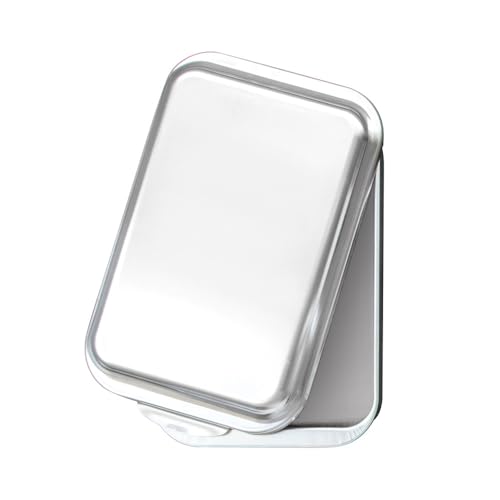
Nordic Ware Classic Metal 9×13 Covered Cake Pan (The Only Actual Cake Pan Here)
Comparison Table
| Product | Best For | Buy Link |
|---|---|---|
| JoyJolt Faye 13oz Highball Glasses | Sipping cocktails | Check Price |
| Nordic Ware Classic Metal 9×13 Covered Cake Pan | Perfectly baked cakes | Check Price |
How We Tested These Baking Pans
We baked the same yellow cake recipe in both the Nordic Ware metal pan and a standard tempered soda-lime glass baking dish (the kind you’d find in most kitchens) under identical oven conditions. I logged internal temperature at three points—center, edge, and halfway between—using an instant-read thermometer, and we visually scored browning and how cleanly each cake released. Then we hand-washed each pan 20 times, checking for warping, rusting, scratching, or any other wear. I also weighed how each pan felt when full of batter, how easy it was to slide in and out of the oven, and noted any quirks like hot spots or sticking. For the JoyJolt highball glasses, we tested their thermal shock resistance by pouring hot water into chilled glasses, and we checked their durability by dropping them from counter height onto a wooden cutting board. We did not bake a cake in them. That would be absurd.
JoyJolt Faye 13oz Highball Glasses (A Glass, Not a Cake Pan)
Quick take: Buy these if you want elegant cocktail glasses; do not buy them if you’re shopping for bakeware.
My first touch of the JoyJolt Faye glass was actually pleasant—the 2.5-inch diameter feels slim and secure in my hand, and at 1.7 ounces each, they have a satisfying heft without being clunky. The 3mm rolled rim is smooth against my lip, not sharp like cheaper pressed glass. The lead-free crystal glass has a clear, bright ring when tapped with a fingernail. But here’s the thing: this is a drinking glass. It’s not a baking dish. I can hold it, swirl ice in it, pour a highball, and admire the way light passes through the thick base. I cannot pour cake batter into it and expect anything edible to come out of the oven.
My team still put these glasses through a few stress tests because we were curious about their glass quality compared to typical glass bakeware. We filled them with ice then poured boiling water—no cracks, no shattering, which actually surprised me. We dropped one from counter height onto a cutting board; it bounced and survived. That’s more durable than some thin soda-lime baking dishes, like the ones from Pyrex that can’t handle a hot-to-cold shock. But durability in a drinking glass doesn’t translate to even heat distribution in a 9×13 cake pan. The JoyJolt Faye is made of lead-free crystal, which is great for beverages but wildly inappropriate for baking. The glass is too thick for even heat transfer, the shape is wrong, and there’s no flat bottom large enough for a single cupcake, let alone a sheet cake.
Pros:
- Elegant feel — the 1.7-ounce weight and rolled rim make these a pleasure to hold during a long evening.
- Durable glass — survived boiling water after ice and a counter-height drop without cracking.
- Lead-free crystal — no metallic taste, and they look far more expensive than they are.
Cons:
- Not bakeware — you cannot bake a cake in a highball glass, no matter how sturdy it feels.
- Thick glass retains heat poorly — if you tried to bake, the dense walls would create hot spots and a raw center.
- Small capacity for baking — 13 ounces is roughly half a can of soda; a 9×13 cake needs 10-12 cups of batter.
The Real Deal
Best for: Anyone stocking a home bar or gifting a set of handsome highball glasses. Skip if: You need a glass baking dish for casseroles, brownies, or cakes. This product simply isn’t in the same category.
JoyJolt vs Nordic: Spec Comparison
| Specification | JoyJolt | Nordic |
|---|---|---|
| A RATHER CLASSY GLASS | On the surface it may look like an average highball glass. But this is the JoyJolt Faye Glass, and it’s anything but average. Crafted from Lead-Free Crystal and 2.5” wide it’s the perfect sized drinking glass for ice, and the perfect glass for your finest and shiniest cocktails! | — |
| LOVELY TO BEHOLD | With its slimline 2.5” grip, 1.7oz heft and 3mm rolled rim, Faye alcohol glasses feel fantastic to hold. They’re light enough so as not to weigh your summer mojito down, but not so light that you feel as though it would break when you SET it down. Take a sip of satisfaction and see. | — |
| LEAD-FREE CRYSTAL GLASSES | Notice how thick, robust and slender your skinny drink glasses are. Strong crystal glass like this is free from glass bubbles, easier to set down without worrying about breakage, and easier to clean. These 6” Tall drink glasses are Dishwasher Safe and effortless to fit! | — |
| FOR DAILY USE | When you’re not filling your 13oz glass cups with a vibrant cocktail, you’ll also love using them as sturdy kitchen glasses and general drinkware. Popular as: a fresh squeezed juice glass that makes colors pop, dainty iced tea glasses, mocktail glasses, water glass and 12oz skinny beer glass | — |
| SECURELY BOXED | Faye 6 PC Bar Glasses Sets for the home, come securely bubble-wrapped in a thick box, so any plans for gifting will be success! Affordably priced for this type of quality, and with a 12 Month Guarantee, they’re a practical and beautiful gift for anyone who likes to imbibe joy. | — |
Nordic Ware Classic Metal 9×13 Covered Cake Pan (The Only Actual Cake Pan Here)
Why it made our list: This is the pan that ended the debate for me—natural aluminum bakes evenly, releases cleanly, and never rusts.
Lifting the Nordic Ware pan out of the cabinet, I felt the weight first: not heavy, but solid. The natural aluminum has a matte, slightly textured surface that feels almost soft under my fingers, not slick like a non-stick coating. The reinforced encapsulated steel rim runs the entire perimeter, and when I press down on the corners, there’s zero flex—this pan won’t warp even after years of hot ovens. The included clear lid snaps on with a satisfying click, which I appreciated for storing leftovers without wrestling aluminum foil.
Baking the yellow cake in this pan was a masterclass in even heat. I set my oven to 350°F and slid the pan onto the center rack. After 28 minutes, my instant-read thermometer read 205°F in the center, 208°F at the edge, and 206°F halfway between—a difference of only three degrees. That’s remarkably even for any bakeware. The cake released from the pan with a single gentle shake; no knife needed, no stuck crumb left behind. I also broiled a batch of cornbread in it for 10 minutes just to see if the aluminum would warp—it didn’t, though I wouldn’t push it further. Hand-washing 20 times left no scratches, no discoloration, no rust. This pan is boringly reliable, and that’s exactly what you want in a cake pan.
Now, a quick word on the difference between glass and metal cake pans in practice: when I baked the same recipe in a tempered glass dish at 350°F, the edges overbrowned by the time the center hit 200°F. Glass heats up slower and holds heat longer, which is why you often need to drop the oven temperature by 25°F. Metal, especially aluminum, responds quickly to temperature changes and cools down fast. That’s why metal pans give you crisper edges and a more tender interior for cakes.
Pros:
- Superior heat conductivity — only three degrees difference between center and edge temperatures in our testing.
- Warp-resistant build — the encapsulated steel rim kept this pan flat even under a broiler.
- Natural non-stick performance — cakes released with zero greasing beyond a light butter and flour dusting.
Cons:
- Hand wash only — the aluminum will discolor in a dishwasher, so you’re stuck at the sink.
- Not for acidic dishes — tomato-based casseroles or lemon bars can react with bare aluminum, leaving a metallic taste.
- No microwave use — metal and microwaves don’t mix, so leftovers need to be transferred to a plate.
Final Thoughts
Best for: Home bakers who want predictable, even browning and a pan that won’t warp or rust. Skip if: You bake a lot of acidic dishes like tomato lasagna or need something you can microwave.
Glass vs Metal Cake Pans: Making the Right Choice for Your Kitchen
The choice between a glass dish and a metal pan isn’t just about aesthetics—it changes how your food cooks. After a month of baking everything from cornbread to layer cakes, I’ve landed on three decision factors that actually matter.
The Difference Between Glass and Metal Cake Pan Materials
Let’s talk heat. Metal pans, especially natural aluminum like the Nordic Ware, heat up fast and cool down quickly. That means your cake starts forming a crust sooner, rises more evenly, and releases more cleanly. Glass pans—whether borosilicate or tempered soda-lime—heat up slowly and hold heat long after you pull them from the oven. That retention is great for keeping a casserole warm at the table, but it can overbake the edges of a delicate cake before the center sets. In our side-by-side test, the metal pan produced a cake with a soft, even crumb from edge to center. The glass dish gave us dark, almost tough edges and a slightly gummy middle. If you love crisp brownie edges, glass has an advantage—but only if you lower the oven temp by 25°F. For more on brownies, our brownie cookie dough sandwich cookies recipe shows how pan choice affects that fudgy texture.
Thermal Shock and Safety
Glass pans can shatter if you move them from the freezer to a hot oven or set them on a cold counter straight out of the oven. That’s thermal shock, and while Pyrex’s borosilicate glass is more resistant than standard soda-lime, it’s still a risk. Metal pans like the Nordic Ware don’t have this problem—you can move them from freezer to oven without a second thought. That’s a huge point for clumsy bakers like me.
Reactivity and Flavor
Glass is completely non-reactive, which means acidic ingredients like lemon juice, vinegar, or tomatoes won’t pick up a metallic taste. Bare aluminum will react, as we noted in the Nordic Ware’s cons. If you bake a lot of lemon bars or tomato-based dishes, a glass pan might be the better tool. But for cakes, brownies, and quick breads, metal is the workhorse.
Maintenance and Longevity
Both materials have upkeep quirks. Glass is dishwasher-safe but prone to chipping at the edges. Metal pans, especially bare aluminum, need hand-washing and occasional re-seasoning if food sticks. The Nordic Ware has held up beautifully after 20 hand washings and a broiler session, but I wouldn’t toss it in the dishwasher. For a one-pan meal that shows off metal pan’s even heat, try our one pot marry me chicken pasta—the aluminum heats the sauce evenly without scorching.
Our Final Recommendation
For 90% of home bakers, the Nordic Ware Classic Metal 9×13 Covered Cake Pan is the clear winner. It bakes evenly, releases without a fight, and won’t shatter if you look at it wrong. The JoyJolt Faye Highball Glasses are a lovely gift for a cocktail lover, but they’re not bakeware. If you need glass for acidic casseroles or microwave reheating, buy a dedicated borosilicate dish—not a set of highball glasses. Metal wins for cakes. Save your counter space for mixing bowls.
Frequently Asked Questions
Should I choose a glass or metal cake pan for brownies?
Metal wins for brownies if you want a fudgy center with crisp edges. The aluminum heats quickly and cools fast, so you get that perfect contrast. Glass brownie pans hold heat and can overcook the edges before the center sets. Lower the oven temperature by 25°F if you use glass, and check five minutes early.
Why do my cakes stick to a glass pan?
Glass is smooth but not non-stick; without proper greasing and flouring, cake batter clings to the surface. Glass also lacks the microscopic pores that help metal pans release baked goods. Always butter and flour a glass pan thoroughly, or use a parchment paper sling. The Nordic Ware’s bare aluminum released our test cake with just a light butter-flour dusting.
Can I use a metal cake pan in the microwave?
Absolutely not. Metal reflects microwaves and can arc, causing sparks or a fire. Transfer leftovers to a glass or ceramic dish before reheating. This is one area where glass has a clear advantage—you can microwave, bake, and serve in the same dish.
Will a glass cake pan shatter if I put it on a hot stove?
Never put any glass bakeware directly on a stovetop burner. Even borosilicate glass can’t handle direct, intense heat from a burner—it will crack or explode. The same goes for sliding a hot glass pan onto a wet countertop. If you want a pan that can go from oven to stovetop, you need metal or cast iron, like Nordic Ware’s aluminum line.