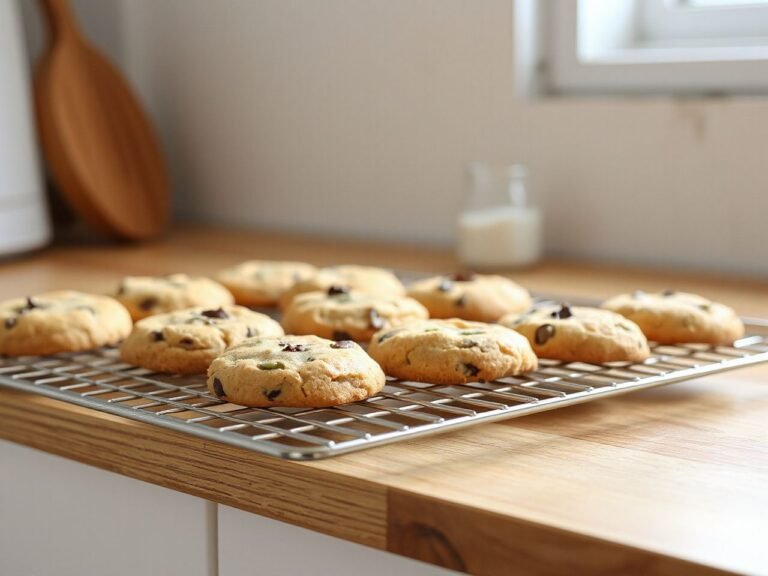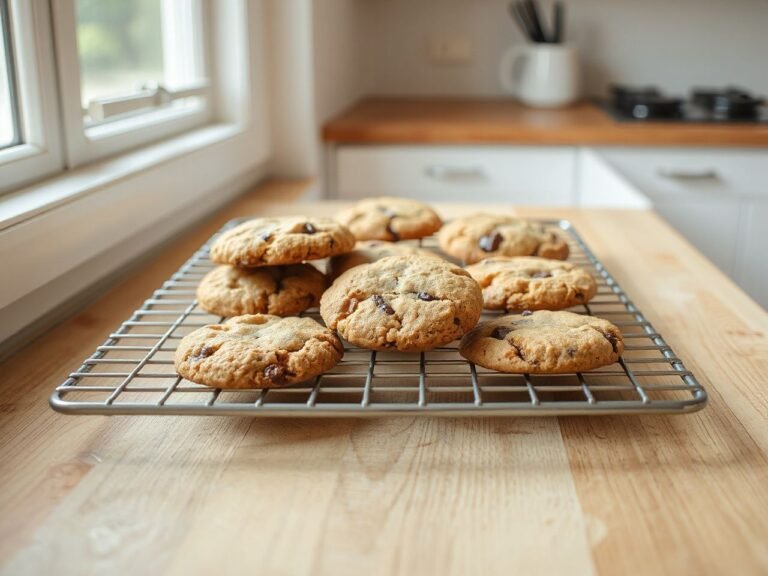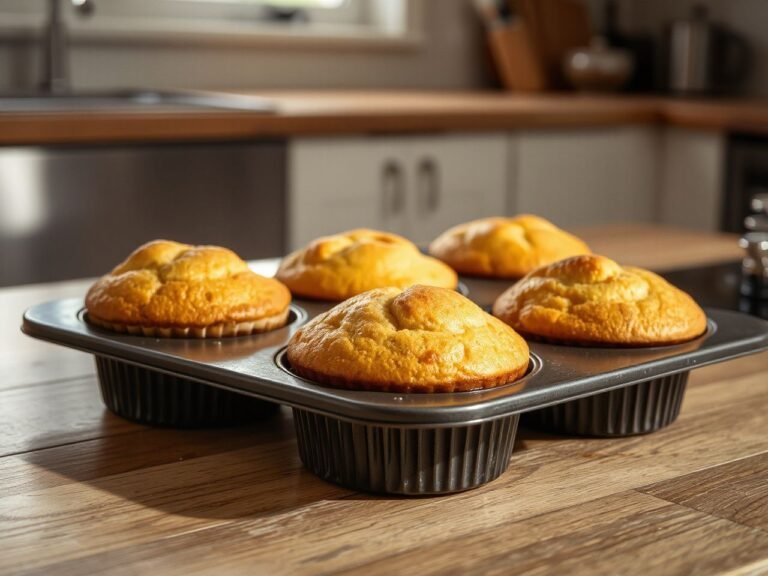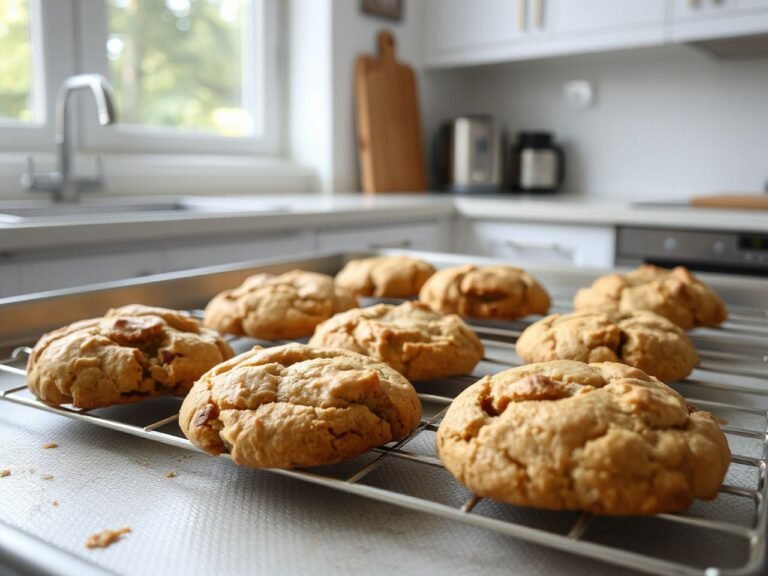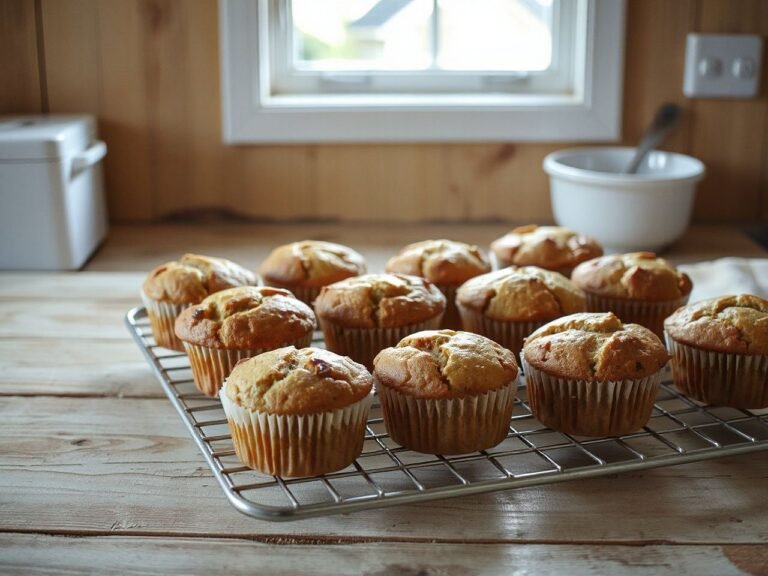
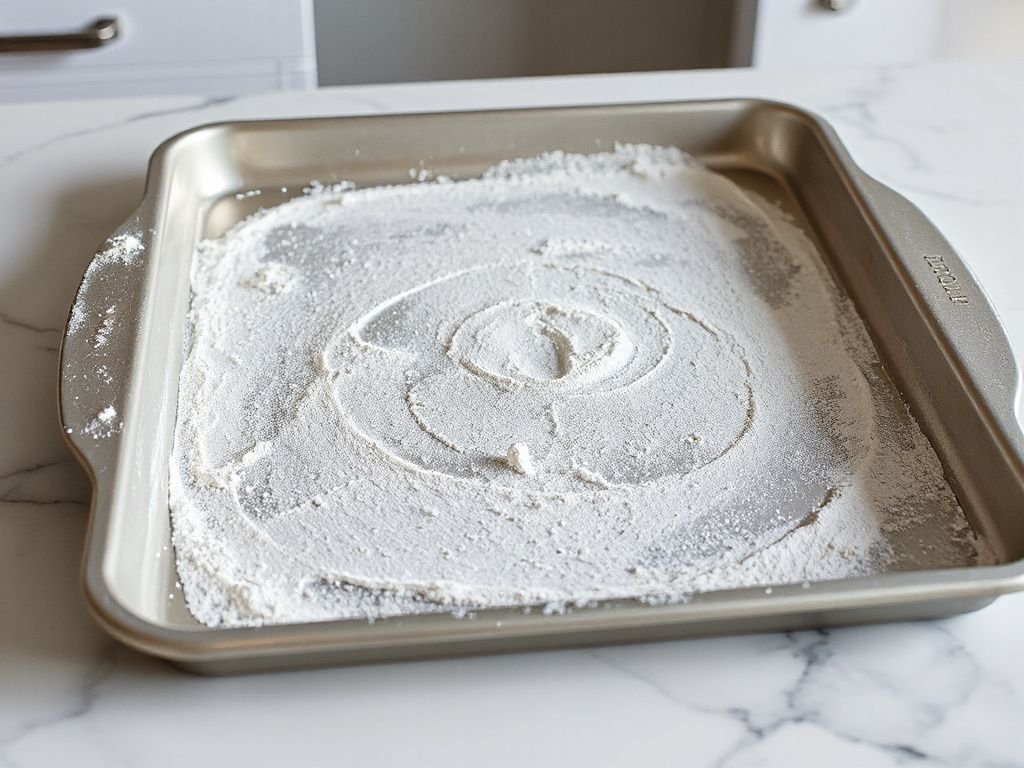
The gap between a bare aluminum sheet and a dark non-stick one can be 25°F or more inside the same oven, and that temperature swing determines whether your cookies slide off cleanly or fuse to the metal. So do you need to grease a baking sheet? The short answer: sometimes, but not always, and using the wrong method for your pan can cause more sticking than it solves. The real issue isn’t whether the sheet is labeled non-stick—it’s how well the sheet conducts heat and what the recipe’s fat content is. Greasing a light-colored aluminum sheet is close to a safe bet, because a pale surface reflects rather than absorbs radiant heat, so the added fat has very little extra heat to carry into the dough. Greasing a dark, thin steel sheet is the risky one: that surface already runs hotter, the film of fat conducts the difference straight into the bottoms, and over-browning follows, so a parchment liner is often better. Beginners think greasing is about adding oil to prevent sticking, but it’s really about managing heat transfer and the chemical bond between the food and the metal’s surface.
Key Takeaways
- Greasing is mandatory for bare aluminum or stainless steel sheets, but unnecessary and often counterproductive on intact non-stick coatings.
- Parchment paper and silicone mats eliminate the need to grease in most cases, though parchment smokes above 420°F.
- Never grease a sheet for meringues, macarons, or any foam-based recipe—the fat collapses the structure.
Why Baking Sheets Stick in the First Place
The Science of Sticking
Food bonds to metal through two main mechanisms. Proteins in eggs, meat, and flour denature under heat and latch onto microscopic pores in the pan’s surface. Sugars caramelize and turn sticky, then cool into a hard glass-like layer that grips the metal. A thin film of oil or fat fills those pores and creates a physical barrier between the food and the sheet. That is why greasing works on uncoated metals. On a smooth non-stick surface, however, the pores are already sealed with a polymer coating, and adding oil can actually degrade that coating at high temperatures.
How Pan Material Changes the Equation
Aluminum conducts heat quickly and evenly, which makes it the standard choice for half-sheet pans. Stainless steel heats more slowly but holds heat well—both materials have microscopic pores that food can grip, so greasing is usually required. Dark-coated steel pans, including many cheap non-stick models, absorb more radiant heat and can run hot enough to burn the bottom of cookies before the centers set. That excess heat also breaks down many thin non-stick coatings, leaving visible scratches where food grabs. According to the FDA’s guidance on food-contact coatings, PTFE (Teflon) coatings are stable up to about 500°F, but prolonged exposure to high heat can cause them to degrade and release fumes.
Fat Content in the Recipe Matters More Than You Think
A cookie dough with 12% butter by weight will release from a bare sheet far easier than one with 6% fat. The dough itself supplies a layer of liquid fat as it bakes, which acts as a natural release agent. For very buttery recipes like brownie cookie dough sandwich cookies, greasing a light aluminum pan is often unnecessary because the dough releases enough fat on its own. Conversely, low-fat batters like sponge cake or fat-free meringue will bond aggressively to ungreased metal and tear when you try to remove them.
When You Actually Need to Grease a Baking Sheet
Bare Aluminum and Stainless Steel Pans
Bare aluminum sheets have no factory coating, so a thin layer of fat is typically required to prevent food from bonding to the metal. The same applies to stainless steel, which has a slightly rougher surface at the microscopic level. Use a neutral oil with a high smoke point—avocado oil, refined peanut oil, or light olive oil—and wipe the entire surface, including corners and edges. Do not use butter on its own, because butter is roughly 18% water and that water can create steam pockets that actually promote sticking.
Roasting Vegetables and Savory Foods
Root vegetables, chicken thighs, and fish fillets all benefit from a lightly greased sheet before roasting. The oil helps conduct heat directly into the food’s surface, promoting browning and preventing the natural sugars from welding to the pan. A paper towel dipped in oil gives you a thin, even coat without pooling, which can cause uneven browning. For vegetables with a high starch content like potatoes or parsnips, greasing is non-negotiable—the starches gelatinize and act like glue on bare metal.
High-Sugar or Low-Fat Recipes
Anything with a sugar-to-flour ratio above 1:1—like lace cookies, tuiles, or brittle—will caramelise aggressively and stick to bare metal. Grease the pan thoroughly, or better yet, use a silicone baking mat, because sugar becomes extremely sticky at temperatures above 300°F and will tear parchment paper when you try to peel it away. For low-fat batters such as fat-free chocolate cake or egg-white based cookies, greasing is essential because there is no internal fat to act as a release agent.
When You Should Skip the Grease
Non-Stick Coated Pans (Even Damaged Ones)
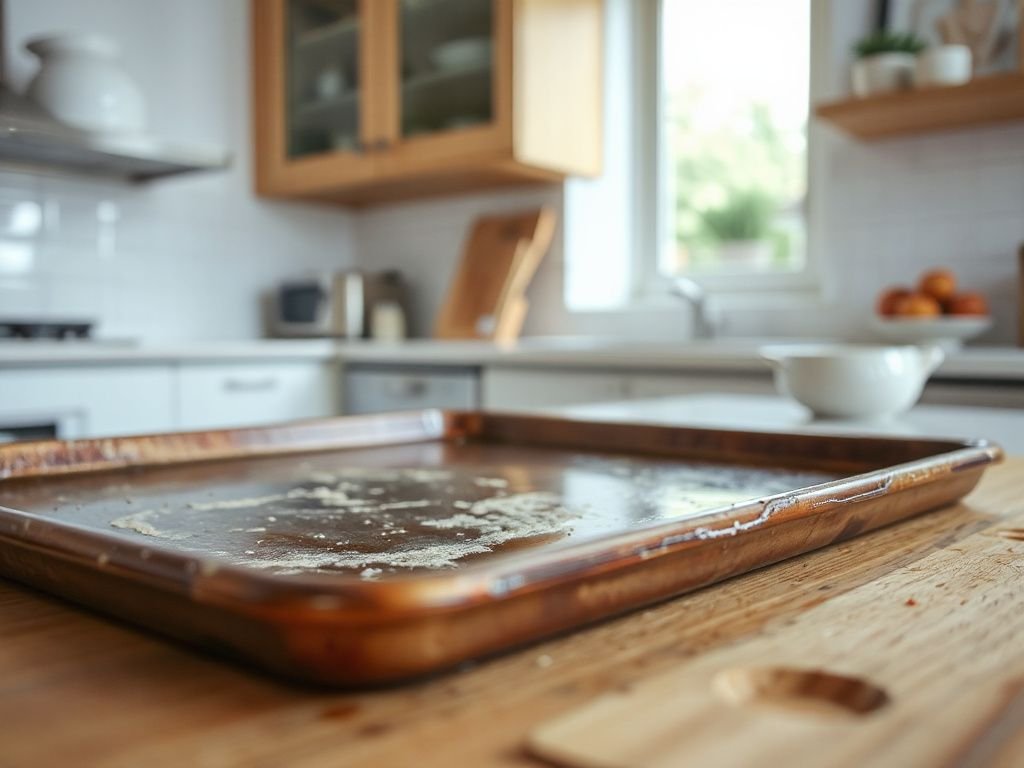
A new non-stick baking sheet does not require any additional grease, and adding oil or butter can actually shorten the coating’s lifespan. The coating itself is a polymer that fills the metal’s pores, so food releases without fat. If your non-stick pan is scratched and food sticks anyway, greasing will not restore a degraded surface. The scratches expose bare metal underneath, and while a thin layer of oil might temporarily help, the coating will continue to flake. Replace the pan instead of trying to salvage it with grease.
Recipes That Demand a Dry Surface
Meringues, macarons, angel food cake, and any foam-based batter rely on the mixture gripping a dry surface to rise properly. If you grease the sheet, the foam slides around, loses its structure, and spreads into a flat pancake. Recipes for meringue cookies often specify to line the pan with parchment and absolutely not grease anything. A single drop of oil in a macaron batter can ruin an entire batch by preventing the meringue from developing its characteristic feet.
When Using Parchment or Silicone Mats
Parchment paper and silicone baking mats both eliminate the need to grease in almost every application. Parchment provides a physical barrier, while silicone is non-stick by nature. However, parchment has a temperature limit—most brands start to smoke and darken above 420°F, so for high-heat roasting you should either grease a bare sheet or use a silicone mat rated for higher temperatures. Silicone mats are reusable but can impart a faint rubbery smell to delicate baked goods if used repeatedly at high heat.
How to Grease a Baking Sheet the Right Way
Choosing Your Grease: Butter, Oil, or Spray
Solid butter contains water and milk solids that can burn at temperatures above 350°F, leaving brown specks that stick. Clarified butter or ghee removes those solids and works better at high heat. Neutral oils like canola, grapeseed, or avocado are the most reliable because they have no water content and high smoke points. Non-stick cooking spray is convenient but leaves a residue that builds up over time; if you use it, spray a paper towel and wipe, never spray directly onto a hot pan.
Step-by-Step Greasing Technique
- Start with a clean, dry sheet. Any moisture will create steam and prevent the oil from adhering.
- Pour a teaspoon of oil onto a folded paper towel, not directly onto the pan.
- Wipe the entire surface in one direction, then go back over it in the opposite direction to cover any missed spots.
- For corners and raised edges, use your fingertip with a tiny dab of oil.
- If you see any pooling or dripping, wipe again with a clean side of the towel. A thin, almost invisible film is ideal.
You can also grease, then line with parchment for extra insurance. The grease helps the parchment stay flat and prevents it from sliding when you arrange dough on top.
Parchment Paper vs Greasing: Cost and Performance
A roll of parchment paper costs around $4 for 40 feet, which works out to less than a dime per sheet. A teaspoon of avocado oil costs about 3 cents. So greasing is cheaper per use, but parchment offers a cleaner release and zero cleanup. For cookies that spread a lot, parchment can also reduce over-browning on the bottom because it insulates slightly from the hot metal. That is a hidden advantage many bakers miss. Whether it is cheaper to use parchment or grease depends on how much you value time and pan longevity—grease requires scrubbing, and that scrubbing wears down your sheet’s surface over years.
Frequently Asked Questions
Do I need to grease a non-stick baking sheet?
No. A non-stick coated sheet in good condition does not require any grease, and adding oil or butter can leave a residue that degrades the coating over time. If your non-stick pan is scratched and food sticks, greasing will not repair the surface—replace the pan instead.
What happens if I don’t grease a regular aluminum baking sheet?
Bare aluminum has microscopic pores that proteins and sugars grab onto during baking. Without a thin layer of fat, cookies, roasted vegetables, and high-sugar items will stick and tear when you try to remove them. A lightly oiled paper towel wiped over the entire surface solves this for most recipes.
Can I use parchment paper instead of greasing?
Yes, parchment paper works as a physical barrier and eliminates the need to grease in nearly all cases, including cookies, biscuits, and roasting vegetables. However, standard parchment smokes above 420°F, so for very high-heat roasting, use a silicone mat or grease a bare sheet instead.
Why do my cookies stick even after greasing?
Three common causes: you used too much grease and it pooled, creating steam pockets; you used butter on a hot pan and the milk solids burned; or your baking sheet is scratched or has a damaged coating. Wipe the pan with a dry paper towel after greasing to remove excess, and consider a recipe like this easy brownie mix cookies recipe which has a higher fat content and releases more readily.
Do I need to grease a baking sheet for roasting vegetables?
Yes, unless you use parchment or a silicone mat. Roasted vegetables release natural sugars that caramelise and bond to bare metal. A thin layer of neutral oil on the sheet promotes even browning and makes cleanup far easier. Toss the vegetables in oil too, but the pan itself still needs its own coat.
Can I reuse a greased baking sheet without washing?
No. Reusing a greased sheet without washing leaves polymerised oil and food residue that builds up into a sticky, dark film. That film causes uneven browning and can impart off-flavours. Wash the sheet in hot soapy water after each use, dry it completely, and re-grease only when the next recipe calls for it. For an example of a dough that benefits from a clean, properly greased sheet, try this edible cookie dough recipe when you want to test your pan’s release without baking.