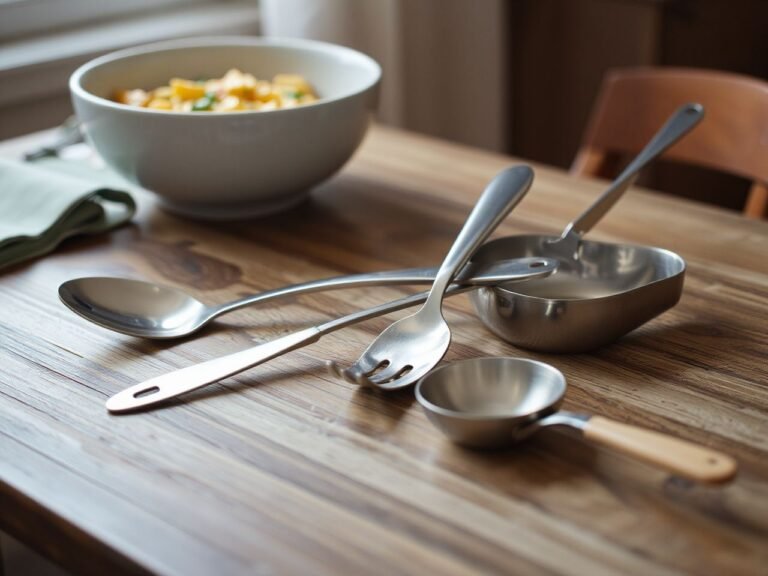
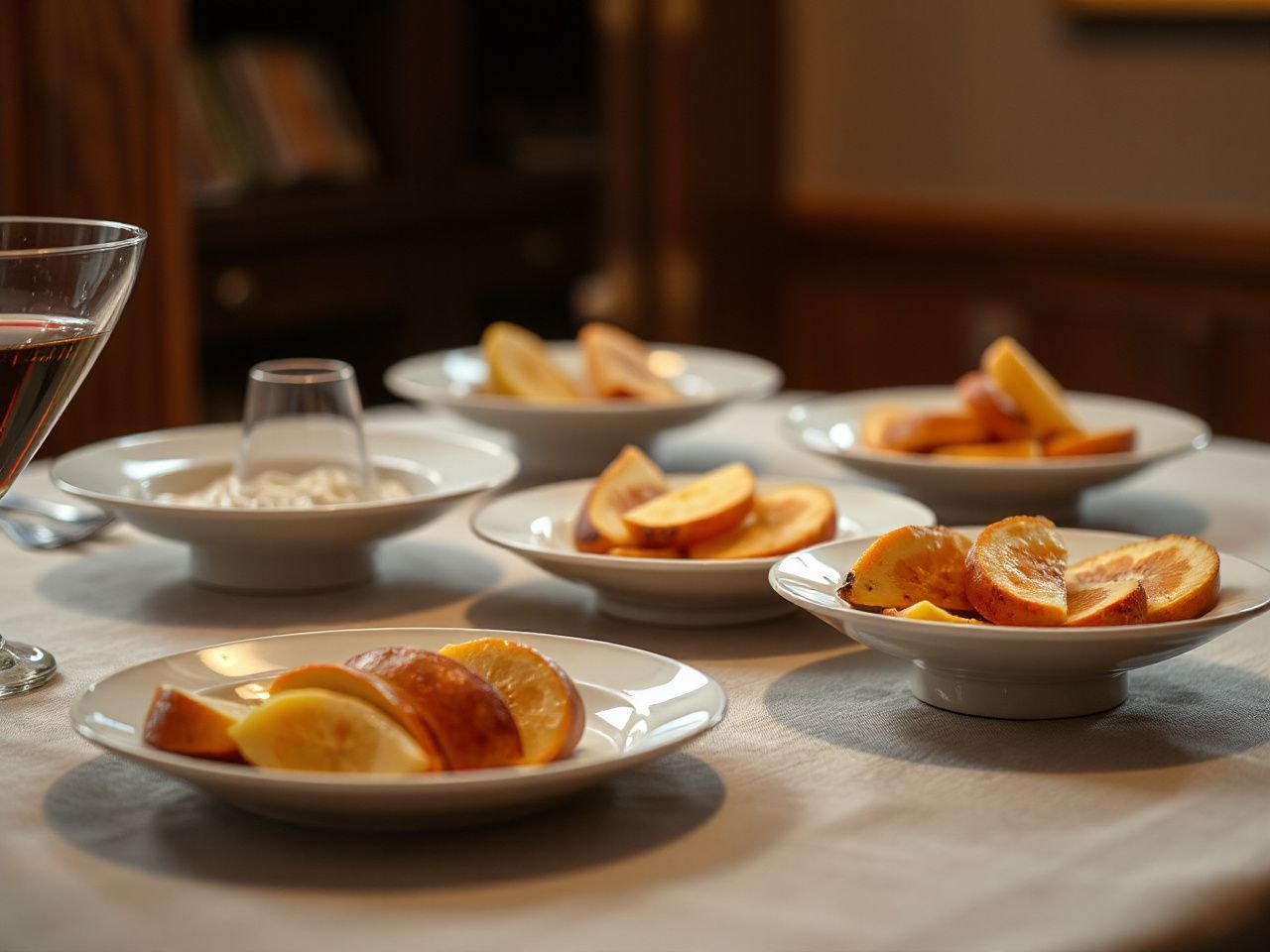
A platter can look perfect on the table and still fail when a sauced dish slides, a heavy piece becomes awkward to carry, or a glossy finish clouds after repeated dishwasher cycles. A useful distinction is between a platter that presents food attractively and one that performs reliably during carrying, portioning, cleaning, and storage. Material suitability depends on the food and handling conditions: porcelain and glass may suit formal presentation, while wood, melamine, or stainless steel can solve different needs around weight, breakage, outdoor use, or repeated service. This serving platters buying guide focuses on those practical decisions, with special attention to whether a finish is known to fade or cloud over months of dishwasher cycles.
Key Takeaways
- Choose the material around the food, handling conditions, and appliance use.
- A raised rim, useful grip, and stable underside matter as much as appearance.
- Decorative coatings and unknown finishes need confirmation before direct food contact.
- Dishwasher instructions should address finish wear, clouding, stacking, and drying.
Serving Platters Buying Guide: Start With the Job
The right platter begins with service rather than decoration. A narrow shape may suit sliced food arranged in a line, while a broad surface gives loose food room to spread. A raised rim becomes more valuable as sauces, juices, crumbs, or small pieces become part of the meal.
Serving platters are used for hot food, cold food, desserts, shared portions, small bites, and display. The same surface does not suit every task. A platter for roasted food needs a different balance of heat tolerance and carrying stability from one used for chilled fruit or a charcuterie board.
Match the platter to the food
- Hot food: Porcelain, stoneware, tempered glass, stainless steel, and other materials may be suitable, but the maker’s oven, microwave, freezer, and broiler instructions control the decision. An oven-safe mark does not remove the risk of thermal shock from sudden temperature changes.
- Cold food: Glass, porcelain, stoneware, wood, bamboo, melamine, and stainless steel can all serve different cold-food purposes. Look for a surface that will not make delicate food slide during carrying.
- Sauced food: A raised rim and a grippy, stable base are practical advantages. Slick surfaces and shallow edges make wet or loose food harder to carry.
- Small bites: A broad platter with separate visual areas can help guests reach individual pieces. A low rim may make picking up food easier, but too little edge protection allows crumbs and sauces to escape.
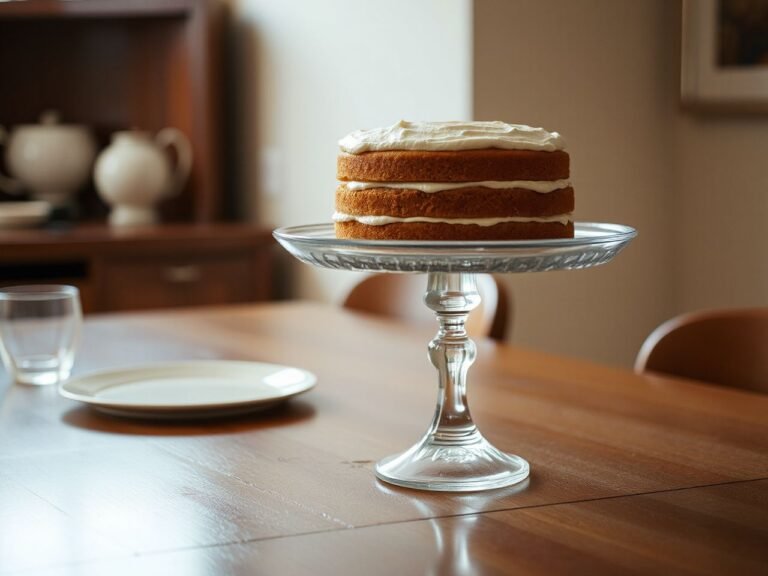
- Desserts: A smooth surface can support clean presentation, while a cake stand changes height and visibility rather than simply adding more area.
A serving platter needs enough rim, grip, and stability for its intended food. The surface area should leave room around the food without forcing the platter into a cabinet position that is difficult to retrieve.
Understand platter shape and rim design
Rectangular platters use table space efficiently and can suit arranged slices or rows of small bites. Oval platters soften a table setting and often give food a central presentation area. Round platters encourage shared access from several sides, although their usable area depends on the width and shape of the rim.
Rim height affects both presentation and control. A very broad, flat rim reduces the central area available for food, while a narrow rim may offer little protection against spills. Handles can help with carrying, but handles also add to the space needed in kitchen cabinet storage and may catch against neighboring pieces.
Serving handles should be judged with the platter loaded, not only while the platter is empty. The grip should allow the carrier’s fingers to stay clear of the food and should not force the platter to tilt.
Choose weight with carrying in mind
A lightweight platter is useful for outdoor service, frequent carrying, and situations where several people will serve themselves. A heavier platter may feel planted on a table, but its mass becomes a burden when the food and the platter must be moved together.
Stability comes from the complete design: underside, foot, rim, handle placement, and the way food is arranged. A wide surface does not automatically make a platter stable. A narrow base or slippery underside can make a broad platter awkward to carry.
Material Choices and Their Limits
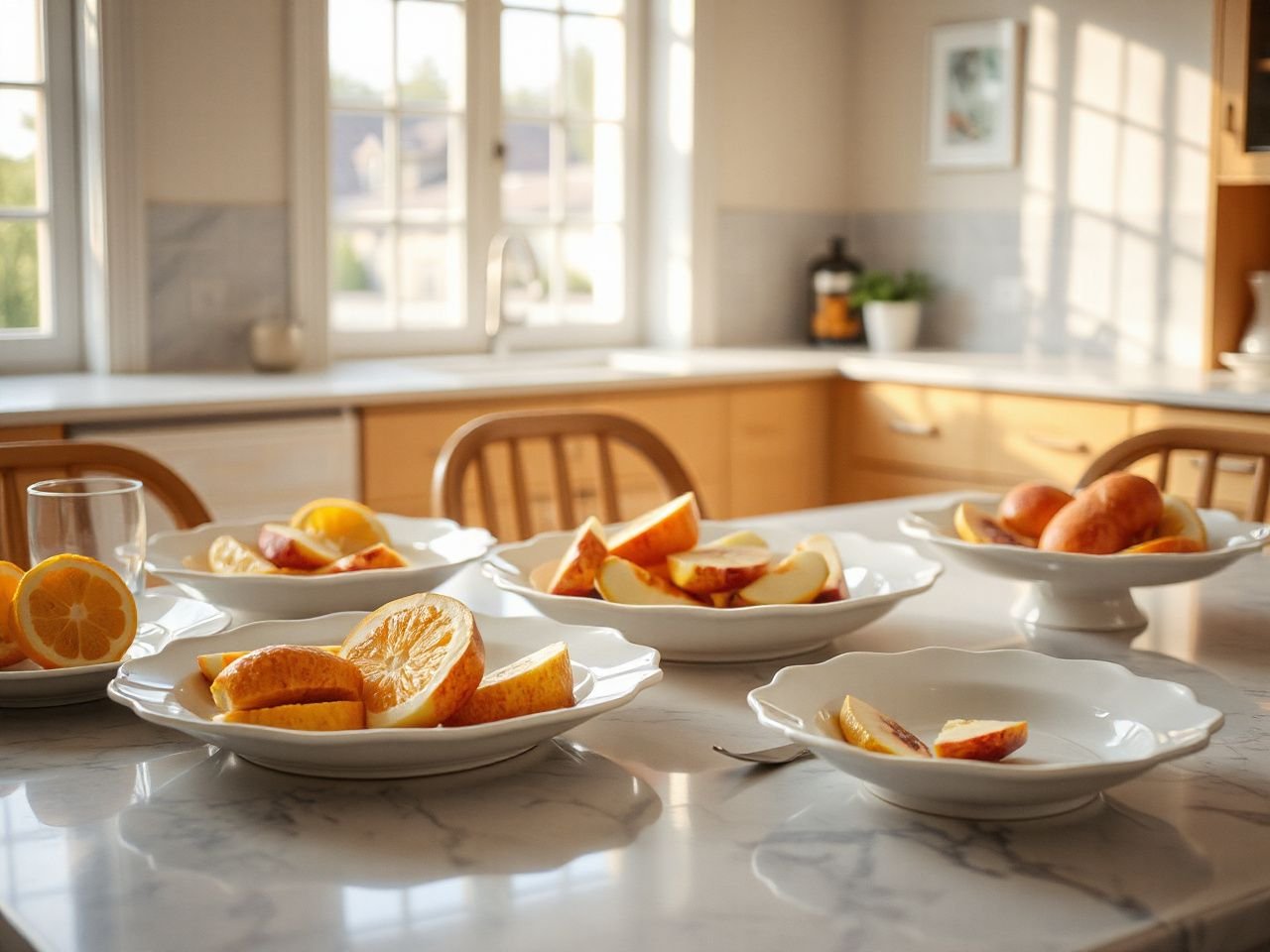
Metal, ceramic, plastic, glass, and wood can all be used to make platters. The useful difference is not a simple ranking. Each material changes the balance between formal appearance, weight, breakage, heat use, cleaning, and long-term finish care.
Porcelain and stoneware
Porcelain often suits a formal table because its surface can look clean and refined. Stoneware gives a more substantial ceramic feel and may suit casual shared meals. Both belong to fired ceramics, which can be described in vitrified and semi-vitrified states; the maker’s care instructions remain more useful than the label alone.
Ceramic materials generally function as electrical and thermal insulators, but that description does not make every ceramic platter suitable for an oven, microwave, freezer, or broiler. Use only the appliance permissions printed by the manufacturer. A ceramic platter can chip at an edge, crack after impact, or fail from a sudden temperature change even if it carries an oven-safe marking.
Porcelain and stoneware can both develop visible wear at rims and decoration. Inspect the underside and edge for chips before serving food. If a glaze is damaged, the platter deserves more cautious use and should not be assumed suitable for every appliance.
Glass and tempered glass
Glass gives food a visible presentation surface and can work well for cold dishes, desserts, and formal table settings. Tempered glass is also used in tableware, but the name alone does not answer questions about oven, microwave, freezer, or broiler use.
Sudden temperature change is the key concern for any glass or ceramic platter marked for heat use. A platter moved directly between sharply different conditions may be vulnerable to thermal shock. Follow the maker’s instructions and avoid treating an oven-safe label as permission for every temperature transition.
Clouding deserves a place in the decision. A dishwasher-safe glass finish may still show a hazier appearance after repeated cycles, depending on the surface, detergent, water, and care instructions. Ask whether the maker describes the finish as resistant to clouding and whether the item should be placed in a particular dishwasher position.
Wood and bamboo
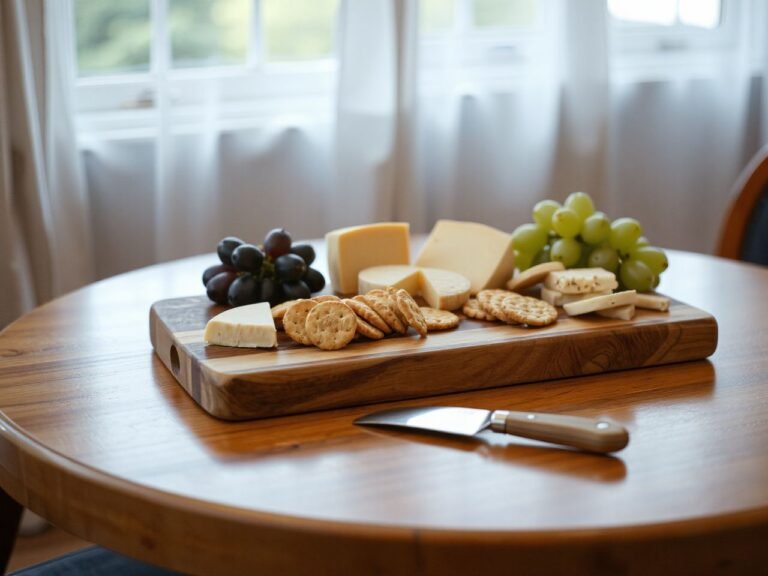
Acacia wood and bamboo bring warmth to a table and suit dry foods, bread, fruit, and presentation styles related to charcuterie boards. Wood can also be kinder to the visual character of a casual table setting than a glossy ceramic surface.
Wood and bamboo absorb moisture, oils, and odors, so they need prompt hand washing and thorough drying rather than prolonged soaking. Do not leave a wooden or bamboo platter submerged while other dishes are being cleaned. Dry both faces and the edge, then store the platter where air can reach it.
Wood may warp, stain, retain odors, or develop surface changes if moisture remains in the material. Bamboo can show similar care needs. A food-safe finish does not make wood waterproof, and a decorative coating should not be assumed suitable for direct food contact unless the maker says so.
Melamine and other plastics
Melamine is useful for lightweight service, especially where a lower breakage risk matters during outdoor or informal meals. Acrylics, melamine, and polypropylene are among the plastics used for tableware, but their appliance limits differ.
Melamine should not be treated as ovenware or used for heating food in a microwave. Check the label before serving hot food, and avoid assuming that a plastic platter can move from a cold storage area into a hot appliance.
Plastic surfaces can scratch, stain, or hold odors as they age. A printed or glossy finish may fade, cloud, or lose its original appearance after repeated dishwasher cycles. The important question is not only whether the platter is dishwasher-safe. Ask whether the finish is approved for repeated washing and whether the maker gives a care limit or hand-washing instruction.
Stainless steel
Stainless steel can suit repeated service, outdoor use, and settings where breakage is a concern. Its reflective surface changes the appearance of food, so it may feel more practical than formal. A metal platter can also be paired with an underliner to create a sizzling platter, but the underliner and metal base should be treated as a coordinated serving system.
Metal can show water marks, scratches, or changes around decorative surfaces. Painted or coated metal needs closer inspection because the coating, not the metal alone, determines direct-food-contact suitability and dishwasher care. Stainless steel should not be assumed safe for an oven or broiler without clear manufacturer instructions.
Finish, Food Contact, and Dishwasher Wear
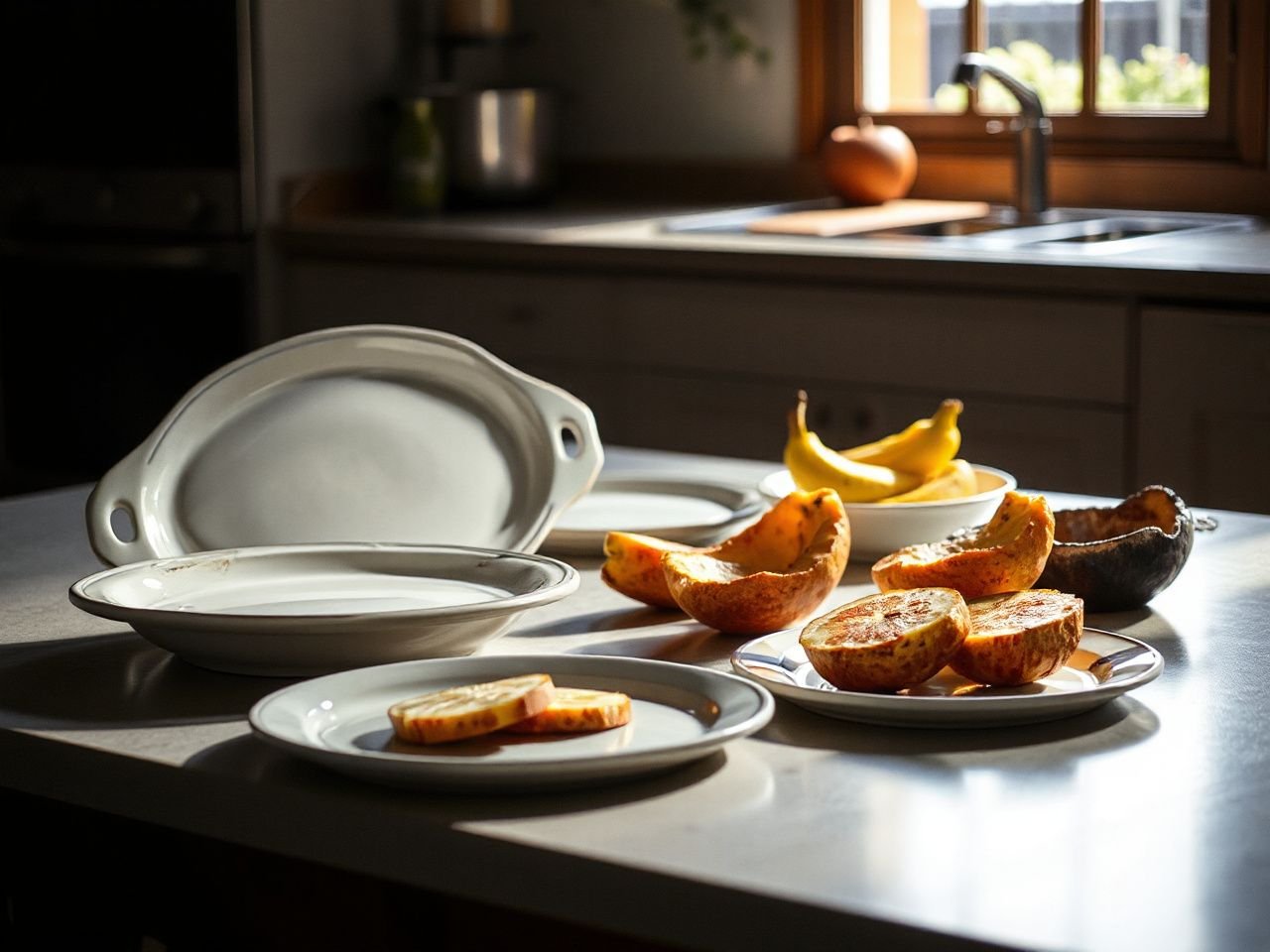
Finish is part of the platter’s function. A plain surface with clear care instructions is easier to judge than an item covered in an unknown coating, metallic decoration, paint, or printed layer.
Check decorative surfaces before serving
Decorative finishes, painted surfaces, glazes, and unknown coatings may not be suitable for direct food contact or repeated washing. A platter can be attractive as a display object and still lack the information needed for serving food directly.
Look for the maker’s statement about food contact, not merely a photograph showing food on the surface. If the information is absent, use a liner or reserve the piece for display rather than guessing. The same caution applies to decorative areas on the rim, underside, and handles.
The U.S. Food and Drug Administration provides information on substances and materials that come into contact with food at FDA.gov; that resource is a better starting point for food-contact questions than an unsupported claim on a product page. For institutional or commercial settings, information from the NSF can help explain how certification and food-equipment requirements are handled, although a household platter still needs its own maker’s care instructions.
Ask what repeated dishwasher use does
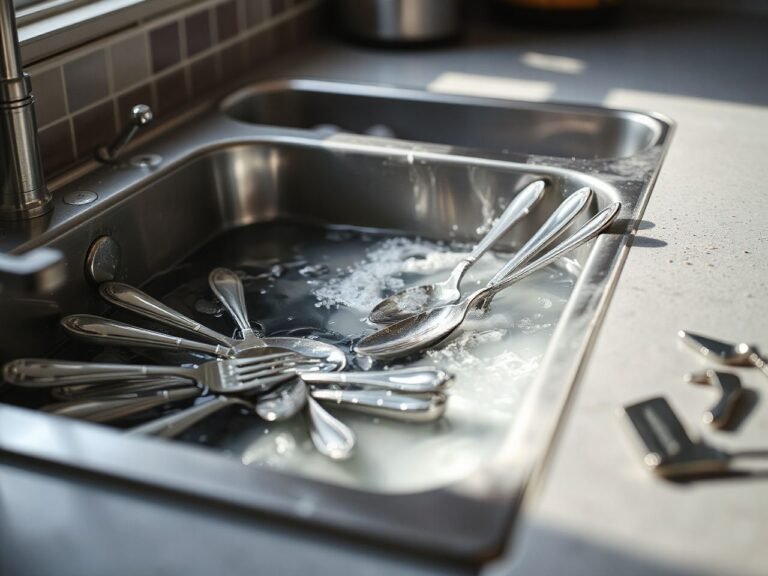
Dishwasher suitability describes a use condition, not a promise that a finish will look unchanged forever. Heat, water, detergent, spray pressure, and contact with other dishes can affect painted details, printed patterns, coatings, and glossy surfaces.
A finish known to fade may become patchy at high-contact areas. A finish prone to clouding may lose clarity even when the platter remains structurally usable. These are separate questions from whether the platter cracks, chips, or warps.
- Read whether the item is dishwasher-safe or hand-wash only.
- Check whether decoration is limited to the outside or rim.
- Look for instructions about detergent, stacking, drying, and dishwasher position.
- Inspect the surface for haze, color loss, rough patches, or exposed substrate after washing.
- Keep a delicate finish away from contact with metal utensils and tightly packed dishes.
Know when to replace or retire a platter
Replacement becomes sensible when a platter has a sharp chip, a crack, a loose decorative layer, a persistent odor, or a surface change that makes food contact uncertain. A piece that remains attractive as a display object does not necessarily remain appropriate for serving.
Staining alone does not always indicate a structural problem, but it can show that the material or finish is absorbing food residue. Wood and bamboo deserve particular attention because oils and odors can remain in the material. Painted and coated surfaces deserve separate attention because wear can expose a layer whose food-contact status is unclear.
Appliance Use, Cleaning, and Storage
Oven, microwave, freezer, and broiler decisions
Use the manufacturer’s instructions for every appliance. A platter marked oven-safe may still be vulnerable to thermal shock from sudden temperature changes, so avoid moving it abruptly between sharply different conditions.
Microwave use is not implied by oven use. Freezer use is not implied by microwave use. Broiler use places a different demand on the surface from ordinary oven service, and a decorative finish may have limits even when the base material tolerates heat.
Melamine should not be used for heating food in a microwave or treated as ovenware. Wood and bamboo are presentation materials that need hand washing rather than appliance cleaning. Glass, porcelain, stoneware, and stainless steel each require their own written permissions.
Clean each material without guessing
- Porcelain and stoneware: Follow the maker’s dishwasher instructions and protect chipped or decorated areas from harsh contact. Allow hot pieces to cool according to the care directions before washing.
- Glass: Check for clouding after repeated cycles and keep pieces from knocking together. A clear surface can still develop a hazy appearance from washing conditions.
- Wood and bamboo: Hand wash promptly, avoid prolonged soaking, rinse away oils, and dry thoroughly on all sides.
- Melamine: Follow the stated cleaning instructions and keep the platter away from microwave heating. Watch for scratches, stains, and fading in printed areas.
- Stainless steel: Clean according to the finish instructions and dry if water marks are a concern. Treat coated or painted sections more gently than bare metal.
Cleaning a platter immediately after service reduces the time that sauces, oils, and moisture remain on the surface. This matters most for wood and bamboo, which can absorb those residues.
Plan cabinet storage before choosing a shape
A platter needs more cabinet space than its central food area suggests because the rim, handles, and protective separation add to the footprint. Measure the storage opening and check whether the platter can be lifted out without pulling neighboring dishes forward.
Stacking works best when surfaces are compatible and the maker permits it. Do not place a heavy platter on delicate decoration, and do not assume that a soft-looking finish will protect a piece from edge contact.
Vertical storage can make long or rectangular platters easier to retrieve, but dividers must support the piece without pressing on a fragile rim. A platter that is difficult to access is less useful, regardless of how well it presents food.
For related decisions about plates and tableware, the Dinner Plates Buying Guide explains why everyday pieces deserve the same attention to material, finish, and storage. Glassware has similar care questions, especially around clarity and repeated washing; the drinking glasses guide is a useful companion.
Beginner, Intermediate, and Advanced Checks
Beginner: identify the basic use
Start by naming the food and the route from preparation area to table. Decide whether the platter will carry hot food, cold food, dry food, sauced food, or a mixture. Then check the rim, grip, underside, and care label.
- Choose the material that fits the food and handling conditions.
- Confirm direct food-contact suitability.
- Check appliance instructions rather than relying on the material name.
- Compare the platter’s shape with the available cabinet space.
A platter’s material should be selected according to food, heat, moisture, handling, and cleaning conditions. Appearance is only one part of the decision.
Intermediate: examine movement and serving
Think about how the platter behaves while being carried, set down, and passed. A raised rim can contain juices, but an overbuilt rim can reduce the usable food area. Serving handles can improve control, yet poorly placed handles can make a loaded platter tilt.
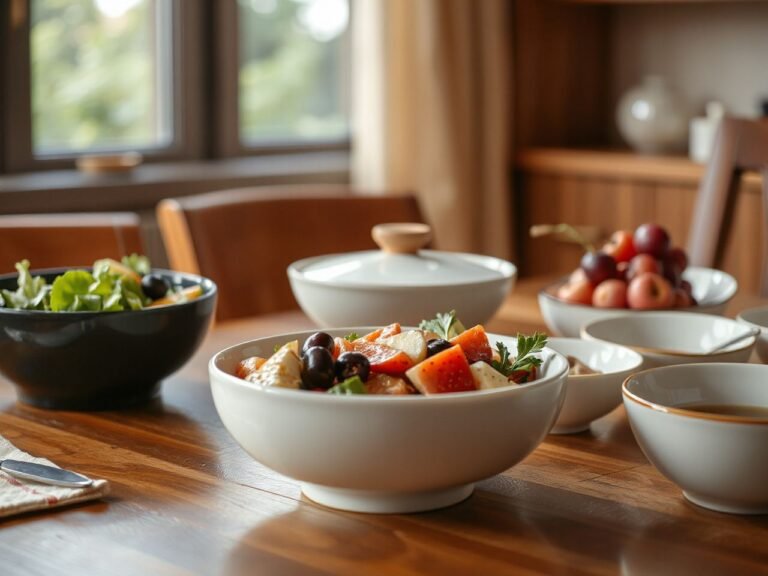
Arrange food so its weight is not concentrated at one edge. Keep wet items away from dry foods when moisture would make them slide or soften. A serving bowl may be more suitable for a loose, liquid-heavy dish than a flat platter.
For a meal that uses both bakeware and serveware, the budget baking pans buying guide can help separate cooking-vessel decisions from presentation decisions. A platter should not be chosen as a substitute for a baking pan unless the maker clearly permits that use.
Advanced: assess finish longevity
Inspect the finish as a separate component. Ask whether the color is printed, painted, glazed, coated, or part of the base material. Then find out whether repeated dishwasher cycles are expected to cause fading, clouding, loss of gloss, or special hand-washing requirements.
Check the underside for manufacturer marks and care language. A label that answers only one appliance question leaves the other questions open. If broiler, freezer, or direct food contact is not addressed, do not fill the gap with assumptions.
Long-term value includes replacement and care. A plain platter with clear instructions may remain easier to maintain than a highly decorated piece whose surface requires special handling. The most useful design is the one that still fits the food, route, cleaning method, and cabinet after the novelty of the first presentation has passed.
Frequently Asked Questions About Serving Platters Buying Guide Choices
Which material suits hot food, cold food, and food with sauces?
Porcelain, stoneware, tempered glass, stainless steel, wood, bamboo, and melamine each suit different service conditions. Hot food requires written appliance guidance, while cold food gives more flexibility. Sauced food benefits from a raised rim and stable grip. Melamine is useful for lightweight service but should not be used for microwave heating or treated as ovenware.
Can an oven-safe platter go straight into a different temperature?
No assumption is safe. An oven-safe marking may still leave the platter vulnerable to thermal shock from sudden temperature changes. Follow the manufacturer’s instructions for cooling, heating, freezer use, microwave use, and broiler use separately. Ceramic and glass pieces deserve particular care because a permitted oven use does not automatically cover every temperature transition.
How should wooden and bamboo platters be cleaned?
Wood and bamboo platters should be hand washed promptly and dried thoroughly rather than left soaking. These materials can absorb moisture, oils, and odors. Dry the top, underside, edges, and handles before storage. Confirm that any finish is food-safe, and treat a worn, stained, odorous, or damaged surface cautiously instead of assuming that additional soaking will clean it.
How can I tell whether a decorative platter is suitable for direct food contact?
Look for an explicit manufacturer statement about food contact and care. Decorative finishes, painted surfaces, glazes, and unknown coatings may not be suitable for direct food contact or repeated washing. If the information is missing, use a liner or reserve the platter for display. Food-contact questions can also be checked against guidance from the U.S. Food and Drug Administration, but the product’s own instructions remain important.
What causes platters to chip, crack, warp, stain, or develop odors?
Chips and cracks can follow impacts or unsuitable temperature changes. Wood and bamboo may warp, stain, or retain odors when exposed to moisture and oils for too long. Decorative finishes may fade or cloud after repeated dishwasher cycles. Melamine and other plastics can scratch or hold odors. Match the material to the food and cleaning method, then retire any piece whose surface or structure is no longer suitable for food service.