Why Did My Slow Cooker Crock Crack? Common Causes Explained
Why a slow cooker crock cracks, how to distinguish thermal shock from glaze crazing, and when a replacement insert will not solve the problem.

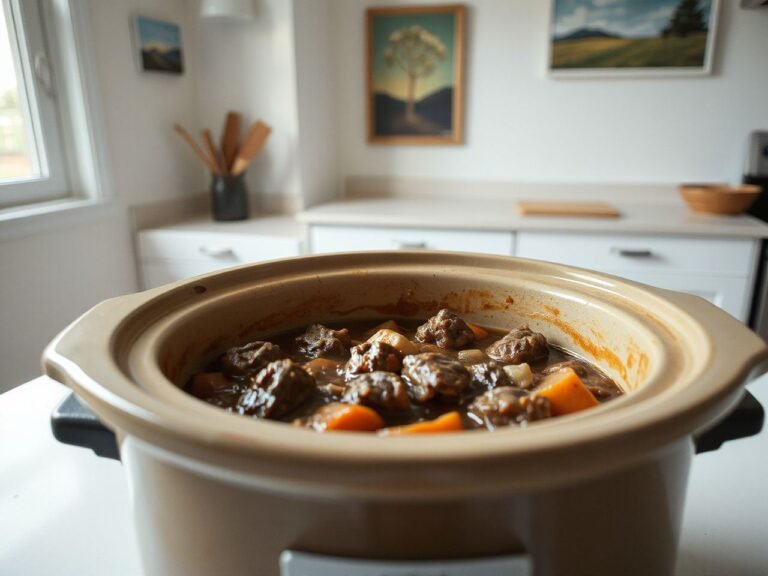
Why a slow cooker crock cracks, how to distinguish thermal shock from glaze crazing, and when a replacement insert will not solve the problem.
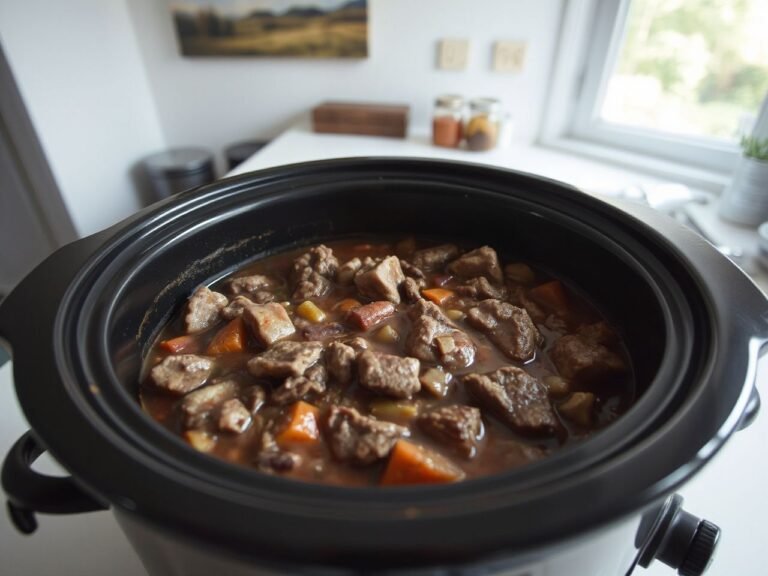
Find the right slow cooker capacity by matching practical fill levels, recipe yield, insert shape, leftovers, and kitchen storage.
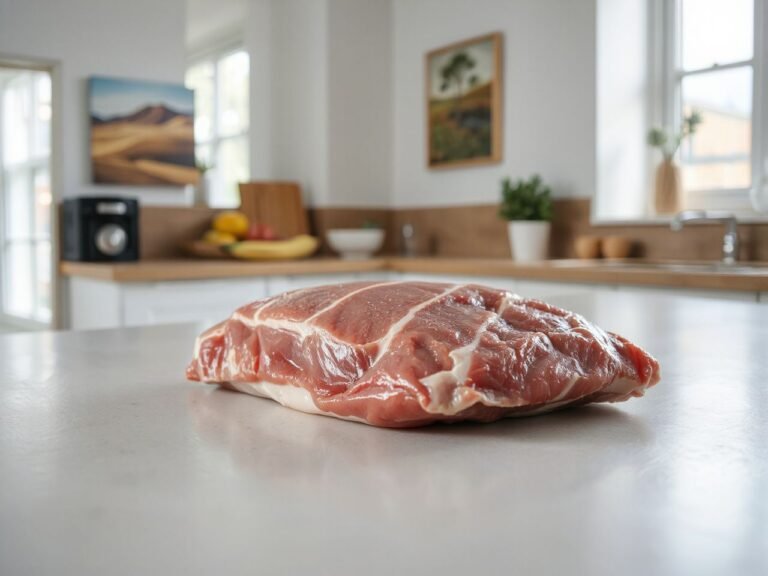
Learn why frozen meat can heat unevenly in a slow cooker, how to thaw it safely, and how to verify doneness without guessing.
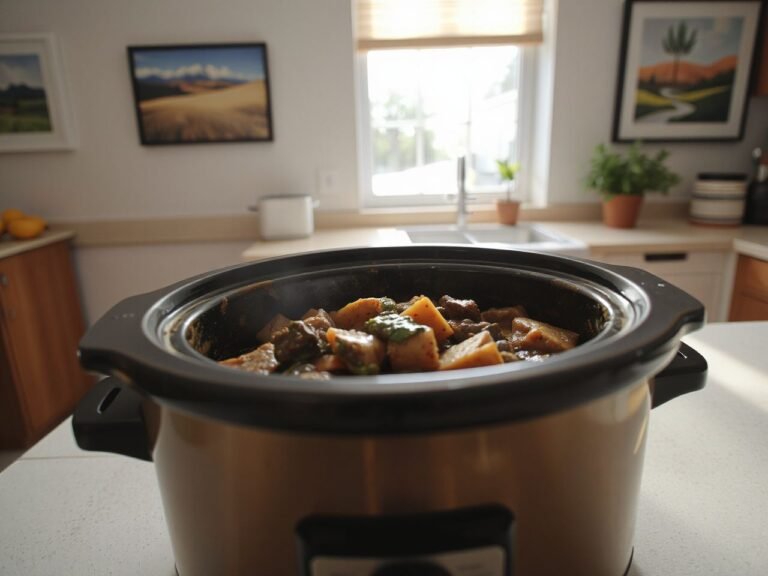
A careful guide to cleaning the crock, glass lid, gasket, rim, and electrical base while preventing stains, odors, cracks, and water damage.
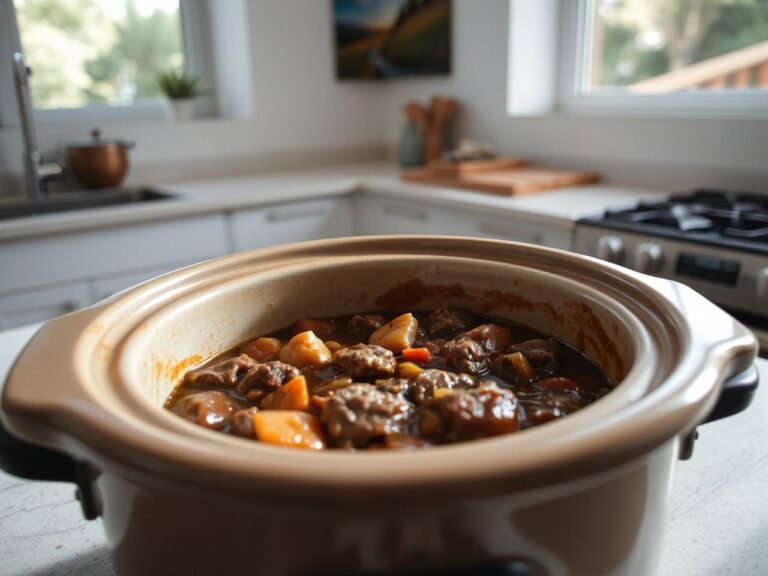
Learn how slow cooker wattage, heating cycles, cooking time, and your electricity tariff shape the real cost shown on your household bill.
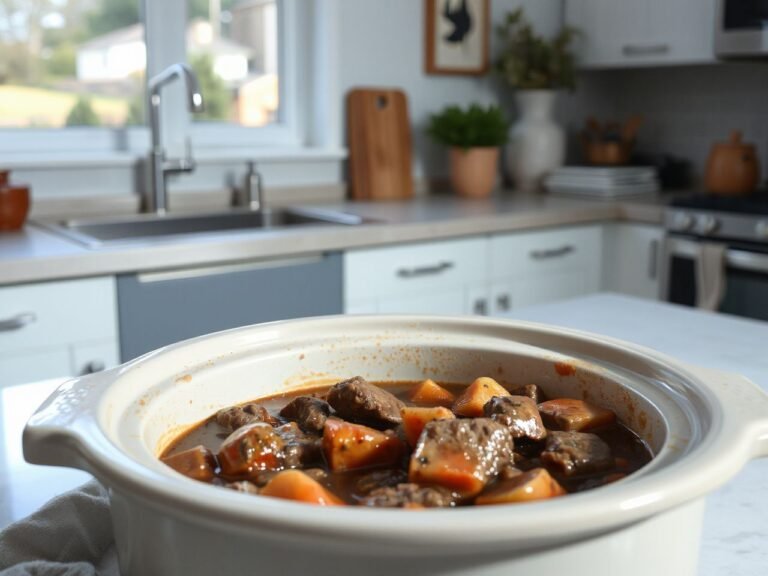
Wondering if overnight slow cooking is safe? Learn how appliance condition, settings, power cuts, food handling, and cleanup affect the answer.
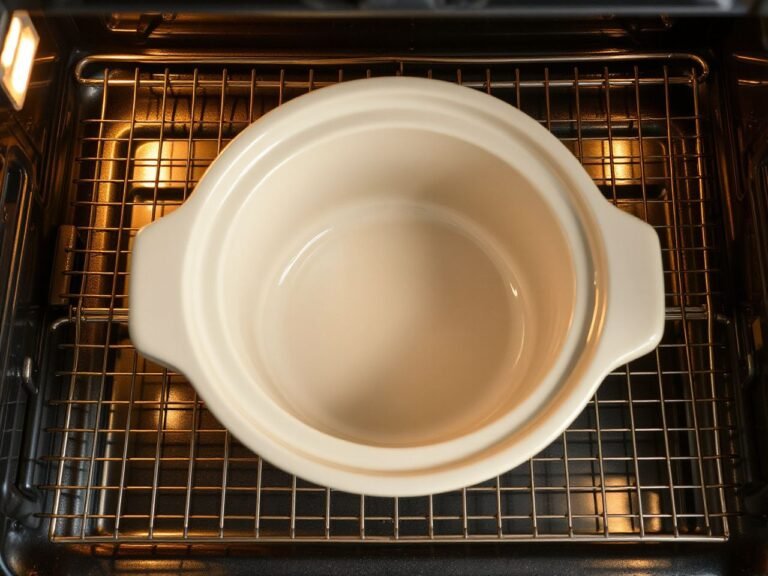
A slow cooker insert may handle oven heat while its base and lid cannot. Learn how material, thermal shock, broiling, and care instructions change the answer.
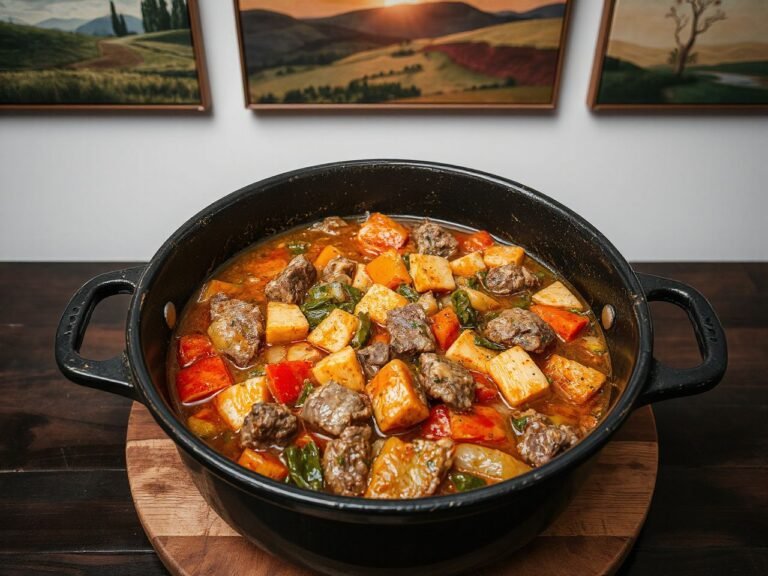
Learn how full a slow cooker should be, why fill level changes cooking, and how to prevent overflow, tough meat, watery sauces, and sink-side mess.
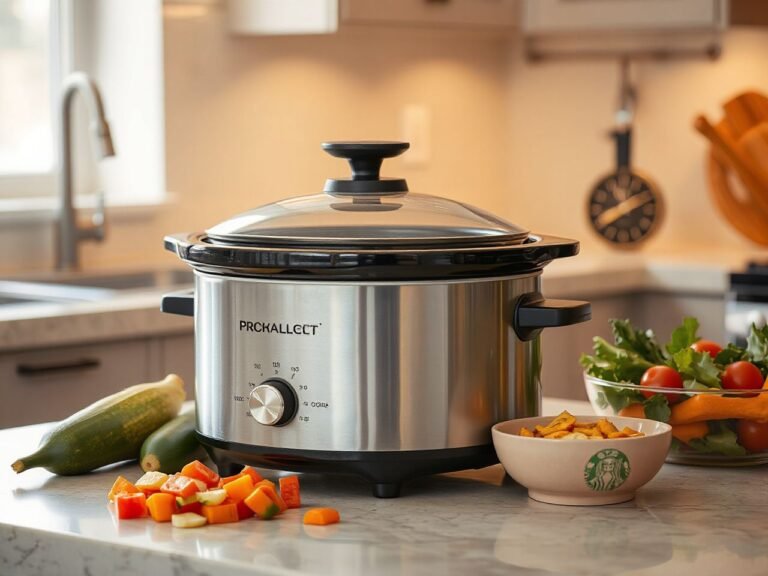
A programmable slow cooker buying guide for judging timers, heat control, safety, inserts, power loss, cleaning, and long-term ownership.
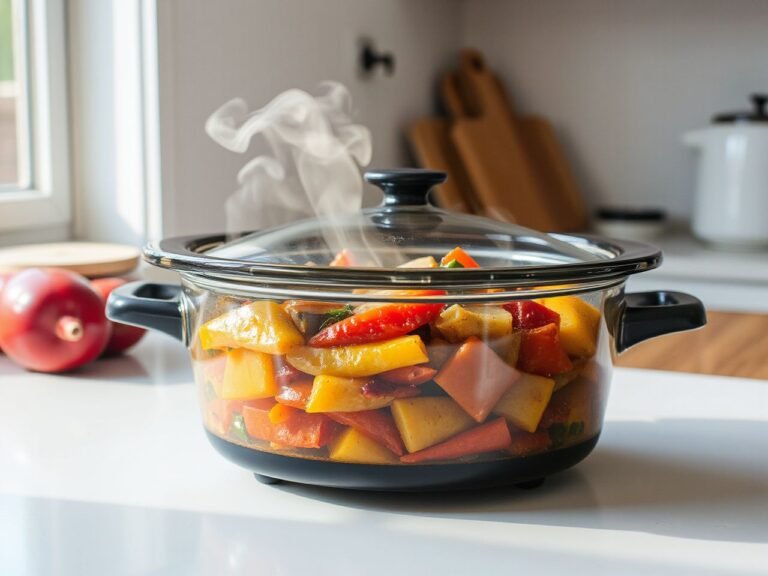
A safer slow-cooking choice starts with honest coating labels. Our guide to the best non toxic crock pots weighs materials, care, and capacity.
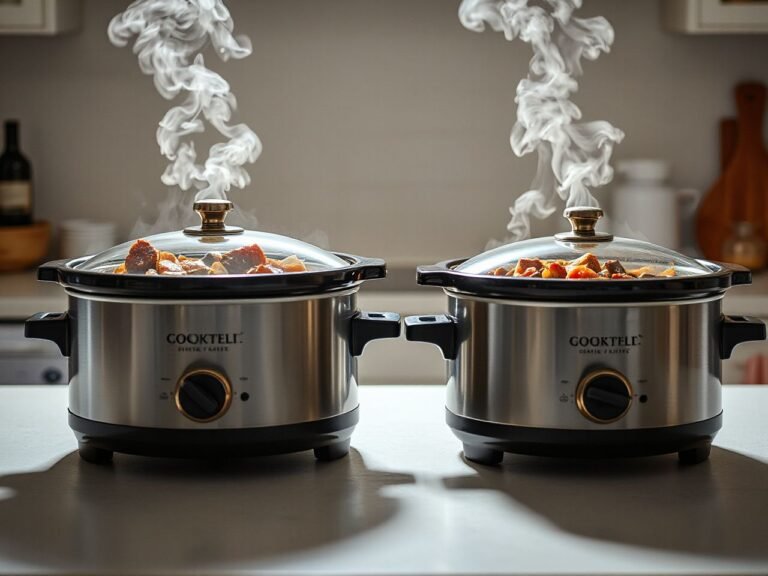
Slow-cooker high-versus-low cooking times depend on the food, fill level, starting temperature, and texture you want—not a simple half-time rule.