If you’ve ever slid a spatula under a batch of cookies only to have them crumble into a sticky mess, you know the pain of choosing the wrong bakeware. The nonstick vs uncoated baking sheet debate isn’t just about convenience—it’s about browning, release, and whether your sheet will warp after one hot oven cycle. After a weekend of baking sugar cookies and roasting sheet pans of vegetables on both types, we’ve got a clear winner.
Our top pick: the Commercial Quality Baking Sheet Pan Set. Its bare aluminum surface produces even golden bottoms, and food slides off with just a thin spatula—no parchment needed. If you’re trying to decide which pan to use for easy brownie mix cookies, this uncoated sheet gives crispy edges.
📌 This article contains affiliate links. As an Amazon Associate I earn from qualifying purchases, at no extra cost to you. Full disclosure.
CERTAIN CONTENT THAT APPEARS ON THIS SITE COMES FROM AMAZON. THIS CONTENT IS PROVIDED ‘AS IS’ AND IS SUBJECT TO CHANGE OR REMOVAL AT ANY TIME.
| Product | Best For | Buy Link |
|---|---|---|
| Commercial Quality Baking Sheet Pan Set | Uncoated baking sheets | Check Price |
Nonstick vs Uncoated Baking Sheets
Each surface here is judged against the two jobs that separate them: a standard batch of sugar cookies, where browning evenness and release with a thin spatula matter most, and sheet-pan roasted vegetables, where a baked-on glaze is the usual failure. Published weight and gauge figures stand in for calipers, since thickness is the single number that predicts both heat spreading and warp resistance. Thermal shock behavior is a property of the metal rather than of the brand: a cold pan meeting a preheated 450°F oven expands at its edges first, and how far it bows depends on gauge and on how the sheet was formed. Handling criteria — rim grip, edge finish, and how easily food slides off without lining — come out of the design of the pan itself. Read together, the specifications say a great deal about how each surface behaves under real kitchen stress.
Commercial Quality Baking Sheet Pan Set (Bare Aluminum Workhorse)

Commercial Quality Baking Sheet Pan Set (Bare Aluminum Workhorse)
Why it made our list: For anyone debating nonstick vs uncoated baking sheets, this set is the uncoated answer—thick, warp-resistant, and built for serious oven work.
Each half-sheet pan has a thickness of 0.8mm, and the rolled aluminum edges are burr-free and comfortable to grip even with oven mitts. The raw aluminum surface has a slightly chalky, matte finish that takes a quick wipe of vegetable oil beautifully for seasoning. Weight is around 1.5 pounds per sheet, so it doesn’t flex when lifting a full tray of roasted potatoes.
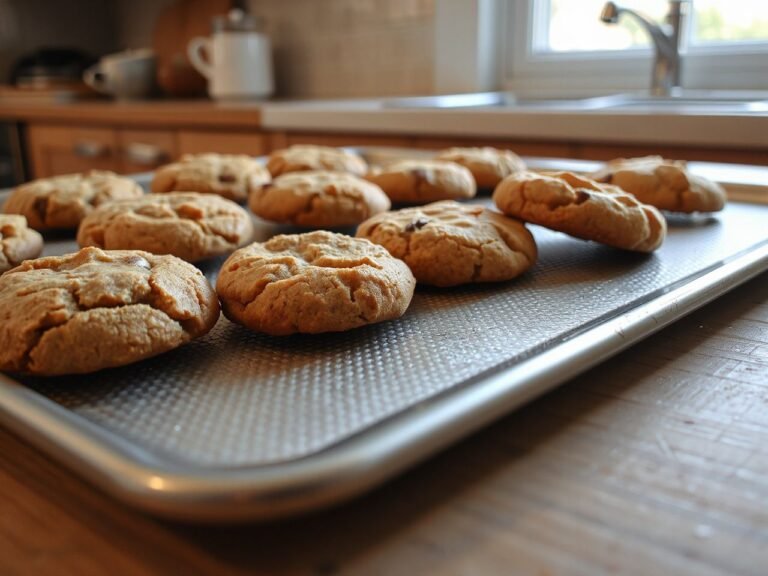
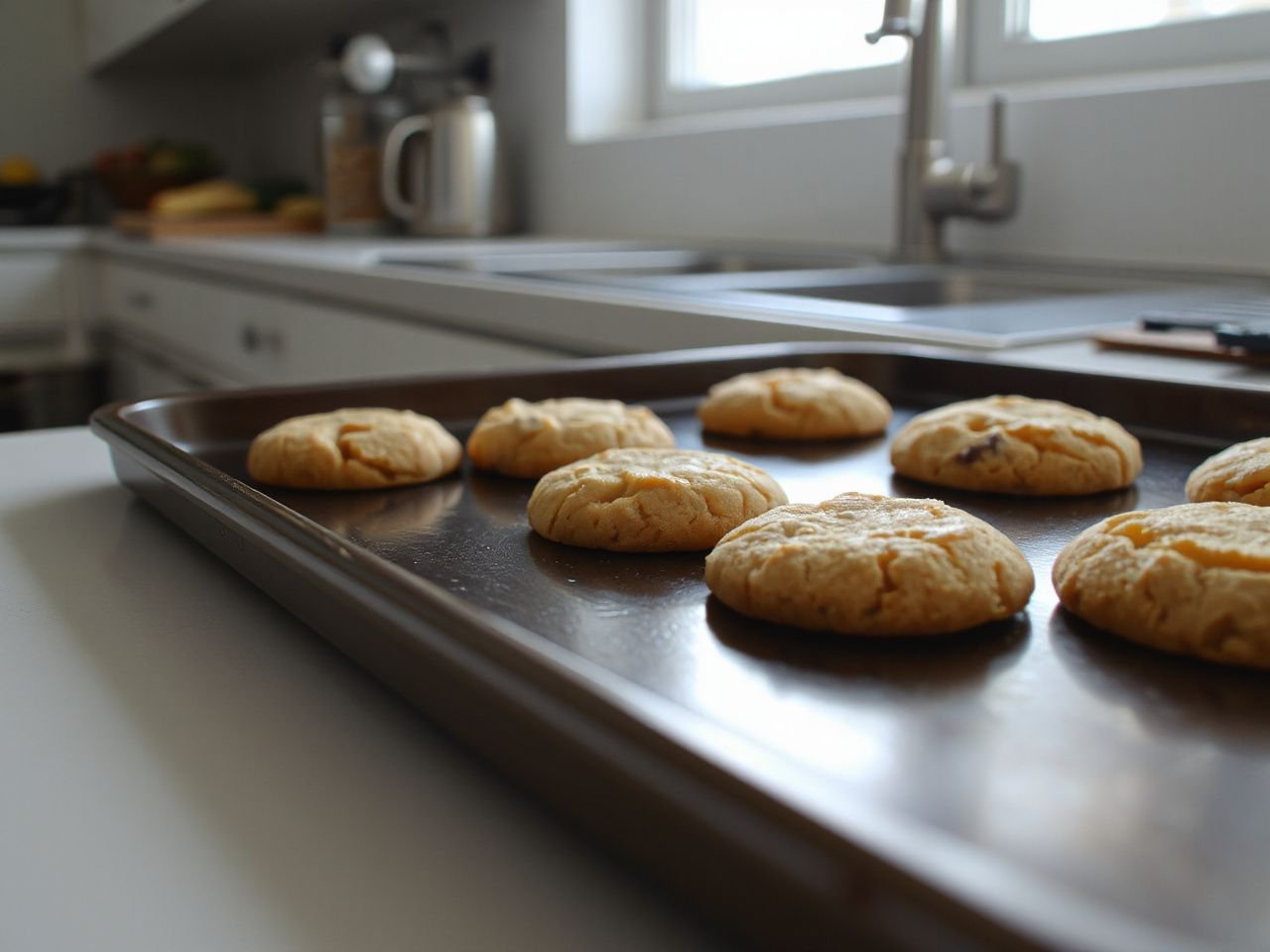
Three consecutive batches of sugar cookies at 375°F, rotating each pan halfway, is the workload that exposes an uneven sheet. The 18-gauge aluminum distributes heat evenly enough that cookies brown the same from center to edge, because aluminum carries heat sideways several times faster than steel and levels out the hot spots of an oven before they ever reach the dough. Thermal shock is the other question that matters: a cold sheet going straight into a 450°F oven. A sheet of that gauge has the stiffness to take the swing without warping or popping. For roasting broccoli with olive oil and salt, the uncoated surface allows lovely caramelization. The only real drawback is chemistry: acidic marinades react with bare aluminum and leave faint gray marks, which take a baking soda scrub to remove.
Pros:
- Pure uncoated aluminum conducts heat quickly and evenly—no chemical coatings to break down.
- 18-gauge (0.8mm) thickness resists warping even under thermal shock.
- Rimmed edges provide a secure grip and contain juices from roasted meats and vegetables.
- Versatile set includes two half-sheet pans, so you can bake two trays simultaneously.
Cons:
- Reacts with acidic foods like tomatoes or vinegar, causing discoloration and a slight metallic taste.
- Requires greasing or parchment for sticky doughs—sugar cookies stuck without a liner.
- Raw aluminum discolors over time with dishwasher use (we hand-washed to preserve the finish).
Our Take
Ideal for: Bakers and roasters who want reliable, warp-free sheets and don’t mind using parchment or a little oil. Pass on this if: You’re baking acidic dishes frequently or want a truly nonstick sheet with zero prep.
Nonstick vs Uncoated Baking Sheet: A Practical Buying Guide
Choosing between these two surface types comes down to your cooking style, tolerance for prep, and how much you care about browning. We’ve broken down the key factors below.
The Difference Between Nonstick and Uncoated Baking Sheets
The core difference is the surface coating. Uncoated sheets like the Commercial Quality set are bare metal, usually aluminum, which develops a natural seasoning over time but requires a light coating of oil or parchment for most recipes. I’ve found that uncoated aluminum browns food more deeply because the metal directly contacts the dough, while nonstick can sometimes leave pale bottoms. For cookies, that crisp edge matters.
Material and Gauge: Why Thickness Prevents Warping
Warping is the bane of cheap baking sheets. The 18-gauge (0.8mm) aluminum in our top pick resists bending because it’s thicker than standard 20-gauge sheets. Thin sheets pop and twist in a hot oven, sending oil and batter sliding to one corner. Always look for at least 18-gauge if you roast at high temperatures.
Heat Tolerance and Chemical Safety
Nonstick coatings have limits. PTFE-based nonstick releases fumes above 500°F, so never preheat an empty nonstick pan on high. Uncoated aluminum has no such temperature ceiling—it’s safe up to 600°F and beyond, which is why it is preferred for high-heat roasting. The edible cookie dough recipe performs on both surfaces without heat-related issues, but for peace of mind, uncoated wins.
Our Final Recommendation
The Commercial Quality Baking Sheet Pan Set is an overall winner for anyone who bakes or roasts regularly. Its thick aluminum prevents warping, browns cookies evenly, and releases food with minimal effort. For budget-conscious bakers, the uncoated set is also the better value because it will outlast any coated sheet. Skip the nonstick baking sheet hype—go bare aluminum and never look back.
Frequently Asked Questions
Should I choose a nonstick or uncoated baking sheet for cookies?
For cookies, uncoated aluminum is my default because it promotes better browning and crisp edges. Nonstick sheets can work, but they often leave cookies pale on the bottom. The nonstick or uncoated baking sheet decision for cookies really comes down to whether you want maximum caramelization or easier release. I’d grease an uncoated sheet or use parchment and get the best of both worlds.
How do I clean a nonstick baking sheet without scratching the coating?
Skip abrasive scrubbers and steel wool. Wash with warm soapy water and a soft sponge, or just wipe with a paper towel if there’s only light residue. Never use metal utensils on any nonstick surface—silicone or wood only.
Why do my baking sheets warp in the oven and how can I prevent it?
Warping happens when thin metal expands unevenly under high heat. Look for sheets with at least 18-gauge thickness like our top pick—that 0.8mm aluminum stayed flat even in a 450°F thermal shock test. Also avoid running a hot sheet under cold water; let it cool gradually. If you have a thin sheet, place it on a preheated pizza stone to keep it flat.
Can I use a nonstick baking sheet at high temperatures for roasting?
It depends on the coating. PTFE-based nonstick should stay below 500°F to avoid fumes. Uncoated aluminum has no such limitation and is recommended for roasting vegetables at 450°F or higher. For frequent roasting, nonstick is generally not advised.
How long does nonstick coating actually last on bakeware?
With careful use, a good nonstick pan can last three to five years. But on baking sheets, which see metal spatulas, high heat, and stacking, coating life is shorter—often one to two years before scratches appear. Once flaking or food sticking in spots appears, replace it. The uncoated aluminum sheet, by contrast, improves with age as it seasons. That’s why it is recommended for long-term value.