
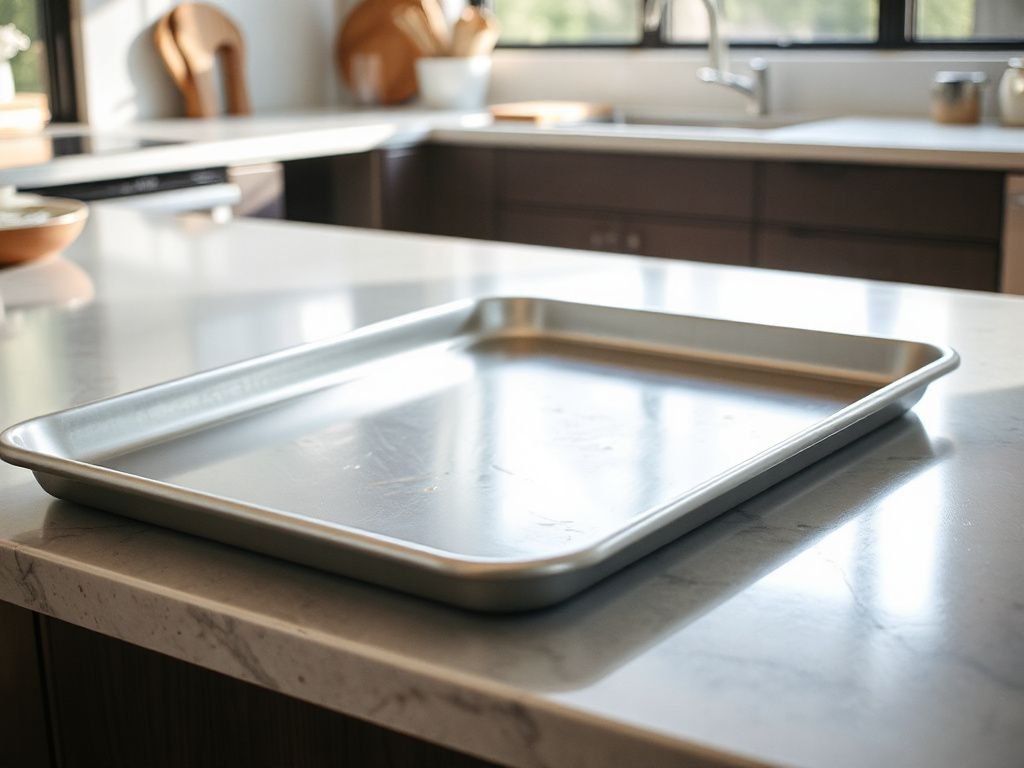
Most people treat a dirty baking sheet like a stubborn stain on the kitchen floor and reach for the harshest chemical they own. That approach ruins more sheets than it saves. The truth I’ve learned after two decades of blaming pans before recipes is that cleaning a baking sheet starts with knowing exactly what metal you’re holding, not with scrubbing harder.
A ruined aluminum sheet almost always starts the same way: someone reaches for oven cleaner to ‘just get it clean.’ An uncoated aluminum sheet will darken and pit from aggressive alkalines, while a carbon steel sheet’s patina is actually seasoning you want to preserve. Knowing which material you’re holding changes everything about what ‘clean’ means, so the first move is not a cleaner at all: identify the metal or coating before anything touches it. If you want to learn how to clean a baking sheet without destroying it in the process, the material decides every step that follows.
Key Takeaways
- Identify the baking sheet material before choosing any cleaner; aluminum, carbon steel, stainless steel, and non-stick each demand a different approach.
- A baking soda and hydrogen peroxide paste lifts burnt-on residue safely for most metals, but never use oven cleaner, bleach, or acidic soaks on bare aluminum or carbon steel.
- Dry carbon steel and uncoated iron sheets immediately after washing, and use silicone mats or parchment to prevent future scrubbing marathons.
Start by Identifying What Your Baking Sheet Is Made Of
The biggest thing I see people get wrong is assuming every baking sheet is a slab of metal you can hit with oven cleaner. An uncoated aluminum sheet will darken and pit from aggressive alkalines, while a carbon steel sheet’s patina is actually seasoning you want to preserve. So before you reach for any sponge or paste, flip the sheet over and check the stamped label or look for visual clues.
Uncoated Aluminum
Bare aluminum is lightweight, silver with a slightly dull surface, and it costs less than most other materials. It also reacts badly with highly alkaline cleaners like oven cleaner and even with baking soda if left on too long. A light-colored, thin sheet that bends slightly when you press the center is almost always uncoated aluminum. Baking soda paste left on bare aluminum for more than 15–20 minutes can leave permanent dark blotches, so time your cleaning sessions carefully.
Anodized Aluminum
Anodized aluminum has a darker, matte gray finish that resists corrosion better than bare aluminum, but it still shouldn’t meet oven cleaner. The Aluminum Association notes that anodizing thickens the natural oxide layer, which makes the surface harder but not invulnerable to harsh alkalines. A telltale sign is a uniform charcoal or black color that doesn’t wipe off.
Stainless Steel
Stainless steel sheets are heavier, often have a bright, mirror-like shine, and are magnetic if made from ferritic or martensitic grades. They tolerate more aggressive scrubbing than aluminum, but chlorine bleach and acidic cleaners can still pit the surface over time. The U.S. Food and Drug Administration recommends avoiding bleach-containing cleaners on food-contact stainless steel because pitting creates microscopic crevices where bacteria can hide. Stainless is forgiving, but not indestructible.
Carbon Steel
Carbon steel sheets look like a cross between cast iron and aluminum—darker, heavier than aluminum, and often with a blued or blackened surface after seasoning. That dark layer is polymerized oil, not dirt. Scrubbing it off with steel wool or oven cleaner removes the very seasoning that gives carbon steel its non-stick ability. If a magnet sticks strongly and the sheet weighs noticeably more than a cheap aluminum tray, you’re holding carbon steel.
Non-Stick (PTFE or Ceramic)
Non-stick sheets have a slick, often dark gray or white ceramic coating. The PTFE variety feels waxy and smooth; ceramic feels glassier. Both scratch easily with metal tools or abrasive powders. The FDA’s guidelines on PFAS in cookware note that intact non-stick surfaces are safe, but once scratched, the coating can flake into food. Treat non-stick sheets with soft sponges only.
The Deep Clean Method for Burnt-On Food
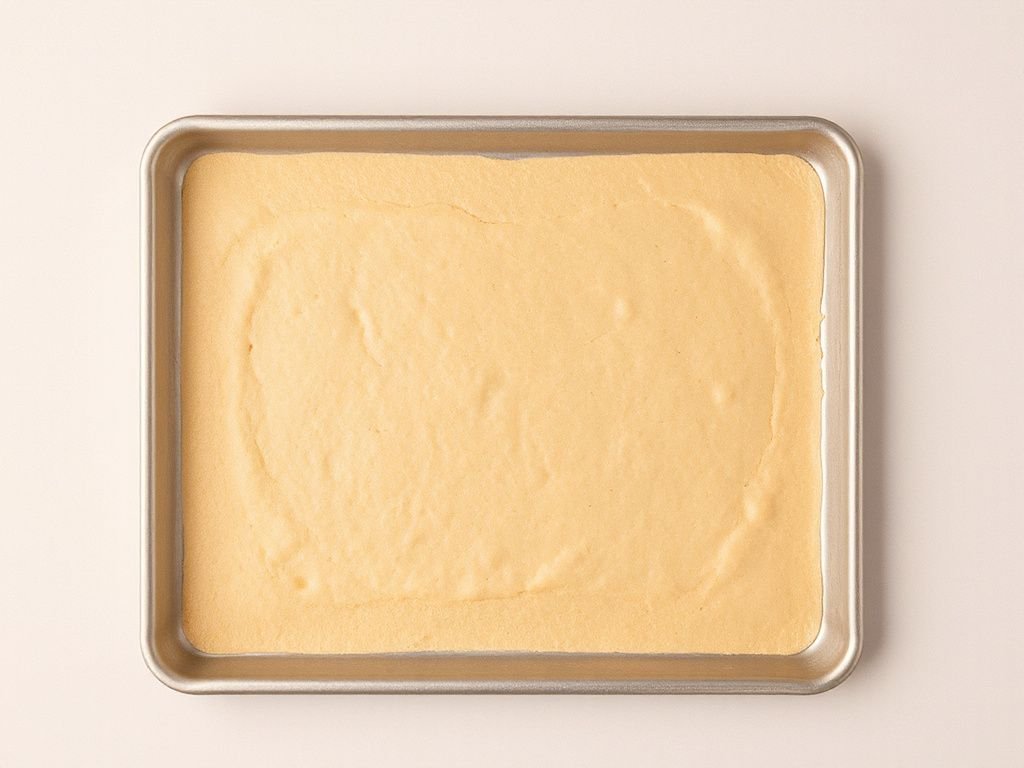
Burnt-on oil, sugar, and roasted vegetable residue are the usual culprits. This method works for aluminum, stainless steel, and even seasoned carbon steel—without stripping the patina. For non-stick sheets, skip to the next section.
Step 1: Scrape Loose Debris Without Scratching
Use a plastic bench scraper or a wooden spatula to lift off any large chunks of food. Never use a metal spatula on non-stick or anodized aluminum; for bare aluminum, a plastic scraper works just fine. If residue resists, set the sheet on a towel and press gently—no need to gouge the metal.
Step 2: Choose Your Cleaning Paste
My standard paste for burnt-on food is 1/4 cup baking soda mixed with 2–3 tablespoons of hydrogen peroxide (3%) and a few drops of dish soap. The hydrogen peroxide acts as a mild oxidizer that helps lift polymerized oil without the harsh alkalinity of oven cleaner. For aluminum, I use this paste and never leave it on longer than 15 minutes. For stainless steel, you can leave it 30 minutes safely. If you only have baking soda and water, that works too, but the peroxide gives extra lifting power on blackened residue.
Step 3: Apply the Paste and Let It Sit—But Time It
Spread the paste evenly over the burnt areas with a soft sponge or your fingers. Set a timer: 15 minutes for bare aluminum, 30 minutes for stainless steel or anodized aluminum. Leaving baking soda on bare aluminum longer than that will react with the metal and create dark blotches that look worse than the original stain. If the sheet is carbon steel, skip the baking soda entirely—use plain hot water and a nylon scrub pad instead.
Step 4: Scrub with the Right Tool
After the timer goes off, scrub with a nylon scrub pad or a Dobie sponge—the kind with a plastic mesh over foam. Avoid steel wool on everything except uncoated stainless steel, and even then, use fine-grade stainless wool only. Scrub in small circles, adding a little warm water to loosen the paste. Burnt edges often need a second short application for another 5–10 minutes.
Step 5: Rinse and Dry Completely
Rinse with hot water until no residue remains. Then dry the sheet by hand with a clean towel. For bare aluminum, you can also put it in a 200°F oven for 5 minutes to drive off moisture. For carbon steel and uncoated iron, hand drying is non-negotiable—any water left on the surface will form rust spots within hours.
How to Clean Specific Types of Baking Sheets
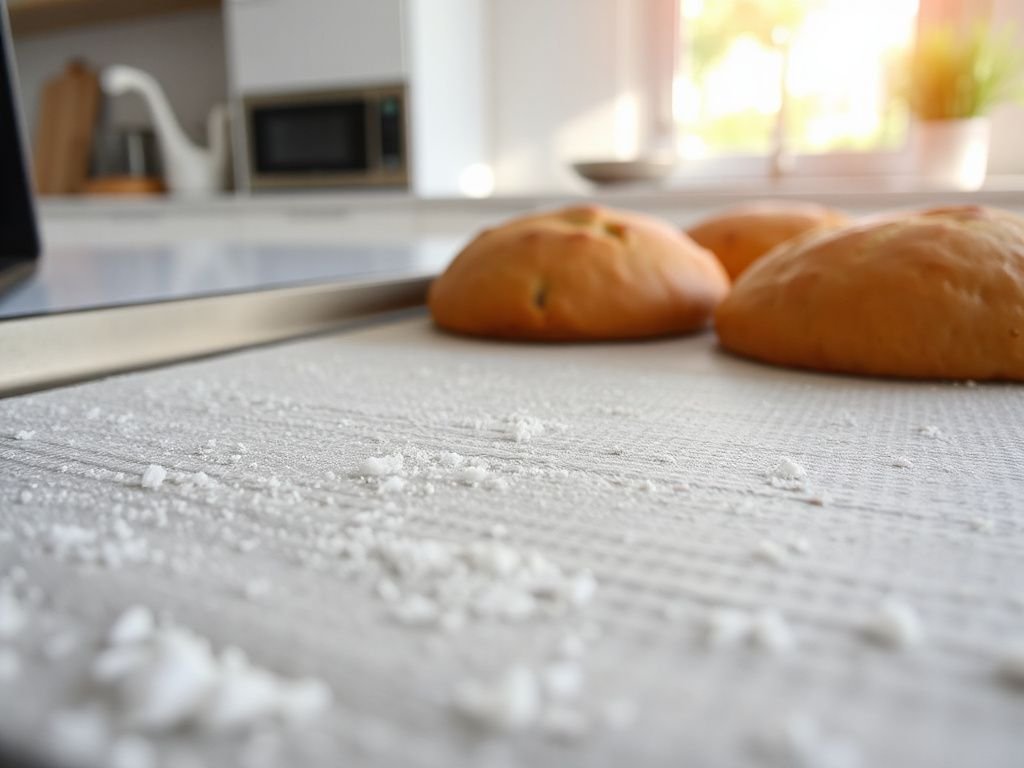
Every material has a different definition of clean. Here’s what I do for each one when regular scrubbing isn’t enough.
Non-Stick Sheets (PTFE and Ceramic)
For non-stick sheets, the safest cleaner is warm water, a few drops of mild dish soap, and a soft sponge. For stuck-on bits, make a paste of baking soda and water, apply it only to the soiled spot, and wipe off after 5 minutes. Rinse well. Never use abrasive powders like Bar Keepers Friend or Bon Ami on non-stick—both contain fine abrasives that will scratch the coating. Bon Ami’s feldspar abrasive is gentler than Bar Keepers Friend’s oxalic acid, but both are too harsh for PTFE.
Carbon Steel Sheets
A darkened carbon steel sheet is not dirt—it’s a polymerized oil seasoning that shouldn’t be stripped with harsh abrasives. To clean a seasoned sheet, wipe it with hot water and a nylon brush, then dry immediately and rub a few drops of neutral oil over the surface. If rust spots appear (usually because someone left it wet), scrub only those spots with a paste of 1 tablespoon salt and 1 tablespoon neutral oil, then re-season. The Serious Eats guide to seasoning carbon steel describes how thin layers of oil polymerize into a durable non-stick coating; the same principle applies to baking sheets. Never clean a carbon steel sheet the same way you clean an aluminum one—the patina is the whole point.
Rust Removal on Old Sheets
Rust is iron oxide, and it forms on carbon steel and uncoated iron sheets when water sits on the surface. To remove rust, make a thick paste of 3 parts baking soda to 1 part water and scrub only the rusted spots with a nylon pad or a ball of crumpled aluminum foil (which won’t scratch bare iron). Rinse, then dry the sheet in a 250°F oven for 10 minutes. Immediately after, rub a thin layer of vegetable oil over the bare metal to prevent new rust. For deep rust pitting, you may need to sand lightly with fine-grit sandpaper—but if the sheet is warped or the rust has eaten through, it’s time to retire it.
Restoring a Shiny Finish to Dull Aluminum
Aluminum oxidizes naturally, turning dull gray over time. That oxidation is not dirt, but it does make the sheet look old. My favorite fix is the cream of tartar paste I mentioned earlier—2 tablespoons cream of tartar mixed with just enough water to make a thick slurry. Rub it over the entire surface with a soft cloth, let it sit 2–3 minutes, then rinse and dry. The mild tartaric acid dissolves the oxide layer without pitting. Do not use this on anodized aluminum; the anodized finish is already a controlled oxide layer, and scrubbing it off defeats the purpose.
Preventing Future Buildup and Keeping Sheets Clean Longer
The best way to clean a baking sheet is to not need deep cleaning in the first place. Here’s what I do after every single use.
Use Parchment Paper or Silicone Mats
Lining your sheet with parchment or a silicone baking mat prevents 90% of the mess from roasted vegetables, sticky marinades, and melted cheese. Silicone mats are especially useful for high-sugar bakes like brownie cookie dough sandwich cookies, where caramelized sugar can fuse to bare metal. After use, the mat goes in the dishwasher, and the sheet just needs a quick wipe.
Immediate Rinsing After Use
The moment a sheet is cool enough to handle, run hot water over it and use a soft brush to dislodge any food bits. The longer residue sits, the more it polymerizes into that hard, amber-colored glaze. A 30-second rinse now saves a 30-minute scrub later. For sheets used to bake something greasy like edible cookie dough (if you’re baking a test batch), a quick hot-water rinse prevents oil from baking on during the next preheat.
Avoid the Dishwasher Entirely
Dishwasher detergent contains strong alkaline agents and sometimes bleach. Bare aluminum and carbon steel sheets will darken, warp, or rust in the dishwasher, and non-stick coatings can peel from the high heat and harsh detergent. Some stainless steel sheets are labeled dishwasher safe, but even those will develop water spots and a cloudy film over time. Hand wash everything. If you absolutely must use a dishwasher for a stainless sheet, remove it before the heated dry cycle and towel-dry immediately.
Season Bare Carbon Steel and Iron
If you own a carbon steel baking sheet, treat it like a cast iron skillet. After washing and drying, rub a few drops of neutral oil (canola, vegetable, or grapeseed) over the entire surface with a paper towel, then wipe off the excess until the sheet looks almost dry. Store it in a dry cabinet. That thin oil layer polymerizes the next time you bake, building a natural non-stick surface that actually makes cleaning easier over time. The same process works on uncoated aluminum, though the effect is less dramatic.
Why Your Sheet Smokes After Cleaning
Smoke coming from a clean-looking sheet usually means leftover oil residue has polymerized into a thin, invisible layer on the surface. When you preheat the oven, that residue reaches its smoke point and burns off as vapor. To fix it, wash the sheet again with hot water and a small amount of dish soap, then dry and rub with a clean towel. If the smoking continues, the sheet may have a heavy seasoning layer that has turned rancid—strip it by wiping with a paste of baking soda and water on bare metal only, or give it a final high-heat bake at 450°F for 30 minutes in a well-ventilated kitchen to burn off the old oil.
When to Replace Instead of Clean
If a sheet is warped so badly it doesn’t sit flat, has deep rust pits that won’t scrub out, or the non-stick coating is flaking into food, it’s done. A warped sheet conducts heat unevenly, and a peeling non-stick sheet is a safety concern. Most home bakers replace bare aluminum sheets every 2–4 years with heavy use, carbon steel sheets last decades if seasoned, and non-stick sheets typically survive 3–5 years before the coating degrades. If cleaning leaves more damage than dirt, that’s the sheet telling you it’s time.
Frequently Asked Questions
How do I remove burnt-on food stuck to my baking sheet?
Use a paste of 1/4 cup baking soda, 2–3 tablespoons hydrogen peroxide, and a few drops of dish soap. Spread it over the burnt area, let it sit 15 minutes for aluminum or 30 minutes for stainless steel, then scrub with a nylon pad. Rinse with hot water and dry immediately. For carbon steel, skip the paste and use hot water plus a nylon brush to avoid stripping the seasoning.
What’s the safest way to clean a non-stick baking sheet without scratching it?
A soft sponge, warm water, and a few drops of mild dish soap is all you need for daily cleaning. For stuck-on bits, apply a baking soda and water paste only to the spot, wait 5 minutes, and wipe gently. Never use steel wool, abrasive powders like Bar Keepers Friend, or soak the sheet in hot water for more than 10 minutes, as heat and detergent degrade the PTFE coating.
Can I put my baking sheet in the dishwasher?
No—avoid the dishwasher for any baking sheet unless it’s explicitly labeled dishwasher safe and made of high-quality stainless steel. Dishwasher detergent contains strong alkaline agents that darken and pit aluminum, strip carbon steel seasoning, and cause non-stick coatings to peel. Even stainless sheets develop water spots and film from dishwasher drying. Hand washing and immediate drying is always safer.
Why does my baking sheet look blotchy after a baking soda soak?
Baking soda is alkaline and reacts with bare aluminum when left on too long, creating permanent dark blotches that are a form of corrosion. Limit any baking soda paste on aluminum to 15 minutes maximum. To remove the blotches, rub the surface with a paste of cream of tartar and water, which acts as a mild acid to dissolve the discoloration without pitting the metal.


