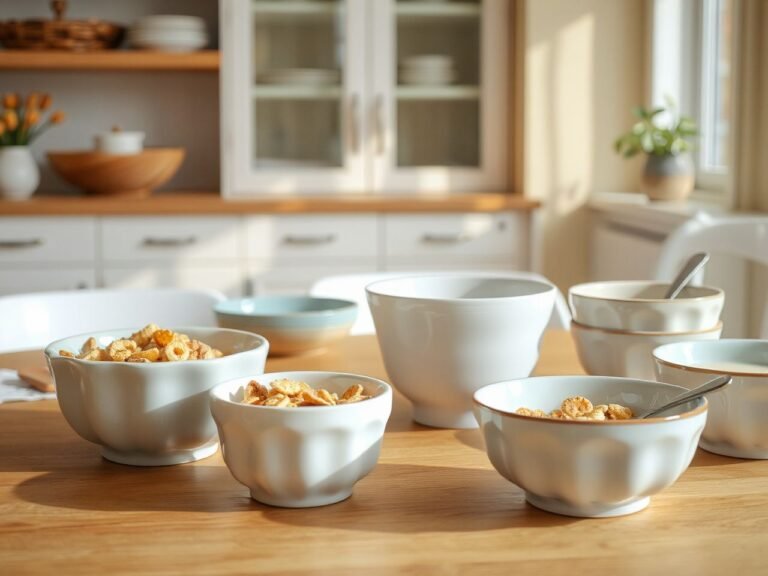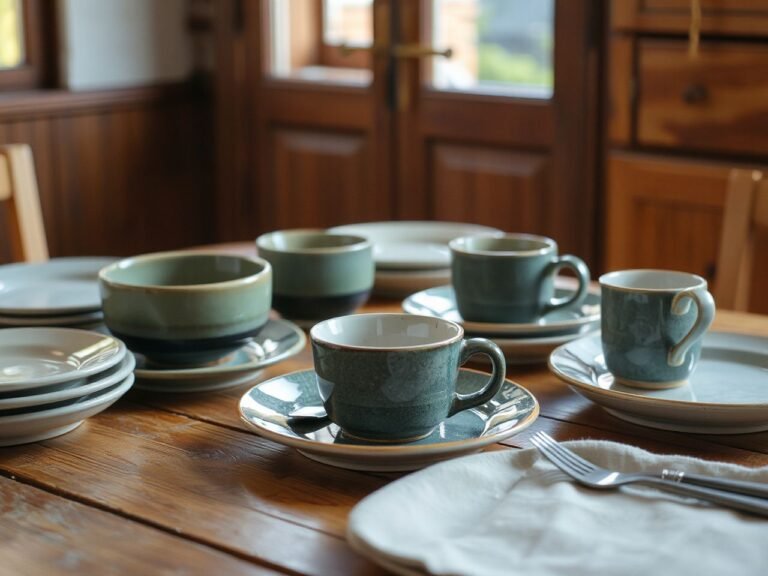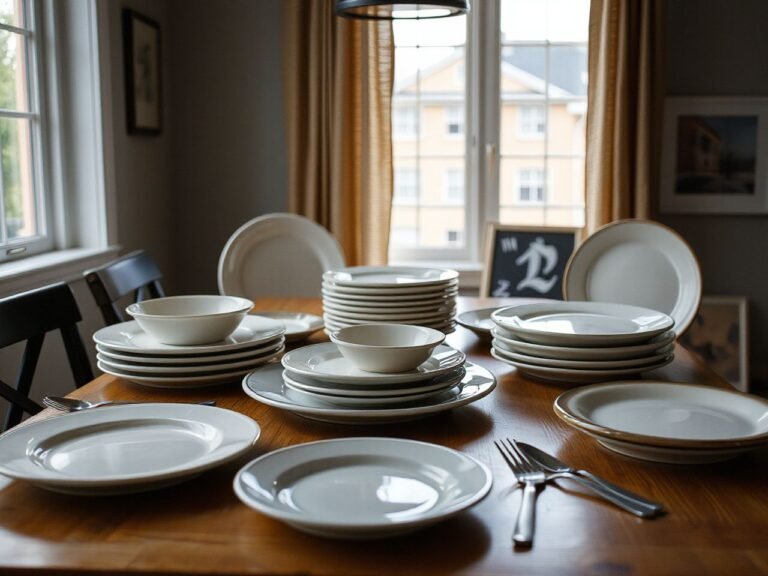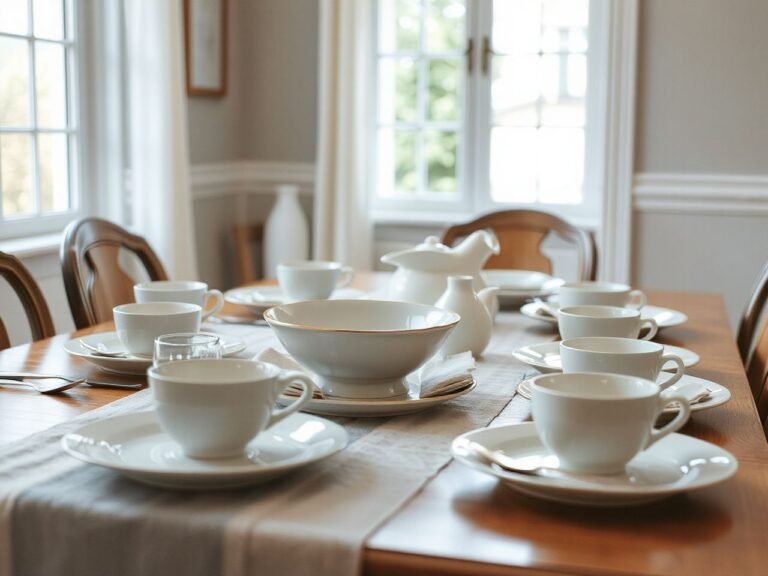
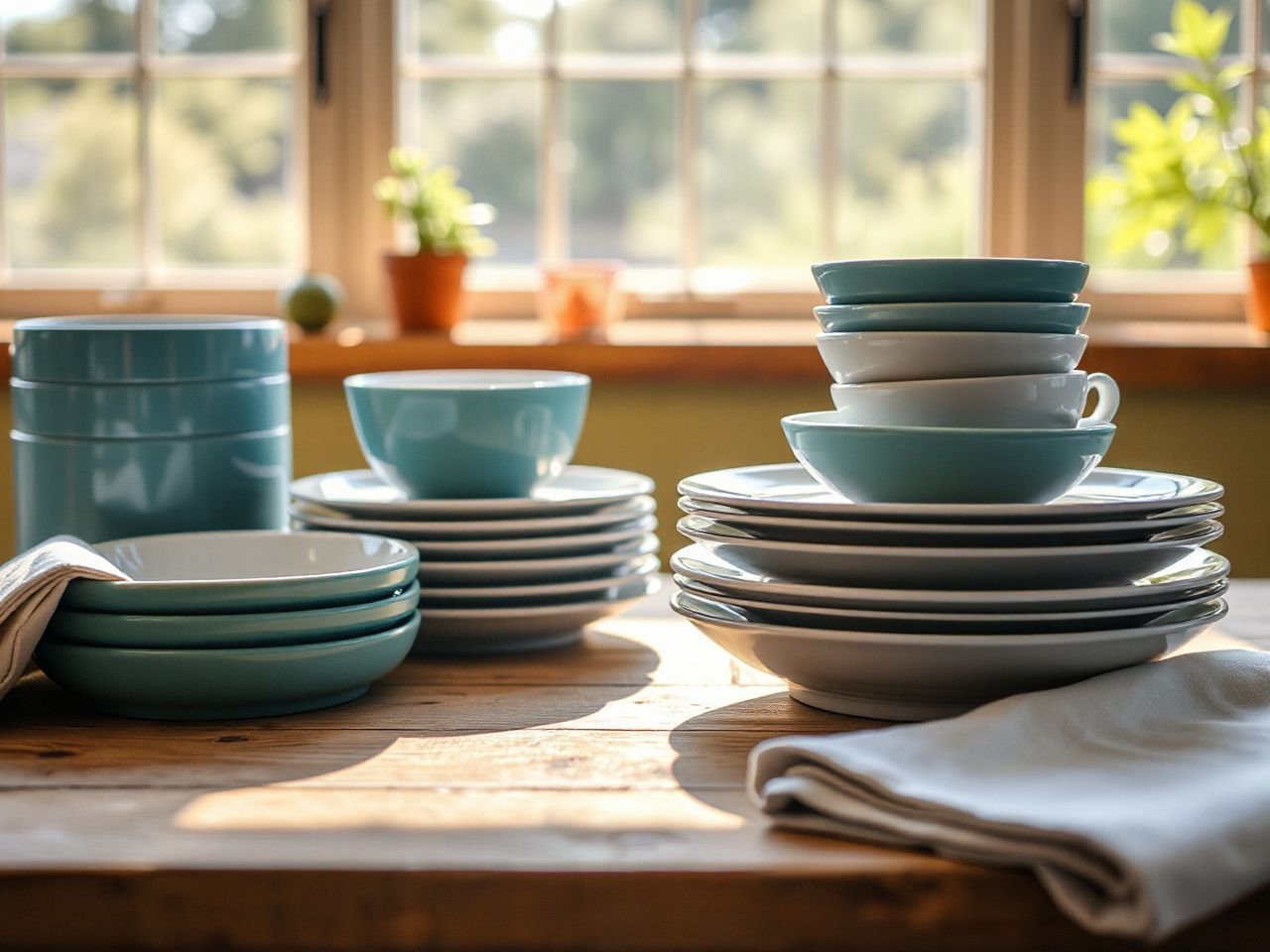
Melamine dinnerware is increasingly treated as an easy answer for outdoor meals, family tables, camping, and busy food service. The useful distinction is between melamine’s resistance to breakage in serving use and its unsuitability for direct heating: a durable plate is not automatically cookware. A sound guide separates the resin itself from coatings, decorations, and composite fillers, then treats care instructions, surface damage, and food-contact use as product-specific questions rather than assuming every melamine item behaves identically.
This melamine dinnerware buying guide starts with the label, the finish, and the care instructions. I pay particular attention to a finish that may fade, scratch, or cloud over months of dishwasher cycles, because surface appearance is part of practical ownership rather than a minor decoration detail.
Key Takeaways
- Melamine is serving dinnerware, not cookware; keep melamine plates, bowls, and platters out of microwave ovens and conventional ovens.
- Compare the food-contact surface, finish, edge design, weight, and maker’s care instructions rather than relying on the word melamine alone.
- Stop using chipped, cracked, warped, or heavily scratched pieces for food service, and inspect glossy finishes for fading or clouding over time.
Beginner: Start with the material and its limits
What melamine dinnerware is made from
Conventional melamine dinnerware is made from melamine-formaldehyde resin, a hard resin used to form serving pieces such as melamine plates, melamine bowls, melamine serving platters, and melamine trays. The finished piece can feel substantially more rigid than many thin plastic dishes, but the word melamine on a package does not answer every question about the surface or the fillers used in production.
Melamine resin gives the piece its basic structure. A coating may determine how glossy the surface appears and how readily decoration shows wear, while a composite filler can change what the product is made from altogether. Those parts should be considered separately.
Melamine-formaldehyde resin is a serving material, so melamine dinnerware should not be used in a microwave or conventional oven. The dish may tolerate ordinary serving conditions without being suitable for cooking or reheating. Use a separate microwave- or oven-suitable vessel, then transfer food to the melamine piece after heating.
How to tell conventional melamine from a composite
Read the material description and care panel rather than treating a familiar appearance as proof of composition. Products made with bamboo fiber or other plant fillers may be composite materials rather than conventional melamine, and those products need to be assessed from their own labeling and care instructions.
Look for clear wording about the material, food-contact use, dishwasher care, and heating restrictions. A claim such as BPA-free addresses one stated characteristic; it does not replace the full material description or tell you whether a product is conventional melamine, a composite, or another plastic.
- Check the package, base, or product page for the named material.
- Look for a food-contact statement and the maker’s cleaning instructions.
- Separate a bamboo-fiber or plant-filled claim from a plain melamine claim.
- Reject vague instructions if the product’s intended food use is unclear.
The U.S. Food and Drug Administration provides information about food-contact materials and food-contact uses at FDA.gov, so its guidance is a useful reference when a label leaves a safety question unanswered.
What the weight can and cannot tell you
Weight is a useful comparison clue, not a complete quality test. Each plate made of premium melamine typically has a weight ranging from 1 to 2 pounds, while a 10.5-inch dinner plate ought to be approximately 450 grams. Those figures help you spot a description that seems inconsistent, but they do not prove the resin, coating, or food-contact surface is suitable.
A heavier piece may feel more substantial in the hand, yet density alone cannot tell you how a printed decoration will age in a dishwasher. A lighter piece may be convenient for an outdoor meal while offering less of the feel you want at a formal table. Read the stated material and care information alongside the weight.
Heating, hot food, and food-contact use
Melamine dishes are intended for serving rather than cooking or reheating. Do not place them in a microwave oven or conventional oven, even if the food itself is suitable for high heat. The safest practical habit is simple: heat food in the proper vessel and use melamine only at the serving stage.
Hot, acidic, or strongly colored foods require attention to the product’s instructions and surface condition. A maker may provide specific restrictions, and those instructions take priority over a general assumption that all melamine behaves alike. Strongly colored foods can also leave visible discoloration when a surface has been worn or exposed for a prolonged period.
A food-contact surface must remain intact enough to clean effectively. A decorative pattern, printed top layer, or hard-cured coating should not be treated as interchangeable with the underlying resin, particularly after scratching, clouding, or visible loss of finish.
Beginner: Compare the piece, not just the pattern
Plates, bowls, and serving pieces
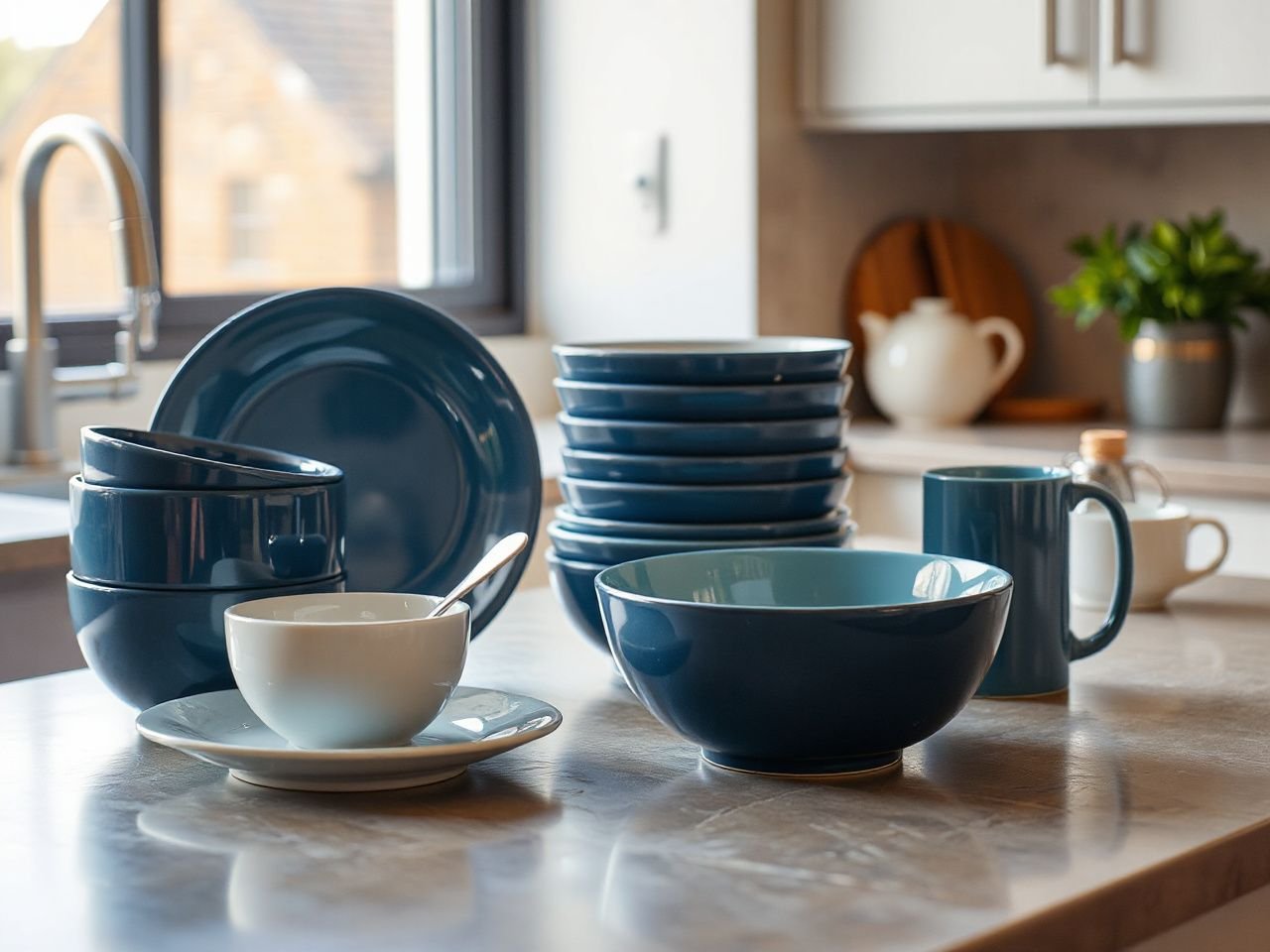
Start with the shape that matches the food and the setting. Plates need a useful eating area and an edge that helps contain food. Bowls should hold the type of food you plan to serve without making the piece awkward to carry. Serving platters and trays need a stable shape and a food-contact surface that is easy to inspect and clean.
Edge design has a practical role. A raised rim can help contain sauces and loose food, while a broad flat edge may give a lighter visual appearance but less containment. Look at the transition between the center and rim: deep decoration, sharp changes in level, or narrow recesses can make residue more difficult to remove by hand.
Edge design affects food containment and cleaning access, so shape deserves the same attention as color. A handsome pattern cannot compensate for a rim that makes ordinary washing awkward.
Gloss, matte, and semi-gloss finishes
Finish matters because abrasion changes both appearance and cleanability. When compared with semi-gloss or matte finishes, high-gloss melamine featuring a hard-cured topcoat offers much greater resistance to abrasion. That does not make a high-gloss surface immune to scratches, fading, or clouding, and it does not remove the need to follow the maker’s instructions.
For a dishwasher user, ask how the finish is described and whether the care panel specifically permits dishwasher cleaning. A high-gloss surface may show a change in clarity more readily than a low-sheen surface, while a matte finish may hide some marks but still suffer surface wear. The key question is not which finish looks newest in a product photograph; it is how the maker directs you to maintain that finish.
Color, printing, and the fading question
Decoration can be applied or presented in ways that are not obvious from a product image. Ask whether the color is part of the material or a surface decoration, and look for a statement about the finish rather than assuming a vivid pattern will remain unchanged.
Prolonged exposure to staining foods can damage or discolor the surface, and abrasive scouring pads or harsh cleaners can add visible wear. A dark or busy pattern may conceal early staining, while a pale glossy surface may show clouding quickly. Neither appearance is proof of a better food-contact surface.
Dishwasher compatibility varies by product. The maker’s care instructions should take precedence over general assumptions about melamine, including the assumption that every melamine plate is dishwasher-safe.
Signs a piece should leave food service
Inspect the food-contact surface in ordinary light. Chipping, cracking, warping, and heavy scratching are not merely cosmetic concerns because damaged surfaces can be harder to clean. A piece showing those conditions should not remain in food service.
- Chipped: remove the piece rather than continuing to use the damaged edge.
- Cracked: stop using the piece for food service.
- Warped: replace it if the shape no longer sits or serves normally.
- Heavily scratched: retire it when marks are extensive enough to make cleaning difficult.
- Cloudy or faded: compare the appearance with the maker’s care guidance and inspect for accompanying surface wear.
The U.S. Consumer Product Safety Commission provides consumer product safety information at CPSC.gov; its general consumer guidance is a useful place to check broader concerns about damaged household products.
Intermediate: Build a care routine that protects the finish
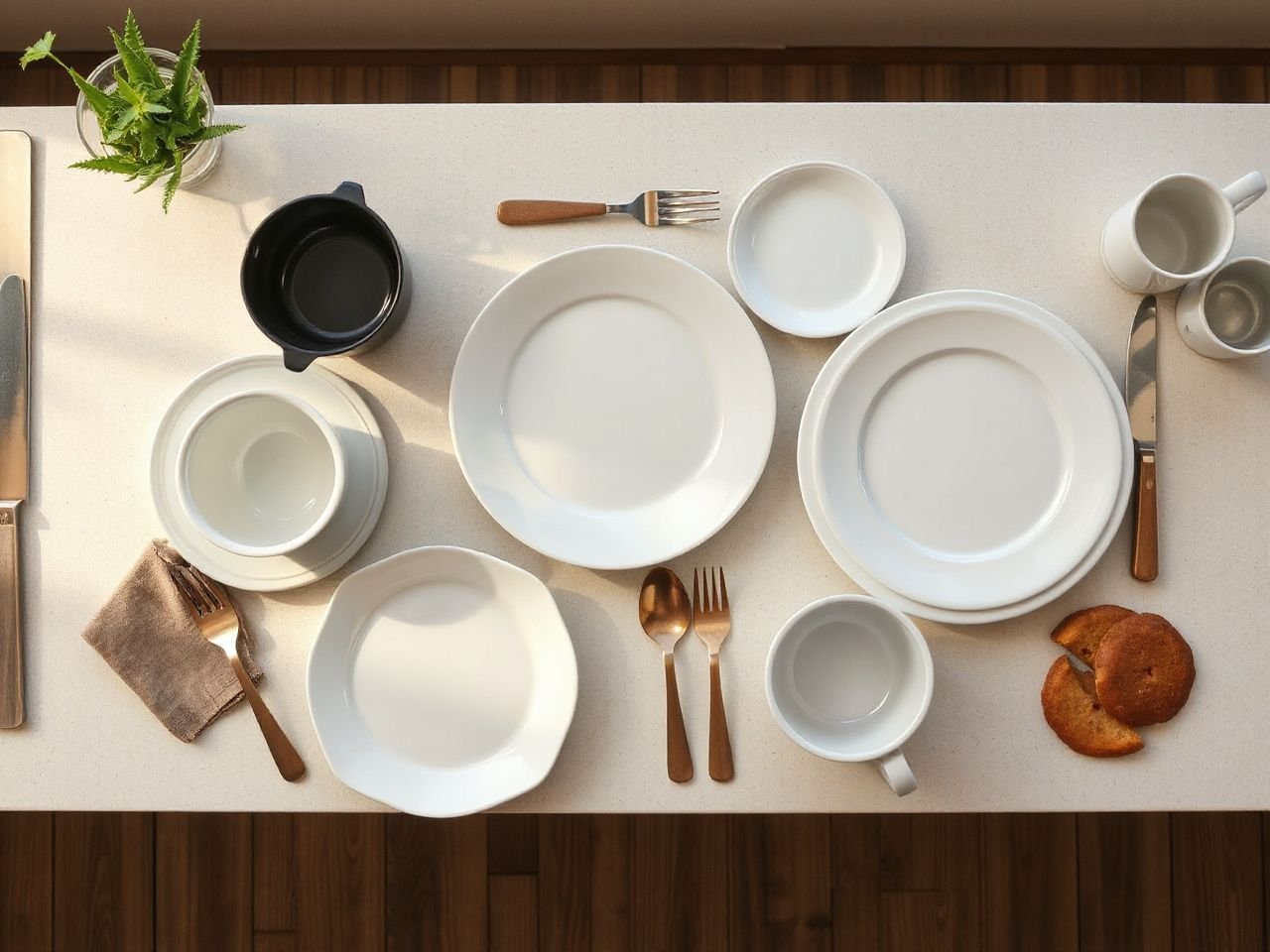
Dishwasher use without guesswork
Dishwasher use is a product-specific question. Read the care instructions before loading melamine dinnerware, and follow the named rack or cycle guidance if the maker provides it. If the instructions do not address dishwasher use, do not convert silence into permission.
Repeated dishwasher cycles can expose a finish to heat, detergent, water, and contact with other items. The exact outcome depends on the product, but the observable checks are straightforward: look for a loss of gloss, a cloudy film that does not wash away, fading at the rim, or new scratches after cleaning.
Load pieces so they do not rub unnecessarily against rough cookware or sharp utensils. Avoid placing a melamine plate where another item can scrape across its food-contact surface. A dishwasher-safe claim still calls for sensible loading and the correct detergent instructions.
Hand-washing and safe cleaning tools
Use ordinary dish soap, a soft sponge, and water unless the maker directs a different method. Abrasive scouring pads can mark the surface, and harsh cleaners can damage or discolor it. A soft brush may help with a shaped rim, but stop if the tool leaves visible scratches.
Do not attack a stain with increasing force. First remove loose food, wash with the gentlest suitable method, rinse, and inspect the surface under good light. If discoloration remains, check the care instructions before using any stronger cleaner.
Abrasive cleaners and scouring pads can damage melamine surfaces, so gentle cleaning protects both appearance and cleanability. The same principle applies to printed decoration and high-gloss topcoats.
Stains, clouding, and surface wear
Staining foods can leave color behind, especially after prolonged exposure or when the surface has already been worn. Clouding may appear as a hazy loss of clarity rather than a removable food film. Fading may show first at exposed decoration or edges.
Separate three observations before deciding what happened:
- Wash the piece with a soft sponge and ordinary dish soap.
- Check whether the mark changes after rinsing and drying.
- Look for scratches, roughness, faded decoration, or a persistent cloudy appearance.
A removable residue calls for cleaning. A persistent change in the surface calls for a care review and possibly replacement. Do not polish, sand, or scour a food-contact surface to restore its appearance.
When replacement is the sensible choice
Replacement is appropriate when a piece is chipped, cracked, warped, or heavily scratched. Such damage can create difficult-to-clean areas and makes the piece unsuitable for continued food service. A faded pattern alone may be a visual concern, but a rough, damaged, or persistently cloudy food-contact surface deserves a stricter decision.
Consider ownership cost in practical terms rather than focusing only on the initial price. A product that needs careful hand-washing may demand more attention than one whose instructions permit dishwasher use. A finish that visibly fades or clouds may lead to earlier replacement, while a damaged piece also creates disposal work.
Intermediate: Compare melamine with other dinnerware
Ceramic and porcelain
Ceramic and porcelain have a different material character and table presence from melamine. They may suit settings where a traditional rigid surface and ceramic appearance matter, while melamine may suit serving situations where resistance to breakage is a priority. The choice depends on the use, the care instructions, and the consequences of damage in that setting.
Neither category should be judged by appearance alone. A ceramic or porcelain piece still needs inspection for chips and cracks, while melamine needs closer attention to scratches, coating wear, and heating limits. A table setting can use one material for serving and another for cooking or reheating.
Glass
Glass offers a visibly different surface and allows the food to remain the visual focus. Melamine is generally considered for situations where a lighter, less fragile serving option is wanted, but the individual product’s weight, finish, and care instructions remain decisive.
Glass and melamine also differ in how damage appears. A crack or chip in either material calls for removal from food service, while melamine may additionally show abrasion, fading, or clouding that changes the surface before obvious structural damage appears.
Polypropylene and other plastics
Polypropylene dinnerware is another plastic category, not a synonym for melamine. Compare the named material, food-contact labeling, heating restrictions, finish, and care instructions. A plastic product’s flexibility or lighter feel does not identify its exact composition.
Outdoor and camping tableware often places emphasis on handling and breakage resistance, but the same heating rule applies to melamine: serving use is not cooking use. Do not infer microwave or oven suitability from a product’s use outdoors.
Food service, children, and outdoor meals
Melamine can be considered for children, outdoor meals, camping, and institutional food service when the specific product is labeled for the intended food-contact use and its care instructions can be followed. The setting increases the importance of inspection because frequent handling and cleaning can make surface damage easier to miss.
For children, check the rim and food-contact surface regularly. For outdoor meals, keep the pieces away from cooking heat. For institutional service, create a clear process for removing chipped, cracked, warped, or heavily scratched items rather than returning them to circulation.
Food-contact labeling matters more than a broad promise such as durable or unbreakable. Review the maker’s directions and consult the U.S. Food and Drug Administration at FDA.gov for food-contact information when the intended use or material description is unclear.
Advanced: Make a careful ownership decision
A practical inspection before purchase
Use the product page, package, or physical piece as an inspection checklist. The goal is to identify the surface and the limits before committing to a pattern or quantity.
- Material: confirm whether the product is conventional melamine or a composite containing bamboo fiber or another plant filler.
- Food-contact wording: look for clear information about the intended use.
- Heating: confirm that microwave and oven use are prohibited or otherwise addressed; do not assume suitability.
- Dishwasher care: find the maker’s exact instruction rather than relying on general melamine claims.
- Finish: decide whether gloss, matte, or semi-gloss suits your tolerance for visible wear.
- Shape: inspect the rim, base, and transitions where food or water may collect.
- Replacement: consider whether individual pieces can be replaced if one becomes damaged.
The broader Dinnerware Set Buying Guide: Before You Start Shopping can help organize place-setting needs before you compare material-specific details here.
Reading marketing language carefully
Words such as premium, durable, lightweight, BPA-free, and dishwasher-safe each provide limited information. Premium may describe a finish or a general construction claim, while BPA-free addresses a particular chemical claim without identifying every material or care limit. Dishwasher-safe still depends on the maker’s instructions.
Do not treat a product photograph as evidence of a hard-cured topcoat, conventional melamine composition, or long-term color stability. Ask for the care panel and material wording. If that information is missing, the uncertainty itself should affect the decision.
Ownership cost, replacement, and disposal
Initial price is only one part of cost. Add the effort of hand-washing, the possibility of finish replacement, the number of pieces needed, and the likelihood that damaged items will need removal. A set that requires special handling may cost more in attention even if the purchase price appears attractive.
Disposal also belongs in the calculation. Do not keep a damaged piece in service merely to avoid replacing it. Follow local disposal guidance for household plastics and composites, because the product’s actual material affects how it should be handled.
The lowest ownership burden comes from matching the material to the use and following the care instructions from the first wash. A melamine set is a poor fit if the household needs microwave reheating directly in the dish or expects a piece to perform like cookware.
A final finish-focused decision
I would give the finish a final inspection before giving the pattern much weight. Ask whether the surface is likely to show abrasion, whether decoration appears vulnerable at the rim, and whether the care instructions support the cleaning routine you actually plan to use.
High-gloss melamine with a hard-cured topcoat offers much greater abrasion resistance than semi-gloss or matte finishes, but resistance is not immunity. Dishwasher cycles, abrasive contact, harsh cleaners, and prolonged exposure to staining foods can still change appearance or damage a surface.
Choose the piece only after the material, heating limit, dishwasher instructions, food-contact wording, and replacement plan make sense together. That is the difference between selecting a look and selecting dinnerware that fits its job.
Frequently Asked Questions
Can melamine dinnerware go in a microwave oven or conventional oven?
No. Melamine dinnerware is intended for serving rather than cooking or reheating, so melamine plates, bowls, trays, and platters should not be used in a microwave oven or conventional oven. Heat food in a suitable cooking vessel and transfer it afterward. A product’s resistance to breakage does not make it cookware.
Can melamine dishes go in the dishwasher?
Sometimes, but dishwasher compatibility varies by product. Read the maker’s care instructions before loading a piece, and follow any directions about rack position, detergent, or cleaning method. Inspect the finish for fading, clouding, or scratches over time. A general assumption about melamine should never override product-specific instructions.
When should a melamine plate be discarded?
Remove a melamine plate from food service if it is chipped, cracked, warped, or heavily scratched. Damaged surfaces can be harder to clean, and continued use makes the condition easy to overlook. Persistent clouding or discoloration also deserves inspection against the maker’s care instructions. For broader kitchen planning, the dinnerware set planning guide can help you think through replacement needs.
Are bamboo-fiber dishes the same as melamine dishes?
No. Products made with bamboo fiber or other plant fillers may be composite materials rather than conventional melamine. Read the material description, food-contact labeling, and care instructions for that specific product. Do not transfer assumptions about conventional melamine to a composite dish, particularly concerning cleaning, heating, and dishwasher use.
Are melamine dishes suitable for hot, acidic, or strongly colored foods?
Use the maker’s instructions for the specific product and inspect the food-contact surface. Melamine dishes are serving pieces, not cooking vessels, and strongly colored foods may discolor a worn surface after prolonged exposure. Hot or acidic food should be served only within the stated product guidance. Any damaged surface should be removed from food service.