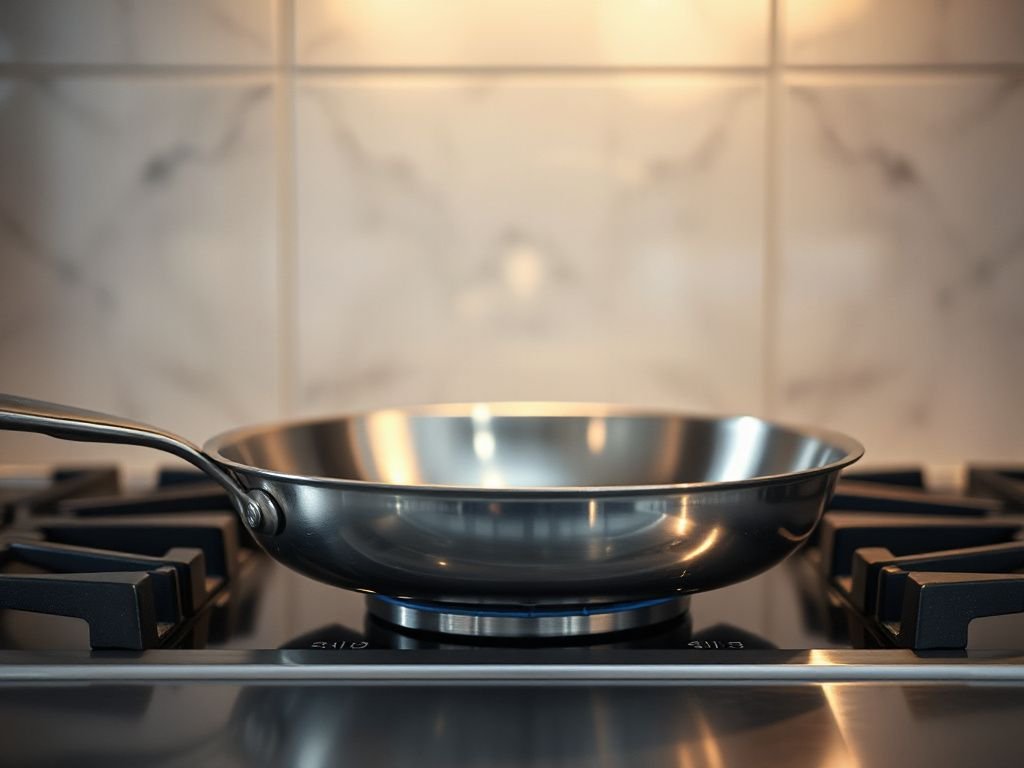
Aluminum expands nearly twice as much as cast iron for the same jump in temperature — about 23 micrometers per meter per degree Celsius versus roughly 11 — and that single number explains almost every warped pan sitting in a kitchen cabinet. The metal is not failing because it got hot. It is failing because one part of it got hot faster than the part right next to it.
That is the whole story, and it reframes everything you have been told. Warping is a differential-expansion problem, not a heat-amount problem: the base bows when one region of the disc grows against a cooler region beside it, so learning how to stop a pan from warping is really about controlling the rate and evenness of temperature change rather than simply keeping the heat low. Thin single-material pans warp because they have no mass and no opposing layer to resist that internal stress, which is exactly why construction predicts warping far better than price does.
Key Takeaways
- Thermal shock is the number one trigger. A hot pan hitting cold water swings the temperature so fast that the metal cannot expand evenly, and the base bows or bends.
- Even heating beats low heating. Match the burner to the base, warm empty thin pans gradually, and the whole disc moves together instead of fighting itself.
- Mass and cladding resist warping. Tri-ply stainless, thick cast iron, and impact-bonded disc bases stay flat where thin stamped aluminum cannot.
Why Does My Pan Warp — Is It the Heat or the Metal?
It is both, working against each other. Every metal has a coefficient of thermal expansion, a fixed rate at which it grows when heated, and the standardized way these values get measured is published by ASTM International in its material and thermal-property test methods. When you heat a pan evenly, the entire base expands together and lies flat when it cools. Trouble starts the instant the expansion becomes lopsided.
Aluminum conducts heat quickly but also expands aggressively, so a thin aluminum pan reacts to a temperature difference almost immediately. A stainless-steel skillet moves less per degree but can still bow if the stress is concentrated. Cast iron barely moves at all, and its sheer mass soaks up uneven heat before it can distort the shape.
The Real Culprit: Thermal Shock
Thermal shock is a sudden temperature swing across a short span of time, and it is the single most common cause of a warped pan. Splashing cold water into a screaming-hot skillet forces the surface it touches to contract violently while the rest of the metal is still expanded. The disc has to give somewhere, so it bows.
This is why a pan can survive years of cooking and then warp in one careless second at the sink. The failure is not fatigue from normal use. It is a rate problem: the metal was asked to change temperature faster than its structure could handle.
Empty Preheating and Burner Mismatch
Cranking an empty thin pan to high heat is the second reliable way to bow a base. With no food and no water to absorb and spread the energy, the center over the flame expands well before the rim catches up, and that center-to-edge difference is what pushes the metal out of plane.
A burner that is smaller than the pan makes it worse. Heat piles into a hot ring in the middle while the outer inch stays comparatively cool, so the pan is expanding at two rates at once. Sizing the burner to the base diameter keeps the temperature gradient gentle, and gentle gradients are what flat pans are made of.
How to Stop a Pan From Warping: The Habits That Actually Work
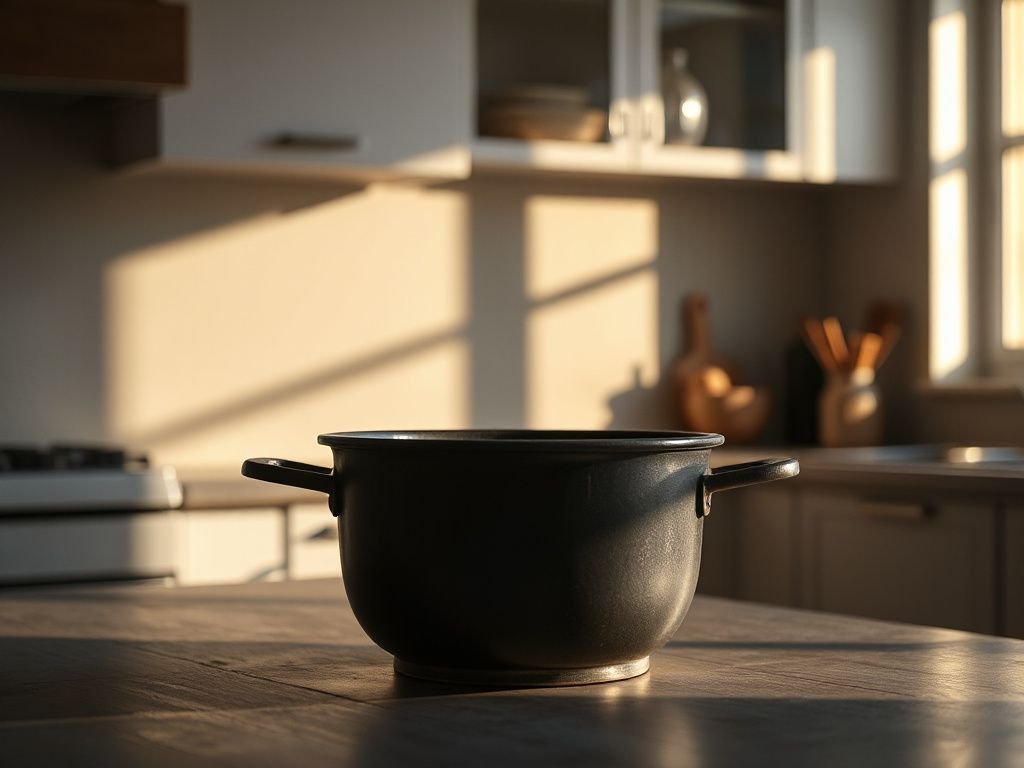
Preventing warp is not about babying your cookware. It is about never handing the metal a temperature change it cannot absorb evenly. These steps do exactly that.
Step 1: Preheat Gradually, Especially When Empty
Start thin and mid-weight pans on medium heat and give them a minute or two to come up before you turn the dial higher. If you need a searing-hot surface, add a little oil early so it spreads and helps carry heat toward the edges. A pan that reaches temperature slowly reaches it evenly.
Step 2: Match the Burner to the Base
Choose a burner that is the same diameter as the pan bottom or slightly smaller, never a small burner under a large pan. This keeps the heated zone spread across the whole base instead of concentrated in a bright ring. The result is one expanding disc, not a hot island inside a cool frame.
Step 3: Never Quench a Hot Pan
Let a pan cool on its own before it goes near water. Running cold water over a hot skillet, or dropping it into a sink full of dishwater, is the fastest route to a bowed base there is. If you must deglaze, do it with the pan still on the heat and use warm or hot liquid, which is a controlled swing rather than a shock — the same principle that keeps a good pan sauce from wrecking your cookware while you build a quick weeknight dish like this one-pot marry me chicken pasta.
Step 4: Keep Heavy Pans Off the Dishwasher and Fridge Extremes
A hot pan set in the refrigerator or run through a dishwasher’s cold rinse gets the same uneven contraction as a cold-water quench, just slower. Cool cookware to room temperature on the stovetop or a rack first. The goal every time is to shrink the temperature swings the metal has to survive.
Which Materials Warp the Least?
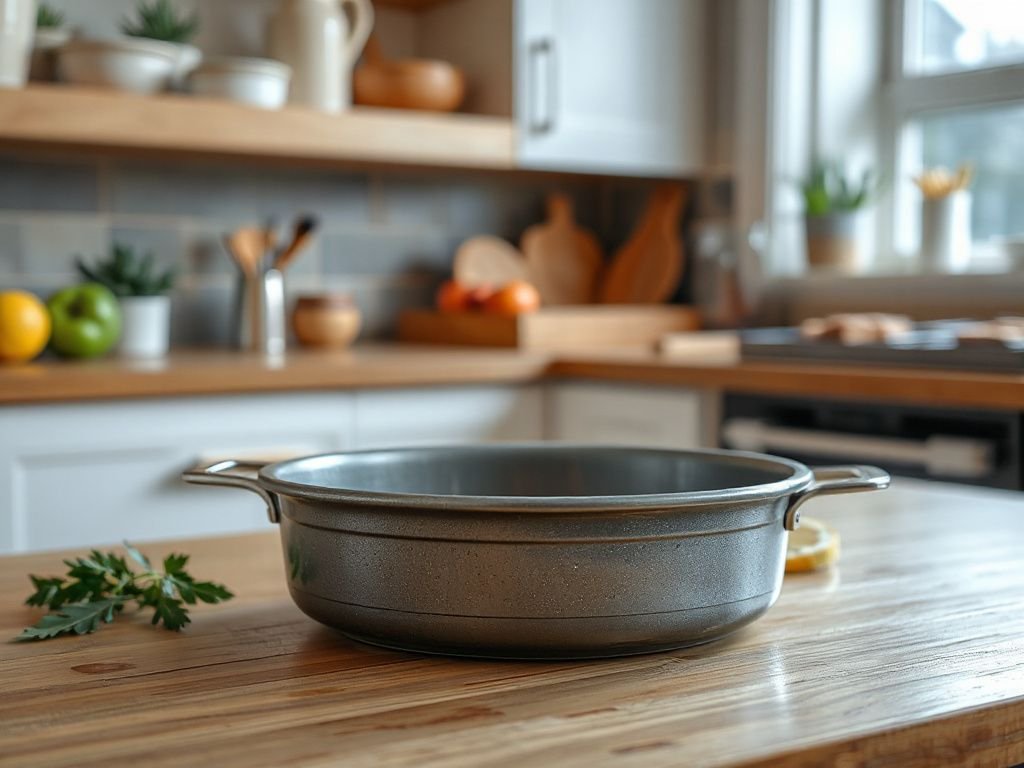
If you want cookware that stays flat for a decade, buy for construction, not for the label. The materials that resist warping all share one of two traits: enough mass to absorb uneven heat, or a layered build that balances expansion internally.
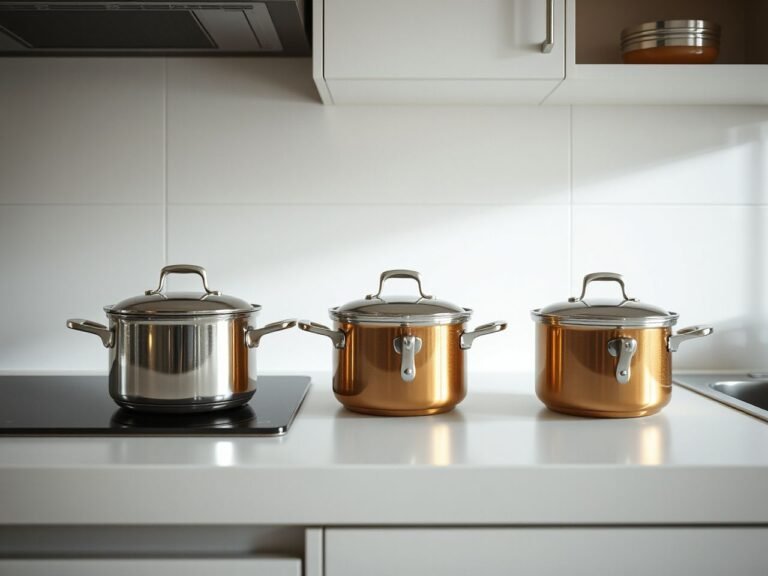
- Tri-ply stainless steel (18/10 cladding): An aluminum or copper core bonded between stainless layers spreads heat sideways and expands as one bonded unit, so the base resists bowing far better than a single sheet of stainless.
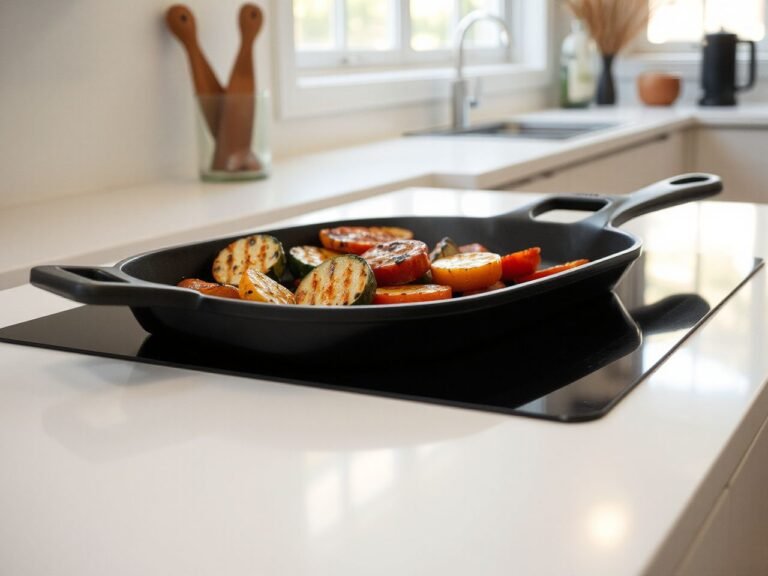
- Cast iron: Lodge bare iron and enameled pieces like Le Creuset are thick and heavy, and that mass soaks up hot spots before they can distort the pan. Cast iron almost never warps in normal cooking.
- Anodized aluminum: Calphalon and similar hard-anodized pans use thicker gauge and a hardened surface, which pushes back against the aggressive expansion plain thin aluminum is known for.
- Carbon steel: de Buyer and Matfer Bourgeat pans are thinner than cast iron but far heavier gauge than cheap nonstick, and once seasoned they take high heat and stay flat.
Cast iron and thick clad pans rarely warp because mass and even expansion resist internal stress, while thin single-ply pans have nothing to push back with. That is the difference in one sentence.
Why Gauge Matters More Than You Think
Gauge is the thickness of the metal, and it is the quiet variable behind most warping. A thicker base has more material to distribute heat and more stiffness to resist bending, so it tolerates a wider temperature gradient before it gives. This is also why a heavy pan is the right tool for a low-and-slow braise or a big batch of chicken tortilla soup that comes together in about 25 minutes — the mass keeps the heat steady and the base flat over long sessions.
The Warp-Resistant Disc Base
Many quality stainless pots use an impact-bonded base, an encapsulated aluminum disc pressure-welded to the bottom. This adds mass and conductivity right where heat enters, and the bonding process means the layers expand together. It is a deliberate answer to the bimetallic warping problem, where two metals with a coefficient of thermal expansion mismatch pull apart at different rates and bend the metal between them.
Is Warping Worse on Induction or Gas?
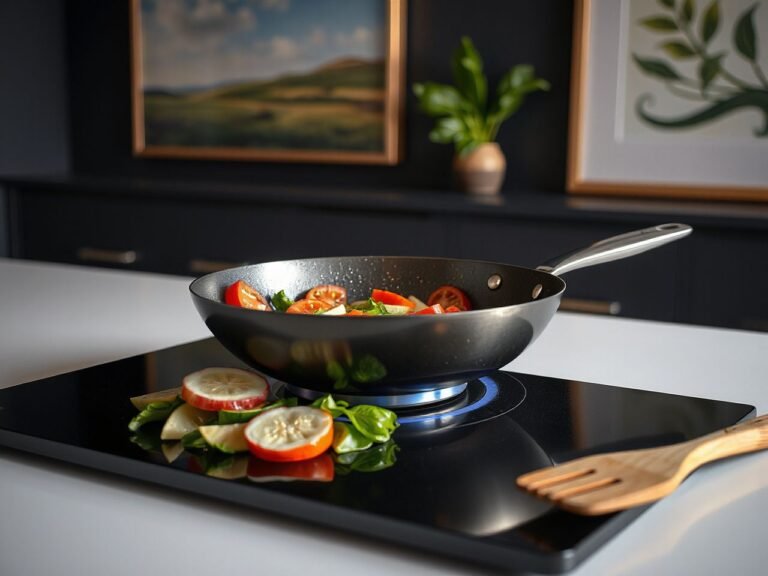
Induction and glass cooktops make an existing warp obvious and can accelerate a new one, but the trigger is still uneven heat. A gas flame licks up the sides a little and spreads its energy over a wider zone, so the gradient is often gentler. An induction hob heats only the ferromagnetic base directly beneath the coil, which is fast and efficient but concentrates energy in the footprint of the element.
That concentration is unforgiving if you preheat empty on high. It is also why a flat base matters more on these surfaces: both glass-ceramic tops like Ceran and induction hobs require solid, even contact to heat properly and safely.
Why a Warped Pan Rocks and Spins on Glass
A warped bottom is a genuine hazard on glass and induction surfaces, because it rocks, spins, and heats unevenly instead of sitting flush. On induction, a bowed base can lose the magnetic coupling in spots and produce cold zones and hot rings. On a smooth glass top, a pan that spins can slide, scratch the surface, or tip a full pot — which is why cooktop makers and safety guidance from bodies like the U.S. Consumer Product Safety Commission stress stable, flat-bottomed cookware on these ranges.
If your pan started sitting flush and now rocks after a few months, it warped — usually from a quench or a too-small burner. It is not the cooktop shrinking or the pan settling.
Can You Fix a Pan That Has Already Warped?
Sometimes, and it depends entirely on what the pan is made of. Warping is largely irreversible in thin single-ply pans, because the metal has yielded past its elastic limit and there is no opposing structure to pull it back. A cheap stamped aluminum skillet that has bowed is usually done as a flat-cooking pan.
Heavier and softer pans give you a fighting chance:
- Thick aluminum: Placed upside down on a flat, hard surface, a bowed base can sometimes be tapped back toward flat with a rubber or wooden mallet, working from the center outward with light blows. Metal mallets dent and thin the base, so avoid them.
- Stainless with a disc base: These rarely respond to hammering because the bonded disc resists it. Minor bows sometimes relax with even, gentle reheating and slow cooling, but deep warps are permanent.
- Cast iron: Effectively unfixable at home. It is brittle and will crack under impact rather than bend, so a warped cast-iron pan is a rare and usually terminal problem.
Be honest with yourself about the result. A pan tapped back to near-flat may look better and still not sit perfectly on induction, and a coating that overheated during the original warp has likely already broken down.
Nonstick Warps Fast for a Reason
Cheap nonstick pans warp quickly compared to clad ones because they are built from a single thin sheet of stamped aluminum with a coating on top and no core, no cladding, and no meaningful mass. There is nothing to spread heat or resist stress. Overheating that same thin base also degrades the coating, and food-contact coatings are the kind of material tracked for safety by certifiers such as NSF International, so a warped budget nonstick pan is often failing on two fronts at once.
The construction that keeps a pan flat — heavier gauge, riveted rather than only stamped handles, a bonded or clad base — is the same construction that keeps it usable for years. Riveted handles matter here too, since they signal a heavier build overall, whereas the thinnest pans tend to rely on spot-welded or stamped attachments.
The Right Way to Heat a Pan So It Stays Flat
Everything above collapses into one routine you can run without thinking. It works on gas, electric, induction, and glass alike, and it is the same routine whether you are searing a steak or simmering a batch of rotisserie chicken mushroom soup.
- Start on medium. Let the pan warm for a minute or two before going higher.
- Match the burner to the base. Same size or slightly smaller, never smaller-under-larger.
- Add fat or food before high heat so energy spreads instead of pooling in one hot ring.
- Cool the pan on its own. No cold-water quench, no dishwasher rinse while hot, no fridge.
- Deglaze hot-into-warm, keeping the swing small and controlled.
Do that, and the whole disc moves together every time it heats and cools. Warping is a stress that builds when parts of the metal disagree about temperature, and this routine keeps them in agreement. That is genuinely all there is to it.
Frequently Asked Questions
Is it really bad to run cold water over a hot pan?
Yes, and it is the leading cause of warping. Cold water hitting a hot base forces the touched area to contract instantly while the rest of the metal is still expanded, and that violent mismatch bows the pan. Let cookware cool on its own before washing. If you need to release stuck food fast, deglaze with warm liquid while the pan stays on the heat instead.
Does preheating an empty pan on high heat cause the bottom to bow?
With thin aluminum or budget nonstick, yes, it commonly does. An empty pan has no food or water to absorb and spread the heat, so the center over the burner expands far faster than the rim and pushes the base out of plane. Preheat on medium, add a little oil early to help carry heat toward the edges, and raise the temperature only once the pan is warm through.
Should I just buy thicker stainless or cast iron to avoid warping?
That is the most reliable route. Tri-ply stainless with a bonded core, hard-anodized aluminum, thick carbon steel, and cast iron all resist warping because mass or cladding balances the internal stress that bends thin single-ply pans. Gauge matters more than price: a heavier base distributes heat and stiffens against bending. Match it with even preheating and no quenching, and warping essentially stops being a concern.
Can I flatten a warped aluminum pan with a mallet?
Sometimes, on thicker aluminum only. Set the pan upside down on a hard flat surface and tap gently from the center outward with a rubber or wooden mallet, never metal, which dents and thins the base. Thin stamped pans and cast iron will not cooperate — thin aluminum has yielded past recovery and cast iron cracks under impact rather than bending, so those are usually beyond a home fix.