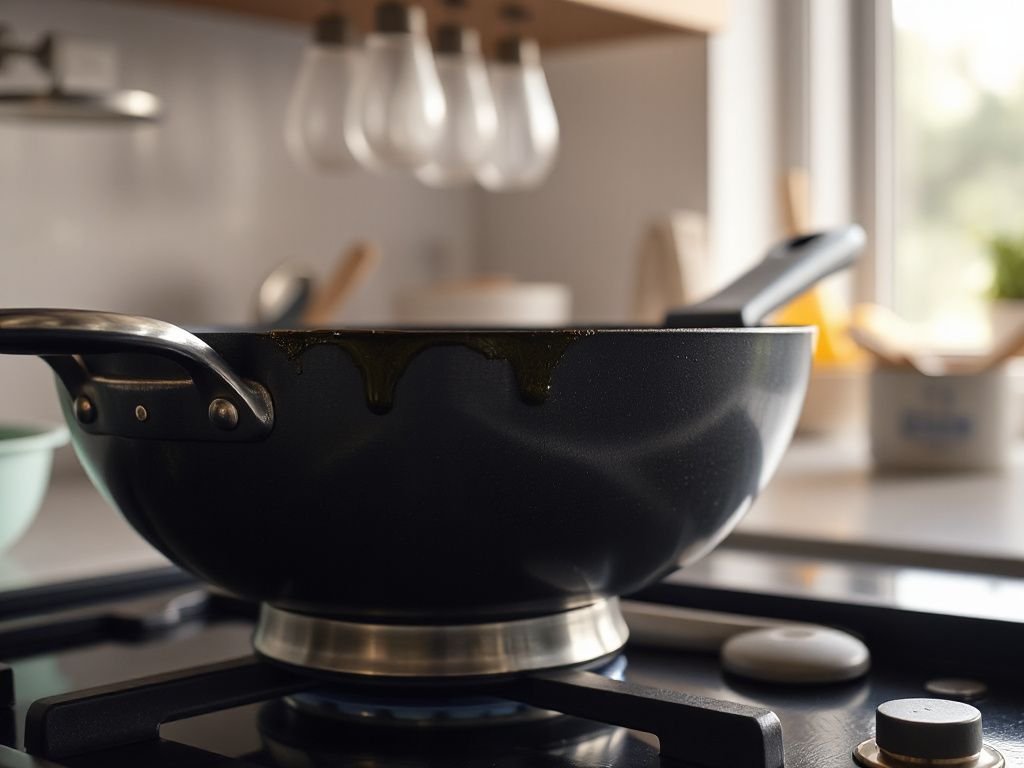
You scrubbed the wok, rubbed oil into it, heated it up, and now the surface is tacky like old tape and food welds itself to the bottom anyway. That gummy, patchy result is the single most common way this goes sideways, and it almost always traces back to the pan and the method rather than to you. Learning how to season a carbon steel wok comes down to understanding one thing most guides skip: seasoning is a chemical reaction, not a paint job.
The decisive distinction is that seasoning is a polymerization reaction, not a coating job. The pan has to get hot enough to take the oil past its smoke point so the oil bonds to the steel, and the film must be wiped down until it looks almost bare. That thin, near-invisible layer is the whole point. The shiny puddle of visible oil people leave on is precisely the part that fails.
There is a second split worth naming early. The initial seasoning only needs to lay down a thin, adherent base, while the dark, durable patina develops later through actual stir-frying. So a wok that looks blotchy and bronze after two coats is normal, not broken.
Key Takeaways
- Seasoning is oil polymerizing past its smoke point, so low heat and thick oil layers guarantee a sticky, failed surface.
- Most new woks ship with a factory anti-rust coating that must be burned or scrubbed off first, or nothing will bond.
- Wipe every coat until the metal looks almost dry; two to three thin coats is plenty to start cooking.
- The real nonstick surface builds through cooking over weeks, not from the initial seasoning alone.
First, Deal With the Factory Coating
Nearly every carbon steel wok arrives with a protective film so it does not rust in the box on its way to you. Sometimes it is a thin factory beeswax, sometimes a clear lacquer, sometimes a bluish-grey mill scale from manufacturing. Whatever it is, oil will not bond to steel that is hiding under a barrier.
How to tell if there is a coating
Run your fingers over a brand-new wok. A waxy or slightly greasy feel means beeswax. A glossy, plasticky sheen that reflects light unevenly usually means lacquer. If you fill the wok with a little hot water and see the surface bead up strangely or a faint film lift, there is something on there.
When in doubt, assume there is a coating and strip it. Skipping this step is the reason a lot of first attempts flake off within a week.
Stripping it off
- Hot soapy scrub. This is the one time heavy dish soap belongs near your wok. Use hot water, a drop of degreasing soap, and steel wool or a green scrub pad. Beeswax often comes off here alone.
- Burn it off over an open flame. For lacquer, put the dry wok over a gas burner on high. The coating will discolor, smoke, and turn a straw-to-blue color as it burns away. Tilt and rotate the wok so every inch, including the sides, passes through the flame.
- Final abrasive pass. Once cool, scrub any remaining residue with Bar Keepers Friend or fresh steel wool until you see bare, dull grey steel everywhere.
Carbon steel differs from cast iron here. Cast iron is thick and porous and forgives sloppy prep, while carbon steel is thin and smooth, so a leftover patch of coating shows up immediately as a bald spot that never takes seasoning.
Choosing an Oil That Actually Bonds
The oil matters, though not in the mystical way it sometimes gets described. What you want is an oil that reaches its smoke point at a temperature your stove can hit, then polymerizes into a hard film. Grapeseed oil is a reliable everyday choice with a smoke point around 420°F (216°C) and a neutral profile.
Flaxseed oil polymerizes into a notably hard layer because it is high in unsaturated fats, which is why it gets recommended so often. The trade-off is that flaxseed layers can be brittle and sometimes flake if applied too thick, so it rewards discipline with the wipe-down more than any other oil.
Avoid oils with low smoke points like extra-virgin olive oil or butter for initial seasoning. They burn into soot before they polymerize cleanly. The U.S. Food and Drug Administration regulates cookware surfaces as food-contact materials, and any neutral, food-grade cooking oil is safe for this purpose, so there is no need for a specialty product.
How to Season a Carbon Steel Wok on the Stovetop
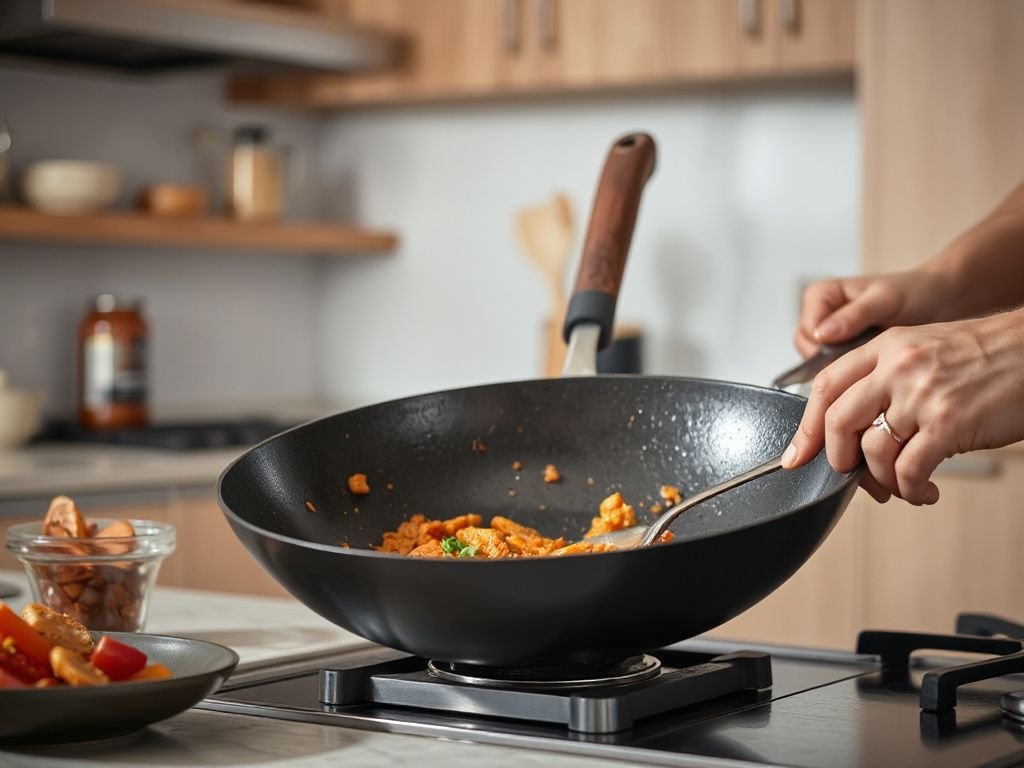
This is the classic method and the one that gives you the most control. It works on any strong heat source, though the burner type changes your approach, which I will cover in a moment.
Step 1: Heat the dry wok until it changes color
Set the clean, dry wok over high heat. Within a few minutes the steel will start to discolor, shifting to a golden, then bronze, then bluish tone. This blueing is the metal itself reacting to heat and is the foundation your first oil coat grips onto. Move the wok around so the color spreads up the sides, not just the bottom.
Step 2: Apply the first microscopic coat
Turn the heat off or to low, then wipe a tiny amount of oil across the hot surface with a folded paper towel held in tongs. Immediately buff it back off with a clean towel. The wok should look faintly dry, not glossy.
Step 3: Heat past the smoke point
Crank the heat back up. The thin film will smoke, and that smoke is the visible sign of polymerization happening. Let it smoke until it stops, roughly 3 to 5 minutes, then the surface will look slightly darker and matte. That color change means the oil has bonded rather than just sitting there.
Step 4: Repeat for two to three coats
Let the wok cool enough to handle, then repeat the wipe-thin, heat-until-smoke cycle two or three more times. Each pass deepens the base. You are not trying to reach jet black. A working initial seasoning is often a mottled brown with darker and lighter zones, and it will even out with cooking.
Because this step produces real smoke, ventilation is not optional. Open windows, run the range hood on high, or do the whole thing on an outdoor burner. The Centers for Disease Control and Prevention notes that cooking fumes and smoke degrade indoor air quality, so a well-ventilated kitchen matters here for comfort and safety alike.
Can You Season on Electric or Induction?
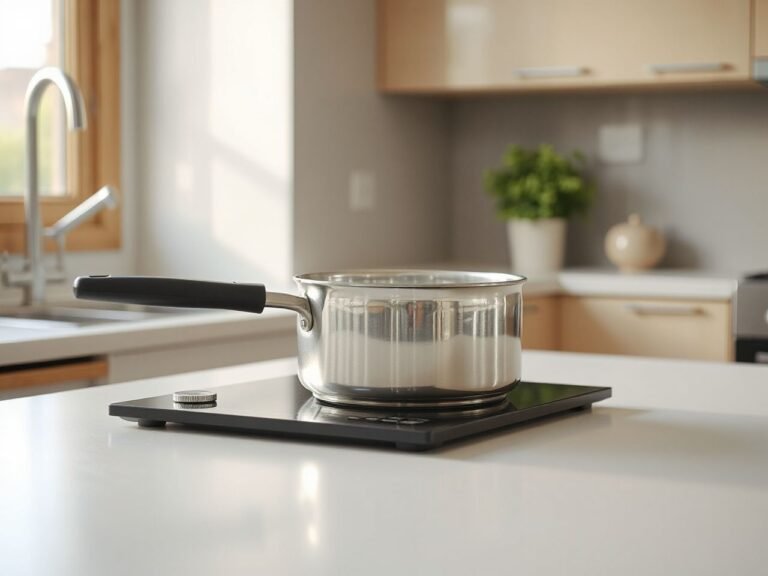
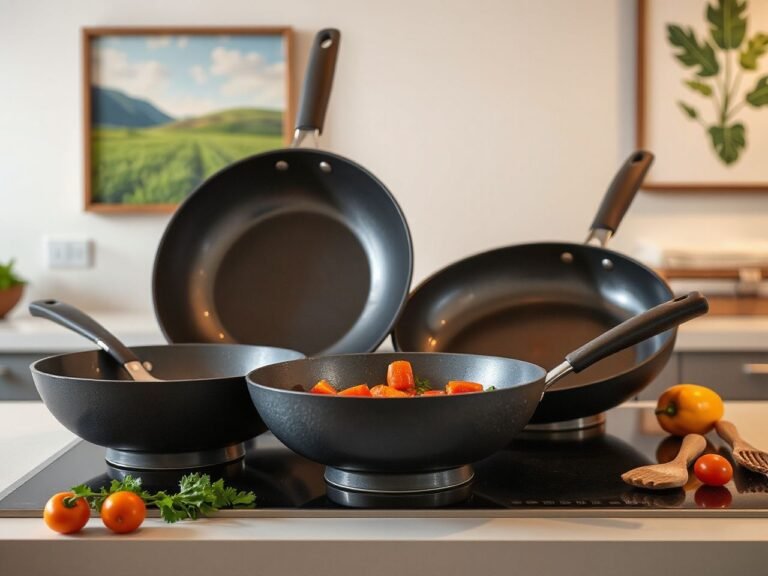
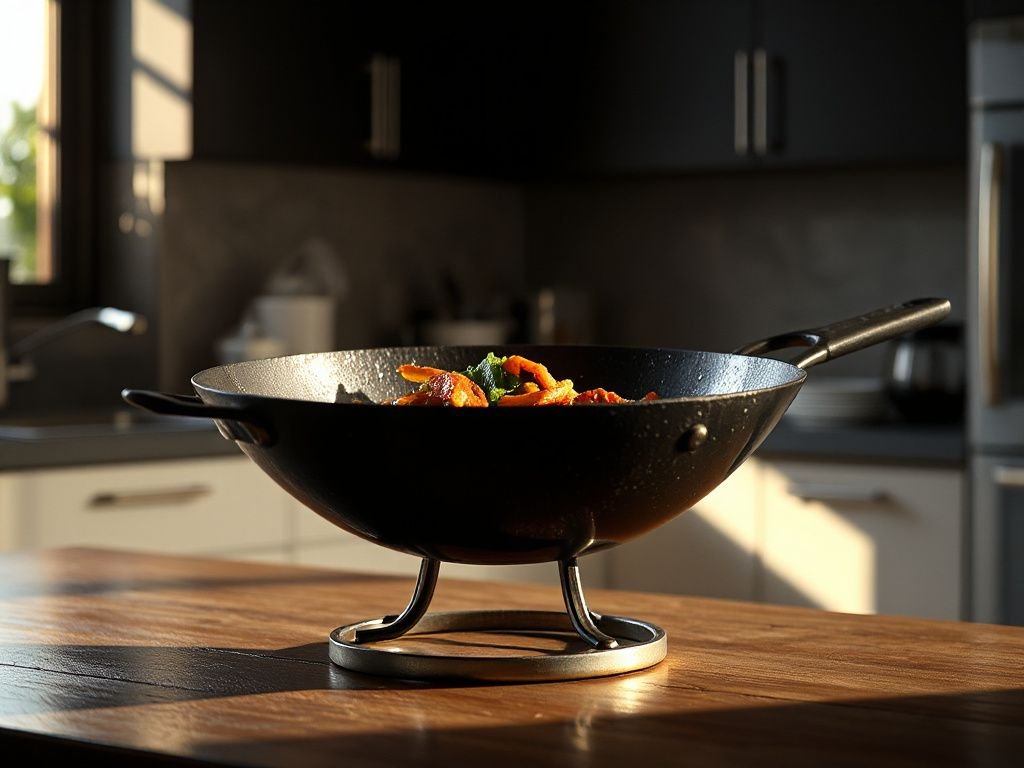
Yes, with caveats. Seasoning needs high, sustained heat, and the reason gas burners and open flame are traditional is that they heat the curved sides of a round wok, not just the base. A flat-bottom carbon steel wok is the better match for electric coil, glass-top, and induction stoves because it makes full contact with the element.
On these stoves you will season the base easily but struggle with the upper walls. The oven method solves that, which is why many electric and induction users prefer it.
Seasoning the whole wok in the oven
- Strip and wipe on the thinnest oil coat exactly as before.
- Place the wok upside down on the top rack with foil below to catch drips.
- Bake at 450 to 500°F (232 to 260°C) for 1 hour, then let it cool in the oven.
- Repeat two or three times for an even base coat across the entire surface.
The oven gives you uniformity the stovetop cannot on an electric setup, since the whole pan sits at one temperature. The downside is time and a smoky kitchen, so ventilate and expect the process to take an afternoon. A round-bottom wok will need a wok ring to sit stably, though for oven work you are inverting it anyway.
Why Your Seasoning Keeps Failing
If you have done this and it still went wrong, the cause is usually one of a short list of problems. Diagnosing which one saves you from stripping and restarting blindly.
Sticky and gummy
Too much oil, too little heat, or both. Excess oil that is not wiped nearly dry is the direct cause of a tacky surface. Scrub the gummy layer back with Bar Keepers Friend, then redo it with a genuinely thin film and higher heat.
Peeling or flaking in patches
This points to either a leftover factory coating underneath or seasoning layers applied so thick they cracked. Flaking seasoning is a sign the layers were too thick to flex with the metal, not a sign the wok is defective. Strip the loose areas and rebuild thin.
Food still sticks after seasoning
Two things cause this. First, the initial seasoning is thin by design and only becomes truly nonstick after weeks of cooking. Second, and this is where I blame the pan less and the technique more, you likely added food to a wok that was not hot enough. Preheat until a bead of water skitters and evaporates on contact, then add oil, then food.
Those early stir-fries are also seasoning sessions. A quick one-pan meal like this easy one-pot chicken pasta that comes together in 25 minutes shows the kind of fat-forward, non-acidic cooking that builds patina fast, though you would run it in a wok rather than the original pot.
What a Finished Seasoning Looks Like
People expect a mirror-black surface and worry when they do not get one. Here is the honest picture.
- After initial seasoning: uneven brown-to-bronze, sometimes with a bluish cast, often lighter in the center where heat is strongest. This is normal.
- After a few weeks of cooking: darker, more uniform, developing a genuine patina and real release.
- Fully matured: deep near-black, slightly glossy from use, and slick enough for eggs.
The reward for all of this is wok hei, the smoky char that a screaming-hot, well-seasoned wok imparts and that a nonstick pan physically cannot produce. That flavor is the entire reason to bother with carbon steel over easier cookware.
Living With a Seasoned Wok
Is soap allowed?
A little mild dish soap and a soft sponge will not strip a properly polymerized seasoning, because the bonded layer is chemically part of the pan now, not a grease film sitting on top. The old “never use soap” rule dates to when seasoning was fragile and misunderstood. What you should avoid is soaking, harsh scouring, and the dishwasher.
Everyday cleanup
- Rinse with hot water while the wok is still warm and scrub with a soft brush.
- Dry it completely, ideally back on a low burner for a minute so no water lingers.
- Wipe an ultra-thin film of oil over the inside before storing.
Storage is where neglected woks rust. Store it bone-dry with that whisper of oil, somewhere with airflow rather than sealed in a humid cabinet. Guidance from the U.S. Department of Agriculture on keeping cooking surfaces clean and dry applies here as much for rust prevention as for hygiene.
Protecting a young seasoning
For the first several cooks, skip acidic ingredients like tomatoes, vinegar, and citrus, and avoid long simmering or boiling. Acid and prolonged water contact strip a fragile initial layer before it has matured. Favor high-heat, oil-based stir-fries early on. A brothy dish such as this quick rotisserie chicken and mushroom soup is exactly the sort of long-liquid cooking to save for later, once the patina is established.
Rescuing a Rusted or Ruined Wok
Rust is not a death sentence, and neither is a botched seasoning. You do not always need to start from bare metal.
- Light surface rust: scrub the spots with steel wool and a little Bar Keepers Friend, rinse, dry, and re-season just those patches.
- Widespread rust or peeling seasoning: strip the whole thing back to grey steel and season from scratch. It is faster than fighting a compromised surface.
- Gummy varnish buildup: scour it off, then rebuild thinner and hotter.
The traditional aromatics method is worth knowing as a finishing touch. After the oil coats bond, some cooks stir-fry ginger, scallion, and salt in the wok, scrubbing the surface with the vegetables. This is a distinct step from the first-heat blueing, and it helps smooth and condition an already-seasoned pan rather than replacing the polymerization work.
Carbon steel restoration is more forgiving than people fear precisely because seasoning is a repeatable chemical process, not a one-time coating you cannot reproduce. Strip, heat, oil thin, repeat. The pan does not hold a grudge.
Frequently Asked Questions
How many coats do I need before I can cook in a carbon steel wok?
Two to three thin coats create enough of an adherent base to start cooking, and that is the realistic finish line for initial seasoning. Do not chase a perfectly black surface at this stage. The durable, slick layer builds through actual stir-frying over the following weeks, so cooking fatty, non-acidic dishes early is the fastest way to complete the job.
Why does my seasoning turn sticky and gummy instead of hard?
Sticky seasoning means the oil never reached its smoke point and oxidized instead of polymerizing, almost always from too-thick oil or too-low heat. Wipe each coat until the metal looks nearly bare, then heat until the film actively smokes and stops. If it is already gummy, scrub it back with Bar Keepers Friend and redo it thinner and hotter.
Can I season a carbon steel wok on an induction stove?
Yes, though a flat-bottom wok works far better than a round one on induction because it makes full contact with the element. Induction heats the base well but leaves the upper walls under-seasoned. The oven method at 450 to 500°F solves this by heating the entire pan evenly, which is why many induction and electric users prefer it. A steady meal like this 25-minute chicken tortilla soup is worth saving until the seasoning has matured, since long-simmered acidic broths can strip a young layer.