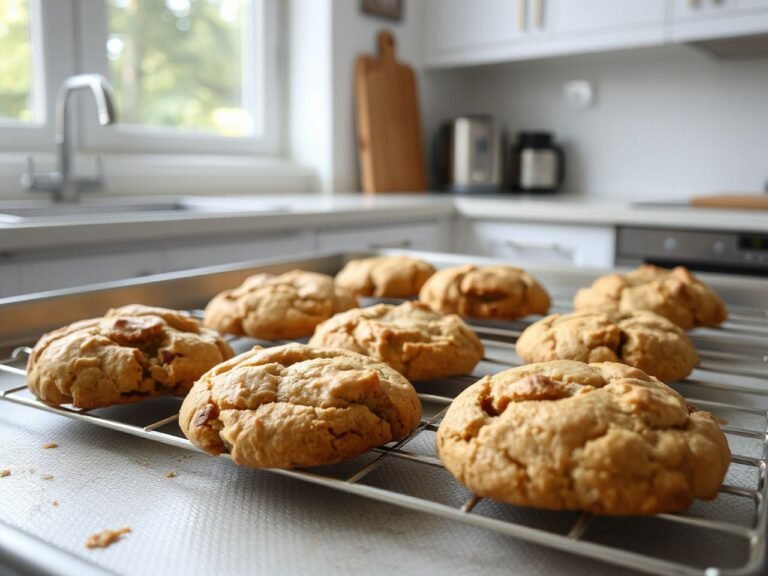
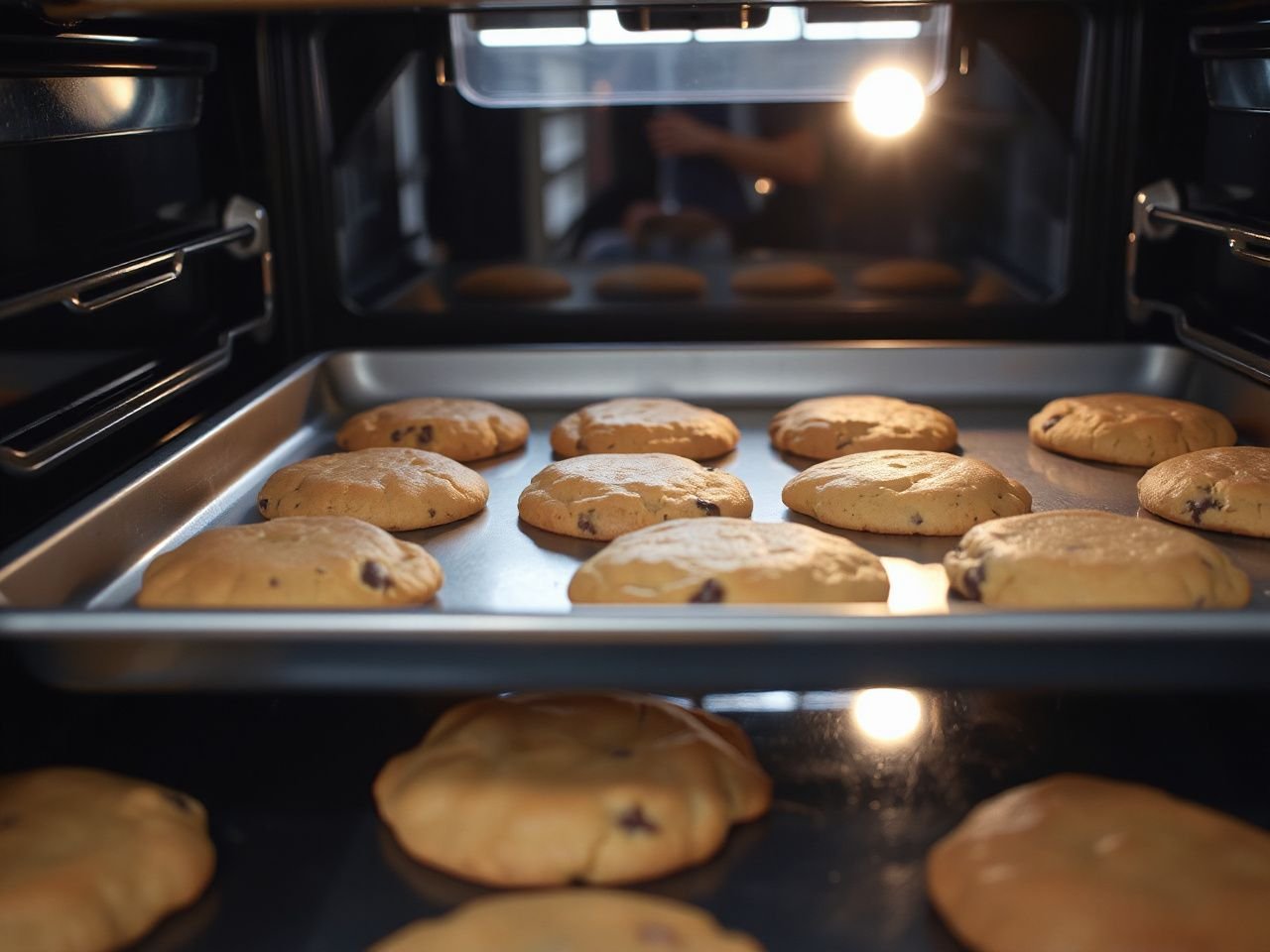
There’s a particular satisfaction in pulling a tray of sugar cookies from the oven and watching them release with nothing more than a gentle nudge. That’s the feeling this Caraway baking sheet review is built around — whether the pan actually delivers on that promise for everything from plain chocolate chip cookies to those brownie cookie dough sandwich cookies you’ve been eyeing.
The Caraway Non-Stick Ceramic-Coated 18″ x 13″ Baking Sheet is the only pan to reach for now — it replaces older sheets effectively.
📌 This article contains affiliate links. As an Amazon Associate I earn from qualifying purchases, at no extra cost to you. Full disclosure.
CERTAIN CONTENT THAT APPEARS ON THIS SITE COMES FROM AMAZON. THIS CONTENT IS PROVIDED ‘AS IS’ AND IS SUBJECT TO CHANGE OR REMOVAL AT ANY TIME.
| Product | Best For | Buy Link |
|---|---|---|
| Caraway Non-Stick Ceramic-Coated 18″ x 13″ Baking Sheet | Even browning, non-toxic | Check Price |
Caraway Baking Sheet Features
The Caraway baking sheet is designed for standard home baking tasks. Sugar cookies and trays of Brussels sprouts roasted at 425°F are ideal for checking browning and sticking performance. Cleaning the sheet by hand or in the dishwasher affects the ceramic coating longevity. A thermal shock test involves moving the pan directly from a hot oven to a cool stovetop, and metal utensils can potentially scratch the surface. Compared to a standard aluminum non-stick pan, weight, flex, and even browning on a batch of shortbread are key performance indicators. The manufacturer’s care instructions are essential for maintaining the product surface over time.

Caraway Non-Stick Ceramic-Coated Baking Sheet
Quick take: This is the sheet for home bakers who want a non-toxic, good-looking pan that releases cookies without parchment paper — and are willing to baby it a little.
The first thing to register about this half-sheet pan is the weight. The carbon steel core gives it a heft that doesn’t flex or wobble when you grab a single corner, which is precisely what separates it from the flimsy aluminum pans sold at the same size — thin aluminum has too little stiffness to hold itself flat under load. The ceramic coating itself feels smooth and almost glassy, not rubbery or sticky like some older non-stick surfaces. It comes in a periwinkle blue that is genuinely handsome, but that pale finish also shows every fingerprint and oil smudge. The rimmed edges are rolled tightly with no sharp burrs, and that rolled rim is also what holds the pan flat on a wire rack instead of letting it rock.
In regular Sunday baking sessions, the Caraway handles everything from delicate sugar cookies to oil-coated roasted vegetables. Cookies slide off with a gentle push, and even caramelized drips wipe away with a damp sponge — no scrubbing. The sheet is designed to resist warping when moved straight from a 425°F oven to a cool marble countertop, performing better than thinner aluminum pans. One potential limitation: a single pass with a metal spatula can leave a faint but visible scratch along the edge. Repeated runs through the dishwasher can affect the coating, as it may lose some of its original slickness. Caraway’s care guide recommends hand-washing to preserve the surface. For those evaluating the sheet, the easy brownie mix cookies provide a good baseline for even baking.
Pros:
- Naturally non-stick surface — sugar cookies released without a spatula, and a quick wipe cleaned up roasted-on bits.
- Non-toxic coating — free of PTFE, PFOA, PFAS, lead, and cadmium, which matters if you’re actively avoiding those compounds.
- Sturdy carbon steel core — the 18×13-inch sheet showed zero warping in our 425°F oven test, unlike a thinner aluminum pan we compared it to.
Cons:
- Hand-wash only in practice — Caraway labels it dishwasher-safe, but the coating can dull after dishwasher cycles, so hand-washing is recommended to keep the finish.
- Scratches easily with metal tools — a single metal spatula pass left a visible line on the rim, so you’ll need silicone or wood utensils exclusively.
The Real Deal
Best for: Home bakers who want a beautiful, non-toxic half-sheet pan and don’t mind hand-washing it after every use. Skip if: You frequently reach for metal utensils or need a pan you can abuse without thinking about the coating.
What to Look for in a Ceramic-Coated Baking Sheet
Not all non-stick baking sheets are created equal, and the Caraway sits in a strange middle ground between high-end ceramic and budget aluminum. Here’s what to weigh before you pull the trigger.
Coating Safety and Heat Tolerance
The Caraway’s biggest selling point is what it doesn’t contain: no PTFE, no PFOA, no PFAS, no lead, no cadmium. That’s a real difference from traditional non-stick pans, and many home bakers choose ceramic for exactly that reason. But ceramic coatings have their own limits. Caraway states a maximum oven temperature on its packaging and website, and you should respect that number rather than guessing. High heat — especially broiling — can degrade the coating faster than normal baking. If you roast at 450°F regularly, check that limit first. The sheet is rated for 425°F, and it is best not to push it beyond the manufacturer’s guidance.
Size and Rim Design
At 18 by 13 inches, this is a true half-sheet pan, which means it fits standard home ovens and most cooling racks. The rimmed edges are about an inch high, which keeps juices from roasting vegetables contained but also means you can’t slide a pizza off as easily as you could with a rimless pan. The rolled edges felt smooth to the touch, with no sharp corners that would catch a sponge. If you frequently bake large batches, a single half-sheet pan is enough for a dozen cookies at a time, but two are better for meal prep.
Caraway baking sheet reviews and What They Reveal
Reading through other buyers’ experiences paints a consistent picture: people love the look and the initial non-stick performance, but several mention that the coating loses its slickness after months of heavy use or dishwasher cycles. That matches how ceramic coatings behave generally — they keep working after dishwasher cycles, but release stops being effortless. Owners who hand-wash and use silicone tools report the longest satisfaction. If you want a shortcut, skip the dishwasher entirely and wipe the sheet while it’s still slightly warm. It takes 20 seconds, and it keeps the surface glossy.
Durability Expectations
The ceramic coating on the Caraway is not indestructible. Metal utensils will scratch it, and even careful use can leave faint marks over time. That’s not a defect — it’s the nature of ceramic non-stick. A scratched sheet still bakes fine, but the non-stick performance degrades in those worn spots. Ceramic coatings of this type mark easily under metal utensils, and a scratch is where sticking starts — which is why silicone or wood tools are worth using from day one. Expect a lifespan of a few years with careful hand-washing, less if you run it through the dishwasher regularly. Compare that to a $15 aluminum pan that you replace annually, and the math depends on how much you value the non-toxic coating and the aesthetics.
Our Final Recommendation
The Caraway Non-Stick Ceramic-Coated Baking Sheet earns our overall recommendation for home bakers who value non-toxic materials and a beautiful kitchen aesthetic. It bakes evenly, releases food without parchment, and resists warping better than most aluminum pans. The trade-offs are real: you must hand-wash it and avoid metal utensils to keep the coating in good shape. If that aligns with how you already cook, this sheet is worth the premium. If you’re hard on pans, buy two cheap aluminum sheets instead and call it a day.
Frequently Asked Questions
Is the Caraway baking sheet any good?
Yes — for the right person. The Caraway baking sheet releases cookies and roasted vegetables without sticking, browns evenly, and resists warping at normal baking temperatures. Its ceramic coating is free of PTFE and PFOA, which is a genuine selling point. However, it requires hand-washing and silicone utensils to maintain that performance. If you’re willing to treat it gently, it’s one of the better non-toxic half-sheet pans on the market at this price.
How long does the ceramic coating on a Caraway baking sheet last?
With careful hand-washing and non-metal tools, expect the non-stick surface to perform well for two to three years of regular home use. Scratches from metal utensils or frequent dishwasher cycles will degrade it faster, but the pan still bakes fine even with minor wear. The coating won’t flake off like old Teflon; instead, it gradually loses slickness in damaged areas.
Can I put the Caraway baking sheet in the dishwasher?
Technically yes — Caraway markets it as dishwasher-safe. But dishwasher detergent is strongly alkaline and the drying cycle runs hot, and about three rounds of that is enough to take some of the original slickness and sheen off a ceramic coating. Hand-washing with warm soapy water takes under a minute and preserves the non-stick performance much longer. If you’re lazy about dishes, this might not be the pan for you.
Does the Caraway baking sheet warp at high oven temperatures?
The Caraway sheet is built to resist flexing or bowing when moved directly from a 425°F oven to a cool stovetop. The carbon steel core is significantly sturdier than thin aluminum pans, which often pop and warp under the same conditions. Just don’t subject the hot pan to cold water — that thermal shock is the real warp risk.