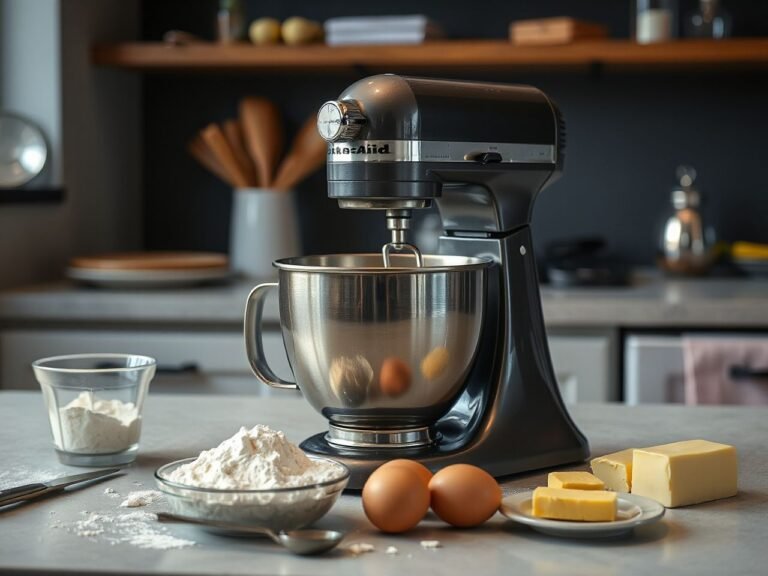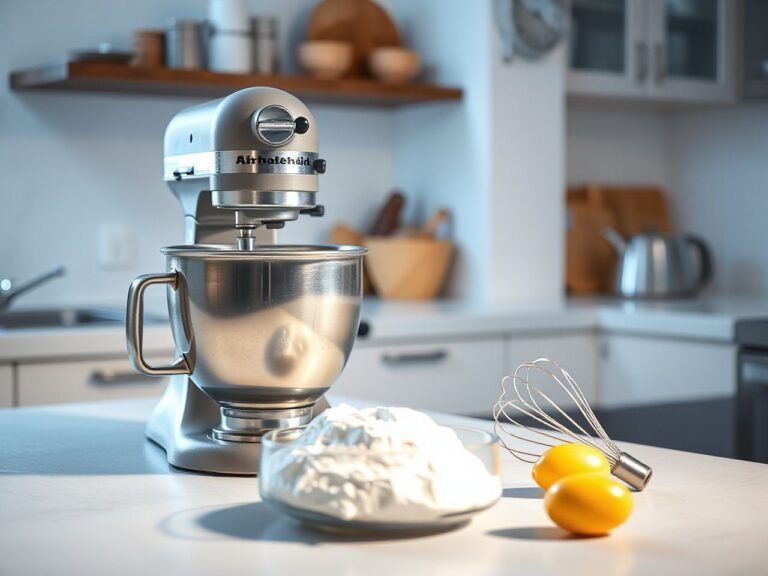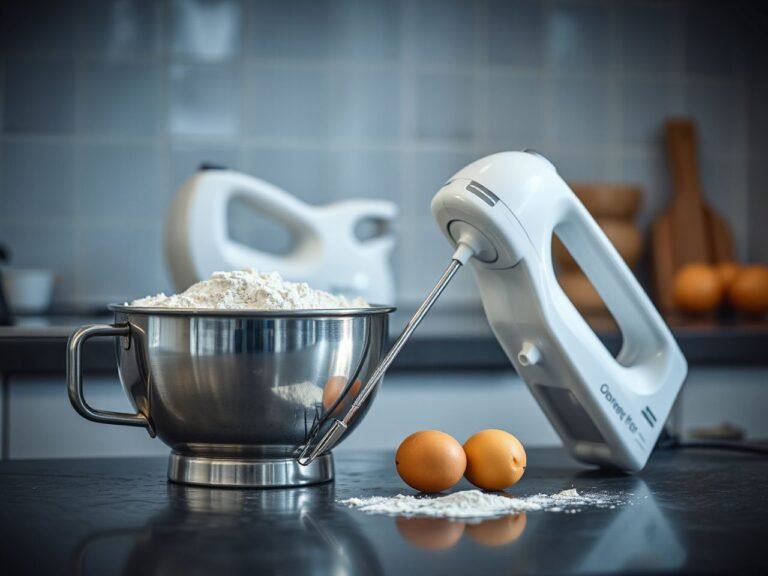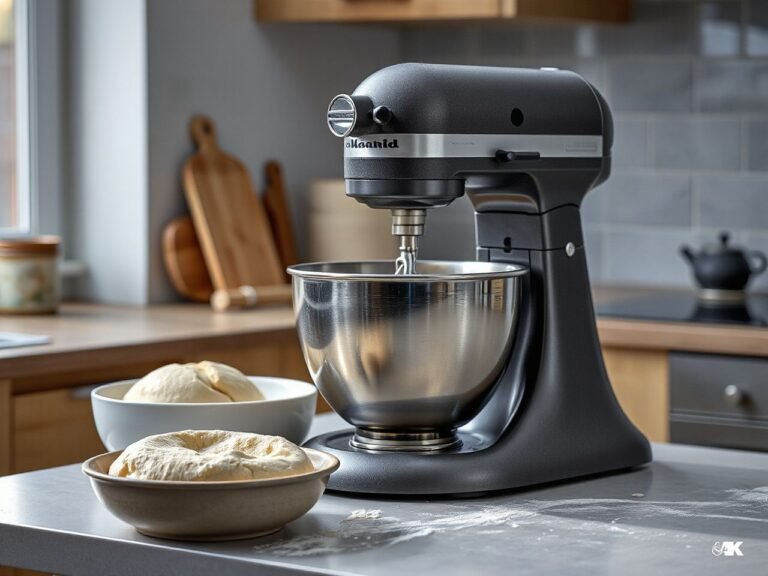
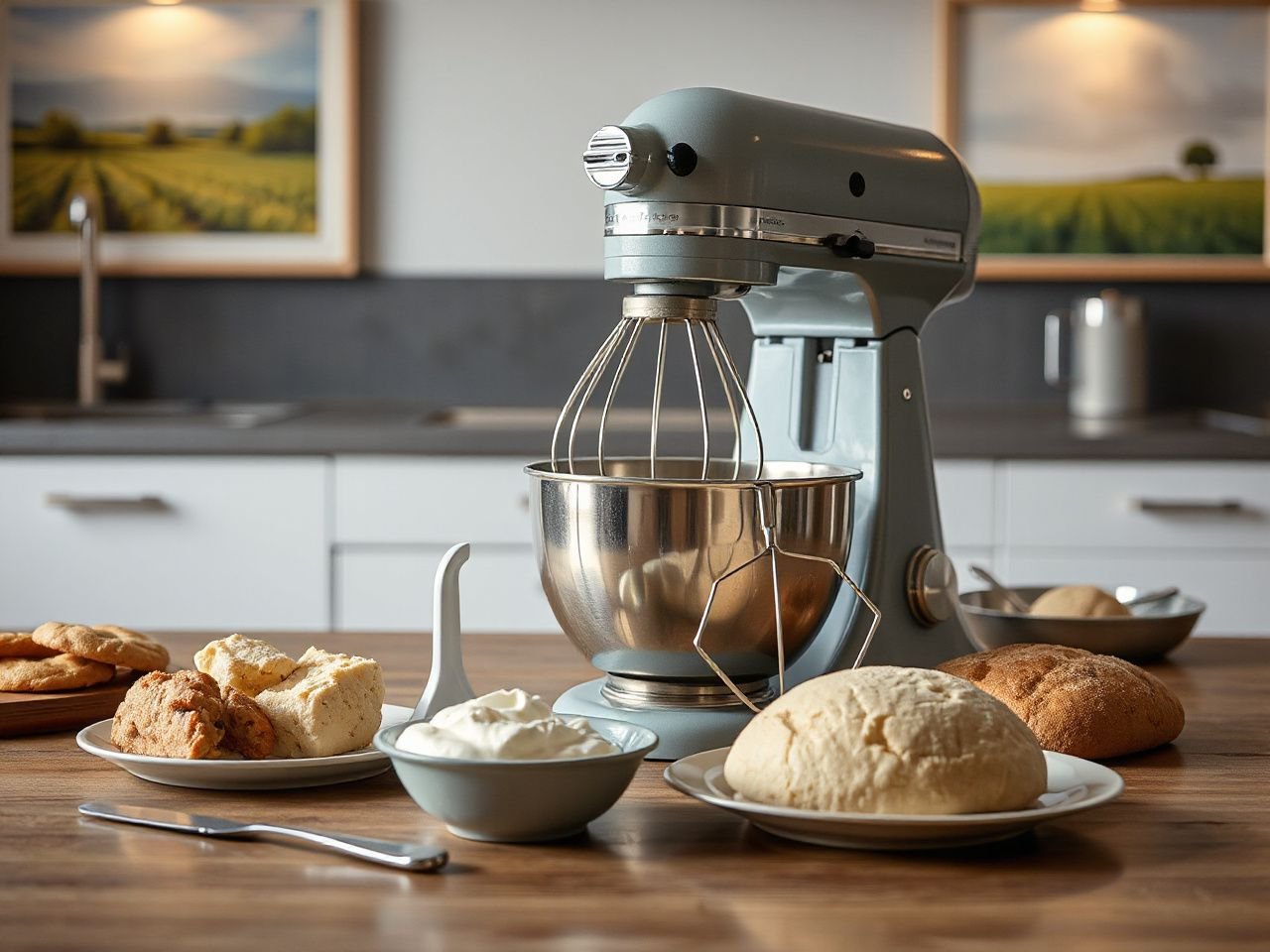
The attachment with the most familiar shape is not automatically the right tool. The useful distinction is between the movement an attachment creates and the texture that movement is meant to produce: beating combines and creams, whipping incorporates air, and kneading develops dough structure. An attachment guide should also separate bowl tools from accessory-hub tools, because a tool can be suitable for a task yet incompatible with a particular mixer or unsuitable for the mixture’s density.
That is the practical answer to which stand mixer attachment does what. Start with the mixture, choose the movement it needs, then check how the attachment comes apart at the sink. A tool that performs the correct job but leaves food trapped in seams, difficult-to-wash surfaces, or unclear storage parts deserves closer attention before it becomes part of a regular routine.
Key Takeaways
- Use the flat beater for thicker mixtures, the wire whip for adding air, and the dough hook for kneading.
- Check the mixer interface, bowl clearance, instructions, and mixture density before fitting any attachment.
- Stop the mixer before scraping, changing tools, or removing stuck dough, then clean and store each part according to its care instructions.
Which Stand Mixer Attachment Does What? Start With Movement
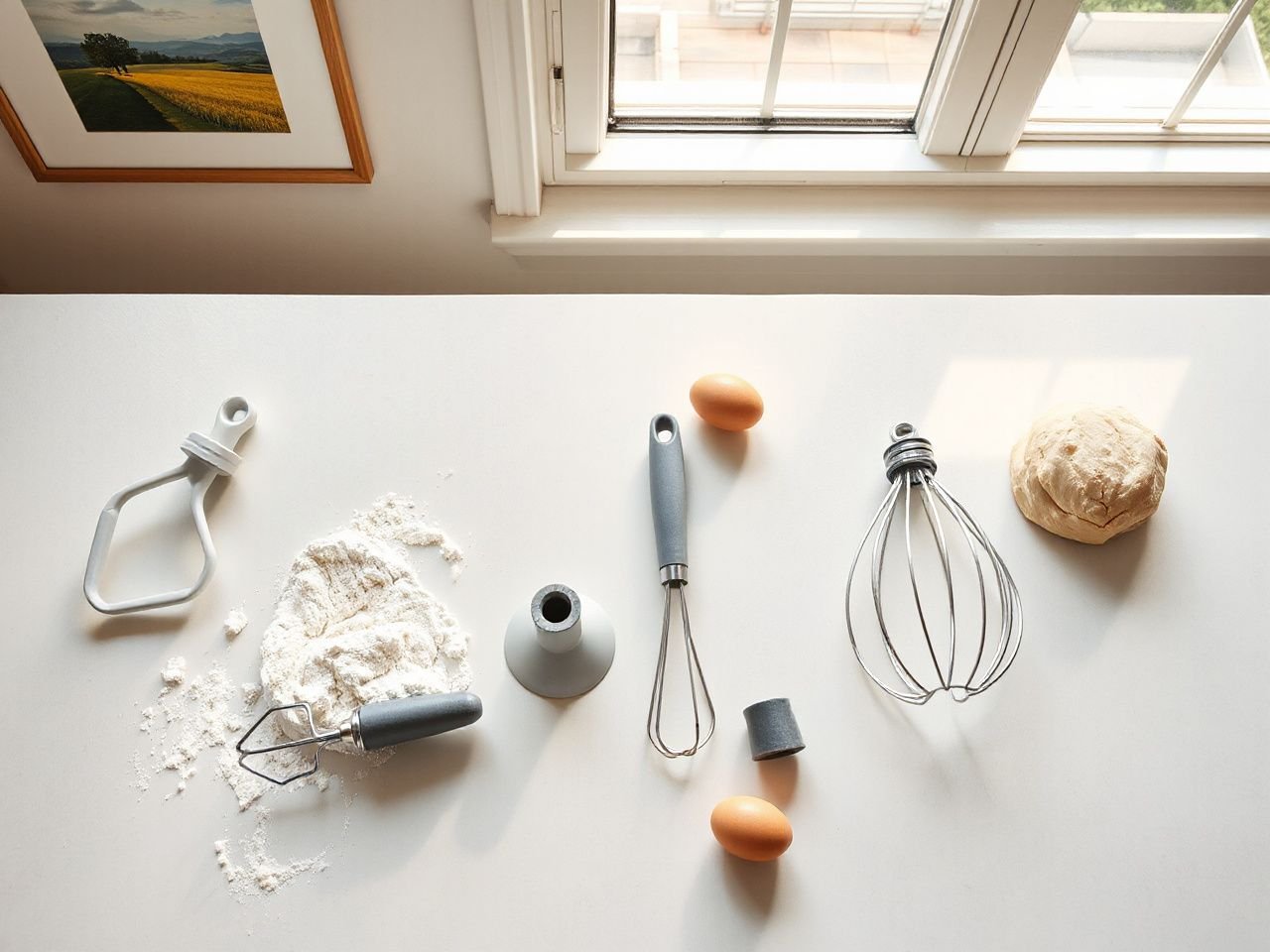
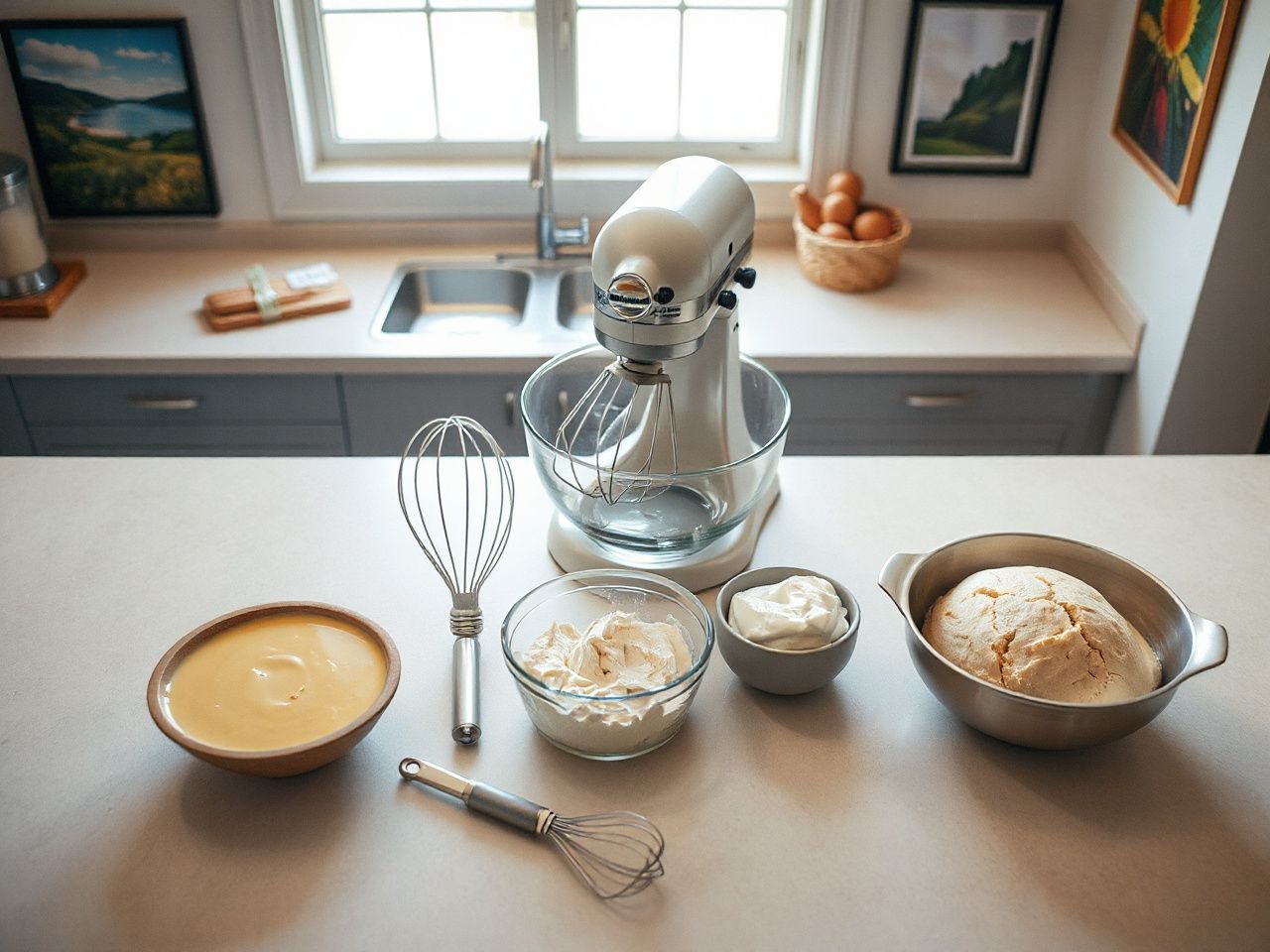
The three basic bowl attachments are easier to understand as mechanical jobs rather than just a list of names. A flat beater moves through a mixture to combine ingredients and work fats or mashed foods. A wire whip moves through liquid or semi-liquid ingredients while its open wires help incorporate air. A dough hook folds and stretches dough so the mixture becomes more developed and cohesive.
Attachment shape matters because the shape controls contact with the mixture. The bowl, the ingredient quantity, the selected speed, and the density of the food all affect how that movement behaves. A setting that suits a loose cake batter can be unsuitable for dense dough, even if both recipes use the same mixer.
Flat beater: cakes, cookies, frostings, and mashed foods
The flat beater is the general-purpose tool for thicker mixtures. It is generally intended for cake batter, cookie dough, frostings, and mashed foods, including mixtures that need steady combining rather than a large amount of added air.
For a flat beater, use a low or medium setting within speeds 1-6. The correct setting still depends on the recipe and the manufacturer’s instructions, so the speed number should not replace attention to the texture. Stop the mixer before scraping the bowl, especially if ingredients are collecting above or below the beater’s path.
A cake batter should become more uniform as the beater works. Cookie dough should gather into a consistent mixture without asking a light attachment to force its way through a heavy mass. Frosting should lose visible streaks of separate ingredients before the mixer is stopped for a scrape and texture check.
The flat beater combines thick mixtures without making air incorporation its main purpose. That makes it the direct answer for general mixing, many cakes, cookie dough, buttercream-style frostings, and mashed foods.
Wire whip: air is the assignment
The wire whip is meant for mixtures that benefit from air being added. Egg whites, cream, and other light mixtures are common examples. Still, the recipe and mixer manual are the best guides for each task.
Operating the wire whip uses speeds 4-10, which are medium to high. Don’t use a wire whip for heavy dough because its open structure isn’t meant to force a dense mixture through the bowl. Also, cleaning can be harder if thick food dries between the wires, making it more difficult to remove.
Watch for a visible change in the mixture instead of just listening to the motor. A whipped mixture should look thicker and hold the stage described by the recipe. If the wires are coated with a heavy mass, stop and check the attachment, ingredient amounts, and speed.
A wire whip is the appropriate bowl tool when incorporating air is the central task. The wire whip is not a substitute for a flat beater in dense cookie dough, and the flat beater is not a substitute for a wire whip when a recipe depends on aeration.
Dough hook: kneading bread and enriched dough
The dough hook is designed for kneading yeast dough and other doughs that need structure built through folding and stretching. You shouldn’t expect it to whip air into cream or egg whites.
When kneading yeast dough, use only Speed 2. The dough’s hydration, ingredient quantity, and recipe method still affect how it behaves on the hook. A dough that climbs the hook may be too sticky for the current stage, may need a pause for the dough to settle, or may be interacting with the hook and bowl in a way the manufacturer’s instructions address.
Don’t just increase speed to fix climbing dough. First, stop the mixer, lower or remove the bowl as needed, and only then release the dough with a suitable utensil or your hand when the machine is off. Check the dough’s texture before making small adjustments.
A dough hook develops dough structure through kneading, so a dense dough belongs on the hook rather than the wire whip. The useful sign is a dough that becomes more cohesive and elastic as the recipe directs, not a dough that is simply moving quickly around the bowl.
Beginner Guide: Match the Mixture Before You Match the Tool
Step 1: Identify the recipe’s main action
Look at the method for its action words. Creaming, combining, folding, whipping, and kneading describe different jobs, even in simple recipes. The attachment should support that job instead of just fitting the mixer.
- Cakes: Start with the flat beater for general batter mixing. Use the wire whip only when the method specifically depends on whipping or incorporating air.
- Cookies: Use the flat beater for butter, sugar, flour, and other thick dough mixtures. Stop before scraping the bowl.
- Frostings: The flat beater generally suits a thick frosting, while the recipe may call for a wire whip if a lighter, airier texture is intended.
- Whipped cream or egg whites: Use the wire whip because air incorporation is the central action.
- Bread and enriched dough: Use the dough hook and follow the stated kneading speed, including Speed 2 for yeast dough.
The flat beater is usually the first choice for cake batter because it mixes and combines rather than directly incorporating air like a wire whip. This changes if the recipe separates eggs or specifies a particular whipping method.
Step 2: Match speed to the attachment and mixture
Speed control matters when choosing attachments. A flat beater works best at low-to-medium speeds 1-6. The wire whip runs in the medium-to-high range 4-10. A dough hook uses only Speed 2 for kneading yeast dough.
The flex-edge beater is also meant for low-to-medium speeds, 1-6. Its flexible edge helps it stay in contact with the bowl while mixing, but that doesn’t make it suitable for every dense mixture or for every mixer.
Use the sound and movement of the mixture as checks, not as permission to ignore the manual. If the motor strains, the mixture rides high on the tool, or ingredients stay unmixed at the bottom, stop and rethink instead of just increasing the speed.
Step 3: Decide whether the flex-edge beater changes the job
A standard flat beater and a flex-edge beater perform closely related mixing work, but their contact with the bowl differs. The flex edge can help bring ingredients from the side of the bowl into the main mixture, while a standard flat beater may require more frequent stopping and scraping.
That difference doesn’t eliminate the need to stop the machine. The bowl shape, ingredient amount, mixture thickness, and beater clearance all influence what reaches the tool. The flex edge is still a beater, not a wire whip or dough hook.
A flex-edge beater is useful for mixing work where contact with the bowl matters, but the attachment still needs the correct speed and compatible mixer. Compare the two tools by the surfaces that touch food and by the parts that must be washed, not only by the name printed on the package.
Step 4: Use a pastry beater for pastry-style mixing
A pastry beater is meant for pastry making where ingredients need to be worked into a crumbly or blended mixture. It shouldn’t be used like a bread dough hook because the method depends on the recipe. Overworking pastry dough can damage its texture and consistency.
Keep the mixer turned off when checking the mixture by sight and touch. Sometimes, a coarse, uneven mixture is the right stage before adding liquid. A dough hook isn’t automatically better just because pastry contains flour.
Intermediate Guide: Bowl Tools and Hub Attachments Are Different Systems
Check compatibility before fitting anything
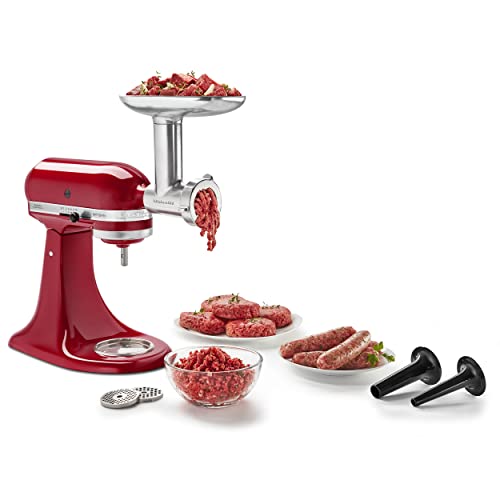
Bowl tools and accessory-hub tools should be treated as separate groups. The flat beater, flex-edge beater, pastry beater, wire whip, and dough hook work around the bowl. A pasta roller, cutter, food grinder, slicer, or processor attachment uses an accessory connection and performs a different task.
Attachments that fit an accessory hub aren’t automatically compatible with every stand mixer. Always check the brand, attachment interface, bowl clearance, and instructions before fitting one.
Mixer-brand compatibility is a required check because a shared-looking hub does not prove that an attachment is suitable. Confirm the model info on both the mixer and attachment, and review the fitting, operation, cleaning, and storage instructions.
Readers comparing the broader machine rather than just the tools can use this Stand Mixer Buying Guide: What to Know Before You Shop for info on bowl capacity, controls, and attachment compatibility. The choice of attachment still depends on the specific mixer manual.
Pasta roller and pasta cutter
A pasta roller flattens dough into sheets through a rolling action. A pasta cutter then shapes a sheet into a specific form. Neither replaces the dough hook because the hook prepares and develops the dough, while the roller and cutter shape it.
Check the dough’s condition before it reaches the roller. A dough that is too sticky can cling to surfaces, while a dough that has not been mixed sufficiently may tear or remain uneven. Follow the pasta recipe and the attachment instructions for the sequence.
Keep pasta tools separate from the basic bowl attachments when storing. Long, narrow parts can be tricky to protect, and dried dough is tougher to remove once it’s pressed into seams or openings.
Food grinder
A food grinder changes how you prepare food entirely. It processes suitable ingredients through a grinding path instead of mixing batter or kneading bread. Use the instructions supplied for the specific attachment and food, and don’t treat the grinder as a substitute for a food processor attachment.
Cleaning needs to start right after use. Food residue can stay in the feed path, around the cutting area, or at connection points. The manufacturer’s care instructions tell you which parts can be washed, how to dry them, and if any part should be handled specially.
Food processor attachment
A food processor attachment is meant for processing or slicing tasks based on its design. It doesn’t move the same way as a flat beater, wire whip, or dough hook.
Keep the decisions about the bowl tool and hub tool separate. A recipe that needs sliced ingredients may benefit from a processor attachment, but the finished mixture might still need a flat beater or dough hook. Using one tool for both can give the wrong texture and make cleaning harder.
Attachment fit, clearance, and bowl contact
Before fitting a bowl attachment, make sure it’s designed for the mixer and that the bowl is seated correctly. Check the space between the tool and the bowl by following the manufacturer’s instructions, rather than adjusting parts from memory.
Stop the attachment before scraping the bowl, changing tools, or removing stuck ingredients. Never put a scraper, spoon, or hand into a moving bowl. The same rule applies when dough climbs the hook or food gathers around a hub attachment.
For general appliance safety information, the U.S. Consumer Product Safety Commission publishes consumer product safety guidance. For equipment and public-health standards information, NSF provides information about standards and certification; neither resource replaces the instructions for the specific mixer and attachment.
Advanced Guide: Cleaning, Storage, and Mixture Problems
Why dough climbs the hook
Dough climbing the hook can happen due to stickiness, hydration, the amount in the bowl, or how the dough interacts with the attachment. It can also occur if the mixture is too dense for the tool or if the recipe needs a pause between stages.
Stop the mixer before touching the dough. Release it, check the consistency, and review the recipe and manual. Only restart at the instructed speed. For yeast dough, that means using Speed 2 instead of trying to fix climbing with a faster setting.
Dough climbing is a reason to stop and inspect the mixture, not a reason to reach into a moving bowl. A small change in flour absorption or hydration can change how a dough grips the hook. That’s why the visual and tactile signs in the recipe really matter.
Why ingredients stick to an attachment
Food sticks when the mixture is dense, sticky, warm, or just moving around a part of the tool that’s hard for it to leave. A flex-edge beater might bring more material from the side of the bowl, but it can still carry residue on the edge.
Stop the mixer before scraping. Use the recipe’s method to decide if the mixture needs more combining, a pause, or a change in technique. Don’t scrape while the attachment is still moving, and wait until the machine has fully stopped to change tools.
Cleaning the flat beater and flex-edge beater
Start by removing visible food before it dries. Check the underside, edges, connection points, and any seam or flexible section touching the mixture. Clean removable parts based on their material and care instructions.
The sink is where attachment quality matters. A tool with broad, accessible surfaces is easier to inspect than one with narrow gaps full of dried batter. Dry the part as directed before storage so the next use begins with a clean, identifiable attachment.
Cleaning the wire whip
Wire whips should be inspected between the wires and around where they connect to the hub. Residue can be left in narrow spaces, even if the main surface looks clean. Cream and egg mixtures often leave deposits there.
Follow the care instructions based on the attachment’s construction. Don’t assume every part can be cleaned the same way. Store the whip where the wires won’t bend or get pressed against heavy objects.
Cleaning the dough hook
Dough hooks can hold sticky dough in curves, around the lower working section, and at the attachment point. Remove residue before it hardens. Then, follow the manufacturer’s instructions for washing and drying.
A hook should be stored where its shape stays easy to inspect. If a part has a finish, coating, or care restriction listed by the manufacturer, those instructions take priority over a general cleaning habit.
Cleaning hub attachments
Pasta rollers, pasta cutters, grinders, slicers, and food processor attachments have different food paths and moving surfaces. Do not assume that a brush, soaking method, or dishwasher instruction for one attachment applies to another.
Remove food from openings and seams using the method described in the manual. Dry parts fully as directed, keep cutting or rolling surfaces protected, and store small pieces with the attachment they belong to. Missing a small pusher, cover, or connector can make a complete attachment unusable at the next session.
Readers working with limited counter or cabinet space can review this guide to choosing a compact stand mixer for a smaller kitchen. Storage still needs a direct check: a machine and its attachments require a designated place where clean parts stay protected and easy to find.
Replacement and ongoing ownership
Replacement should start with identification, not guesswork. Match the mixer model and attachment interface to the manufacturer’s instructions. Then, check whether the replacement part has the same intended task and fit.
Do not keep using a part that no longer fits as instructed, has damaged working surfaces, or can’t be cleaned according to its care directions. The manual is also where to check if a part can be replaced separately or if a complete attachment is needed.
Attachment maintenance affects ownership because clean, correctly stored parts are easier to inspect, fit, and use safely. Cleaning is not a separate chore after the attachment’s job; it is part of deciding whether the tool remains suitable for regular use.
A Quick Decision Process for Any Recipe
Step 1: Name the desired texture
Ask whether the finished mixture should be thick and combined, light and aerated, cohesive and developed, crumbly, rolled, sliced, or ground. The texture you want points to the movement before the attachment name does.
Step 2: Choose the tool group
- Choose the flat beater for general thick mixing, cake batter, cookie dough, frosting, and mashed foods.
- Choose the wire whip when adding air is central to the method.
- Choose the dough hook for kneading bread and enriched dough.
- Choose the flex-edge beater when the recipe needs beater-style mixing and closer contact with the bowl may help.
- Choose the pastry beater for pastry-style combining where a crumbly or blended stage matters.
- Choose a pasta roller or cutter, food grinder, slicer, or food processor attachment only for the preparation task that tool is designed to perform.
Step 3: Check the interface and instructions
Confirm whether the part belongs on the bowl drive or the accessory hub. Then check the mixer brand, attachment interface, bowl clearance, speed guidance, ingredient quantity, cleaning instructions, and storage method.
Step 4: Watch the mixture, then stop before intervention
Look for uniform mixing, increased body, developed dough, or the texture named by the recipe. Stop the mixer before scraping, changing tools, releasing dough, or removing an ingredient that has become stuck.
The safest useful habit is also the simplest: let the machine stop before hands or utensils enter the bowl. The Consumer Product Safety Commission is an appropriate public resource for general consumer-product safety information, while the mixer manual governs the appliance-specific procedure.
Frequently Asked Questions
Which stand mixer attachment does what for cakes, cookies, and general mixing?
The flat beater is generally the right starting point for cake batter, cookie dough, frostings, and mashed foods because it combines thicker mixtures. Use a wire whip when the recipe specifically depends on incorporating air, and use the dough hook for kneading. Check the recipe, speed guidance, bowl quantity, and mixer instructions before selecting a tool.
When is a wire whip better than a flat beater?
A wire whip is better when the mixture needs air incorporated and the method calls for a lighter, more aerated texture. Its operating range is speeds 4-10. A flat beater is better for thicker mixtures that need combining or creaming. Do not use the wire whip for heavy dough, because its intended movement and structure do not match that task.
Which attachment should knead bread and enriched dough?
Use the dough hook for bread and enriched dough. For yeast-dough kneading, the stated setting is only Speed 2. If dough climbs the hook, stop the mixer, release the dough, and inspect its hydration, consistency, quantity, and the instructions before continuing. Do not reach into a moving bowl or switch to a wire whip.
How do I compare a flex-edge beater with a standard flat beater?
Both are beater-style tools for thicker mixtures, but a flex-edge beater is designed to maintain contact with the bowl while mixing. Use it within speeds 1-6, and still stop to scrape when needed. Compare the bowl contact, mixture suited to each tool, attachment fit, and cleaning surfaces rather than assuming one replaces every other bowl attachment.
Which attachments are easiest to clean and store?
Ease of cleaning depends on the surfaces, seams, wires, food paths, and care instructions of the specific attachment. Flat beaters may have broad areas to inspect, while wire whips need attention between wires and hub attachments may retain food in openings. Stop the mixer before removal, clean parts according to their material instructions, dry as directed, and store small connectors with their attachment.