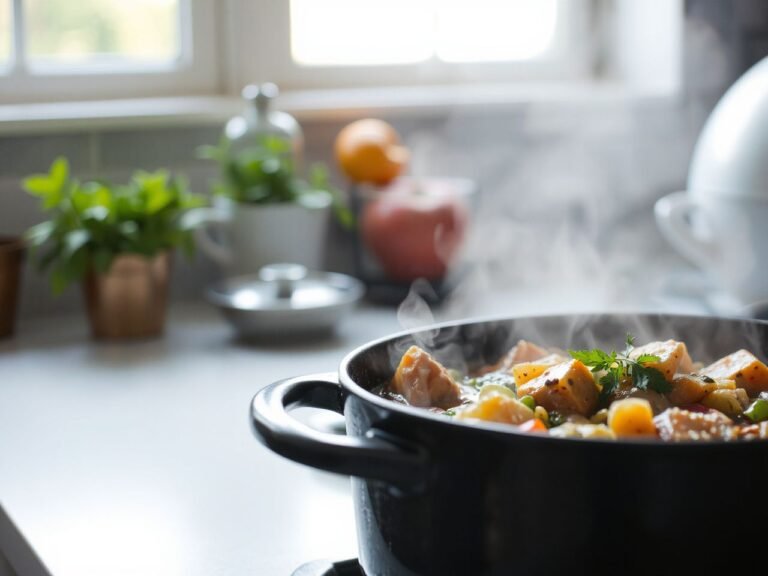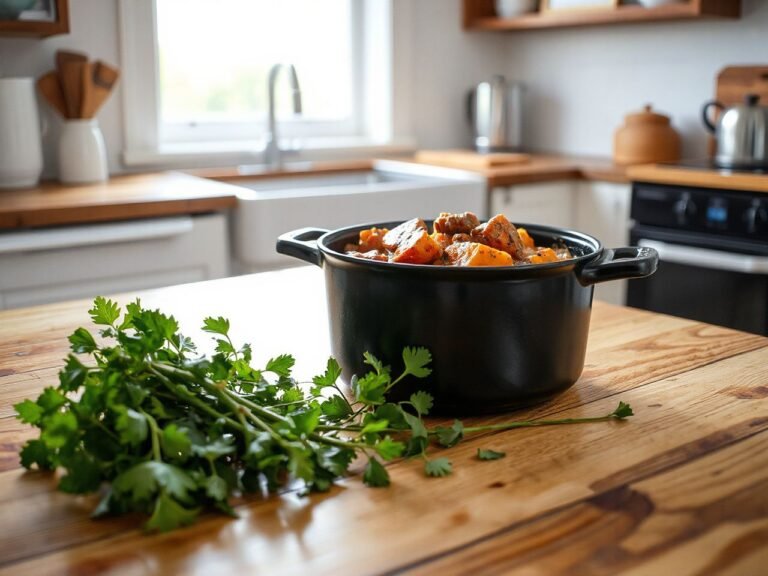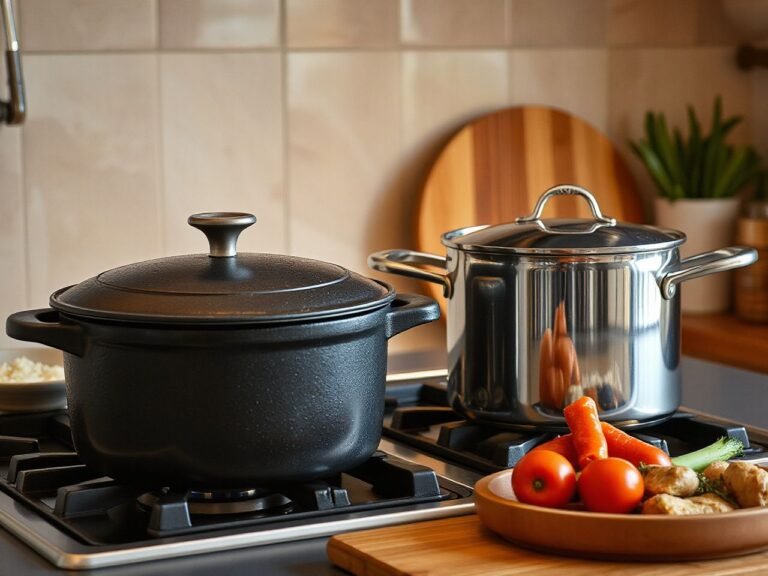
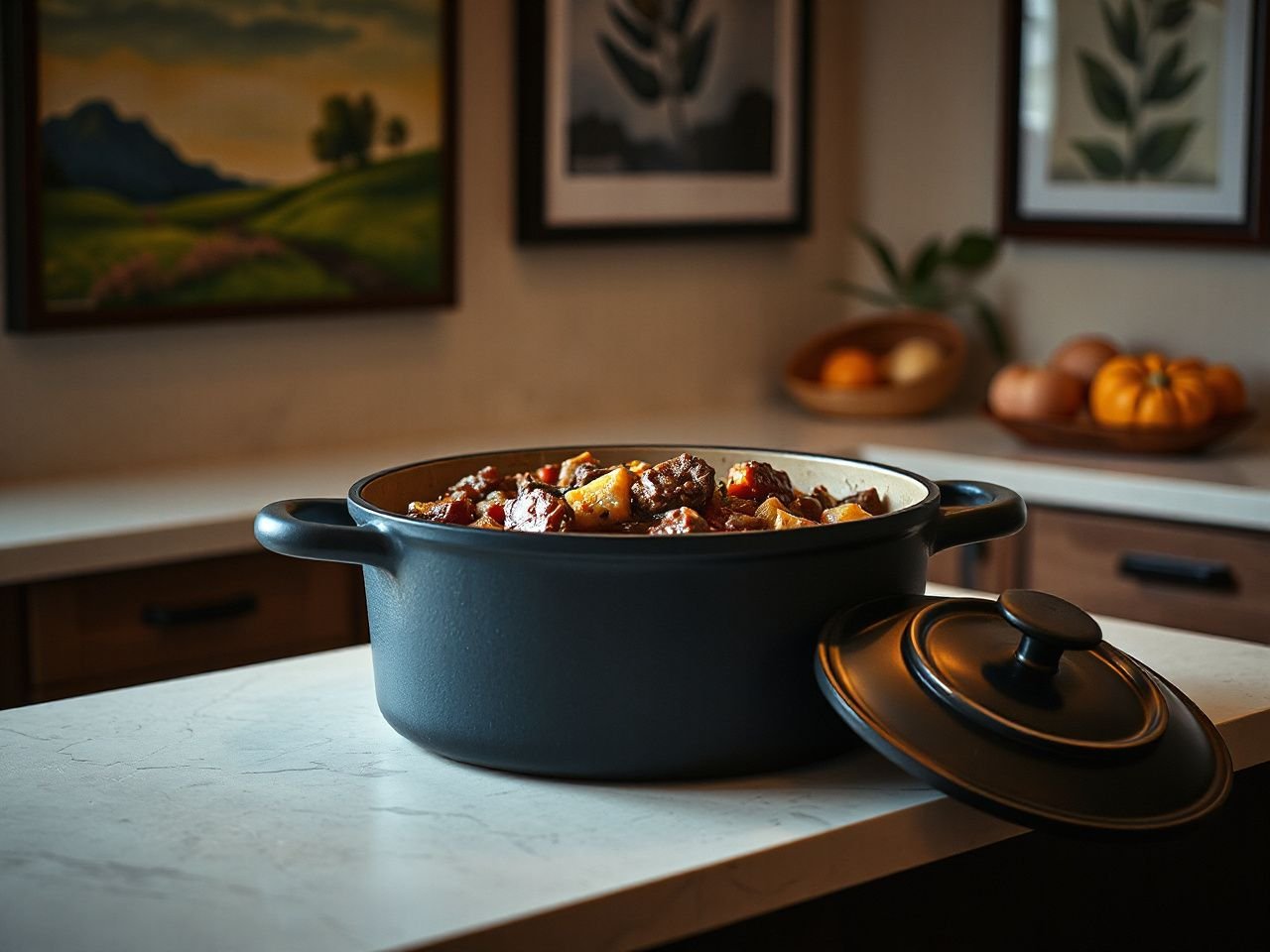
Food often goes wrong in a Dutch oven when it’s treated like a thin stockpot. The heat is turned up too quickly, and the heavy base stays hotter than expected. This can cause contents to scorch before the pot has a chance to settle into an even cooking rhythm. Remember, a Dutch oven is more about controlled, covered heat than a specific recipe. Its mass reduces temperature swings, and the lid helps limit moisture loss. You should also know that bare cast iron differs from enameled cast iron because seasoning, acidity, cleaning, and heat-source compatibility vary. That’s the practical answer to what is a dutch oven used for: it’s a deep, sturdy pot ideal for braising, stewing, roasting, frying, and covered baking.
Key Takeaways
- Covered heat makes a Dutch oven useful for moist, slow cooking and bread baking.
- Bare cast iron needs seasoning and careful drying; enameled cast iron does not require seasoning.
- Confirm compatibility with the stovetop, oven, or campfire setup before heating the pot.
What Is a Dutch Oven Used For?
A Dutch oven is a large pot with high sides and a lid that fits tightly. Traditionally, they’re made from cast iron, but newer versions can also be ceramic, aluminum, or enameled cast iron. Its key feature is the relationship between the heavy body and the lid: the body holds heat well, and the lid creates a covered environment that slows down moisture loss.
A Dutch oven is especially handy for dishes that need steady heat and time. It can start on a stovetop, move into an oven, or, if designed for it, sit over a campfire. How you use it depends on the finish, lid hardware, and the instructions that come with the cookware.
Braising and stewing
Braising combines a cooking liquid with covered heat, making a Dutch oven perfect for foods that need to become tender without losing all their moisture. Stewing uses a similar principle but in a more enclosed setup: ingredients stay together in the pot while the lid limits evaporation, and the cast iron retains heat around the food.
A Dutch oven supports braising and stewing because its heavy body holds heat while its tight-fitting lid limits moisture loss. This is why the pot is often used for dishes that start with browning and end with gentle covered cooking.
The lid also helps keep the cooking environment more stable than an uncovered pan. Still, you need to control the heat, stir when needed, and watch for signs of scorching. A covered pot isn’t a substitute for paying attention.
Roasting, frying, and soups
The deep sides give a Dutch oven room for roasting food in a covered or partly covered setting. It can also contain oil for frying, as long as the cookware and heat source are suitable, and you handle it carefully. Soups and stews are common because the lid helps retain liquid, and the sturdy vessel stays warm after lowering the burner.
A Dutch oven’s lid can sometimes be used as a griddle if it’s shaped and finished for that. Don’t assume every lid is suitable for direct cooking. You should check the underside, handle, and exterior finish first.
Bread baking and campfire cooking
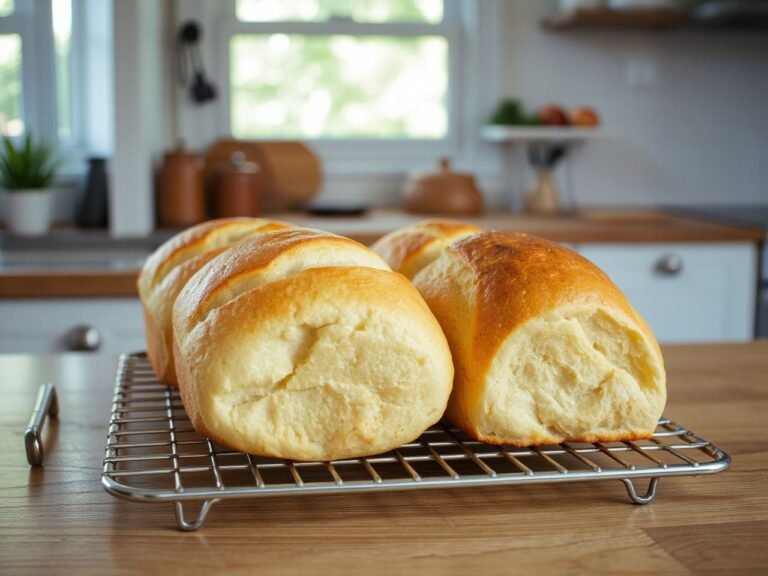
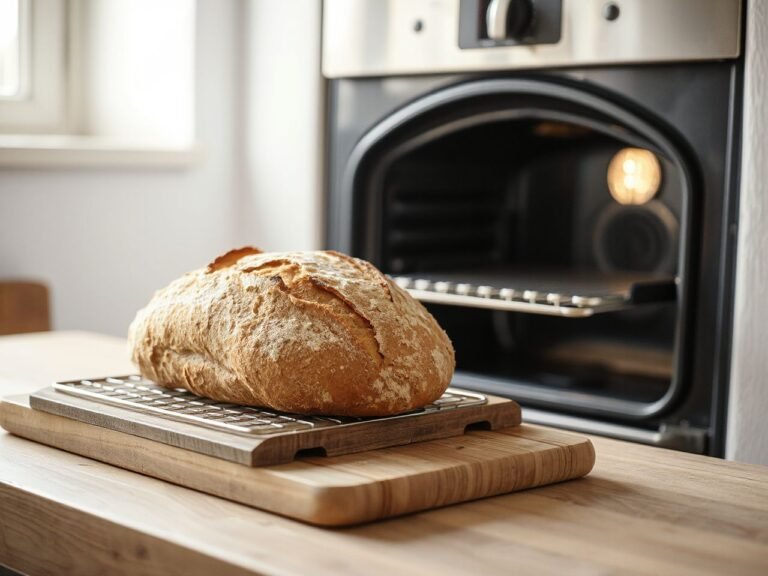
Covered bread baking relies on the lid to trap moisture around the dough during early baking stages. That makes a Dutch oven especially good for sourdough and other loaves that benefit from a covered environment. Confirm the pot is oven-compatible, and check that the lid handle can handle the heat according to the manufacturer’s instructions. The handle must be rated for the intended oven temperature.
Traditional bake kettles had a flat base, three legs, and a secure lid with a substantial rim for holding hot coals. The legs raised the vessel so hot charcoal could sit underneath, while additional coals could be placed on the lid. Modern campfire cookery often uses a different setup, so the instructions and fire stability matter more than the name alone. The design varies depending on the intended use.
For a broader look at substitutes when a Dutch oven isn’t available, read Dutch Oven Substitute: The Basics Worth Knowing First. A good substitute should do the cooking task you need rather than just look similar in shape to a Dutch oven. Focus on functionality.
How a Dutch Oven Works Differently From an Ordinary Pot
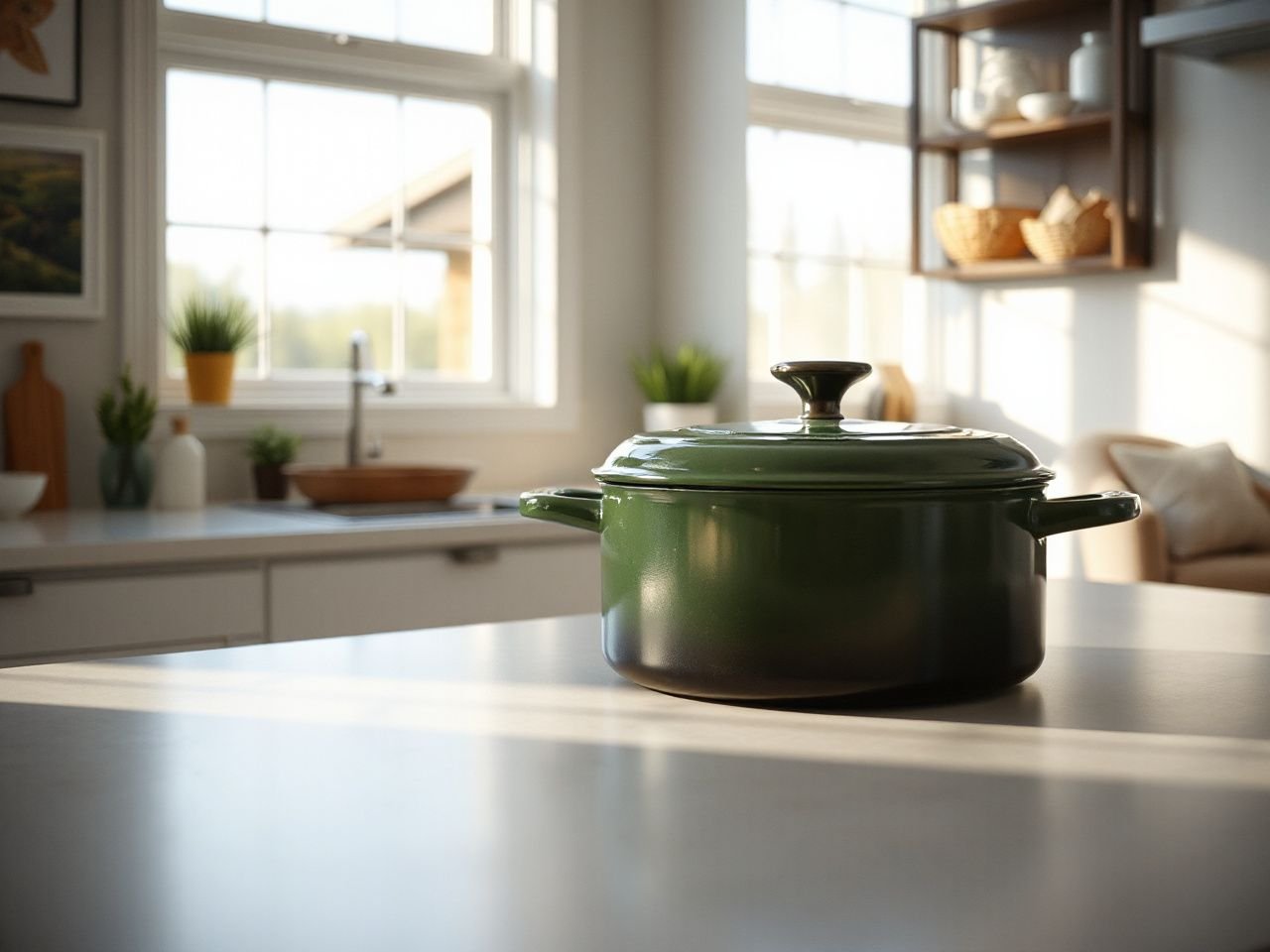
Controlled heat is the key difference. A heavy cast-iron body takes longer to change temperature than a thin-walled pot, so the cooking surface reacts less to small burner adjustments. The tight-fitting lid also helps keep moisture from escaping, maintaining the right environment for cooking.
Cast iron retains heat strongly, so a Dutch oven can remain hot after the heat source is reduced or removed. That behavior helps with steady cooking, but it also means that turning the burner down does not produce an instant cooling response.
Mass reduces sudden changes
A thin cooking pot responds quickly to a change in the heat source. That can be useful for fast cooking, but it gives the cook less stored heat to work with. Cast iron behaves differently because its mass absorbs and releases heat gradually. The result is a pot that rewards moderate heat and deliberate adjustments.
Heavy cookware can still develop hot spots. The base touches the heat directly, and food sitting against that area can scorch or stick if the burner is too high or if the pot isn’t stirred when needed. Being heavy doesn’t automatically mean it cooks evenly under all settings.
The lid manages moisture
An uncovered pot lets steam escape freely. A Dutch oven lid slows that process, so braising liquid and water released by ingredients stay in the cooking environment longer. The lid doesn’t make the food wet by itself; it just limits how quickly moisture escapes.
This covered environment explains the range of Dutch oven recipes. A pot can brown food first, then hold liquid and heat for a braise. It can contain a stew, roast ingredients with a cover, or surround bread dough with moist heat during the early part of baking.
Dutch oven, stockpot, slow cooker, or casserole dish?
A stockpot is usually chosen for volume and liquid-based cooking. Meanwhile, a Dutch oven is built around a heavy body and a close-fitting cover. A slow cooker uses an electric heating system and a separate vessel designed for that appliance. A casserole dish may provide covered oven cooking, but it doesn’t necessarily have the same cast-iron mass or stovetop compatibility.
A Dutch oven combines stovetop access, oven use, and covered cooking in one vessel only when its construction and instructions permit those heat sources. The name alone does not confirm that every pot can move safely from one setting to another.
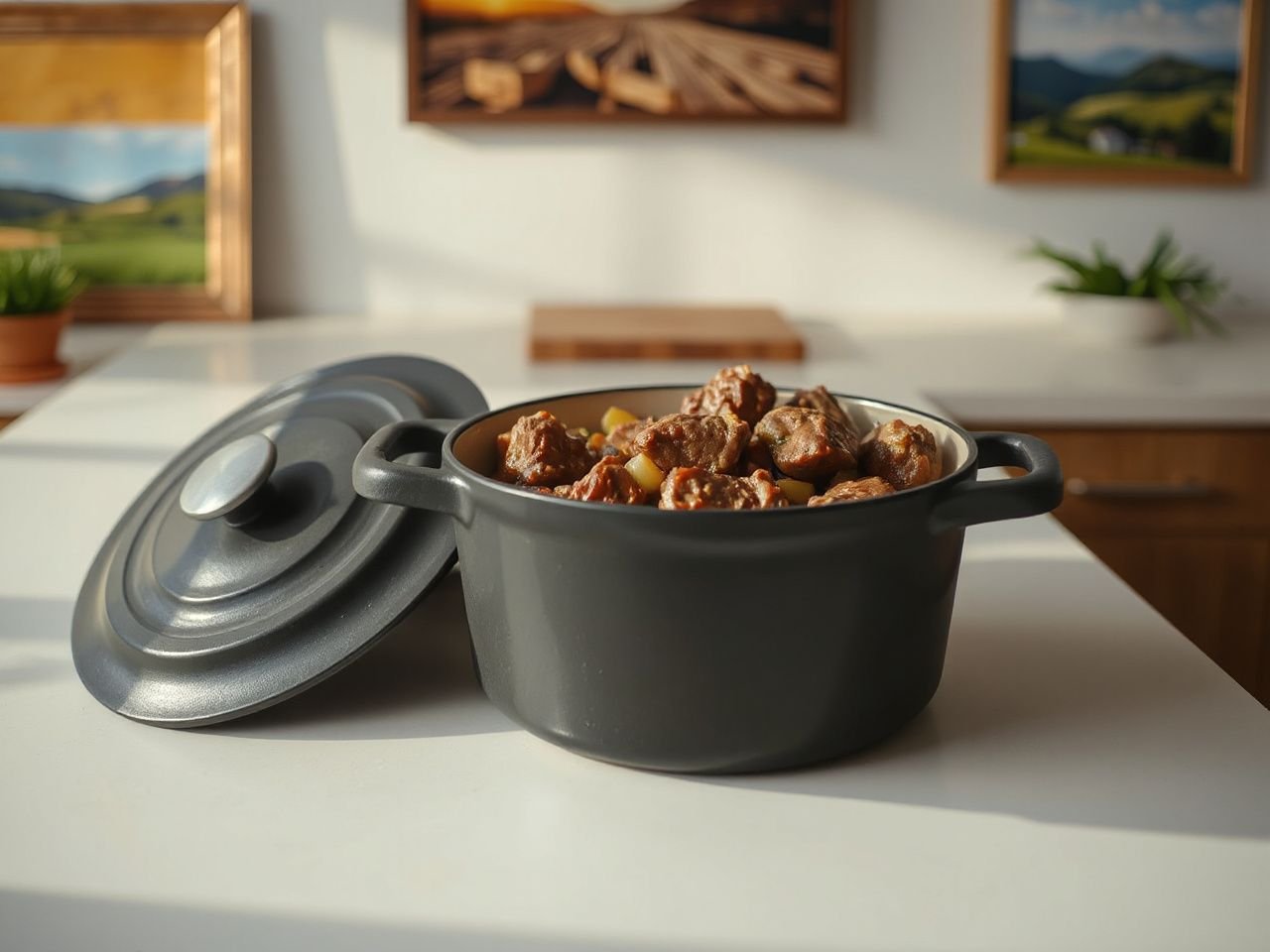
Bare Cast Iron and Enameled Cast Iron
Choosing between bare cast iron and enameled cast iron affects the maintenance routine and how you handle acidic food. Both can serve as a sturdy covered cooking vessel, but their interior finishes behave differently.
Bare cast iron
Bare cast iron needs seasoning before use and ongoing care afterward. Seasoning forms a baked-on layer of cooking oil that protects the iron and supports the cooking surface. That layer can weaken through neglect, prolonged moisture exposure, or cleaning methods that remove it.
Bare cast iron must be dried carefully after washing because lingering moisture can encourage oxidation. Wash away food residue, dry the pot thoroughly, and follow the manufacturer’s maintenance routine. Store the cookware in a dry, protected environment to prevent dampness.
Acidic ingredients can react with bare cast iron, especially over long cooking times. Tomato-based dishes and strongly acidic sauces are often better suited for enameled interiors. A short contact might not cause the same issues as a prolonged simmer, but the recipe and finish should guide your choice.
Enameled cast iron
Enameled cast iron has a protective coating that makes maintenance easier and reduces oxidation risks. It doesn’t require the seasoning routine needed for bare cast iron, so it’s often simpler for dishes with acidic ingredients.
Enameled cast iron does not need seasoning, but its coating can be damaged by thermal shock, harsh abrasion, or impact. Avoid sudden temperature changes that stress the coating and use gentle cleaning tools that don’t scrape aggressively.
The enamel finish also affects how damage should be assessed. A mark on bare cast iron might need cleaning and seasoning. A chip, crack, or impact mark in enamel is a coating concern and should follow the manufacturer’s care instructions. For cleaning details, see the rules of thumb for cleaning an enameled Dutch oven.
Which finish suits a particular dish?
- Choose bare cast iron for: a cooking routine that includes seasoning, careful drying, and attention to the interaction between acidic food and exposed iron.
- Choose an enameled interior for: tomato-based or strongly acidic dishes, provided the coating is treated gently and thermal shock is avoided.
- Check both finishes for: stovetop, oven, and campfire compatibility before use.
The finish matters more than appearance alone. A reader who cooks long-simmered acidic food should examine the interior material first, while someone who wants to rebuild seasoning should focus on the condition and care of bare cast iron.
Using a Dutch Oven on a Stovetop, in an Oven, or Over a Campfire
A Dutch oven can be used on a stovetop, in an oven, or over a campfire, but compatibility needs confirmation for each cookware. Not every lid handle, exterior finish, or coated surface tolerates every heat source. The manufacturer’s instructions always take priority.
On the stovetop
Place the Dutch oven on a stable cooking surface and choose a setting that warms the pot gradually. Cast iron retains heat strongly, so the burner may need less intensity than you might think. Stir thick sauces, grains, and dense stews to prevent them from settling against the base.
On a glass or ceramic cooktop, move the pot carefully instead of dragging it. The cookware is heavy, and shifting it can damage the surface or destabilize the pot. Check the instructions for both the stovetop and the Dutch oven.
In the oven
Make sure the body, lid, knob, and exterior finish are rated for the oven temperature you plan to use. A metal body doesn’t mean every part has the same heat tolerance. The lid handle needs separate attention as well.
Use heat-resistant protection when removing the pot. Cast iron stays hot for a long time, and the handles might not look hot but can burn skin. Set the Dutch oven on a stable, heat-safe surface with enough space around it for safe handling.
For more detail on checking heat limits, see this guide to Dutch oven temperature limits. The manual remains the main source for a specific pot.
Over a campfire
Campfire cooking requires a stable arrangement and a heat source that matches the cookware. Traditional bake kettles used legs and a rimmed lid so coals could heat the vessel from below and above. A contemporary Dutch oven may lack those features or may require a separate support.
Keep the pot level, protect your hands from hot metal, and don’t assume that an enamel exterior is meant for direct contact with fire or coals. Smoke, ash, impact, and sudden temperature changes can damage the finish. If the instructions don’t mention campfire use, pick another method instead of guessing.
Why Food Sticks, Scorches, or Cooks Unevenly
Food sticking usually comes from a mismatch between the cooking surface, heat level, moisture, and timing. Bare cast iron with weak or damaged seasoning might release food less easily. A thick mixture can settle against the base while expecting the heavy pot to prevent all scorching.
Food can scorch in a Dutch oven when thick ingredients remain against a hot base without enough stirring or heat control. The remedy is practical: moderate the heat, use the amount of cooking liquid the recipe calls for, and scrape the base with a suitable utensil before residue hardens.
Common causes
- The burner is set too high for a pot that stores heat.
- The bare cast-iron seasoning is uneven, worn, or poorly maintained.
- A thick sauce or stew is left undisturbed against the base.
- The pot is moved between sharply different heat sources.
- The cookware is not compatible with the surface or campfire arrangement.
Uneven cooking can happen if food is packed too tightly. When the pot is crowded, moisture is released and may cause steaming instead of browning. Give the food space as the recipe suggests, and brown in stages if needed.
How to correct the problem
- Lower the heat. Remember that the pot continues releasing stored heat after the setting changes.
- Inspect the base. Look for a dry patch, stuck residue, or a layer of food beginning to darken.
- Stir with the right tool. Use a utensil that will not gouge enamel or scrape away seasoning unnecessarily.
- Adjust moisture carefully. Add only what the recipe needs, because a covered lid already limits evaporation.
- Check the finish. Bare iron may need cleaning and seasoning repair; enamel may need gentler care.
Don’t judge a Dutch oven by a single dish that stuck. First, figure out if the issue was heat, food thickness, seasoning, moisture, or an unsuitable cooking surface. Fixing it depends on what caused the problem.
Cleaning, Seasoning, and Storage
Maintaining bare cast iron
Clean bare cast iron soon after cooking, using a method that removes residue without stripping the seasoning. Dry the pot completely. Water left inside can cause rust, especially around the rim, handles, and lid contact points.
Seasoning can be rebuilt when the surface becomes dull, patchy, or vulnerable to sticking. The process involves cleaning the pot, drying it thoroughly, applying a thin layer of cooking oil, and heating it following the cookware instructions. Rebuilding seasoning is maintenance, not a reason to throw the vessel away.
A bare cast-iron Dutch oven can regain a usable protective seasoning layer through careful cleaning, drying, oiling, and heating. Don’t apply a heavy layer of oil, because excess oil can leave a sticky surface instead of a firm finish.
Cleaning enameled cast iron
Enameled cast iron doesn’t need seasoning, but it still requires gentle handling. Remove food residue with a suitable cleaning tool, avoid harsh abrasives, and don’t strike the coating against a hard surface. Let the pot cool before washing if the manufacturer warns against thermal shock.
Never treat a chip or crack in enamel as just a minor seasoning gap. Check the manufacturer’s care instructions and stop using the cookware if the damage could get worse. The finish is part of the cooking surface.
Storage and safe handling
Store the Dutch oven dry and stable, in a place where its weight won’t cause a shelf or surface to shift. Keep protection between the pot and delicate surfaces if needed. If the instructions allow, you can store the lid slightly offset, but moisture must not be trapped.
A hot Dutch oven needs heat-resistant protection and a stable resting place because cast iron remains hot after cooking stops. Use both hands when the design allows, keep the path clear before lifting, and warn others that the handles and lid may be hot.
For another maintenance concern, check the mistakes that can cause a Dutch oven to crack. Sudden temperature changes, impact, and misuse of the finish can lead to problems if not addressed early.
Beginner Mistakes to Avoid
New users often expect a Dutch oven to act like a thin pot because recipes seem familiar. The cookware needs a different approach: gradual heating, moderate heat, careful lid handling, and patience as the cast iron responds.
- Starting with excessive heat: Stored heat can carry the pot past the point you intended.
- Skipping seasoning on bare iron: The exposed cast iron needs the correct seasoning routine before regular cooking.
- Using acidic food for a long cook in bare iron: Choose an enameled interior for strongly acidic recipes when appropriate.
- Using abrasive tools on enamel: Harsh abrasion can damage the protective coating.
- Assuming every lid is oven-safe: Check the lid handle and the instructions separately.
- Pouring cold water into a hot pot: Avoid abrupt temperature changes, especially with enameled cast iron.
- Dragging the pot across a delicate stovetop: Lift it carefully if the cooking surface requires that treatment.
- Leaving the pot damp in storage: Bare cast iron needs thorough drying after washing.
The maintenance is manageable when the finish is understood. Bare cast iron needs seasoning and drying; enameled cast iron needs protection from impact, thermal shock, and harsh abrasion. Neither routine involves guessing.
For baking bread, especially sourdough, the finish and lid design are important. A covered pot can support bread baking, but it must have an oven rating and a lid handle that can handle the heat.
Frequently Asked Questions
What is a Dutch oven used for in everyday cooking?
A Dutch oven is used for braising, stewing, roasting, frying, making soups, and covered bread baking. Its heavy cast-iron body retains heat, and the tight lid limits moisture loss. It can go from stovetop to oven if the instructions say so. It’s most useful for recipes that benefit from steady, covered heat rather than rapid temperature changes.
Can acidic food be cooked in a Dutch oven?
Acidic foods often do better in enameled cast iron because the coating separates ingredients from exposed iron. Long cooking times with strongly acidic ingredients can cause reactions with bare cast iron. Tomato dishes, for instance, need extra care in plain cookware. The recipe length, finish condition, and manufacturer’s instructions should guide your choice.
How do I maintain a bare cast-iron Dutch oven?
Remove residue without stripping the seasoning unnecessarily, dry the Dutch oven thoroughly, and follow the manufacturer’s process for applying and heating a thin layer of oil. Don’t store damp cast iron because moisture can cause rust. Seasoning can be restored if the surface becomes patchy or less protective. Enameled cast iron doesn’t need seasoning and follows a different routine.
Can a Dutch oven be used on a stovetop, in an oven, and over a campfire?
Some Dutch ovens work on all three heat sources, but you need to check compatibility. Confirm the cooking surface, oven, lid handle, exterior finish, and campfire setup in the manufacturer’s instructions. Traditional bake kettles had legs and a rimmed lid for coal placement, but other designs may need different support. Stable placement and heat resistance are essential for all hot setups.
How is a Dutch oven different from a slow cooker?
A Dutch oven is a heavy, covered pot that can work on a stovetop or in an oven, depending on its instructions. A slow cooker uses an electric appliance designed for a separate cooking vessel and heating system. Dutch oven cooking gives direct control of the heat, while slow-cooker use depends on the settings. Both are good for slow, covered cooking but aren’t interchangeable.
How many sizes do Dutch ovens come in?
Dutch oven sizes generally span from 2 to 7 quarts, while stated dimensions can range from a 5-inch unit to a 16-inch Dutch oven. Capacity alone does not determine suitability. Interior shape, lid fit, handle design, finish, and compatibility with the intended heat source also matter. Match the vessel to the cooking task and the available storage space.
The main answer is pretty simple: a Dutch oven is a vessel for controlled-heat cooking. Cast iron stores heat well, and the lid helps prevent moisture from escaping. The finish on the pot shows how it should be seasoned, cleaned, and used with acidic ingredients. Once you get those differences, braising, stewing, roasting, campfire cooking, and covered bread baking all become easier and safer.
Food-contact cookware should be maintained according to its instructions, and food-safety guidance is available from the U.S. Food and Drug Administration. For general household product safety information, consult the U.S. Consumer Product Safety Commission rather than relying on assumptions about a particular heat source or accessory.