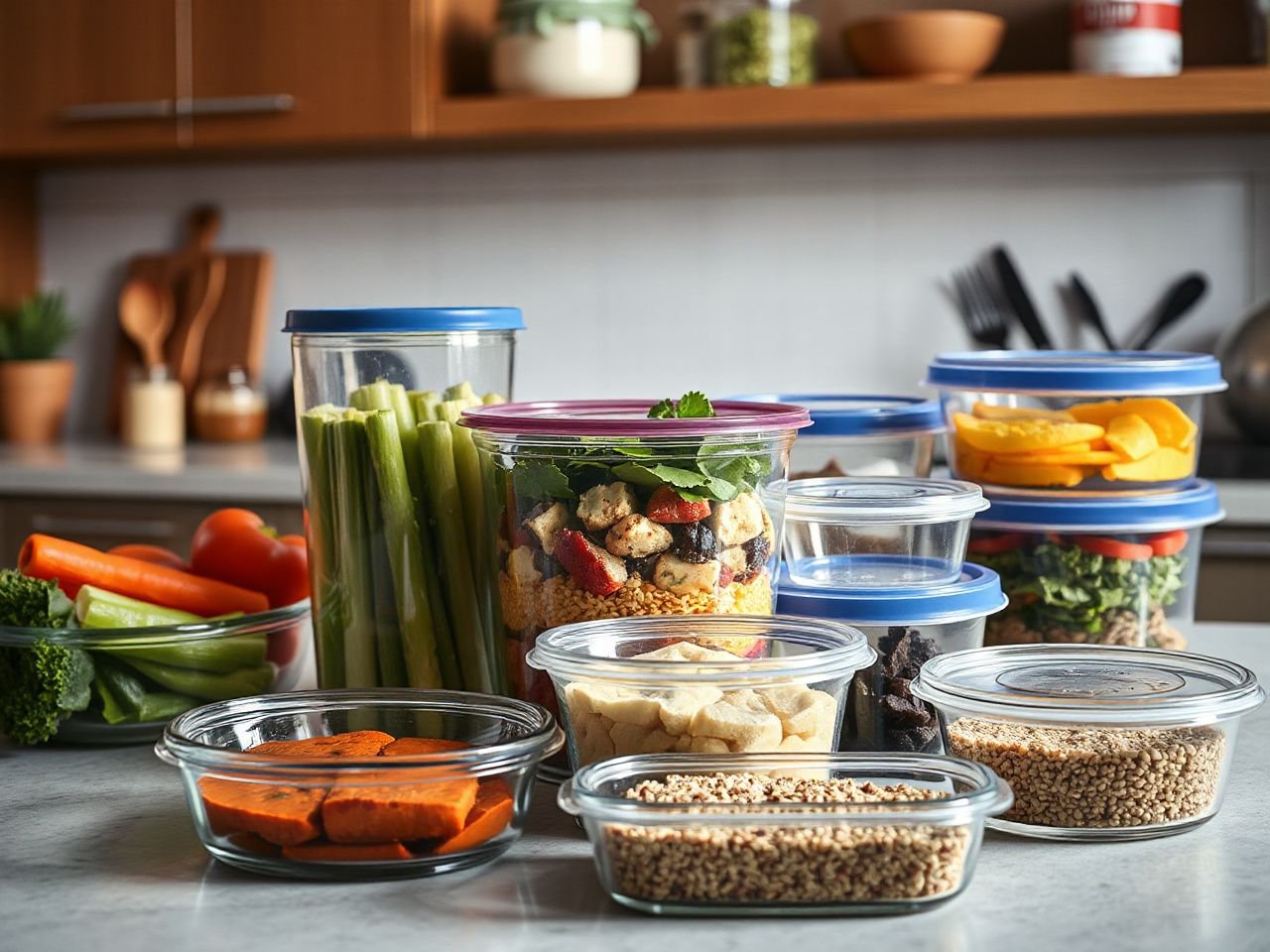
Leaking sauce, warped lids, trapped steam, and a cupboard full of mismatched tubs make meal preparation harder than it needs to be. The useful distinction is between a container that stores food well and a container system that works across preparation, cooling, transport, reheating, cleaning, and storage. Material, lid design, compartment structure, and thermal limits should be assessed together, because a strong container body does not compensate for a lid that leaks, traps steam, or deteriorates during cleaning.
This guide to buying meal prep containers focuses on that whole system rather than on isolated features. I distrust storage that demands constant decanting, so the practical test is simple: can the same container move through your routine without creating extra dishes, awkward transfers, or a cupboard full of parts?
Key Takeaways
- Choose the material according to how food will be cooled, frozen, reheated, carried, and served.
- Leak resistance comes from the seal, locks, container condition, and transport position working together.
- Separate compartments help portion control, but single compartments are easier to clean, stack, and repurpose.
- Read the body and lid markings separately; microwave and dishwasher guidance may not apply equally to both.
Beginner: Start with the meal, not the container
Map the routine before choosing a shape
A container should follow the food path in your kitchen. If a meal is assembled cold, refrigerated, carried in a lunch bag, and eaten without reheating, transport and sealing deserve priority. Food that goes from preparation to freezer to microwave needs a body and lid with clearly stated limits for each stage.
Meal shape matters as much as material. A shallow, broad container may suit a meal spread across a plate, while a taller form may hold food that needs less surface area. The right choice is the shape that fits your actual portions and the shelf space where you store them, not the shape that looks most versatile in a product photograph.
Prepared food should be cooled and refrigerated promptly rather than sealed while excessively hot or left at room temperature. Cooling and refrigeration guidance belongs alongside container selection because a sealed tub is part of food handling, not merely cupboard organization; consult the U.S. Food and Drug Administration for current food-safety guidance.
Match capacity to portions without chasing a number
Manufacturers may list capacity, but a printed volume does not tell you how comfortably a container holds your food. A container that is too small encourages overfilling, which can press against the lid seal and leave little room for food that shifts during transport. A container that is much larger than the portion wastes refrigerator and freezer space and may leave food spread thinly across the base.
- Use the meals you prepare most often as the reference point.
- Check whether the container leaves enough headspace for foods that contain liquid or may expand during freezing.
- Compare the base footprint with your refrigerator shelf, freezer drawer, lunch bag, and cupboard.
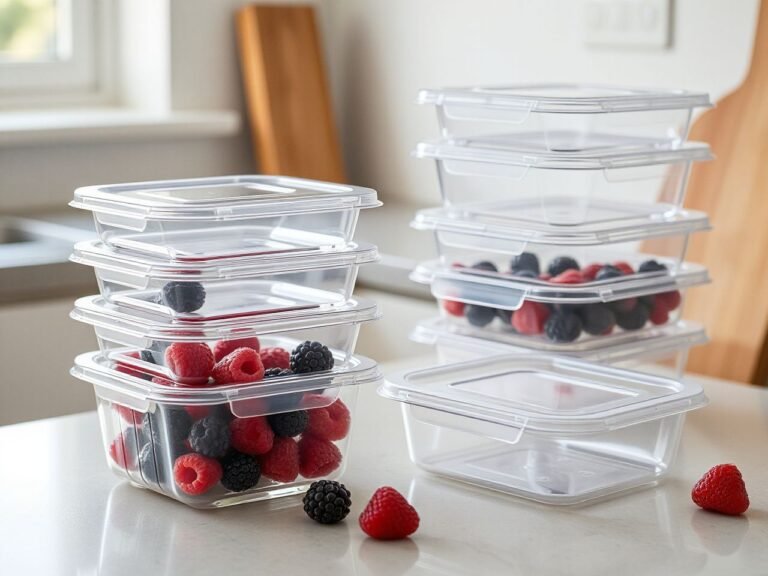
- Prioritize shapes that stack without forcing lids or corners against one another.
Portion planning works better when the same containers serve several meals. A system that requires a special tub for every recipe multiplies lids and complicates storage. A small number of compatible shapes is usually easier to track than a collection assembled around one-off dishes.
Single compartments or divided sections?
Single-compartment containers are the simpler starting point. They suit stews, pasta, rice dishes, leftovers, and meals whose parts are meant to mix. With fewer seams and corners, single compartments are also easier to scrape clean and easier to repurpose for a different type of food.
Divided containers keep ingredients apart during transport. A removable compartment divider is more practical than a permanently molded section when you want to change the arrangement, but the divider adds another piece to wash, dry, and store. Fixed compartments can make portioning predictable while limiting what fits inside each section.
Separate compartments are useful when texture matters. A crisp ingredient can remain apart from a wet dish, and a sauce can stay away from food that would otherwise absorb it. The trade-off is space: several narrow sections may hold less usable food than one open base with the same outside footprint.
Compartmented containers are not automatically easier for meal preparation. A removable divider creates flexibility only if the divider is easy to remove, clean, dry, and put back without being misplaced.
Intermediate: Compare materials across the whole food cycle
Glass for visibility, serving, and careful reheating
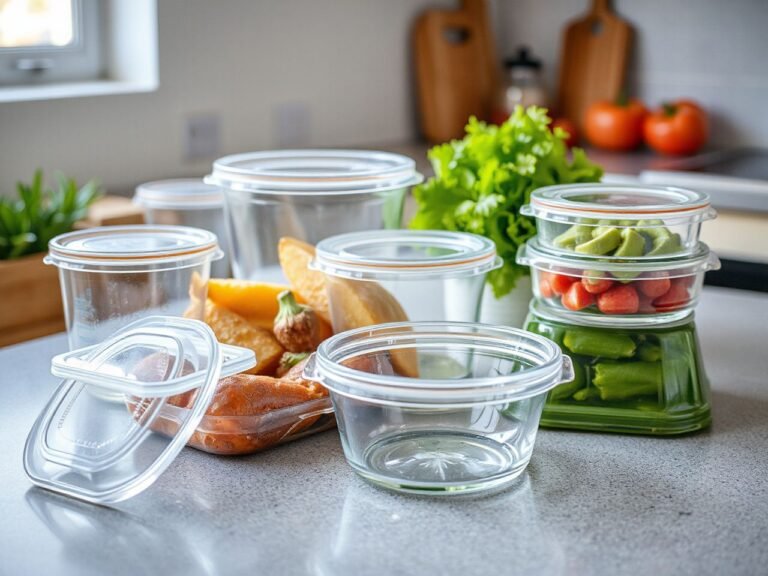
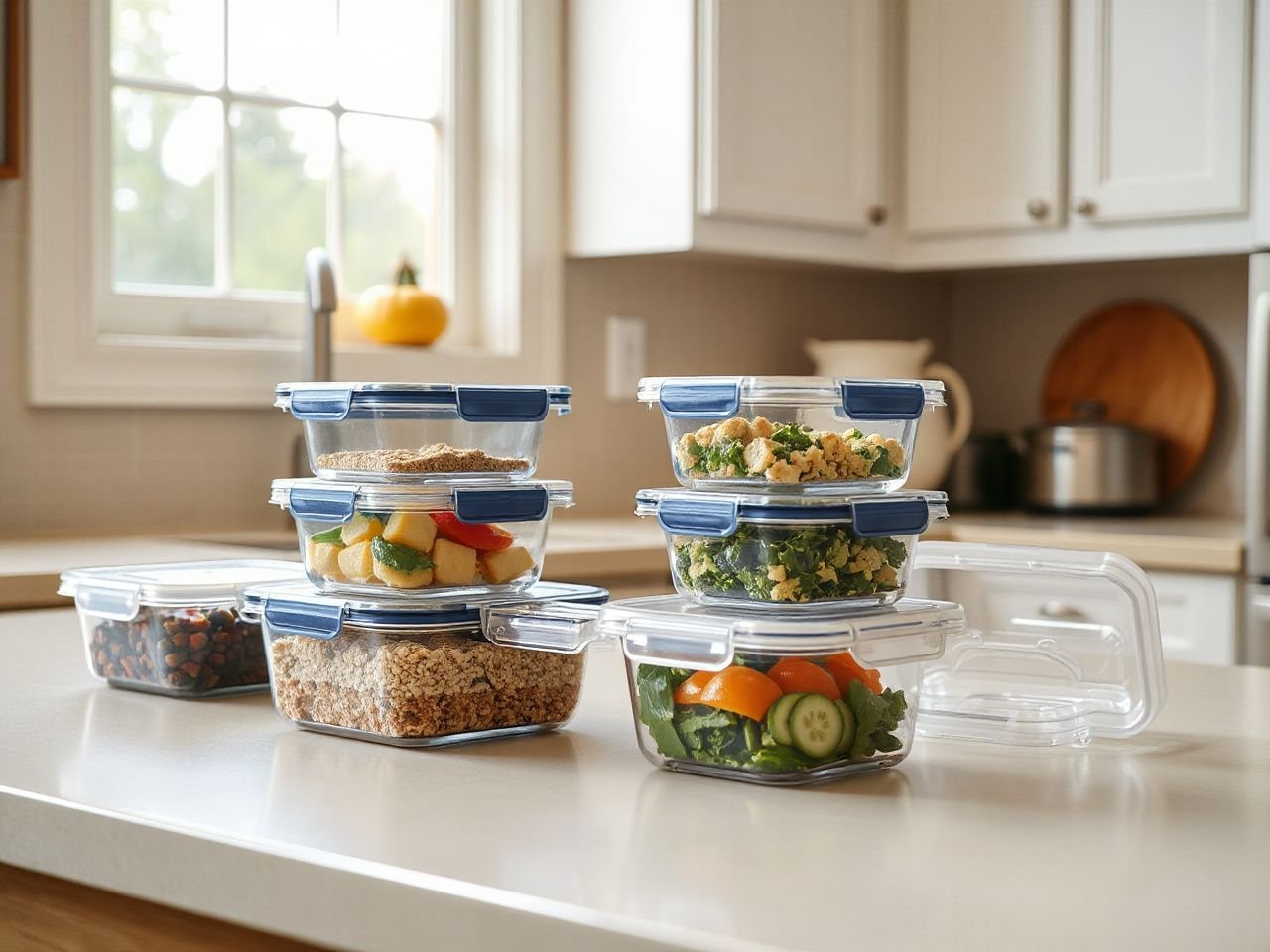
Borosilicate glass offers a clear view of the food and does not retain the same kind of color and odor concerns that can trouble some plastics. Glass can move from refrigerator storage to serving, provided the manufacturer permits the intended use and the container avoids sudden thermal changes.
Glass can break from thermal shock, so sudden changes between very cold and very hot conditions require caution. A glass container taken from the freezer should not be treated as ready for a hot oven or intense heat unless its instructions specifically allow that transition. The same caution applies to placing a hot glass body on a cold or wet surface.
Microwave use still requires attention to the lid. A glass body marked for microwave use does not make a sealed plastic lid suitable for the same setting. Remove or loosen the lid as directed, use a steam vent if one is provided, and never treat a sealed container as though steam has nowhere to go.
Glass containers are practical for meals that go from refrigerator to table. Their weight and breakability may make them less convenient for lunch bags or crowded transport, so the decision should reflect the route the food takes rather than a broad claim that one material is healthiest.
Polypropylene for flexible everyday storage
Polypropylene is commonly used for reusable food storage because it is light and suited to containers that travel. The label still controls the decision: freezer, dishwasher, and microwave markings should be checked on the specific body and lid rather than assumed from the material name alone.
Plastic containers can stain after holding tomato sauce and may retain food smells. Sharp utensils can scratch surfaces, while dishwasher heat, repeated freezing, and repeated handling can gradually affect lids, seals, and container surfaces. A plastic body that remains usable may still need a lid replaced if the lid no longer closes correctly.
A triangular symbol on the base of a plastic food storage container contains a numeric value ranging from 1 to 7. That mark identifies a plastic category; it does not, by itself, answer every question about microwave use, freezer use, food contact, or lid safety. Read the manufacturer’s instructions as well.
Stainless steel for transport and serving
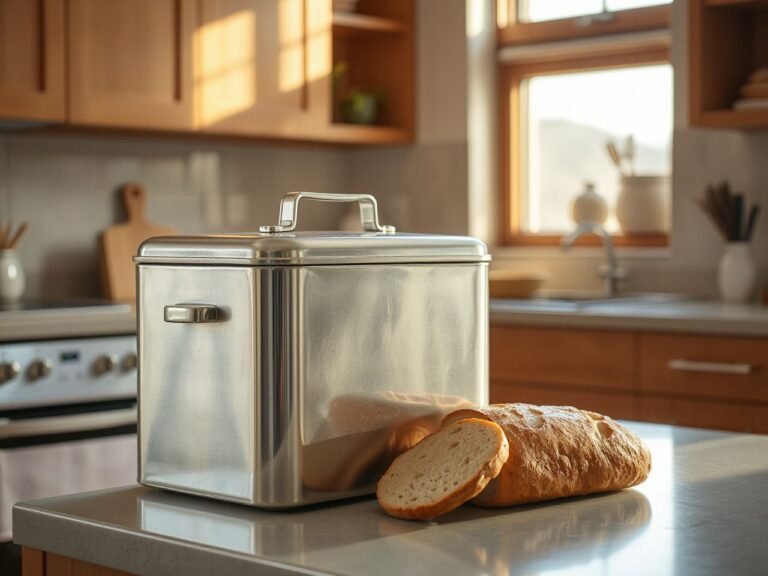
Stainless steel is useful when a durable, non-glass body suits transport or serving. It is not automatically a microwave option, so a metal container should never be placed in a microwave unless the appliance and container instructions expressly permit it. A stainless-steel body also gives you less visual information about the food than a clear body.
Steel containers can work well for cold storage and packed meals, but the lid remains the deciding part for leak resistance. A steel body with a flexible seal may transport food differently from a container with a rigid snap-lock lid, so inspect the closing action rather than judging the material alone.
Food-grade silicone and flexible parts
Food-grade silicone may appear in collapsible bodies, seals, or lid components. Its flexibility can help with storage in a crowded cupboard, but collapsibility does not remove the need to check support, seal contact, and cleaning access. A fold or crease that holds oil or sauce becomes an organization problem as well as a hygiene concern.
Flexible lids and seals deserve particular attention. They should sit flat, remain attached where intended, and be removable for cleaning if the design allows. A seal that cannot dry properly can hold moisture and odors even when the container body is clean.
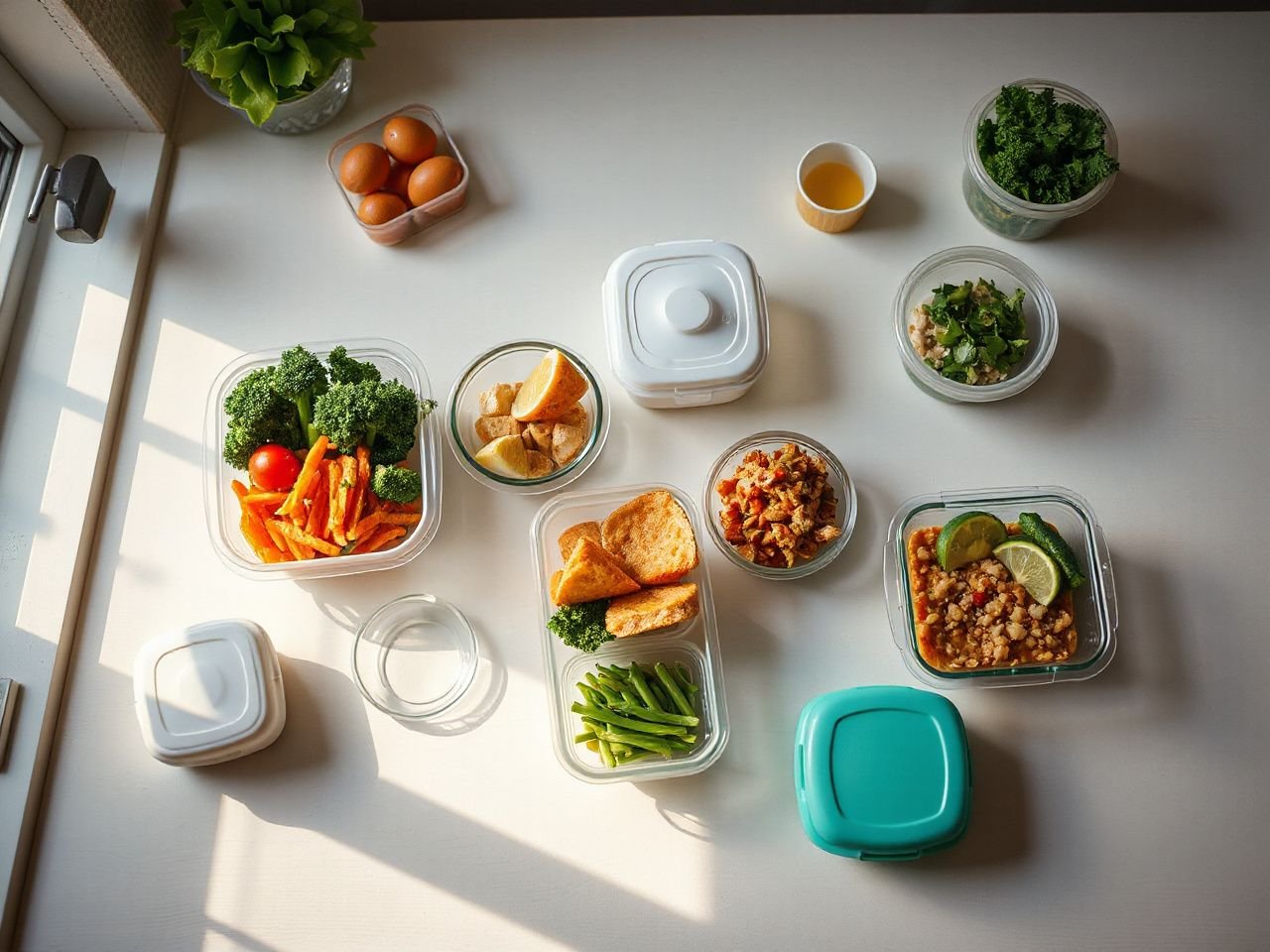
Intermediate: Judge lids, leaks, and steam before paying attention to extras
What makes a lid resistant to leaks?
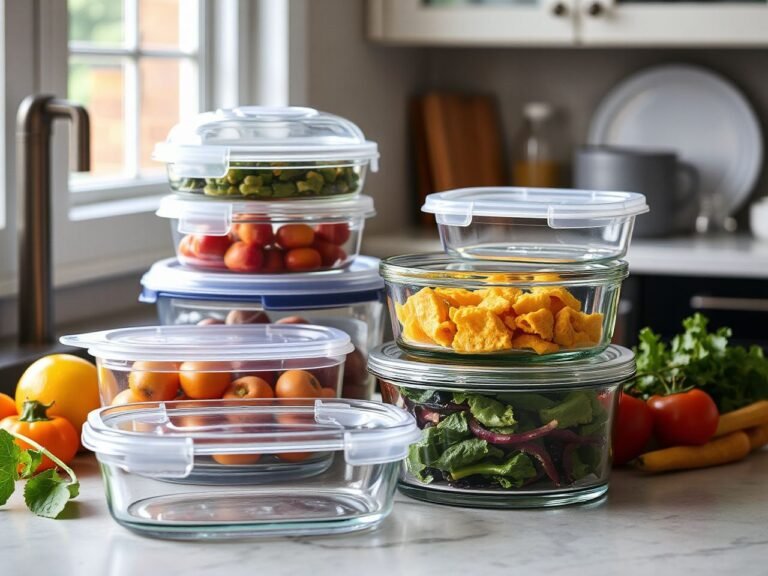
Leak resistance depends on the lid seal, locking mechanism, container condition, and how liquid food is transported. A snap-lock lid can press a seal into place, but the locks must close fully and evenly. If one corner sits high, a latch is partly engaged, or food is caught on the rim, the seal may fail.
Inspect the lid and rim in ordinary light. Look for a continuous contact area, a gasket that is seated rather than twisted, and locks that move through their full closing path. The container rim should be free of dried food, cracks, deep scratches, and warping that could interrupt contact.
Liquid food needs extra care in a lunch bag or vehicle. Upright transport reduces pressure on the lid, while overfilling leaves less room for movement. A container can be sound and still leak if the meal is tipped, squeezed, or carried with a lid that was not closed evenly.
Leak resistance is a condition, not a permanent label. Dishwasher heat, sharp utensils, staining foods, and repeated freezing can gradually damage lids, seals, and container surfaces.
Steam vents and microwave use
Microwave compatibility depends on both the container body and the lid; sealed containers need a way for steam to escape. A steam vent may allow reheating while the lid remains partly in place, but the vent must be opened as directed. If no vent exists, the lid may need to be removed or placed loosely according to the instructions.
Do not infer microwave safety from a lid’s shape or from the fact that the body is plastic or glass. A lid can contain a seal, coating, or component with different limits from the container base. Microwave instructions that apply to the body may not apply to the lid.
Food may heat unevenly inside a container, especially when thick and liquid portions are stored together. Stir food where appropriate and check the center before serving. A container marking tells you about intended use; it does not replace safe handling of hot food.
Freezing without damage or freezer burn
Freezer use requires more than a cold-resistant body. Food needs suitable headspace, the lid needs to close without strain, and the container needs protection from air exposure. Freezer burn is a quality problem linked to poor protection from the freezer environment, so a loose lid or poorly sealed package can leave food dry and discolored.
Glass needs special caution in the freezer. Thermal shock can crack or break glass when the temperature changes suddenly. Let the container follow the manufacturer’s stated use, avoid abrupt transitions, and do not place a frozen glass container into a hot oven or microwave unless the instructions specifically allow that sequence.
Freezer organization improves when containers have similar footprints and lids that stack or nest in a predictable way. The freezer container guide for organized storage can help with the wider system, but the same rule applies here: select shapes that match the freezer space you actually use.
Advanced: Build a container system that survives cleaning and storage
Cooling and sealing prepared food
Prepared food should not be sealed while excessively hot if doing so delays safe cooling or causes heavy condensation. Follow current food-safety guidance for cooling and refrigeration, then use the container once the food is ready for covered storage. The goal is a controlled handoff from cooking to cooling, not a hot container abandoned on a counter.
Condensation can collect beneath a lid when warm food is covered. That moisture may soften crisp foods and leave the lid wet, so the meal plan and container design should work together. Foods that need to stay crisp may be better cooled and packed in a way that keeps wet ingredients separate.
Cooling food in a suitable shallow arrangement can help it lose heat more readily than leaving a dense mass in a deep vessel, but follow the food-safety authority or appliance guidance for your situation. A container is not a substitute for prompt refrigeration and sensible handling.
Cleaning oil, tomato sauce, and odors
Dishwasher cleaning is convenient only when every part is approved for the dishwasher. The body, lid, gasket, divider, and vent may have different instructions. Place parts so water and detergent can reach their surfaces, then allow seals and enclosed channels to dry fully before reassembly.
Oil can cling to plastic surfaces, while tomato sauce can stain. A thorough wash, careful rinsing, and complete drying are more useful than simply running a stained container through another cycle. Soft cleaning tools reduce the risk of scratches that can make later cleaning harder.
Odors often remain in gaskets, vents, textured surfaces, or lid channels rather than in the open container base. Remove any parts the instructions identify as removable, wash each surface, and inspect the areas where food residue can hide. If an odor remains after proper cleaning, use the manufacturer’s care instructions rather than adding an unverified chemical treatment.
Bamboo lids should not be cleaned in a dishwasher. A bamboo lid needs the care method stated by its manufacturer, and it should be kept separate from a dishwasher routine designed for plastic or glass bodies.
Stacking, nesting, and keeping the cupboard usable
Storage design determines whether a container system saves time or creates a daily search. Lids that fit several body shapes reduce the number of loose parts, while containers that nest can reduce the space used when empty. The best arrangement is the one that lets you retrieve a body and lid without moving an entire stack.
- Store lids upright or in a shallow file-like row if that keeps them visible.
- Keep seals with their matching lids instead of placing all loose gaskets in one pile.
- Stack similar footprints together so the refrigerator and freezer remain easy to read.
- Allow washed parts to dry before closing them for storage.
- Retire a lid when cracks, warping, or a failed seal prevent reliable closure.
Constant decanting is a warning sign that the system is mismatched to the routine. If food repeatedly has to move from a cooking vessel into one container, then into another for transport, look for a better workflow before adding more storage pieces. The wider principles are covered in this food storage container guide focused on everyday organization.
Reusable and disposable containers over time
Reusable containers create washing, drying, and replacement work, but they can serve repeated storage tasks when their parts remain in good condition. Disposable containers reduce the immediate washing load, yet repeated disposal creates a continuing stream of waste and can leave you buying the same storage function again.
There is no honest single answer for every household. A reusable container is more useful when it replaces several transfers and fits the dishwasher, cupboard, refrigerator, and lunch bag. A disposable container may suit a one-way handoff where return and cleaning are impractical. Judge the full ownership life by use, cleaning, damage, replacement, and disposal rather than by the material name alone.
Advanced: Avoid features that add work without adding storage value
Features that deserve scrutiny
Extra parts can look helpful while making the system harder to manage. A divider, vent, seal, latch, or clip should have a clear job in your routine. If the feature does not improve cooling, transport, reheating, serving, cleaning, or storage, it may add cost and maintenance without solving a real problem.
- A permanent divider may limit meal variety when a single open space would do.
- A complicated latch may provide little value if the seal cannot be cleaned easily.
- A vent can assist reheating, but only if it is simple to open, clean, and close.
- Decorative texture can trap sauce and make scraping less effective.
- Many shapes may seem flexible but can make lids difficult to match.
Look for instructions before choosing a feature-heavy design. Safety and compliance claims should be traceable to the manufacturer and, where relevant, to bodies such as NSF that develop public-health and safety standards. Do not treat a vague food-safe phrase as a complete explanation of every use.
BPA-free wording needs context
BPA-free labeling addresses one substance, not every property of a container. BPA has been associated with reproductive health issues, cardiovascular disease risks, and hormonal disruption, so a reader may reasonably want to know whether a plastic product contains it. The label still does not answer whether the body, lid, seal, and vent are suitable for the intended heating, freezing, washing, or transport routine.
Read the care instructions and material information together. A container can meet one preference while failing the practical test of keeping food contained, surviving cleaning, or storing efficiently.
Know when a container has reached the end of its useful life
Replace or retire a container when the body is cracked, the lid no longer aligns, the seal has warped, or the surface is damaged enough to hold residue. A stain alone does not establish that a container has failed, but a damaged surface or unreliable closure changes the storage decision.
Repeated freezing can stress some materials and parts. Dishwasher heat can affect seals and lids over time. Sharp utensils can leave scratches, and staining foods can reveal where a surface needs closer inspection. The practical question is whether the container still closes, cleans, and stores food as intended.
A damaged seal can turn an otherwise useful container into a leak risk. Check the rim and lid before packing liquid meals, especially when the container will travel in an insulated lunch bag.
Frequently Asked Questions
Which material works best for refrigerating, freezing, reheating, and serving prepared meals?
No single material wins every stage. Borosilicate glass is useful for visible storage and serving, but thermal shock requires care. Polypropylene is light for transport when the label permits the intended use. Stainless steel suits cold storage and serving but should not go into a microwave unless instructions allow it. Food-grade silicone can help with flexible storage, provided folds and seals can be cleaned and dried.
How can I tell whether a lid will prevent leaks in a lunch bag?
Check that the seal sits continuously around the rim, the locks close fully, and no food is caught between lid and container. Inspect for cracks, warping, or a twisted gasket. Keep liquid food upright and avoid overfilling. Leak resistance depends on the lid seal, locking mechanism, container condition, and transport position, so a marketing label alone is not enough.
Can a glass container go from the freezer into a hot oven or microwave?
Do not assume that it can. Glass can break from thermal shock when exposed to a sudden change between very cold and very hot conditions. Follow the manufacturer’s instructions for the specific body, and check the lid separately. A glass container marked for microwave use still needs a vented or loosened lid arrangement so steam can escape.
Why do meal prep containers crack, warp, stain, or keep food smells?
Dishwasher heat, repeated freezing, sharp utensils, staining foods, and ordinary wear can gradually affect container bodies, lids, and seals. Tomato sauce may stain plastic, while oil and odors can remain in gaskets, vents, textured areas, or lid channels. Remove washable parts, clean them separately, rinse well, and dry fully. Retire parts that no longer close or clean reliably.
Are separate compartments better than single-compartment containers?
Separate compartments help keep wet and dry foods apart and can make portions easy to organize. Single compartments are more flexible for mixed meals and usually have fewer corners and parts to wash. A removable divider offers more choice but adds another piece to manage. Select compartments because your meals need separation, not because more sections automatically create a better storage system.