Most smoothies are over-blended. The practical question of how long you should blend a smoothie has a simple answer: stop when the vortex forms and the sound shifts from crushing to whirring. That point lands between 45 seconds and 2 minutes for nearly every recipe, and blending past it adds heat, not smoothness.
Key Takeaways
- A high-speed blender needs 45–60 seconds; a standard blender needs 1–2 minutes.
- Stop when you see a smooth vortex and hear the pitch change from crushing to whirring.
- Over-blending heats the mixture, degrades vitamin C, and oxidizes the fruit.
The Real Variables That Determine Blend Time
A fixed number of seconds cannot tell you when a smoothie is ready because three things change the math: the blender’s power, the hardness of the ingredients, and the texture you want. A 2-horsepower machine and a 700-watt budget blender do not share the same clock.
Blender Power Sets the Ceiling
The motor wattage and blade speed of your machine are the biggest factors. High-speed blenders like the Vitamix 5200 and Blendtec Total Blender spin blades fast enough to create a vortex in under 60 seconds. Their motors are typically rated at 2 peak horsepower, and the blade assembly reaches speeds near 4200 RPM on high. That kind of force pulverizes frozen fruit quickly.
A standard blender like the Ninja Professional BL610, with its 1200-watt motor, needs more time. The verified figures for this category are clear: process ingredients for one to two minutes in a regular blender, and limit the duration to under one minute in a fast blender. That range is not arbitrary; it reflects how long the blades need to produce a uniform mixture without overheating the motor.
Blade design matters too. Stainless steel blades on most mid-range and high-end models stay sharp longer than lower-grade steel, but even sharp blades need time to break down fibrous material. The Breville Boss, for example, uses a powerful motor and a wide base to pull ingredients down quickly, which shortens the total time.
The wattage on a blender’s label is often the peak output, not the sustained power. A machine advertised as 1500 watts may only deliver 900 watts of continuous blending power, which affects how long it takes to reach a vortex. High-speed blenders like the Vitamix 5200 use a 2-horsepower motor, but that figure is also peak; the actual blending power is lower but still far above a budget model.
Ingredient Hardness and Temperature
Frozen fruit and ice are harder than fresh produce, so they demand longer blending. Frozen strawberries and mango chunks have a crystalline structure that resists the blades until the pieces shatter. That is why a smoothie made with fresh banana and yogurt can be ready in 30–45 seconds on high, while the same recipe with frozen berries might need 60–90 seconds on a standard machine.
Frozen fruit has two problems: the ice crystals themselves are hard, and the fruit’s cell walls are stiff from freezing. The blades must first shatter the ice, then break down the fruit flesh. That double workload is why frozen fruit blends take nearly twice as long as fresh in some cases.
Leafy greens such as spinach and kale are another variable. Their cell walls are tough, and the leaves tend to ride the top of the liquid instead of cycling into the blades. Adding an extra 10–15 seconds of blending after the vortex forms usually breaks down the last visible flecks. If you see green specks on the side of the jar, the blend is not finished.
Thickeners like protein powder and nut butter change the equation in the opposite direction. They make the mixture denser, which can stall the vortex if added all at once. Blend the liquid and fruit first, then add the powder or nut butter and run the blender for another 20–30 seconds. That two-stage approach prevents over-processing the fruit while fully incorporating the thickener.
Target Texture: Sipping vs. Spooning
What you plan to do with the smoothie also sets the stop point. A drinkable smoothie should be uniform and thin enough to pour easily. A smoothie bowl needs to be thick enough to hold a spoon upright. For a bowl, stop blending as soon as the large chunks are gone and the mixture is just cohesive; an extra 10 seconds will thin it out too much. Our article on a thick strawberry smoothie bowl with chia covers that texture in detail.
For a seasonal option, a pumpkin pie smoothie uses cooked pumpkin puree, which blends faster than raw hard vegetables. The recipe at Healthy Pumpkin Pie Smoothie works well with the same timing rules.
How Long Should You Blend a Smoothie? Reading the Blend to Know When to Stop
Clocked times get you close, but the real signal comes from watching and listening. The blender tells you when it is done if you know what to look for.
The Vortex Test
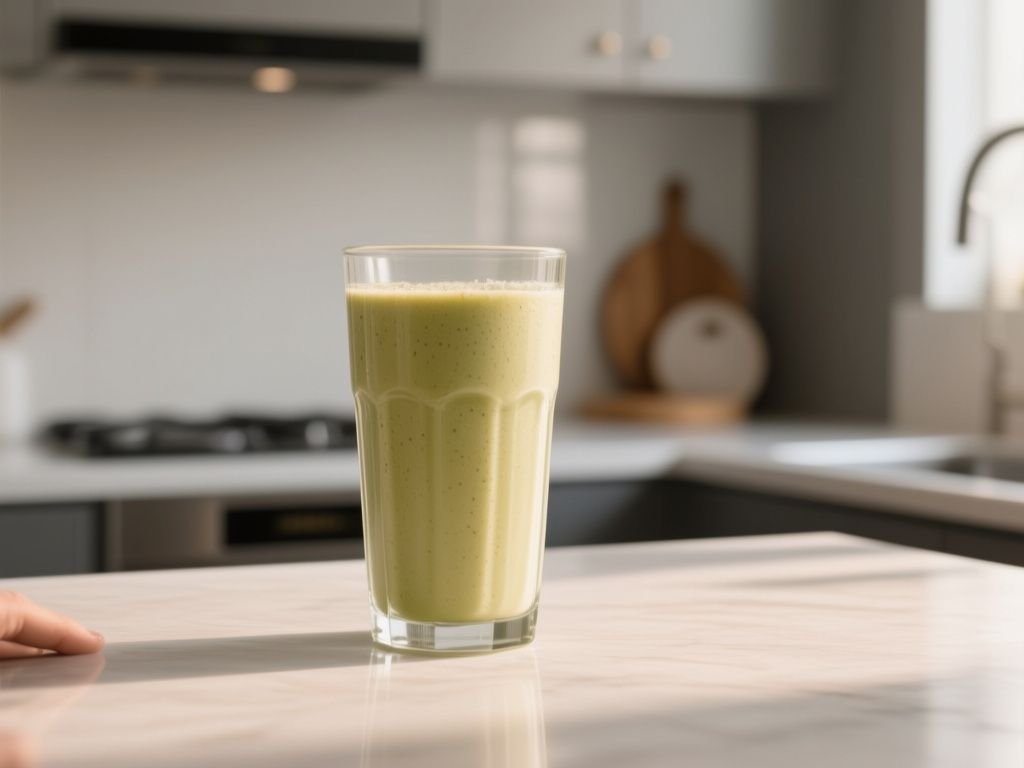
A proper vortex is a smooth funnel shape in the center of the jar, with ingredients cycling down into the blades and back up the sides. When that funnel is stable and no solid pieces ride on top, the smoothie is done. If you still see chunks floating or stuck to the walls, you need more time. A smoothie is done when you see a smooth vortex and no visible chunks stick to the sides. That single sentence is the entire answer for most people.
The Sound Shift from Crushing to Whirring
Blades hitting solid frozen fruit make a low, rattling, crunching noise. As the mixture becomes liquid, that sound changes to a steady, higher-pitched whir. The transition is the stop signal. Experienced users stop as soon as they hear that pitch change, because it means the blades are no longer hitting solid chunks. Continuing past that point only adds heat and oxidation.
The Heat Warning
Friction from the blades transfers energy to the liquid, which raises its temperature. Blend too long and the smoothie warms above room temperature. That heat degrades heat-sensitive nutrients like vitamin C and makes the drink taste flat. If the jar feels warm to the touch after blending, you have gone too far. That is not a texture problem; it is a chemical one.
Exact Times by Blender Type and Ingredient Mix
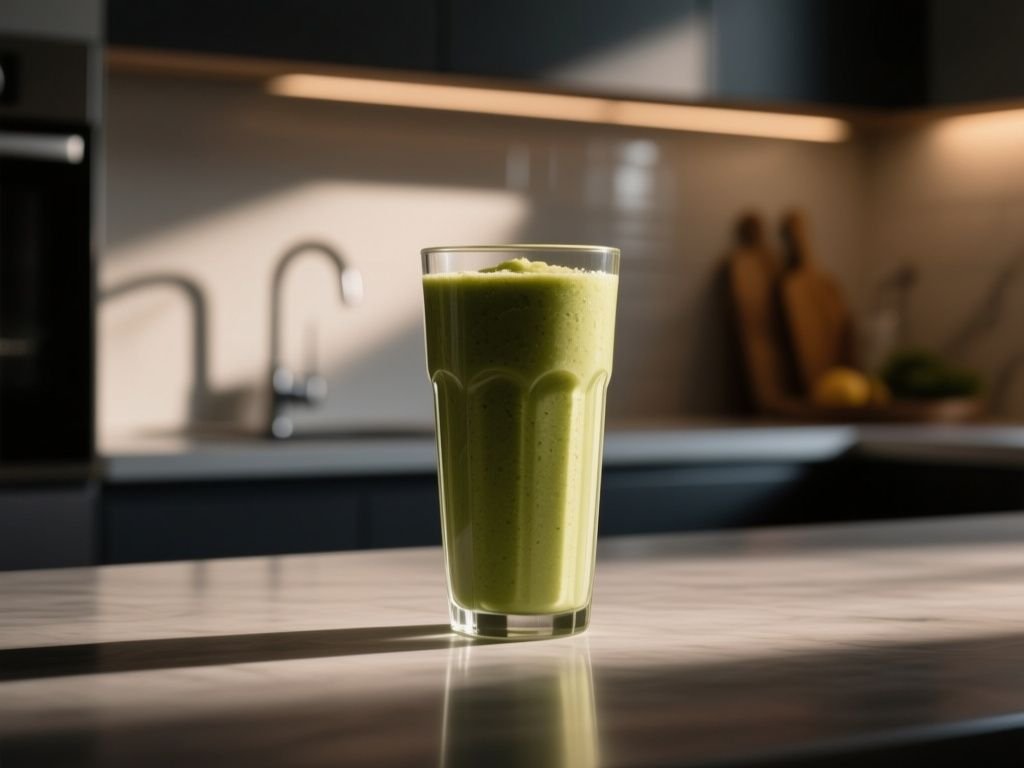
The following numbers are practical starting points, not rigid rules. Use them as a baseline, then adjust based on the vortex and sound cues above.
High-Speed Blenders
On a Vitamix 5200, Blendtec Total Blender, or Breville Boss, blend for 45–60 seconds maximum for most fruit-based smoothies. The smoothie preset on many of these machines runs for about 45–50 seconds, which is usually enough. Because these blenders move ingredients so violently, they can over-blend quickly; the mixture will go from perfectly smooth to warm and frothy in another 15 seconds.
If you are blending only soft ingredients like banana, yogurt, and juice, you can stop at the 30-second mark. The vortex will form almost immediately. Hard frozen fruit and ice may push that to 60 seconds, but never beyond 75 seconds on a Vitamix-class machine because the heat builds fast.
Standard Blenders
With a Ninja Professional BL610 or a similar 1200-watt blender, plan for 1–2 minutes of blending. The lower blade speed means the vortex takes longer to form, and you may need to stop and scrape the sides once or twice. If after 2 minutes the mixture is still chunky, do not keep running the motor; add a splash of liquid and pulse 5–10 times instead.
Ultra-budget blenders with motors under 700 watts may need even longer, but that is a sign you should pre-chop the frozen fruit or use less ice. Running a small motor for more than 2 minutes continuously risks overheating the windings, which can permanently damage the machine.
Frozen vs. Fresh Ingredients
Frozen fruit takes roughly 30–50% longer to blend than fresh fruit. Fresh berries and a banana with liquid can be done in 30–45 seconds on high; the same recipe with frozen berries typically needs 60–90 seconds on a standard blender. Ice cubes are the hardest ingredient of all, so a smoothie that includes a half cup of ice may require up to 75–90 seconds on a mid-range machine. Keep the ice-to-liquid ratio moderate; too much ice can stall the blades completely and force you to stop and stir.
Leafy Greens, Ice, Protein Powder, Nut Butter
Spinach and kale need an extra 10–15 seconds after the vortex forms to eliminate visible flecks. If you want a completely green smoothie, blend the greens with the liquid first for 20 seconds, then add the fruit and blend to your desired consistency. That pre-blending technique reduces total time by ensuring the leaves are already broken down before the heavier ingredients join.
Ice cubes should be added last, after the fruit is smooth. Blend until you hear the sound shift, then stop immediately. Over-blending ice warms the mixture enough to melt it, leaving you with a thin, watery drink.
Protein powder and nut butter require a two-stage blend. Run the fruit and liquid for 30–45 seconds, then add the powder or butter and blend for another 20–30 seconds. That incorporates the thickener without over-processing the fruit. If you add everything at once, the thickener can coat the blades and prevent the vortex from forming at all.
Avoiding the Two Big Mistakes
Under-blending and over-blending are equally common, and both ruin a good smoothie. The fix is learning to recognize the middle ground.
Under-Blending: The Chunky Failure
Under-blending happens when you stop too early because the noise scares you or you are worried about heat. The result is a smoothie with frozen fruit chunks, stringy kale bits, and a grainy texture from unincorporated protein powder. The solution is the vortex test: if you see anything riding the top or sticking to the sides, blend for another 10 seconds and check again. Pulsing is also useful here because it breaks up chunks without significantly heating the mixture.
Over-Blending: Heat and Oxidation
Over-blending is the opposite failure, and it is more common with high-speed machines. Running a Vitamix or Blendtec for 90 seconds on a simple fruit smoothie will raise the temperature noticeably. Heat degrades vitamin C and other heat-sensitive nutrients, and it changes the flavor from bright and fresh to cooked and dull. The friction also whips air into the mixture, which causes oxidation. Oxidation turns the fruit brown and breaks down delicate flavor compounds. The result is a smoothie that tastes flat and looks unappealing. If you have ever blended a smoothie and noticed it turned a darker color within minutes, that is oxidation from over-blending.
Over-blending also introduces excessive air. The vortex pulls air into the mixture, and the longer you blend, the more air gets whipped in. That air makes the smoothie frothy and changes the mouthfeel. A properly blended smoothie should be dense and smooth, not full of tiny bubbles. If you see foam on top after blending, you have incorporated too much air.
Fill Line and Motor Safety
Every blender jar has a maximum liquid-fill line. Exceeding that line does two bad things: it forces longer blend times because the ingredients cannot circulate properly, and it increases the risk of leaking or overheating the motor. The liquid needs room to move; a packed jar stalls the vortex. The Tritan copolyester used in many modern blender jars is BPA-free and meets food-contact standards set by the U.S. Food and Drug Administration, so the material itself is safe, but overfilling is still a mechanical problem. Some jar materials are also certified by NSF International for food safety, which is another reason to choose a blender from a reputable brand.
Tips to Shorten Blend Time Without Sacrificing Texture
If you want your smoothie done faster, the answer is not more blending; it is better prep and technique.
Layer Ingredients Correctly
The order you add ingredients affects how quickly the vortex forms. Put liquids in first, then soft fruits, then greens, then frozen fruit or ice on top. This layering pushes the frozen pieces down into the blades as they thaw slightly, speeding up the initial breakdown. If you dump everything in at once, the frozen chunks can sit on top and spin without being pulled down.
Chop or Break Up Large Frozen Pieces
Large frozen strawberries or mango chunks take longer to shatter than smaller pieces. If your blender struggles, break the frozen fruit into smaller chunks before adding it. You can also run hot water over the outside of a sealed bag of frozen fruit for 30 seconds to soften the surface slightly, which reduces blend time without thawing the fruit all the way.
Chopping fresh fruit into smaller pieces before blending is a counter-space trade-off: it adds prep time but shortens blend time. For a standard blender, pre-chopping frozen fruit into 1-inch chunks can cut blend time by 20–30 seconds, which may be worth it if you make smoothies daily.
Use the Right Ice-to-Liquid Ratio
The verified figures for smoothie consistency recommend 1 1/4 cups of liquid and 1/2 cup of thickener for a perfect smoothie. Too little liquid makes the mixture too thick to vortex, so you end up blending longer just to get things moving. Adding a few extra tablespoons of liquid often cuts blend time more than another 30 seconds of motor runtime. For a coffee-based smoothie, for example, using cold brew as part of that liquid base works well; our easy coffee smoothie recipe shows the exact proportions.
Pre-Blend Greens and Liquid
As mentioned earlier, blending greens with the liquid first for 20–30 seconds breaks down the toughest ingredient before the rest joins. This single step can reduce total blend time by up to 30 seconds on a standard blender, and it eliminates the green flecks that often survive a one-shot blend.
The pulse setting is underused. Pulsing gives you control over the texture without heating the mixture. Instead of running the blender for 60 seconds straight, pulse 10 times, check the vortex, then run on high for the final 20 seconds. This method often produces a smoother result because the blades get a fresh bite on the ingredients each time.
Cleaning your blender immediately after use prevents residue from hardening on the blades and jar, which can affect future blend times. Dried fruit pulp on the blades reduces their efficiency, so a blender that was cleaned well will again blend faster the next time.
Frequently Asked Questions
These are the specific questions people ask when they are trying to get the timing right.
How long should you blend a smoothie with frozen fruit?
Frozen fruit takes 30–50% longer than fresh fruit. On a high-speed blender, blend for 45–75 seconds; on a standard blender, aim for 1–2 minutes. Check for a stable vortex and no solid chunks before stopping. If the mixture is still icy, pulse for 5–10 seconds rather than running the motor continuously.
How many seconds should I blend a smoothie to make it creamy?
For a creamy texture, blend until the vortex is smooth and the sound shifts from crushing to whirring. On a high-speed blender that is 45–60 seconds; on a standard blender, 1–2 minutes. If the smoothie is still grainy, add a bit more liquid or a few pulses rather than blending longer.
Does blending a smoothie longer make it smoother or does it heat up the drink?
Longer blending does not make a smoothie smoother past a certain point; it only adds heat and oxidation. Once the ingredients are fully broken down and the vortex is stable, additional blending time warms the mixture and degrades vitamin C. The smoothie will actually become thinner and less pleasant as the ice melts.
How long do I blend a smoothie if I add protein powder or nut butter?
Blend the fruit and liquid first for 30–45 seconds, then add the protein powder or nut butter and blend for another 20–30 seconds. Adding the thickener at the start can coat the blades and prevent a vortex from forming, so the two-stage method is faster overall and avoids over-blending the fruit.
What happens if I under-blend a smoothie—will it have chunks?
Yes. Under-blending leaves frozen fruit chunks, stringy greens, and grainy protein powder. The fix is to use the vortex test: stop only when you see a smooth funnel and no solid pieces on top or stuck to the sides. If chunks remain, blend for 10 more seconds and re-check.
Should I blend a smoothie on the ‘smoothie’ preset or manually, and for how long?
The smoothie preset on a Vitamix or Blendtec runs for 45–50 seconds and ramps speed automatically, which is convenient but not always perfect. If you prefer manual control, use the vortex and sound cues. Manual blending lets you stop exactly when the texture is right, while presets may over-blend soft ingredients. For a standard blender without a preset, manual is your only option, so use the 1–2 minute guideline.