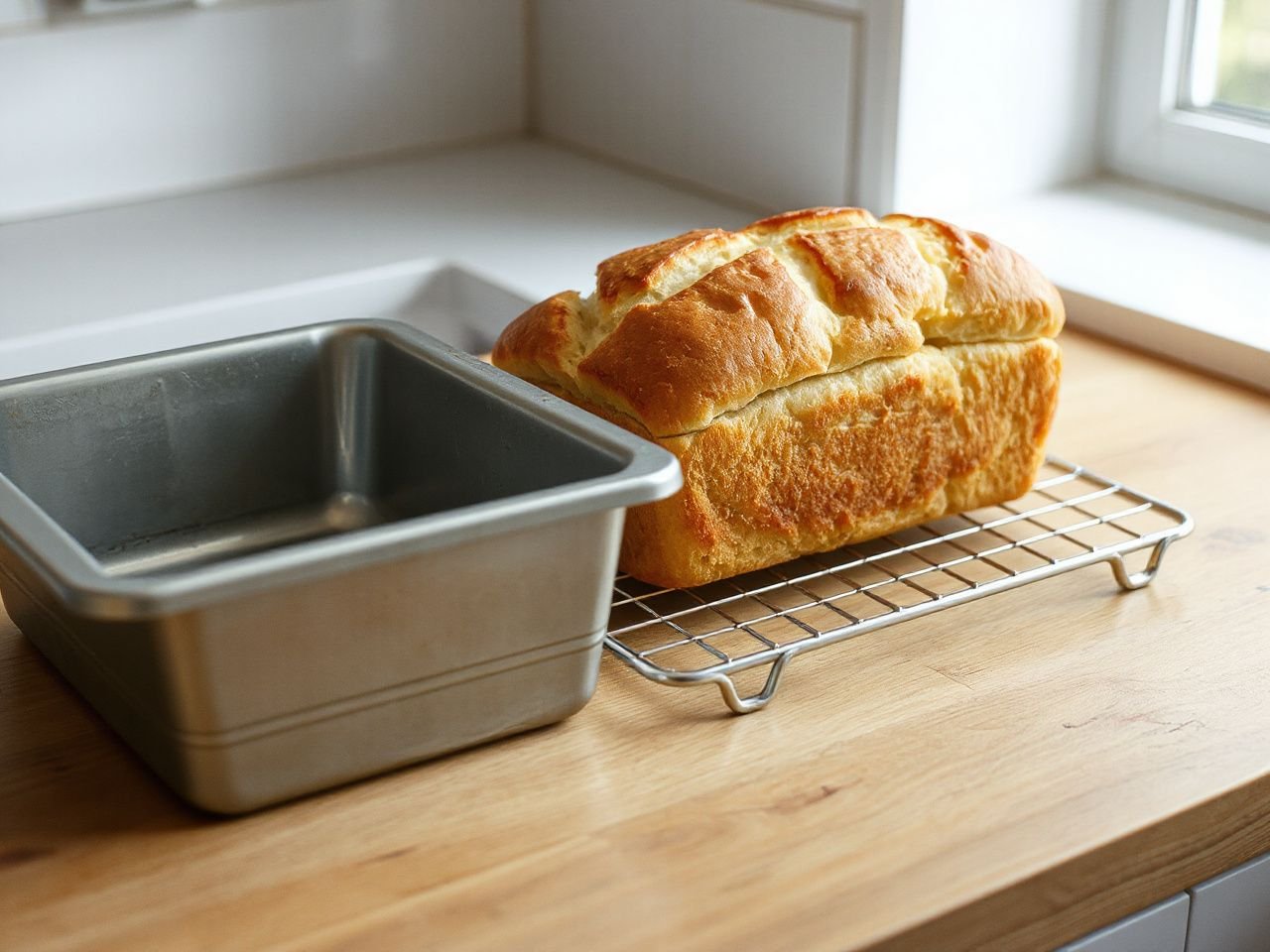
Dean Whitaker here, your cookware and bakeware specialist. If you’ve ever watched a fresh loaf tear in half because half of it stayed stuck to the pan, you already know why the pan itself is the first ingredient.
For most beginners, the Novery 2PCS 8″x4″ Non-Stick Carbon Steel Loaf Bread Baking Pans are the clear starting point. The spec sheet points to a true non-stick release and even heat conduction, which is exactly where cheap pans fail. Grab those, and your first loaf has a fighting chance.
Loaf pans get treated as an afterthought, and for a beginner that is the expensive mistake. There is one thing worth knowing before you spend anything: the pan changes the bake more than the recipe does. A thin, warped sheet of metal will burn the outside of your bread while the center stays gummy. A heavy, well-coated pan will give you a golden crust and a clean release. Below are six loaf pans worth a beginner’s attention, each judged against those two non-negotiables: release reliability and even heat conduction.
📌 This article contains affiliate links. As an Amazon Associate I earn from qualifying purchases, at no extra cost to you. Full disclosure.
CERTAIN CONTENT THAT APPEARS ON THIS SITE COMES FROM AMAZON. THIS CONTENT IS PROVIDED ‘AS IS’ AND IS SUBJECT TO CHANGE OR REMOVAL AT ANY TIME.
| Product | Best For | Buy Link |
|---|---|---|
| Articasting Cast Iron Loaf Pan with Lid | Dutch oven-style baking | Check Price |
| Razab 2 Pack Glass Loaf Pans with Lids | Storage and visibility | Check Price |
| Novery 2PCS 8″x4″ Non-Stick Carbon Steel Loaf Pan | First-time bakers | Check Price |
| Vinino Mini Silicone Loaf Pans with Metal Reinforced Frame | Single-serving treats | Check Price |
| Fox Run Loaf Pan | Linked mini loaves | Check Price |
| Bake Choice Mini Loaf Pan | Batch baking minis | Check Price |
How We Chose These Loaf Pans
We narrowed this list by comparing published specifications, materials, and documented features against what actually matters for a beginner: a pan that releases the loaf cleanly and heats without hot spots. Non-stick coatings that resist scratching are critical because sticking ruins the loaf and discourages novices. Carbon steel and cast iron conduct heat evenly and brown nicely, while glass and silicone have slower or uneven heat distribution unless you adjust oven temperature and rack position. The failure mode we most want you to avoid is buying a cheap, thin pan that warps the first time you use it, leaving burnt sides and a raw middle. We weighted pan weight, material, and coating quality above all else. Before you order any pan, check the product listing for a stated FDA-compliant food-contact coating and a temperature rating that matches your oven settings. That one check prevents most beginner disasters.
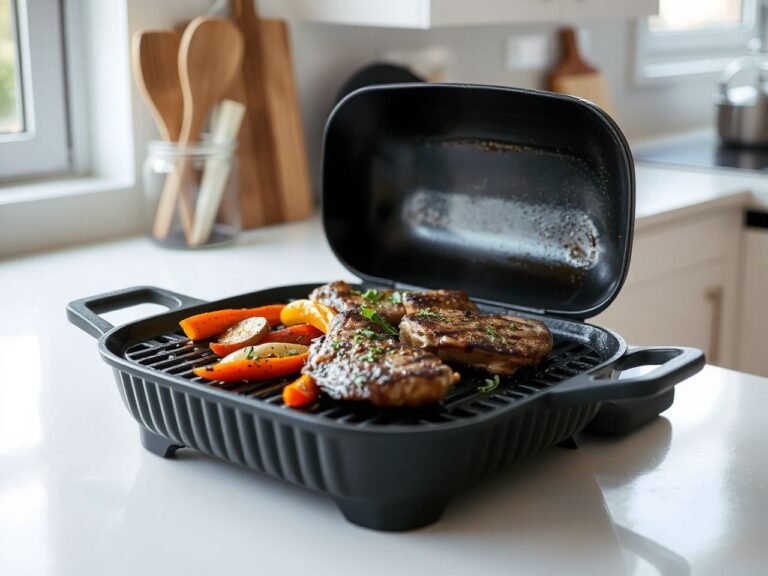
Articasting Cast Iron Loaf Pan with Lid (Dutch Oven-Style Bread)


Novery 2PCS 8″x4″ Non-Stick Carbon Steel Loaf Bread Baking Pans (Our Pick)

Articasting Cast Iron Loaf Pan with Lid (Dutch Oven-Style Bread)
Quick take: If you want one pan that doubles as a small Dutch oven, this cast iron loaf pan with an enameled finish is a serious upgrade from flimsy aluminum.
The first thing you’ll notice is weight. Cast iron is dense, and that heft translates to slow, even heat distribution once the pan is fully preheated. The listing states it handles up to 500°F and works in ovens and on gas burners, which means you can sear or toast the loaf bottom before baking if you want a crackly crust. The enameled interior removes the seasoning ritual from cast iron—just wash with soap and dry. That’s beginner-friendly in a way bare cast iron never is.
The lid is the real story here. Covered baking traps steam, which is what gives bread a glossy, crackled crust without a dedicated Dutch oven. On paper, that’s a massive advantage for a first-time baker. The trade-off is preheat time and pan weight. A 9×5 cast iron pan can weigh several pounds, and pulling it from a 450°F oven with one hand is a recipe for a burned wrist. If you go this route, use two hands and a thick mitt. Also remember that enamel is not non-stick in the Teflon sense; you still need to grease or line the pan.
Pros:
- Enameled cast iron — no seasoning required, cleans up easily, and resists rust.
- Lid included — traps steam for bakery-style crusts without a separate Dutch oven.
- High heat tolerance — safe up to 500°F, so it works for artisan loaves and even stovetop browning.
- 2-in-1 design — bake two loaves at once or use the lid as a shallow baking dish.
- Durable material — cast iron outlasts thinner steel pans by decades if not dropped.
Cons:
- Heavy — the pan’s weight makes one-handed oven work risky for beginners.
- Not non-stick — the enameled surface still requires greasing or parchment, and stuck dough is harder to release than from a coated pan.
The Real Deal
Great match for: Beginners who want a multi-purpose pan for rustic bread and don’t mind a little extra preheating. Think twice if: You’re looking for grab-and-go convenience or bake mostly sweet quick breads that want a non-stick surface.
Razab 2 Pack Glass Loaf Pans with Lids (See-Through Baking)
In a nutshell: If you want to watch your bread brown without opening the oven door, this two-pack of borosilicate glass pans with snap-on lids covers baking and storage.
Borosilicate glass is the key phrase here. Unlike cheap soda-lime glass, borosilicate handles thermal stress better, which is why the listing rates these pans up to 500°F. That doesn’t mean you can move one from the freezer straight into a hot oven, but it’s far more forgiving than discount glass bakeware. The transparent walls let a novice see exactly how dark the crust is getting—a real advantage when you’re still learning your oven’s quirks.
The included gray lids are BPA-free and snap on securely, so you can bake, cool, refrigerate, and freeze in the same dish without plastic wrap. That one-dish workflow is genuinely useful for meal prep. The downside is heat distribution. Glass absorbs heat slowly and releases it unevenly compared to carbon steel, so you’ll often need to drop the oven temperature by 25°F and add a few minutes to avoid overbrowned edges and a pale bottom. Greasing is non-negotiable because glass has no non-stick surface.
Pros:
- Borosilicate glass — withstands temperatures up to 500°F and resists thermal shock better than regular glass.
- Snap-on lids — food-grade, BPA-free, and leakproof for refrigerator or freezer storage.
- Transparent walls — you can monitor browning without opening the oven door and losing heat.
- Two-pack value — bake two loaves or use one for serving while the other chills.
- Versatile — bake, serve, freeze, and reheat in the same dish.
Cons:
- Slow, uneven heat — glass browns less evenly than metal, requiring temperature and time adjustments.
- Not non-stick — without thorough greasing or parchment, bread will stick badly.
Our Take
Perfect for: Beginners who want visual feedback and a storage container built in. Not great if: You prioritize even browning and effortless release over watching the bake.
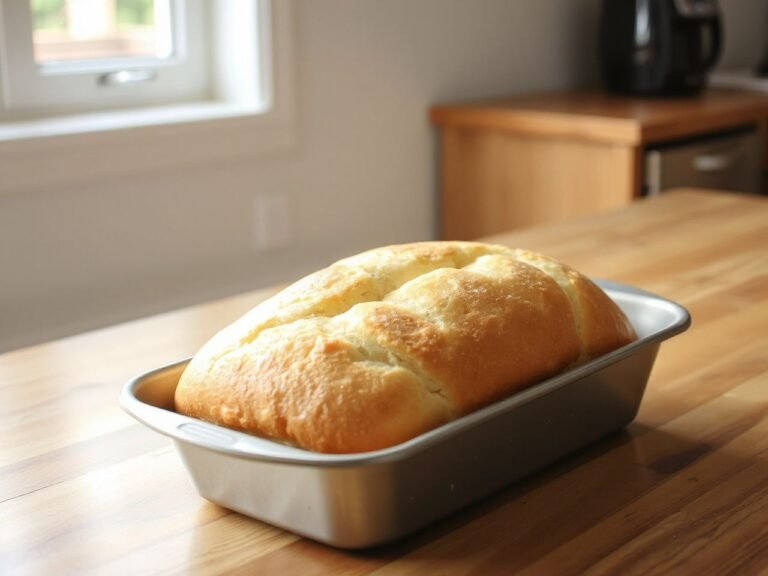
Novery 2PCS 8″x4″ Non-Stick Carbon Steel Loaf Bread Baking Pans (Our Pick)
Here’s the deal: This is the pan I would hand to someone who has never baked bread before and wants a clean, successful first loaf.
Carbon steel is the workhorse material here. It heats quickly and evenly, and unlike cast iron, it doesn’t demand a long preheat. The 8″x4″ dimensions are slightly smaller than the standard 9″x5″ loaf pan, which is actually a perk for small households: the batter fills the pan properly instead of spreading thin, so the center cooks through without burning the edges. The listing describes a premium non-stick coating that promises effortless release, and that’s the single most important feature for a beginner. If the coating performs as claimed, you can skip the parchment paper.
The two-pack is a quiet advantage. You can bake two loaves at once, or keep one pan for sweet quick breads and one for savory meatloaf without flavor crossover. The one honest annoyance is that the listing never states whether the coating is PFOA-free. That’s a question worth asking before you buy, because you’ll be baking food in direct contact with that surface. Also remember: non-stick means no metal utensils, no abrasive scrubbers, and no high-heat broiling.
Pros:
- Carbon steel construction — even heat conduction without the weight of cast iron.
- Non-stick coating — clean release is the biggest beginner confidence booster.
- Two pans included — bake multiple loaves or separate sweet and savory recipes.
- 8″x4″ size — smaller capacity means less surface area for uneven browning and a thicker, better-risen loaf.
- Lightweight — easy for anyone to lift in and out of a hot oven.
Cons:
- Smaller than standard — recipes written for 9″x5″ pans may overflow or need scaling down.
- Coating details unspecified — the listing doesn’t confirm PFOA-free status, which matters for food safety.
Final Thoughts
Best for: Absolute beginners who want a simple, reliable non-stick pan at a reasonable price. Skip if: You regularly make large 9″x5″ sandwich loaves or need a pan that can handle high-heat broiling.
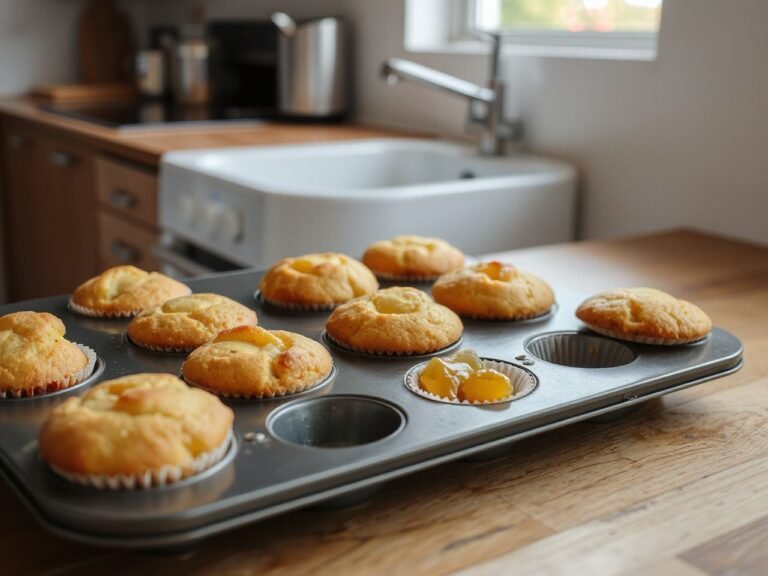
Vinino Mini Silicone Loaf Pans with Metal Reinforced Frame (Single-Serving Fun)

Why it made our list: For portion-controlled banana breads, egg bites, or individual desserts, these mini silicone trays are a low-stakes way to practice baking.
Silicone has a reputation for being non-stick, but that’s only partly true. Food can still cling to the cavities, so a light spritz of oil is wise. The metal reinforced frame around the rim solves silicone’s biggest flaw—the floppy, unstable base. With the frame, you can fill the eight cavities on the counter and lift the tray into the oven without the whole thing folding and spilling batter. The cavities create small loaf-sized portions, which bake much faster than a full loaf.
The trade-off is browning. Silicone insulates rather than conducts, so the sides of mini loaves will stay pale while the top browns. That’s fine for egg bites and quick breads, but it won’t give you a rustic crust. These trays are also not suitable for standard bread dough, which needs a rigid pan for proper rise. Consider them a fun add-on, not a replacement for a real loaf pan.
Pros:
- Metal reinforced frame — keeps the flexible silicone steady while filling and lifting.
- Eight cavities — batch-bake individual portions in one trip to the oven.
- Silicone flexibility — mini loaves pop out easily with a gentle press from underneath.
- Compact size — fits in most ovens and stores easily.
- Temperature resistance — silicone tolerates both oven heat and freezer cold.
Cons:
- Pale sides — silicone does not conduct heat like metal, so browning is limited to the exposed top.
- Not for standard loaves — mini cavities can’t handle a normal bread recipe’s volume or rise.
The Real Story
Ideal for: Bakers who want small, giftable portions or are testing recipes in miniature. Pass on this if: You’re looking for a single pan that bakes a full-size sandwich loaf.
Fox Run Loaf Pan (Linked Mini Loaves)

What stood out: Four connected mini loaf wells in one heavy-gauge carbon steel pan—great for baking small quick breads that all finish at the same time.
The linked design means you lift one pan instead of four separate ones, which is a genuine convenience when your hands are full. Each well is part of an overall 6.5″ x 14.5″ x 2″ pan, so the whole thing fits a standard half-sheet oven rack. The premium non-stick coating should release mini loaves cleanly, and heavy-gauge carbon steel distributes heat far more evenly than thin aluminum. The result is four uniform loaves that brown consistently across their tops and sides.
The main limitation is size. These are mini loaves, not a standard 9″x5″ bread pan. If you’re learning to bake a classic sandwich loaf, this pan won’t get you there. Cleaning between the connected wells also takes a little more patience than wiping a single large cavity. Use a soft sponge and warm water to avoid scratching the non-stick surface.
Pros:
- Four linked wells — one pan handles four mini loaves at once, saving oven space.
- Heavy-gauge carbon steel — resists warping and provides even heat distribution.
- Non-stick coating — clean release for cakes, quick breads, and mini meatloaves.
- Compact footprint — fits a standard oven rack without monopolizing space.
- One-piece design — no loose parts to misplace or warp independently.
Cons:
- Mini only — not suitable for standard loaf recipes that require a 9″x5″ pan.
- Connected wells — crumbs and batter can collect in the narrow gaps between loaves, making cleanup fiddly.
Who Should Buy This
Great match for: Gift bakers and small households that prefer mini loaves over a single large one. Think twice if: You want one pan for full-size bread and don’t plan to make minis often.
Bake Choice Mini Loaf Pan (8-Cavity Batch Baking)

In a nutshell: An 8-cavity, one-piece carbon steel pan with a non-stick coating and wide handles—built for making lots of mini loaves without fuss.
The heavy-gauge, commercial-grade carbon steel is the headline. It’s thicker than the steel in typical discount bakeware, which means the pan resists warping and spreads heat evenly across all eight cavities. The advanced non-stick coating should release mini loaves without a fight, and the one-piece design eliminates the weak points found in pans with bolted or welded handles. Extra-wide handles are a thoughtful touch: they give you a secure grip even with bulky oven mitts.
This pan doubles the capacity of the Fox Run above, so if you’re baking for a bake sale or holiday gifts, it’s the more efficient pick. The trade-off is the same as any mini pan: you can’t bake a standard loaf in it. The eight cavities are also closer together, so quick breads with a lot of rise may touch or merge at the tops if overfilled. Fill each cavity no more than two-thirds full and you’ll get eight clean, separate mini loaves.
Pros:
- Heavy-gauge carbon steel — commercial-grade thickness resists warping and hot spots.
- Advanced non-stick coating — clean release without excessive greasing.
- Eight-cavity design — batch-bake more mini loaves per oven cycle than four-cavity alternatives.
- One-piece construction — no joints or rivets to loosen or trap food.
- Extra-wide handles — safer grip when moving the pan in and out of a hot oven.
Cons:
- Mini loaves only — cannot replace a 9″x5″ pan for standard bread.
- Close cavity spacing — overfilled batter can rise and merge between adjacent wells, ruining individual shapes.
Final Thoughts
Best for: High-volume mini loaf baking for gifts, parties, or meal prep. Skip if: You’re still learning basic bread and need a full-size pan first.
How to Choose a Loaf Pan That Won’t Sabotage Your First Bake
Before you spend a dollar, understand that the pan’s material and coating decide whether your bread releases cleanly or tears in half. Here’s what to weigh.
Material: Metal, Glass, or Silicone?
Carbon steel and cast iron are the two best materials for even browning. The Novery and Fox Run pans use carbon steel, while the Articasting uses enameled cast iron. Both heat evenly and hold temperature well. Glass, like the Razab pans, is slower to heat and can create a thick, pale crust on the bottom if you don’t lower the oven temperature. Silicone, as in the Vinino trays, is best for small portions where a pale crust is acceptable. For a first loaf, stick with metal.
The Best Bread Pans for Beginners Put Non-Stick First
Release reliability is the single biggest factor in beginner success. A non-stick coating—when cared for properly—means you can skip the parchment paper and still get a clean loaf. The Novery and Bake Choice pans both promise non-stick surfaces, and that’s why they make sense as starter picks. Always use silicone, wood, or nylon utensils on non-stick pans; metal will scratch the coating, and once that happens the pan loses its best feature. Check that any coating is food-contact safe, which in the US falls under FDA regulations for food contact materials.
Size: What Does 9×5 Actually Mean?
A standard loaf pan is 9 inches long by 5 inches wide and holds about 8 cups of batter, or roughly 1.9 quarts. The Novery pans are 8″x4″, so they hold slightly less—great for smaller recipes but a problem if you’re following a standard bread recipe without scaling down. Overfilling any pan leads to overflowing batter and a dense, underbaked center. If a recipe calls for a 9″x5″ pan and you only have 8″x4″, reduce the batch by about 20%, or bake the extra batter in a muffin tin.
Heat Evenness: The Warped Pan Problem
Cheap pans are thin, and thin pans warp. A warped pan sits unevenly on the oven rack, causing batter to pool at one end and burn at the other. The solution is heavier material—look for heavy-gauge carbon steel or cast iron, both of which resist warping. The Articasting, Fox Run, and Bake Choice pans all advertise heavier construction. If a listing doesn’t mention gauge or weight, assume the pan will warp within a few uses and pass it over.
Our Final Recommendation
If you’re a beginner, buy the Novery 2PCS 8″x4″ Non-Stick Carbon Steel Loaf Bread Baking Pans. They offer the two things that matter most—reliable non-stick release and even carbon steel heat—at a price that won’t make you wince. For a budget pick that doubles as storage, the Razab 2 Pack Glass Loaf Pans with Lids are a solid secondary choice if you accept the browning trade-off. And if you want a premium, long-lasting pan that can act as a mini Dutch oven, the Articasting Cast Iron Loaf Pan with Lid is the upgrade to grow into. All three beat the cheap, thin pans that cause most beginner failures.
Frequently Asked Questions
What size loaf pan should a beginner buy first?
Start with a 9″x5″ pan if you’re following standard recipes, or an 8″x4″ pan if you’re baking for one or two people. The Novery pans reviewed above use the smaller 8″x4″ size, which is easier to fill evenly and less likely to leave a raw center. Check each recipe: overfilling a smaller pan causes overflow and a gummy middle.
How do I keep my bread from sticking to the pan?
Use a non-stick pan like the Novery or Bake Choice, grease it thoroughly with butter or oil, and add a dusting of flour. Avoid metal utensils after baking; use a silicone spatula to loosen the edges. Glass and cast iron require more aggressive greasing because they have no non-stick coating.
Can I use a loaf pan for meatloaf or quick breads?
Absolutely. A loaf pan works for any batter or mixture with enough structure to hold its shape—banana bread, pound cake, meatloaf, even lasagna-style bakes. Just adjust baking time: quick breads and meatloaves often need 45-60 minutes at 350°F, while yeast breads can go 30-40 minutes at higher heat.
Why does my bread burn on the outside but stay raw in the middle?
Almost always, that’s a sign of uneven heat from a thin, warped pan or an oven that runs hot. Glass pans are especially prone to burning the edges while leaving the center doughy. Use a heavy metal pan, lower the oven temperature by 25°F, and rotate the pan halfway through baking. A quick-read thermometer inserted into the center should read around 200°F for fully baked bread.