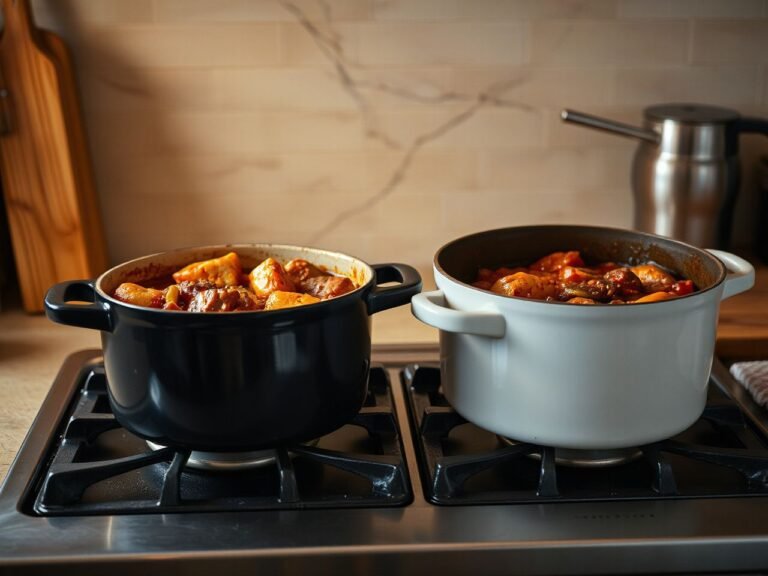
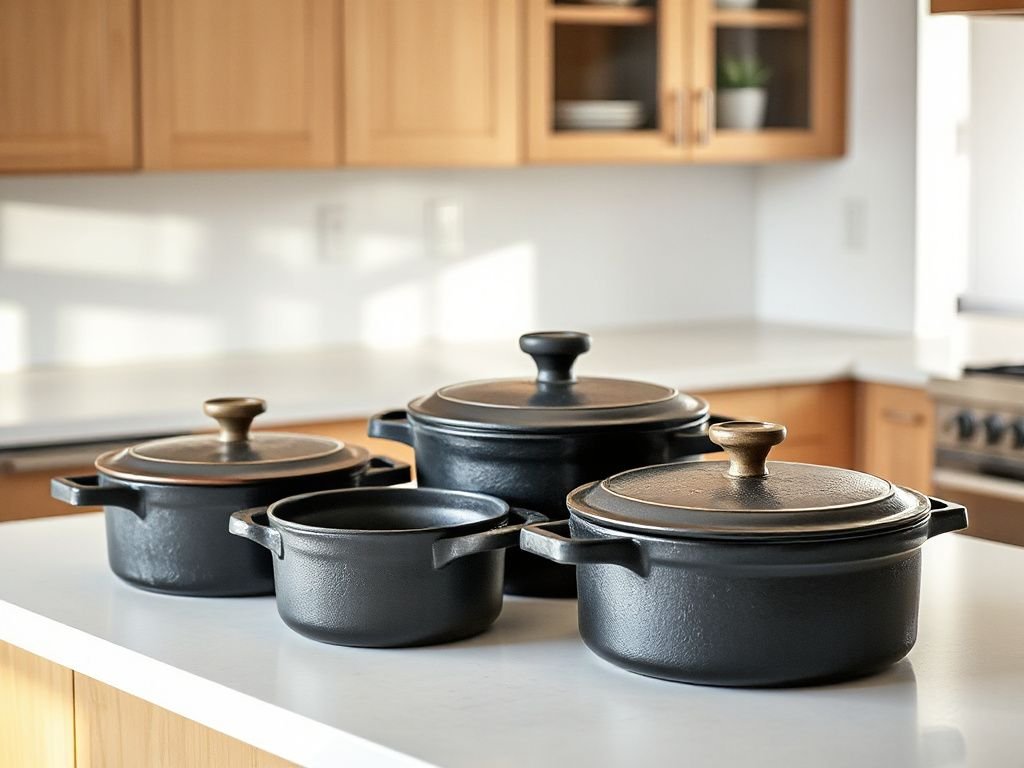
Buying the biggest Dutch oven you can afford is a mistake most first-time buyers make, and it ruins more dinners than it saves. The number on the box — 5 quarts, 7 quarts, 9 quarts — tells you almost nothing about how the pot will actually cook. Dutch oven sizes explained properly starts with accepting that a bigger number doesn’t mean better cooking; it means a heavier pot with different heat behavior and a larger footprint. A wide, shallow 5-quart pot gives you far more browning surface than a tall, narrow 7-quart, and that single difference changes how stews reduce, how bread springs, and how evenly a roast sears.
Key Takeaways
- Geometry beats quarts. Two pots with the same capacity can have completely different diameters and depths, which changes evaporation, browning, and moisture retention.
- 5.5 to 6 quarts is the practical sweet spot for a family of four, balancing surface area, weight, and oven fit.
- Check the diameter before the volume. A pot wider than 10 inches may not sit flush on a standard burner or fit in a compact oven.
- For bread, smaller is often better. A too-large Dutch oven lets dough spread flat and kills oven spring; a snug fit traps steam where you need it.
Dutch Oven Sizes Explained: Geometry First, Quarts Second
Most size guides start by listing quart capacities and what each one can hold. That’s backwards. The physics of a Dutch oven is driven by two measurements that appear nowhere on the box: interior diameter and pot depth. Capacity is just the product of those two dimensions roughly, but the ratio between them determines how the pot behaves.
Take a 5.5-quart round Dutch oven from one brand and a 5.5-quart from another. One might have a 10-inch diameter and a 3.5-inch depth, while the other spans 9 inches and stands 4.5 inches deep. The wider pot exposes more liquid surface to the air, which speeds evaporation and concentrates flavors faster — great for reducing a tomato sauce, but a disaster for an all-day braise that you want to stay moist. The narrower, deeper pot holds steam close to the food, keeps a lid on moisture loss, and suits low-and-slow cooking, but you’ll have to sear meat in two or three batches because the bottom is smaller.
From a heat-distribution standpoint, diameter also dictates how evenly the pot sits on a burner. A pot that overhangs a gas grate by an inch loses heat around the rim and creates a hot spot in the center. Electric and induction cooktops are even less forgiving. Le Creuset’s product specifications list both diameter and height for every size, and comparing them across models reveals more about performance than any quart rating ever will.
Interior Diameter: Your Browning Real Estate
The bottom of a Dutch oven is where Maillard reactions happen. A wider interior diameter gives you more square inches to sear meat in a single layer, which means more browning and less steaming. A 10-inch pot can comfortably brown 3 pounds of chuck roast in one go, while a 9-inch pot will crowd the same amount of meat and force you to work in batches. Crowded meat releases moisture and drops the pan temperature below the browning point, leaving you with gray, boiled beef instead of a dark crust.
Depth and Wall Height: Steam Control
Pot depth controls how much steam stays trapped under the lid. A shallow pot with a wide surface area loses moisture quickly even with the lid on, because there’s more liquid surface and less vertical space for condensation to fall back. A deep pot with the same volume has a smaller liquid surface, so evaporation is slower and the food stays moister over long cooks. This is why a 7-quart braiser and a 7-quart Dutch oven behave so differently despite identical capacity numbers. The braiser is shallow and wide, built for reducing; the Dutch oven is tall and narrow, built for retaining.
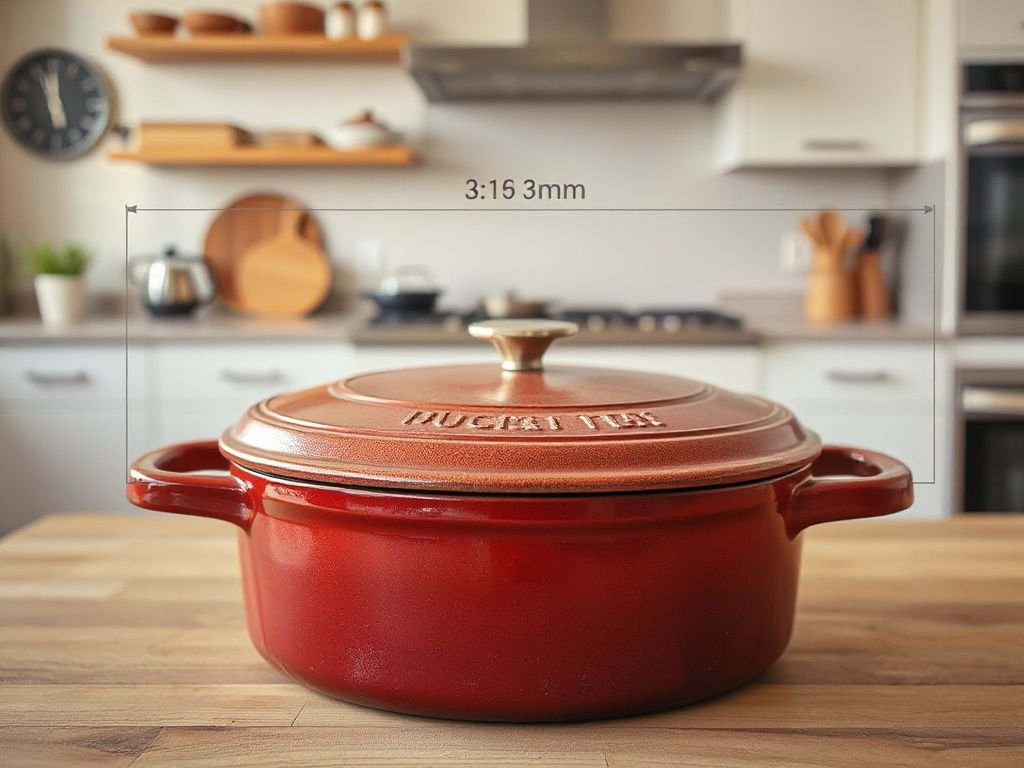
Standard Dutch Oven Sizes and What Each One Is Best For
Each size range serves a distinct role. Choosing the wrong one means fighting the pot instead of cooking with it. Lodge’s product pages make it easy to compare diameter and depth across their lineup, and the same numbers apply to enameled brands like Le Creuset and Staub.
2 to 3 Quarts: The Single Serving
These are saucepans in disguise. A 2.5-quart round Dutch oven usually has a 7 to 8-inch diameter and sits low. It’s ideal for one or two people, side dishes, or reheating. The small interior means liquids reduce fast, so keep the heat low and the lid on for anything longer than twenty minutes. Barely any browning surface, so searing a steak in one piece is out of the question.
4 to 5 Quarts: The Everyday Pot for Two or Three
A 4.5-quart round is the classic starter Dutch oven. Typical diameter runs 9 to 9.5 inches, which fits every standard burner and most toaster ovens. Good for soups for four, a small pot roast, or a single loaf of bread. The weight when full is manageable — around 12 to 15 pounds — so it’s easy to lift in and out of the oven one-handed. If you live alone but cook to have leftovers, this is the size to get.
5.5 to 6 Quarts: The Family Workhorse
Most brands put their best seller in this range, and for good reason. Interior diameter usually lands between 10 and 10.5 inches, which is the maximum that still sits flat on a typical 9-inch electric coil. Capacity handles a 4 to 5-pound chuck roast with vegetables for a family of four, a double batch of chili, or a 1.5-pound bread dough with room to rise. The extra depth compared to a 5-quart gives more liquid headroom for long braises without excessive evaporation.
7 to 8 Quarts: The Weekend Pot
This is where weight and footprint start to bite. A 7.25-quart round Dutch oven can measure 11 inches across and weigh over 15 pounds empty. Add a gallon of stew and you’re lifting 25 pounds out of a hot oven. It’s great for stocks, large batches of soup, or a whole chicken with sides for six or more. But check your oven interior: many compact wall ovens max out at a 13-inch usable width, leaving no air gap around an 11-inch pot.
9 Quarts and Up: The Exception, Not the Rule
Unless you regularly cook for eight to ten people or make huge batches of stock, a 9-quart Dutch oven is dead weight. It needs a commercial-sized burner or a very large gas grate to heat evenly, and the long preheat time means more energy wasted. Oven-safe temperature ratings also become tricky because the mass holds heat so long that recipes need adjustment.
Matching Dutch Oven Size to How You Actually Cook
Family Size Is a Starting Point, Not a Rule
A family of four does fine with 5.5 to 6 quarts for most meals. But if you cook big batches to freeze or host weekly dinners, a 7-quart gives you headroom. Singles and couples should stick to 4.5 quarts or less; a 7-quart pot takes forever to preheat and produces more leftovers than storage space.
Recipe Volumes: Reading Between the Lines
Most recipes assume a 5.5 to 6-quart Dutch oven when they say a large Dutch oven. If a recipe calls for browning 3 pounds of meat before adding liquid, a 4-quart will crowd the meat and steam it instead of searing. Conversely, using a 7-quart for a recipe written for 5.5 means liquids evaporate faster because the wider surface area is exposed, so you may need to add a quarter cup of stock halfway through.
Bread Baking: The Size Tightrope
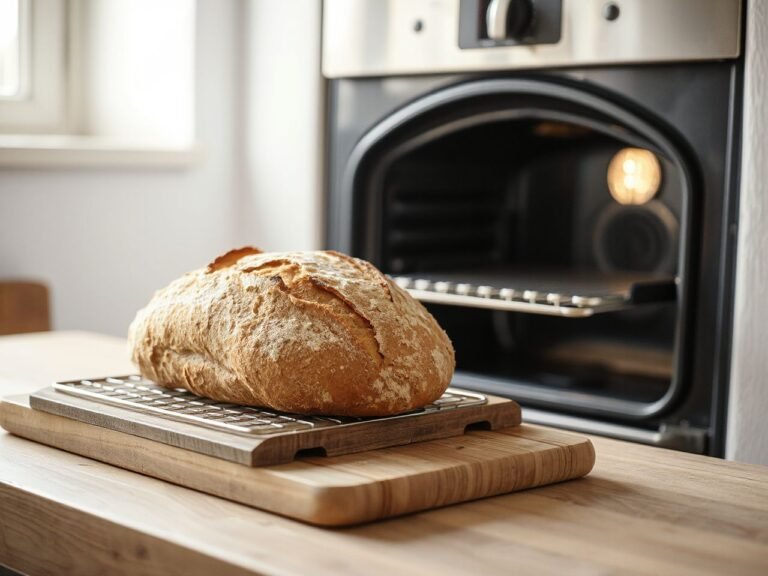
For a standard 1-pound boule, a 4.5 to 5-quart round Dutch oven is ideal. A larger pot lets the dough spread out before the crust sets, losing oven spring and producing a flatter loaf. A smaller pot compresses the dough against the walls and creates an uneven shape. The pot’s diameter should be about 1.5 times the diameter of the proofed dough. If you’re baking something sweeter than a boule, our brownie mix cookies recipe is a quick fix that doesn’t require a Dutch oven at all.
Common Size Mistakes and How to Avoid Them
Mistake 1: Buying the Biggest Pot Just in Case
A 9-quart Dutch oven seems versatile until you try to heat it on a standard 8-inch burner. The outer 2 inches stay cold, and every recipe needs adjustment for evaporation. Unless you have a commercial kitchen, resist the urge to size up. The pot will sit unused because it’s too heavy and too slow.
Mistake 2: Ignoring Diameter in Favor of Capacity
Two pots labeled 6 quarts can have a full inch difference in diameter. Before you buy, check the spec sheet for interior diameter and compare it to your burners. A 10.5-inch pot on a 9-inch coil means the outer ring never gets hot, so stews cook unevenly and rice scorches at the edges.
Mistake 3: Forgetting the Weight of a Full Pot
A 7-quart enameled cast iron Dutch oven weighs 15 pounds empty. Add 4 quarts of liquid and 4 pounds of meat, and you’re moving over 25 pounds from stovetop to oven. That’s a two-hand lift for most people, and a real burn risk if you’re not prepared. Smaller pots under 6 quarts stay under 20 pounds when full, which is much easier to manage.
Mistake 4: Assuming All Brands Measure the Same Way
Some brands round capacity up based on brim-full volume, while others use usable volume below the rim. Always check the interior dimensions listed in the spec sheet, not just the quart label. A true 5.5-quart from Lodge might be closer to 6 quarts brim-full from a different manufacturer, and that inconsistency affects how recipes turn out.
Oval Dutch Ovens: The Shape Trade-off
Oval pots are great for long roasts — a whole leg of lamb or a rack of ribs fits without cutting. But that elongated shape sits awkwardly on a round burner, creating dead zones at each end. Oval Dutch ovens also don’t fit as neatly in a standard oven with two racks because the long axis can hit the door or back wall. If you only need oval occasionally, consider a covered roaster instead of a Dutch oven.
Frequently Asked Questions
What size Dutch oven should I buy for a family of four?
When dutch oven sizes are explained by actual cooking results, a 5.5 to 6-quart round pot is the sweet spot for a family of four. It holds enough for a 4-5 pound roast with vegetables, a double batch of soup, or a large loaf of bread, and its typical 10-inch diameter fits standard burners and ovens without overhang.
How do I know what size Dutch oven a recipe calls for?
Look for volume cues in the ingredient list: a recipe that starts with browning 2-3 pounds of meat usually needs at least 5.5 quarts. If the recipe says large Dutch oven or Dutch oven with a lid that fits tightly, assume 5.5 to 6 quarts. For stews that simmer for hours, a narrower, deeper pot holds moisture better than a wide one with the same capacity.
Can I use a bigger or smaller Dutch oven than a recipe specifies?
Yes, but adjust expectations. A smaller pot crowds the ingredients and steams food instead of browning it; a larger pot exposes more surface area and causes liquids to evaporate faster. Compensate by searing in batches in a small pot or adding extra liquid and reducing the heat with a large one. If you’d rather bake cookies than stew, our brownie cookie dough sandwich cookies recipe is a fun alternative that needs no Dutch oven.
Is a larger Dutch oven always better for baking bread?
No. A pot that’s too large lets the dough spread before the crust sets, producing a flatter loaf with less oven spring. A pot that’s too small deforms the dough. Match the pot’s interior diameter to about 1.5 times the proofed dough’s diameter; for a typical 1-pound boule, that’s a 4.5 to 5-quart round.