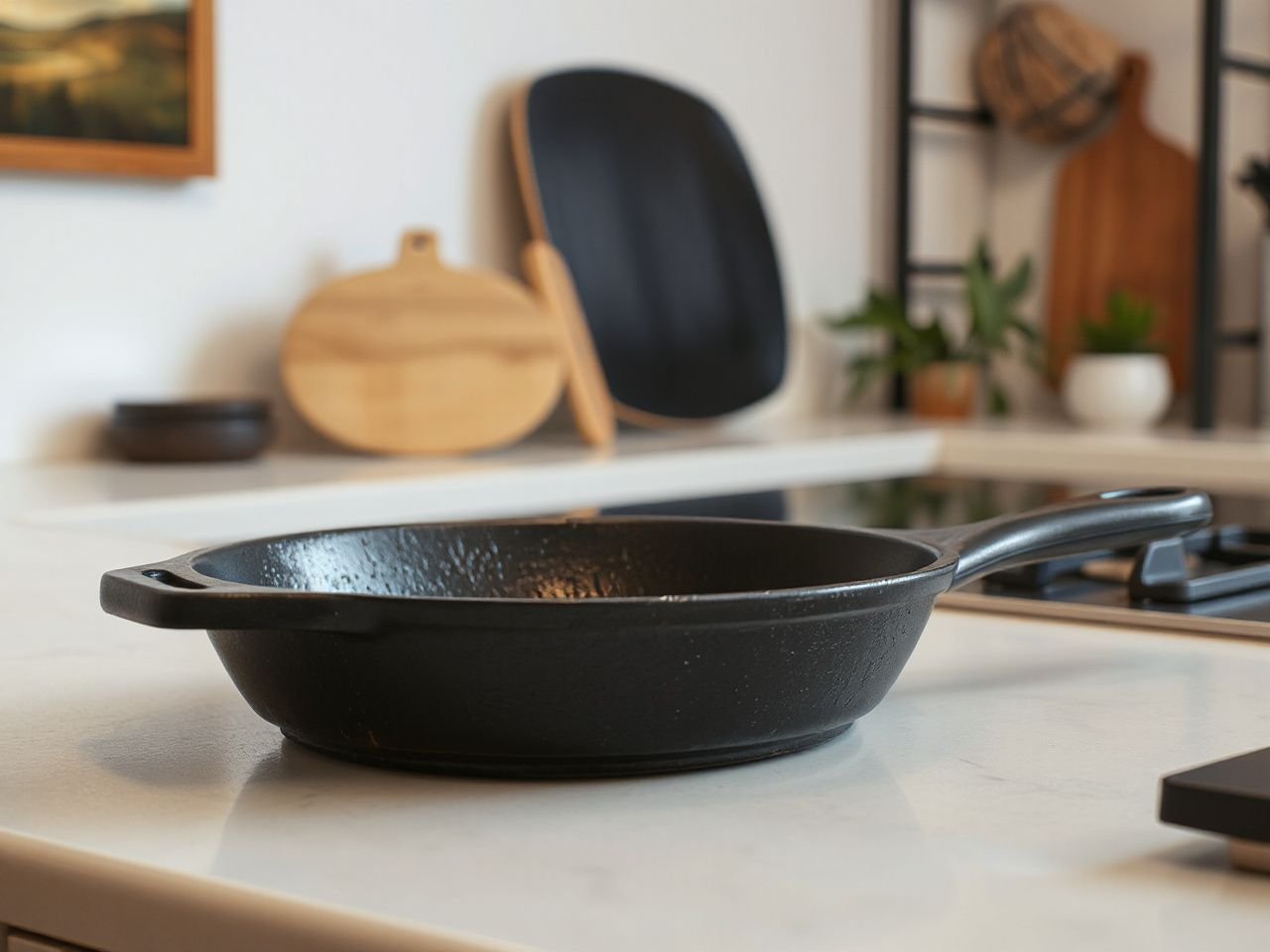
Can a skillet look oily but be badly seasoned? The key difference is between coating the skillet with oil and building a thin polymerized layer. Visible wetness usually signals excess oil, while a properly prepared surface looks nearly dry before heating. A good guide should distinguish routine maintenance from restoration because light seasoning upkeep is different from removing rust, sticky buildup, or flaking layers. How to season a cast iron skillet, how to choose and apply oil, and how to judge the surface before heat exposes a mistake.
Cast iron also needs a heat check before you start seasoning. It holds heat well, but its distribution isn’t very even. It conducts heat less effectively than aluminum or copper. A burner setting that warms only one area can create hot spots. So, good seasoning work depends on attentive heating and sensible pan movement.
Key Takeaways
- Seasoning is a bonded, polymerized oil layer built from very thin applications and regular use.
- A clean, completely dry skillet should look almost dry after oil is wiped across its surface.
- Rust, sticky buildup, and flaking layers need restoration before routine seasoning can work properly.
What seasoning a cast iron skillet actually means
Seasoning is polymerized oil, not a puddle of fat
Seasoning happens when a thin layer of cooking oil is heated and bonds into a polymerized coating. This finish helps cast iron resist rust immediately and provides a more stable surface than just liquid oil. It’s not a permanent factory coating, and it doesn’t appear in one thick layer.
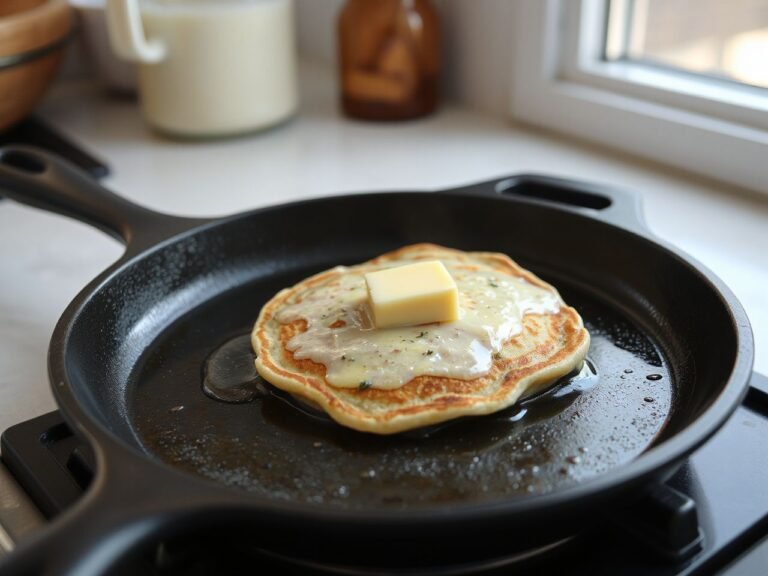
Seasoning develops through repeated thin applications and use. Vegetable oil, canola oil, and flaxseed oil can all be used as options, but the method matters more than leaving a heavy film behind. The surface should be wiped until the skillet appears nearly dry. A cast iron skillet with visible wet patches has too much oil in those areas.
A properly seasoned skillet has a thin bonded oil layer rather than a visibly wet coating. Keep that in mind as a useful test during the process. If the pan feels sticky after heating, the oil layer was probably too thick, the heat wasn’t right, or the surface needs restoring.
Why heat distribution matters before seasoning
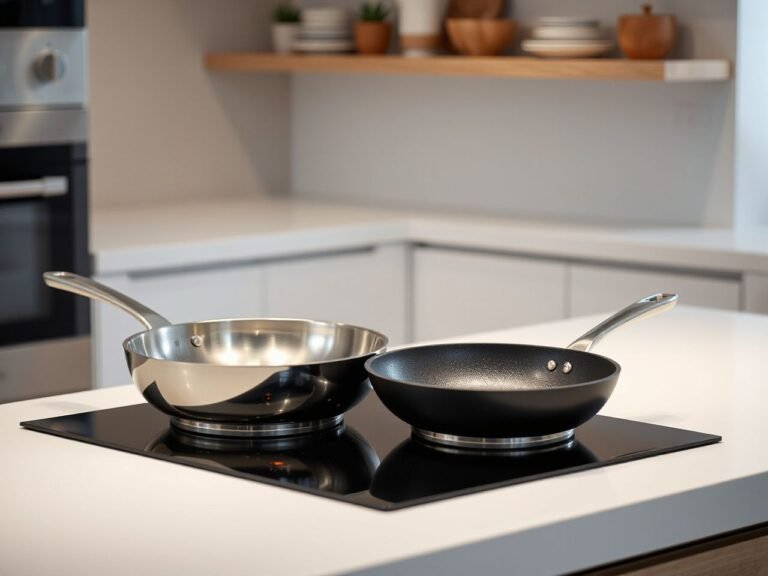
Cast iron has substantial heat capacity, yet it distributes heat less evenly than materials such as aluminum and copper. A skillet can therefore develop warmer regions near the burner while other areas remain cooler. Those differences can make oil polymerize unevenly and may leave a patchy appearance.
Preheating the cast iron skillet gradually helps you see how heat spreads across the surface. On a stovetop, focus on moving attention around the cooking area, not just the center. In an oven, the whole skillet is surrounded by heat, but careful handling and ventilation still matter.
For a broader explanation of heat retention, hot spots, and cooking behavior, see why cast iron skillets hold heat and where their heat distribution needs attention.
How to season a cast iron skillet step by step
Step 1: Identify the starting condition
First, decide whether the skillet needs routine seasoning or restoration. A clean pan with an intact, slightly uneven-looking dark surface can usually receive a thin maintenance layer. Rust, heavy sticky residue, or seasoning that flakes away indicates a larger preparation job.
- Routine maintenance: The surface is intact, clean, and free from loose flakes.
- Initial preparation: A new skillet may have a factory coating that should be removed according to the care instructions; hot soapy water is used for the initial wash of coatings such as wax or shellac.
- Restoration: Rust, accumulated buildup, or severely flaking layers require removal before reseasoning.
A new or rusty skillet should not receive oil before it is properly cleaned. Oil can cover residue and make the surface harder to judge. The same problem occurs when loose seasoning remains underneath a fresh layer.
Step 2: Wash the skillet
Wash the skillet with hot water and soap when the starting condition calls for it. A new cast iron skillet may need an initial wash to remove a factory coating such as wax or shellac. A skillet being restored needs a more thorough approach because rust and old buildup must be cleared rather than sealed beneath fresh oil.
Routine cleaning after cooking can include soap; soap does not automatically remove a properly bonded seasoning layer. The important distinction is between cleaning a sound surface and aggressively stripping a damaged or accumulated surface. Scrub away food residue, rinse thoroughly, and inspect the metal before moving on.
Residual moisture encourages rust on bare cast iron. Dry the skillet completely before applying oil, including around the rim, handle junction, and any recessed areas where water may remain unseen.
Step 3: Dry the skillet completely
Use a clean towel to remove surface water, then give the pan gentle heat if needed to drive away remaining moisture. A paper towel can help you inspect the surface after drying. If the towel picks up rusty color, dark residue, or loose flakes, stop and reassess the cleaning stage.
The skillet must be clean and completely dry before oil is applied. Moisture beneath an oil layer can encourage rust, and a wet surface makes it difficult to spread oil evenly. Don’t treat drying as a minor pause between washing and seasoning; it’s part of the preparation.
Step 4: Apply a very thin film of oil
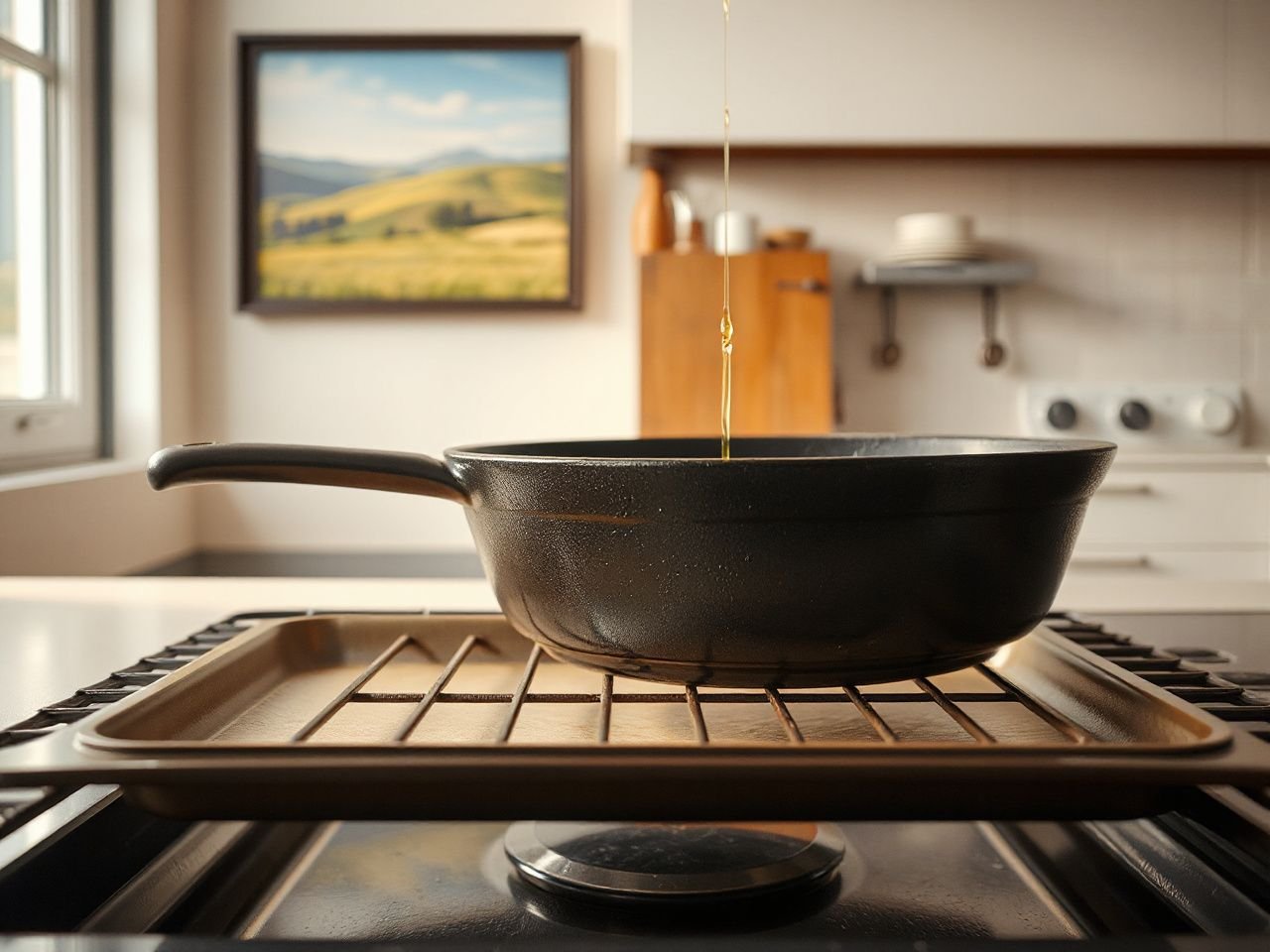
Place a small amount of vegetable oil, canola oil, or another suitable cooking oil on the skillet. Spread it over the cooking surface, sides, rim, and handle if those areas are bare cast iron. Use a paper towel to distribute the oil and remove excess that the metal doesn’t need.
Now wipe again. Then wipe again with a clean part of the paper towel. The pan should look almost dry, not glossy with wet oil. Any pooled oil near the rim, corners, or handle connection can create an uneven finish.
Step 5: Choose oven or stovetop heat
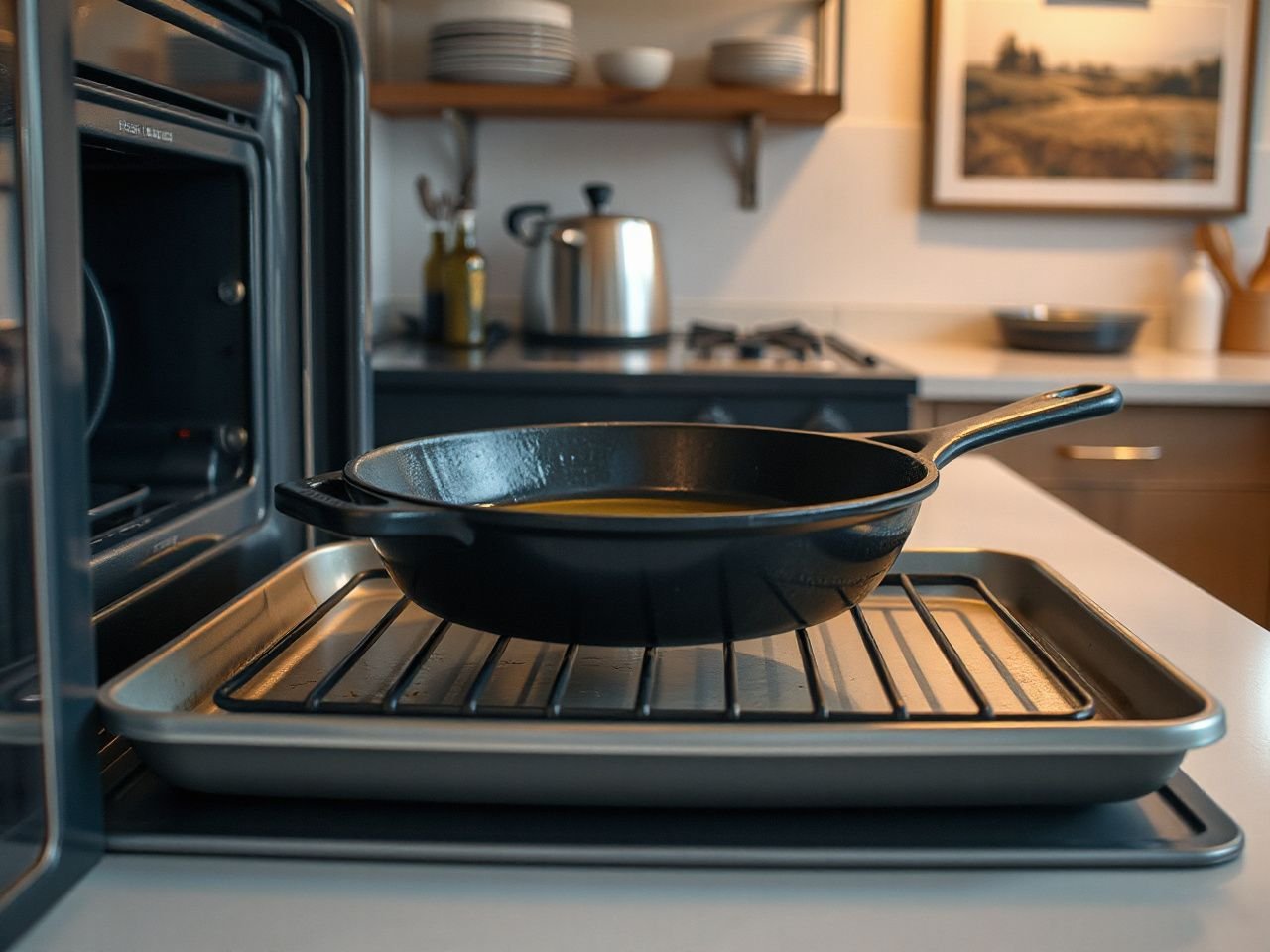
Oven seasoning gives the skillet surrounding heat, which can help the oil layer develop across the whole pan. Place the oiled skillet on a baking sheet to protect the surface beneath it from drips. Ventilate the area, use protection when handling hot cookware, and follow the heat setting specified by the skillet’s care instructions.
Stovetop seasoning can work for a focused maintenance layer, especially when only part of the pan needs attention. It requires closer monitoring because the burner may heat one zone more strongly than another. Carefully rotate or reposition the skillet when appropriate, and avoid touching hot metal without proper protection.
Oven seasoning requires ventilation and careful handling of hot cookware. The Consumer Product Safety Commission provides general consumer safety information at cpsc.gov, while the Food and Drug Administration publishes food-safety information at fda.gov; consult those agencies for broader household and food-safety guidance rather than treating seasoning advice as a substitute for their instructions.
Step 6: Inspect the cooled surface
Let the skillet cool enough to handle safely, then inspect it under normal light. A good result looks dry, bonded, and even enough for the condition of the pan. It might not look perfectly uniform, especially when an older skillet has layers from different periods of use.
Sticky spots usually mean excess oil or incomplete polymerization. Pale patches can show uneven coverage, while raised flakes suggest a weak layer underneath or too much buildup. Don’t fix every visible mark by adding more oil. First, check if the existing surface is sound.
Choosing oil and avoiding excess
Vegetable oil, canola oil, and flaxseed oil
Vegetable oil and canola oil are practical choices for routine seasoning because they are common cooking oils and spread easily when used sparingly. Flaxseed oil is also discussed for seasoning, but no oil can fix a thick application or a pan that wasn’t cleaned and dried properly.
The oil should form a continuous, nearly invisible film on the metal. The goal isn’t to saturate the surface. Polymerization needs a thin layer that heats evenly, not a deep pool that stays soft or sticky.
For more on oil choices and how to use them, see the complete guide to choosing oil for cast iron seasoning. The basic rule remains the same: spread a little, then remove nearly all visible excess.
How to tell whether too much oil was applied
Several visible clues point to excess oil:
- The skillet remains glossy after wiping.
- Oil gathers around the rim, corners, or handle.
- The cooled surface feels tacky rather than dry.
- Dark, uneven patches appear after heating.
- A paper towel picks up wet oil instead of only a light trace of residue.
When these signs show up before heating, wipe the skillet again. If the surface is sticky after heating, remove the loose or gummy material during cleaning. Applying a thinner layer next time helps prevent buildup. Adding another coat over tackiness usually makes the problem worse.
Routine maintenance, restoration, and cooking habits
Routine maintenance after washing
After everyday cooking, remove food residue and wash the skillet as needed. Rinse it thoroughly and dry it completely. A light coat of oil can keep the surface in good shape after drying, but don’t leave it visibly greasy. Store the cookware dry and somewhere moisture won’t sit against the metal.
Cooking itself helps with seasoning because repeated use exposes the surface to oil and heat. Still, routine cooking doesn’t mean you should heavily oil it after every wash. A thin maintenance layer is enough if the existing coating stays intact.
Soap can be used to wash a sound cast iron seasoning layer. The key is drying it completely afterward, then applying a nearly invisible oil film only when the surface needs it.
Preventing sticking without damaging the surface
Food can stick when the pan isn’t well seasoned, when oil isn’t applied evenly, or when the skillet heats unevenly. Since cast iron can develop hot spots, preheating and proper burner coverage matter. Use enough oil for cooking and avoid scraping aggressively on a surface that’s still establishing its coating.
Acidic foods need special attention because cooking with acids for too long can weaken the seasoning. If the surface looks dull, patchy, or rough after a dish, clean and dry it. Then see if a thin maintenance coat is needed. One imperfect cooking session doesn’t mean you have to strip the skillet.
How restoration differs from seasoning
Fixing issues starts with removing the problem. Heavy rust might need a vinegar bath or electrolysis, while buildup or old seasoning could require a lye bath or oven cleaner. Follow the instructions carefully; these aren’t the same as routine oiling and shouldn’t be mixed up.
Once rust, flaking layers, or heavy buildup are gone, wash and dry the bare skillet completely before starting the seasoning again. A severely flaking surface can’t be made reliable by just adding another thin coat. The unstable material has to be removed first.
Use the guide to stripping and reseasoning a skillet when the problem has moved beyond ordinary cleaning. Restoration takes more effort than maintenance. The key is to prevent repeatedly adding oil to a surface that needs cleaning first.
How enameled cast iron differs
Enameled cast iron has a vitreous enamel surface instead of exposed bare iron in the coated areas. It shouldn’t be treated like bare cast iron. Routine seasoning oil isn’t a substitute for the care instructions supplied for that enamel surface.
Always check the cookware’s instructions before using abrasive cleaning methods or trying restoration. Bare cast iron can be reseasoned after proper preparation. Damaged enamel is a different surface issue and shouldn’t be handled as though it were loose seasoning.
Common problems and clear fixes
Sticky seasoning
Sticky seasoning usually indicates excess oil or a layer that didn’t develop into a dry, bonded finish. Wipe away what can be removed, clean the surface if needed, and dry thoroughly. Then start over with much less oil. A sticky surface is something to fix, not a sign that the pan needs more oil.
Patchy seasoning
Patchiness can result from uneven oil coverage or uneven heating. Cast iron’s heat distribution isn’t very even, so a burner can affect one area more than another. Repeated thin applications often work better than trying to hide patches with a thick coat.
Flaking seasoning
Flaking means part of the existing layer isn’t firmly attached. Remove loose material and inspect what’s left. If flaking is widespread or mixed with heavy buildup, use a restoration method instead of routine maintenance.
Rust after washing
Rust after washing usually means the skillet wasn’t dried completely or was stored with moisture still inside. Remove the rust, dry the pan fully, and apply a thin layer of oil. Never trap residual water under fresh seasoning.
Does seasoning cost much to maintain?
Routine maintenance generally needs only regular kitchen oil, a paper towel, washing, drying, and paying attention to heat. Restoration may take more time and require specialized cleaning. Replacing cookware is a separate household expense. The simple fact is that preventing rust and sticky buildup reduces the need for major repairs.
Frequently Asked Questions
How often should I season a cast iron skillet after washing it with soap?
A cast iron skillet doesn’t need a full seasoning session after every soapy wash. Wash away food residue, rinse, and dry the pan completely. If the surface looks dry or feels rough, apply a very thin film of cooking oil and heat it according to the care instructions. A sound bonded layer can stay useful through ordinary cleaning.
Should I season a cast iron skillet in the oven or on the stovetop?
Either approach can serve a different purpose. Oven seasoning surrounds the skillet with heat and works well for a full-surface layer. Stovetop seasoning allows focused maintenance but demands closer attention to hot spots. The oven method needs ventilation, a baking sheet beneath the pan, and careful handling of hot cookware. Pick the method that matches the pan’s condition and instructions.
Why does my cast iron seasoning feel sticky, patchy, or flaky?
Sticky seasoning most often reflects excess oil or an incompletely developed layer. Patchiness can result from uneven coverage or the uneven heat distribution of cast iron. Flaking indicates that part of the existing seasoning is not firmly attached. Remove sticky buildup or loose flakes rather than covering them, then clean, dry, and reseason with an almost invisible oil film.
Can I season rusty cast iron without stripping it first?
Light rust should be removed before applying fresh oil because seasoning over rust doesn’t create a clean starting surface. Heavy rust, built-up residue, or severely flaking seasoning require restoration. This might involve a vinegar bath, electrolysis, a lye bath, or oven cleaner used according to instructions. After removing rust, wash, dry, and start with a thin layer of seasoning again.
How does seasoning compare with the coating on enameled cast iron?
Seasoning is a bonded layer of polymerized cooking oil on bare cast iron. Enameled cast iron has an enamel surface and shouldn’t be treated as exposed iron. Don’t apply routine bare-cast-iron restoration methods to enameled cookware without checking the instructions. The surface materials are different, so cleaning and maintenance choices differ too.
For a quick procedural reference, How to Season Cast Iron: A Complete Step-by-Step Guide can sit alongside this troubleshooting guide. The central habit remains the same: start clean, dry completely, wipe the oil until the skillet looks nearly dry, and judge hot spots before blaming the seasoning.