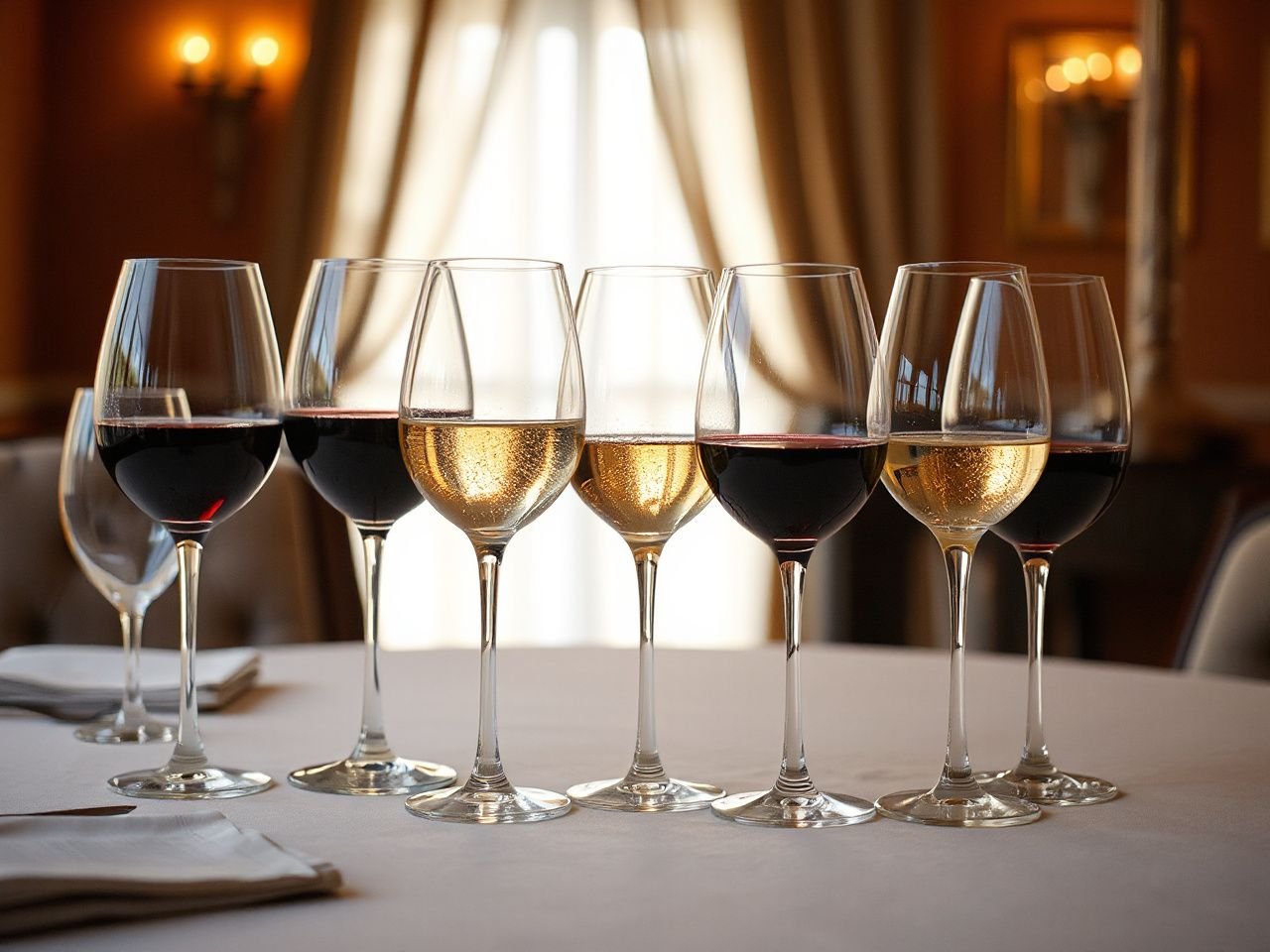
Glass shape matters more than decoration.
An experienced guide separates the sensory purpose of a glass from its visual appearance: bowl shape, opening, and rim affect aroma and sipping, while the stem, foot, and material mainly affect handling, stability, and care. Ownership is part of suitability, since a glass that performs well at the table may be a poor fit if its construction makes washing, storage, or replacement impractical. That distinction belongs at the center of any wine glasses buying guide.
Start with the way the glass will be used, then inspect its construction and care instructions. A beautiful bowl is less useful if the rim chips, the finish clouds after repeated dishwasher cycles, or the shape makes storage awkward.
Key Takeaways
- Choose bowl and rim shape for aroma, sipping, and the wine styles you serve most often.
- Inspect the rim, stem, foot, and material because handling and care affect long-term usefulness.
- Confirm dishwasher guidance and watch for clouding, fading, chips, cracks, and contact damage.
Beginner: Start with the Purpose of the Glass
How shape changes aroma and sipping
The bowl gives wine room to collect aromas, while the opening directs those aromas toward the nose. A tapered rim concentrates the path from the bowl to the drinker, and the shape also influences how wine reaches the palate. These effects can make a wine smell more open or focused and can change the character of a sip.
Glass shape cannot replace the characteristics of the wine itself. Wine variety, age, serving temperature, storage, and preparation still matter, including choices such as wine decanting and the way a person approaches wine tasting.
A wine glass changes how aroma and liquid reach the drinker, but it does not change the wine’s underlying character.
Understanding the four main parts
- Bowl: The bowl provides the main space for the wine and shapes how aromas collect. A larger, broader bowl presents a different sensory experience from a narrower bowl.
- Rim: The rim is the point of contact with the mouth. It should feel smooth and remain free from chips. A chipped rim can affect comfort and create a safety hazard.
- Stem: The stem gives the hand a place to hold the glass without touching the bowl. A long stem is listed as an essential feature for these glasses, but length alone does not determine suitability.
- Foot: The foot supports the glass on the table. A stable foot matters during pouring, sipping, and storage.
Holding the bowl leaves fingerprints and warms the wine. Holding the stem or foot reduces those effects, although a stemless design changes the hand position and gives the drinker less separation from the bowl.
Red, white, and sparkling wine glasses
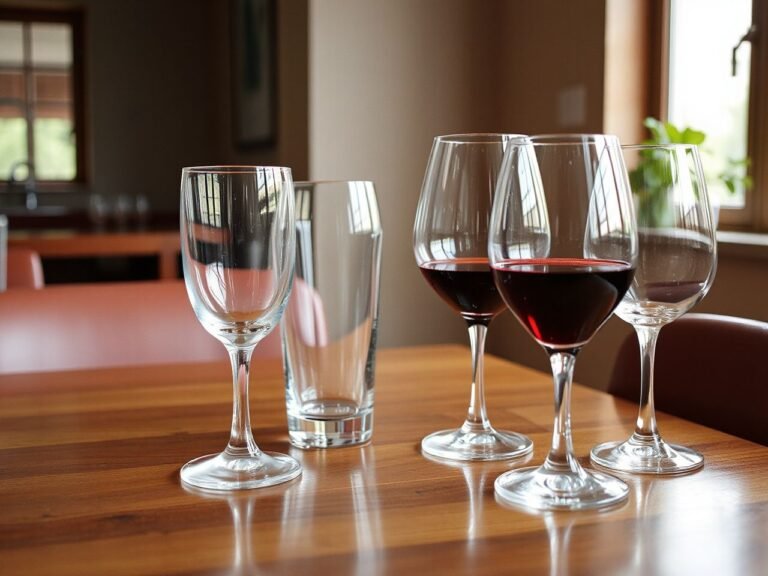
Red wine glasses often use a roomier bowl because red wine is commonly served with more space for aromas to collect. Bordeaux glasses are generally associated with fuller-bodied red wines such as Cabernet Sauvignon and Merlot, while Burgundy glasses are associated with aromatic reds such as Pinot Noir. Syrah and Shiraz may be served in a red-wine bowl that balances aromatic access with practical handling.
White wine glasses commonly use a smaller bowl than large red-wine shapes. Sauvignon Blanc and Riesling glasses may favor a narrower profile, while Chardonnay glasses can use a broader bowl. Rosé glasses may sit between these approaches, depending on the desired aroma and sipping experience.
A red-wine bowl, a white-wine bowl, and a sparkling-wine glass serve different sensory purposes.
Do you need all of them? Usually, no. A versatile universal wine glass can cover many still wines if the bowl, opening, and rim feel suitable. Separate shapes make more sense when sparkling wine, aromatic whites, or particular red-wine styles are central to the table setting.
Why sparkling wine glasses differ
A sparkling wine glass should support aroma while helping the drinker experience the wine’s bubbles and lively texture. A narrower sparkling wine glass can keep the presentation focused, while a wider bowl changes the way aromas gather and gives the wine a different visual and tasting experience.
Shape is only one part of the decision. A sparkling wine glass that is difficult to hold, wash, or store may be a poor everyday choice even if its profile looks elegant.
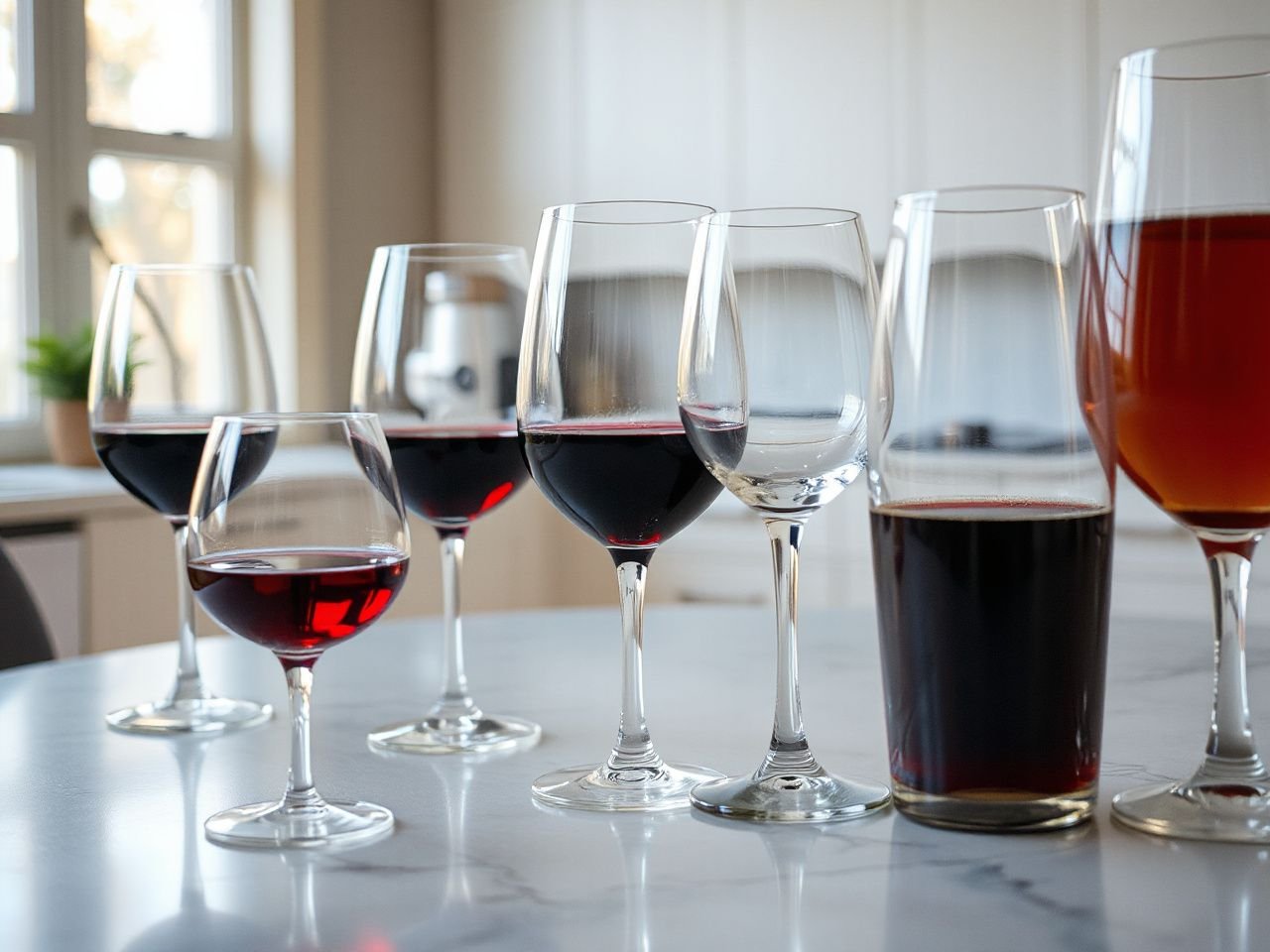
Intermediate: Compare Materials, Construction, and Handling
Soda-lime glass, crystal glass, and lead-free crystal
Ordinary glass is often discussed as soda-lime glass, while crystal glass describes glass made with a composition that can produce different optical and handling qualities. Lead-free crystal is another category that should be read as a material description, not as a guarantee of a particular shape, finish, or level of durability.
Compared with ordinary glass, lead glass has increased weight and a greater index of refraction. Typical lead crystal has a density near 3.1 g/cm3, while high-lead glass can exceed 4.0 g/cm3 and reach as high as 5.9 g/cm3. Ordinary glass has a refractive index of about 1.5; incorporating lead into glass results in a refractive index spanning from 1.7 to 1.8.
Those figures describe material properties rather than a promise that one glass will suit every table. The drinking experience also depends on bowl shape, rim quality, stem construction, foot stability, transparency, and care requirements.
Crystal glass can differ from ordinary glass in weight and optical behavior, but material alone does not determine practical durability.
Thin glasses: lighter feel, greater care burden
Thin crystal can provide a lighter drinking experience. That lightness may make the rim feel less intrusive and may give the glass a refined presence in the hand. The same thin construction can be more vulnerable to chips, cracking, and breakage during washing or storage.
A thin rim deserves close inspection. Run clean fingers around the outside without pressing hard, look across the edge under good light, and reject any glass with a rough spot, visible nick, or uneven area. The rim should be smooth and free from chips before the glass reaches the table.
Thinness is therefore a trade-off, not a quality score. A glass used for formal tasting may justify more careful handling, while a household serving set may need construction that tolerates ordinary washing and storage.
Transparency and finish
Complete transparency is an essential feature for these glasses because it lets the drinker see the wine’s appearance without a colored or cloudy surface interfering with the view. Decoration can be attractive, but decoration should not conceal damage or make the glass harder to inspect.
Finish requires a separate ownership check. Ask whether the finish is known to fade or cloud over months of dishwasher cycles, and inspect the care instructions for limits on washing. Etching, painted details, colored coatings, and other surface treatments may have different care needs from clear, undecorated glass.
Stemmed or stemless?
A stemmed wine glass keeps the hand away from the bowl, which helps reduce fingerprints and limits the warming effect of direct hand contact. The stem also gives the drinker a clear place to hold the glass during swirling and tasting.
A stemless wine glass is a practical alternative when stability, compact storage, or casual use matters more than keeping the hand away from the wine. It is easier to grip around the bowl, so fingerprints and hand warmth become more relevant. The choice is about habits and priorities rather than a universal rule.
A stemmed glass separates the hand from the wine, while a stemless glass prioritizes a different handling pattern.
Check construction before appearance
- Look at the junction between bowl and stem for visible irregularities.
- Set the empty glass on a flat surface and check that the foot sits evenly.
- Inspect the rim from several angles under clear light.
- Hold the stem lightly and check whether the bowl feels balanced rather than top-heavy.
- Read the care label before choosing a finish or delicate construction.
- Consider how replacement will work if one glass breaks and the set is no longer complete.
A long stem, tapered rim, and complete transparency are essential features listed for these glasses, but each feature has to fit the way the glass will be used. A tall stem can improve hand placement while making a cupboard or dishwasher rack less forgiving. A tapered rim can support aroma direction while demanding careful handling.
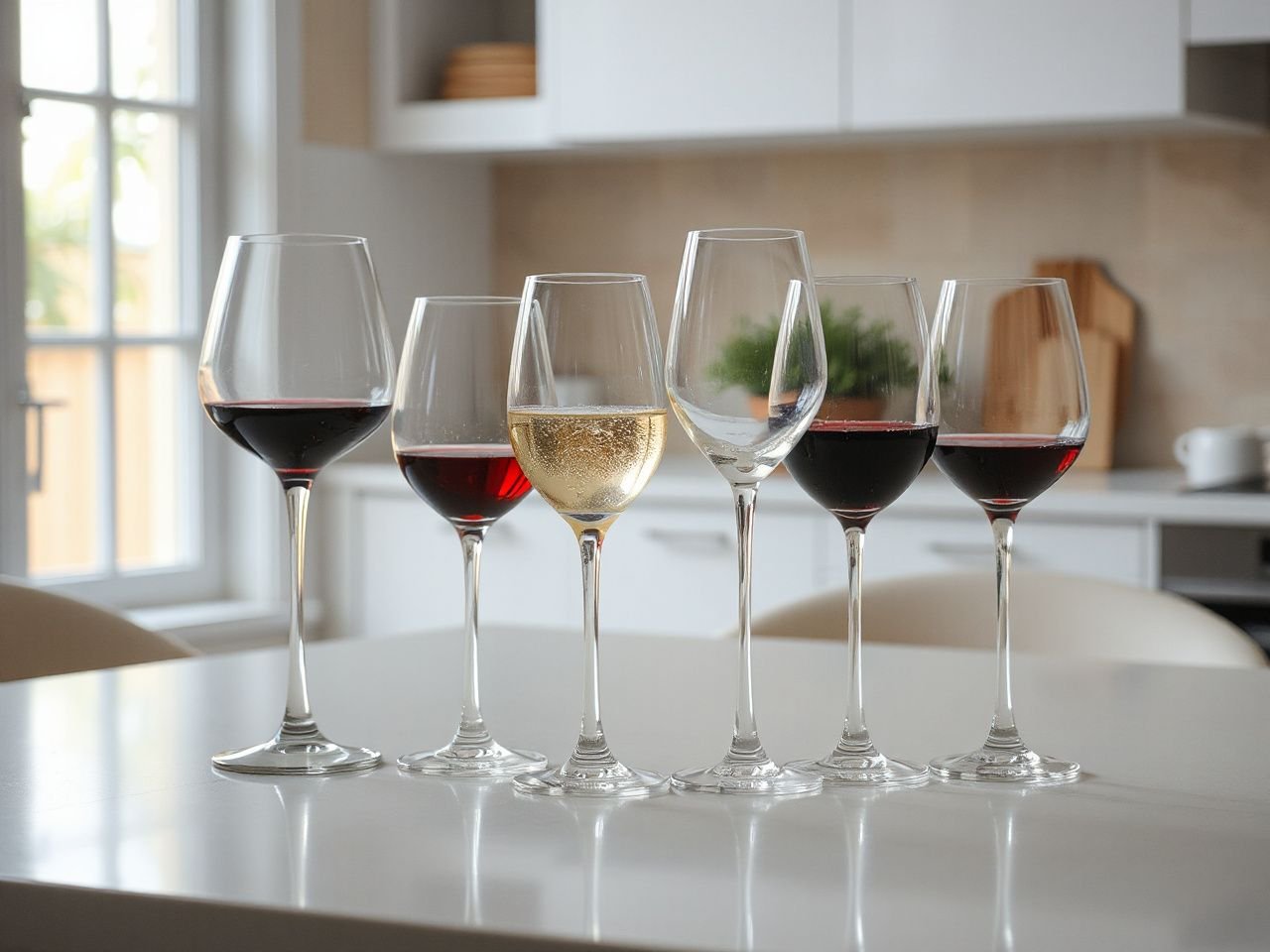
Advanced: Build a Care and Ownership Plan
Can wine glasses go in the dishwasher?
Some wine glasses can go in a dishwasher, but suitability varies by glass composition and construction. Sudden temperature changes, contact with other items, and harsh cycles can cause damage. A delicate rim may chip when it touches another glass, while a thin stem may be exposed to stress if the glass shifts during a cycle.
Dishwasher suitability does not answer every care question. A decorated or treated finish may fade or cloud, and repeated exposure to unsuitable cycles may leave the surface less clear. Check the manufacturer’s care instructions and look for the exact signs that matter: dullness, a cloudy film, fading decoration, chips, hairline cracks, or a loose-feeling connection between parts.
Dishwasher cleaning can damage wine glasses through temperature changes, contact, harsh cycles, or unsuitable finishes.
For general consumer product safety information, the U.S. Consumer Product Safety Commission provides guidance about hazards and safer use. Food-contact questions should be checked against information from the U.S. Food and Drug Administration, especially when a glass has a coating, decoration, or unusual material description.
Safer washing and drying habits
Hand washing gives the user more control over contact and movement, but it does not make a fragile glass impossible to damage. Keep the bowl supported rather than twisting the stem, use a suitable cloth or sponge, and avoid forcing a hand into a narrow opening. Rinse away detergent thoroughly, then dry without gripping the stem against a hard surface.
Dishwasher use should follow the maker’s instructions. Keep glasses from touching one another or nearby utensils, use the stated cycle, and let them cool before moving them if the instructions call for that approach. Do not assume that a glass marked as dishwasher-safe will tolerate every rack position, cycle, detergent, or finish treatment.
- Before washing: Check the rim and bowl for chips or cracks so damaged glass is not handled unnecessarily.
- During hand washing: Support the bowl and stem separately instead of twisting the glass from one point.
- During dishwasher washing: Prevent contact with other items and follow the stated care instructions.
- After washing: Inspect for clouding, fading, roughness, and new cracks before returning the glass to storage.
A clean glass can still be damaged glass. Cloudiness may signal a care or surface problem, while a chip or crack is a direct reason to remove the glass from use.
Why glasses chip, crack, or become cloudy
Chips and cracks commonly begin with contact, pressure, or handling that the construction cannot tolerate. A rim can strike another glass, a stem can be twisted while the bowl is held, or a glass can meet a hard utensil in a crowded washing space. Sudden temperature changes can also cause damage during cleaning.
Clouding has a different appearance from a clean, transparent surface. It may arise from an unsuitable washing process, residue, or a finish that does not tolerate repeated cycles. Because the cause cannot be identified from appearance alone, compare the care instructions with the visible change and stop using a glass that has a rough rim, crack, or uncertain structural damage.
Dishwasher-safe labeling is useful, but it should not be treated as a promise that clouding or finish change is impossible. The question I would ask first is whether the surface remains clear after the cleaning routine the household actually uses.
Storage and replacement
Store wine glasses so rims do not press against hard surfaces and so individual pieces do not knock together during removal. A stemmed glass needs enough space for the foot and bowl to be lifted without catching another glass. Stemless glasses may fit more compactly, but their bowls can still touch one another if packed too closely.
Replacement matters because a delicate set may become inconvenient when one glass breaks. A practical purchase includes an honest plan for keeping, storing, and replacing the glasses rather than focusing only on the initial appearance.
The related Drinking Glasses Buying Guide: What Nobody Tells You can help place wine glasses within a broader drinkware collection, especially when cabinet space and mixed-use storage matter.
Match the glass to the table
For a table serving several wines, start with a versatile still-wine glass and add a sparkling wine glass if bubbles are a regular part of the meal. A household focused on Bordeaux, Burgundy, Sauvignon Blanc, Chardonnay, or dessert and fortified wines may prefer shapes that give those styles a more specific aromatic presentation.
Do not confuse a list of wine styles with a requirement to own a separate glass for each one. The useful question is how often the distinction changes the drinking experience enough to justify another shape, another storage space, and another care routine.
A universal wine glass is practical when one adaptable shape covers the wines and care routine used most often.
Buying Decisions: A Simple Inspection Sequence
Step 1: Define the main use
Write down whether the glasses will serve everyday meals, formal tasting, sparkling wine, mixed drinks at a broad table setting, or occasional entertaining. The answer determines how much weight to give fine rims, large bowls, stemmed handling, and dishwasher compatibility.
If wine serving temperature and storage conditions already receive careful attention, a glass that shows aroma clearly may fit that routine. If washing and storage are the limiting factors, a less delicate construction may be the more suitable choice.
Step 2: Choose the sensory shape
- Select a red-wine bowl when fuller red wines and aromatic presentation are central.
- Use a white-wine shape when a narrower, more contained presentation fits the wines served.
- Choose a Burgundy-style or Bordeaux-style profile according to the red-wine styles that appear most often.
- Use a sparkling wine shape when bubbles and sparkling aroma are a regular part of the meal.
- Choose a universal shape when flexibility matters more than a specialized presentation.
Fill wine glasses no more than halfway. This leaves room for aromas to collect and gives the drinker space to handle the glass without crowding the bowl.
Step 3: Inspect the glass itself
Check transparency, rim smoothness, bowl balance, stem connection, and foot stability. Look for signs that the finish may fade or cloud, and read the care directions before assuming the glass is suited to the dishwasher.
Material labels deserve careful reading. Soda-lime glass, crystal glass, and lead-free crystal communicate different composition categories, but none removes the need to examine construction. Thin crystal may feel light while requiring more protection from chips and breakage.
Step 4: Evaluate the complete cost of ownership
The purchase price is only one part of suitability. Breakage, replacement, washing effort, storage space, finish care, and the likelihood of using the shape regularly all affect the long-term value of the glass.
A glass that performs beautifully during a tasting may be a poor fit for a household that cannot store it safely or cannot protect its finish from repeated dishwasher cycles. Conversely, a simpler universal glass may be more useful because it survives the actual routine and remains easy to reach.
For nearby tableware decisions, the Dinner Plates Buying Guide: What’s Worth Knowing First covers the same broader question: how appearance, handling, storage, and care shape usefulness after purchase.
Frequently Asked Questions
How does the shape of a wine glass affect the way wine smells and tastes?
The bowl gives aromas room to collect, while the opening directs those aromas toward the nose. The rim and bowl also influence how wine reaches the palate, so different shapes can produce a different sensory presentation. Glass shape does not replace the wine’s own characteristics, including its variety, age, serving temperature, and storage.
Do I need different glasses for red, white, and sparkling wine?
No single collection is required for every wine style. Red, white, and sparkling shapes can present aroma and texture differently, but a universal wine glass may cover many still wines. Separate glasses become more useful when sparkling wine or particular red and white styles are served often enough to justify additional storage and care.
Is crystal glass actually different from ordinary glass?
Yes, the material categories can differ in optical and handling properties. Lead glass has increased weight and a greater index of refraction compared with ordinary glass, while lead-free crystal is another composition category. Material alone does not establish durability, so inspect the rim, stem, foot, finish, and care instructions before deciding.
Are thin wine glasses better, or are they simply easier to break?
Thin crystal can provide a lighter drinking experience and may make the rim feel less noticeable. Thin construction can also be more vulnerable to chips, cracks, and breakage during washing or storage. The right choice depends on whether that lighter feel is worth the extra handling, inspection, and replacement demands.
Why do wine glasses chip, crack, or become cloudy?
Contact with other items, sudden temperature changes, harsh cycles, and pressure during washing can damage a glass. Clouding or fading may indicate that a finish or surface is not suited to the cleaning routine. Follow the care instructions, prevent contact in the dishwasher, and remove any glass with a chipped rim or visible crack.