A paring knife can feel excellent on the first cut and become frustrating soon after. A blade that peels neatly may still wander during trimming, lose its bite quickly, or become difficult to control once the edge needs care. A useful paring knife guide separates blade geometry from steel choice: the blade profile and edge control determine how well the knife handles peeling, trimming, and other close work, while the steel mainly affects corrosion care, edge maintenance, and sharpening behavior. Handle security and intended tasks are compatibility questions, not reasons to judge a paring knife by sharpness alone. That distinction is the starting point for this paring knife buying guide.
Key Takeaways
- Choose blade length and profile according to peeling, trimming, and detail work.
- Stainless steel reduces corrosion care, while carbon steel demands prompt drying and more attention around acidic foods.
- A secure handle and suitable cutting board matter as much as initial sharpness.
- Protect the edge by avoiding bones, frozen food, hard surfaces, dishwashers, soaking, and abrasive cleaners.
Beginner: Match the Paring Knife to the Work
Start with the tasks, not the label
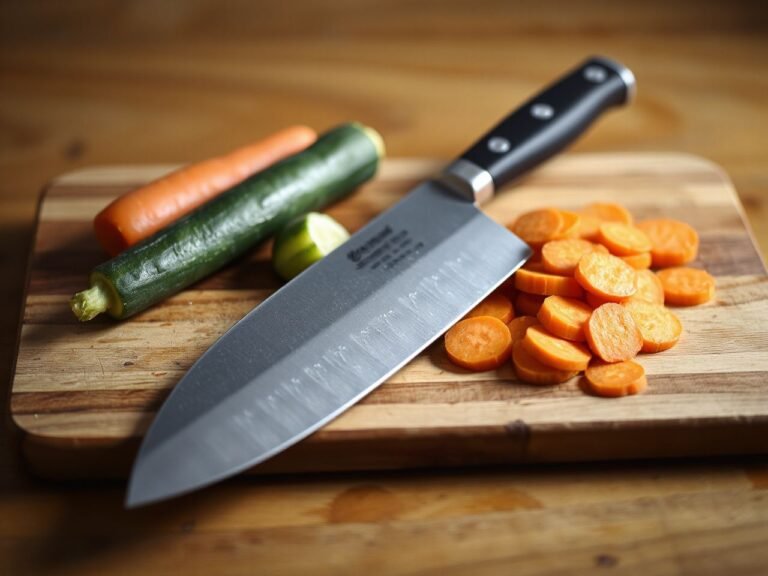
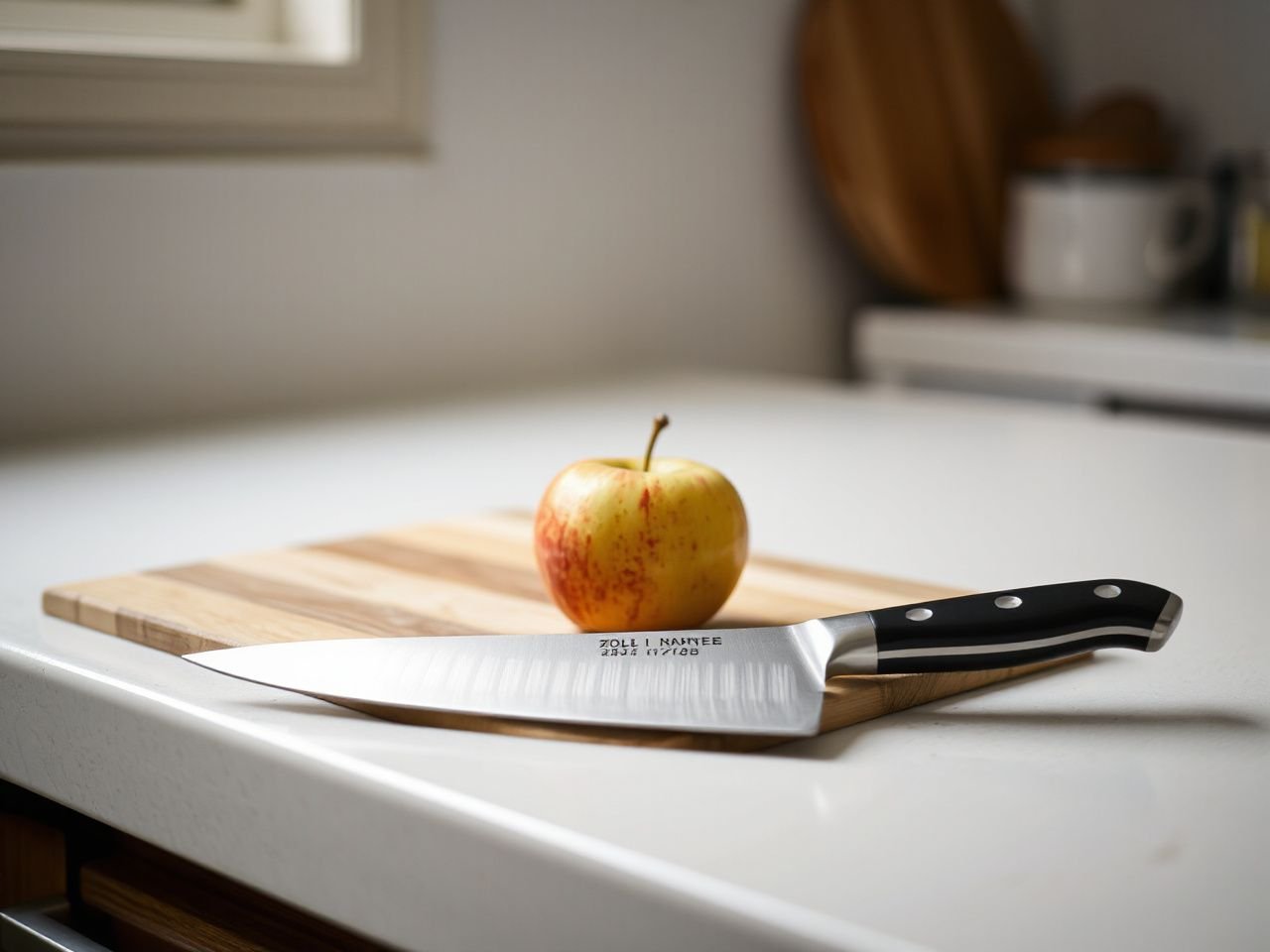
A paring knife is intended for controlled detail work. Peeling fruit, trimming vegetables, removing small blemishes, shaping garnishes, and making short cuts close to the hand all call for a blade that responds to small movements. A chef’s knife can manage many kitchen jobs, but its larger blade may feel needlessly cumbersome for work that depends on fingertip control.
Write down the tasks you actually perform before considering steel or handle material. A person who peels apples and trims mushrooms needs a different balance of blade shape and grip security from someone who makes fine decorative cuts. The knife should suit the movement your hand already makes rather than force that movement into a style that feels awkward.
- Peeling: A compact blade with a predictable tip can follow curved surfaces without requiring broad arm movement.
- Trimming: A stable edge helps remove small sections without repeatedly digging into the food.
- Detail work: A controlled point is useful for shallow incisions, removing eyes, and shaping small pieces.
- Hand-held work: A secure handle matters because the fingers and thumb may be close to the blade.
A paring knife is designed for controlled detail work rather than forceful cutting. That simple boundary removes several tempting but unsuitable jobs. Do not use a paring knife to force through bones, frozen food, or hard objects; twisting and excessive pressure can damage the blade and reduce control.
Understand the standard blade length
A blade length of 3 to 4 inches is standard for a paring knife. That range is a useful reference, not a command to choose one particular size. The right choice depends on how much food you can see around the blade and whether the tip reaches the area you need to trim without blocking your view.
A shorter blade can feel precise for small produce and close work. A longer blade may give more room for a continuous peel or a longer trimming stroke. Neither description guarantees better control. Look at the distance between the handle and the tip, then consider whether your thumb and fingers can guide the food safely without crowding the edge.
Blade length also changes how much edge is available for repeated work. A blade that feels sharp during the first few cuts may become less pleasant later if the working portion of the edge does not match the task. I pay attention to the twentieth cut in principle, because sustained control says more than a dramatic first slice.
Read the blade profile
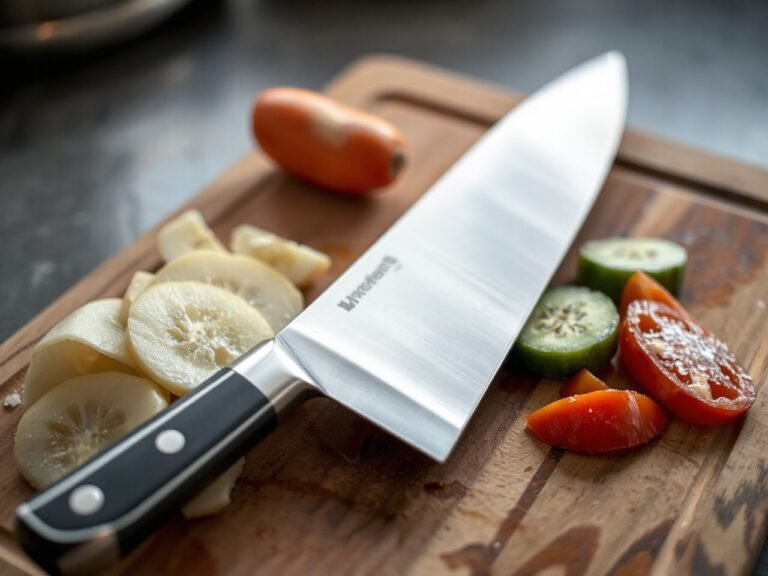
Blade profile describes the outline and curve from the handle toward the tip. A gently curved profile supports a rocking or sweeping motion, while a straighter section makes short, direct cuts feel more predictable. A pronounced tip can help with detail work, but a tip that feels too delicate may be a poor match for someone who tends to twist during trimming.
Peeling often benefits from an edge that follows the contour of the food without sudden changes in direction. Trimming calls for a profile that lets the user stop a cut cleanly. Detail work depends on the relationship between the point, the edge, and the user’s grip. Hold the knife in a shop only if that is permitted, and make a dry cutting motion with the blade safely away from people. The movement should feel controlled rather than forced.
Scallops that reach toward the center of the blade define a Granton edge. Those scallops alter the surface near the edge, but they do not replace a suitable profile or secure grip. For small peeling and trimming tasks, the shape that meets the food deserves closer attention than a decorative feature.
Check edge control instead of chasing initial sharpness
A sharp blade is useful, but sharpness alone does not tell you how long the knife will remain pleasant to use. Edge retention concerns the repeated cuts that follow the first one. A knife that starts keenly but loses control quickly can demand more maintenance and more pressure, which makes delicate work less comfortable.
Look for an edge that appears even from heel to tip. The edge should meet the rest of the blade without visible rough spots, waves, or a section that looks thicker than the surrounding area. These checks do not predict every aspect of performance, but they help separate a cleanly finished edge from one that merely feels sharp for a moment.
Intermediate: Choose Steel and Handle Materials With Care
Stainless steel and carbon steel solve different problems
Stainless steel is composed of iron, molybdenum, chromium, and potentially nickel, alongside a minimal carbon content. A chromium content of 10.5% or more provides stainless steel with its anti-corrosion properties. Stainless steel generally requires less corrosion care than carbon steel, although it still needs sensible cleaning and drying.
Carbon steel can develop corrosion or discoloration when left wet or exposed to acidic foods. That does not make carbon steel unsuitable for a paring knife. It means the owner must dry the blade straight after washing and pay attention to food residue, particularly after cutting acidic produce.
The practical difference is maintenance behavior. Stainless steel is usually more forgiving when a busy kitchen interrupts cleanup. Carbon steel asks for a faster response to moisture and acid. Steel choice therefore affects care, sharpening behavior, and the way an edge is maintained over time; it does not decide whether a blade profile fits your hand.
A carbon-steel knife left wet can rust or discolor, so drying is part of normal ownership rather than an optional finishing step. A stainless-steel knife also benefits from drying because moisture can affect handles, joints, and the surrounding surfaces even when the blade resists corrosion better.
Think about the handle as a control surface
A comfortable, secure handle matters because small blades are often used close to the fingers and thumb. The handle should allow a stable grip without making you squeeze harder than necessary. Examine the shape where the fingers rest, the area near the blade, and any transition between handle and metal.
Full tang construction can provide a continuous metal foundation through the handle, but the presence of a full tang does not automatically make a knife comfortable. Grip shape, surface texture, balance, and the way the handle meets the blade still determine whether the knife feels secure during short cuts.
Silicone rubber coverings exhibit a significant ability to withstand heat. That characteristic may matter in a busy kitchen, but heat resistance does not excuse unsafe handling or make a knife suitable for jobs outside its intended use. A handle must remain secure and comfortable during the particular prep work you perform.
Standard varnished hardwood handles can warp or split after extended contact with moisture. Prolonged soaking is therefore a poor cleaning habit for a knife with that type of handle. A wooden handle should be kept away from standing water and dried carefully after washing.
Compare the paring knife with nearby tools
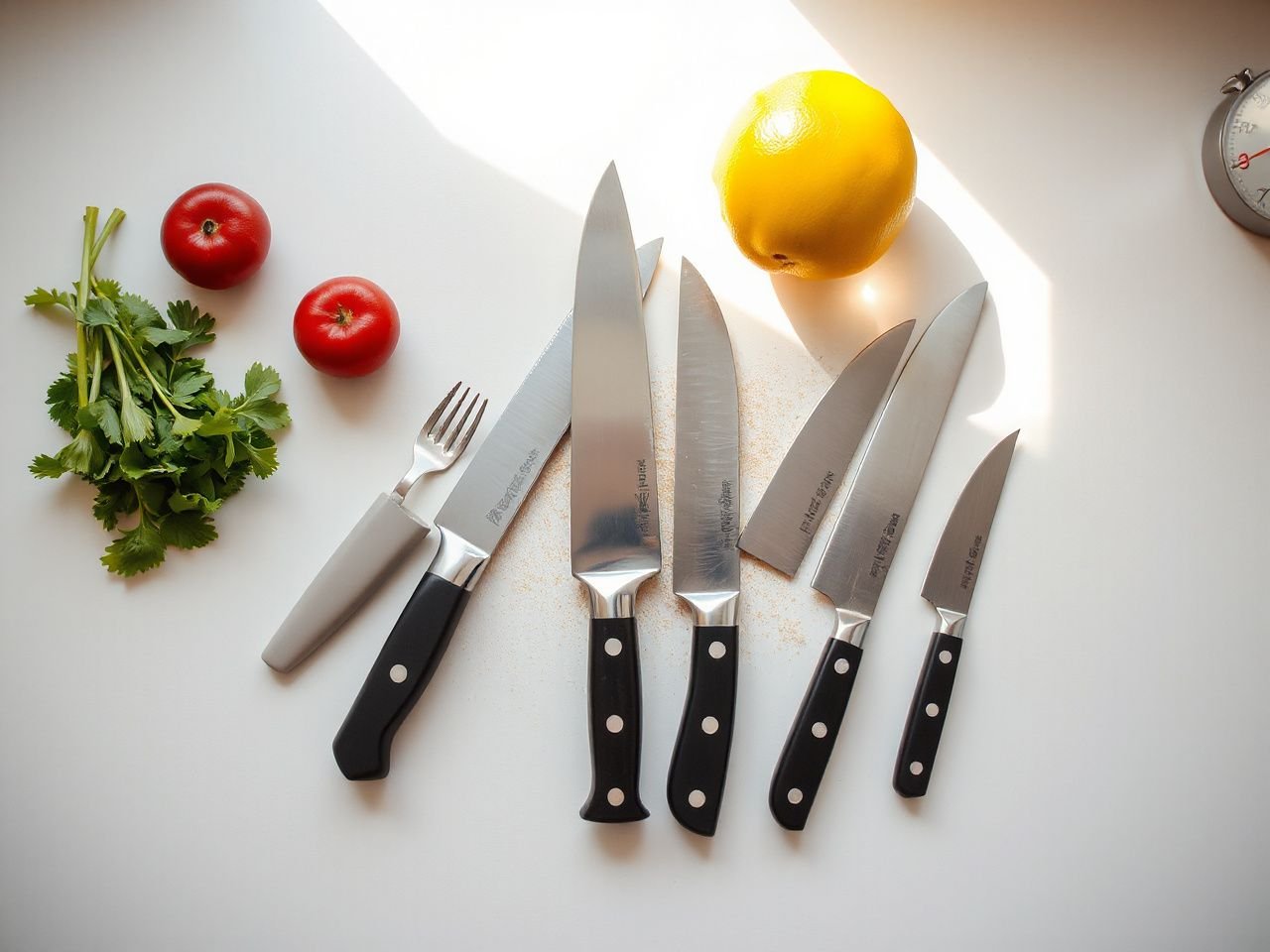
A peeling knife is shaped around peeling movements and may feel more natural for a person who removes skins frequently. A utility knife bridges some of the space between a paring knife and a chef’s knife, with more blade available for medium-sized ingredients. Kitchen shears handle tasks such as snipping herbs or opening packaging, so they should not be treated as substitutes for controlled knife work.
The useful question is not which tool has the broadest range. Ask which tool keeps the blade visible, the grip stable, and the food supported during the job. If most of your prep involves larger vegetables, a chef’s knife may do more work with fewer tool changes. If your recurring tasks involve small pieces and close trimming, a paring knife earns its place through control.
Readers assembling a broader collection can compare roles in the Kitchen Knife Set Buying Guide: What Matters in 2026 without losing sight of the paring knife’s narrower purpose.
Know what can damage the edge
Cutting on glass, stone, or ceramic surfaces can quickly damage a blade edge. A suitable cutting board is part of proper knife use, not an accessory added after the knife is chosen. The board should give the edge a more appropriate surface than a countertop or plate.
Hard foods and awkward angles create a different problem. A paring knife is not a pry tool, scraper, chisel, or substitute for a boning knife. If a cut does not proceed with controlled hand pressure, stop and choose a tool suited to the job instead of twisting the blade.
Advanced: Maintain the Edge Through Its Useful Life
Understand why an edge bends, chips, or dulls
A paring knife can become dull through ordinary contact with food, the cutting board, and cleaning routines. An edge may also bend when lateral force is applied, or chip when the blade strikes a hard surface or object. The visible symptom matters because each type of damage calls for a different response.
- A dull edge feels less willing to enter the food and may encourage extra pressure.
- A bent edge can feel uneven during a cut and may respond poorly even when the rest of the blade remains sound.
- A chipped edge has a missing section that normal light honing will not restore.
Dishwashers, prolonged soaking, and abrasive cleaning can damage the edge, handle, or joints of a paring knife. Hand washing with suitable care is the safer maintenance choice for preserving the parts you can inspect. Rinse away food, wash the blade and handle without aggressive scrubbing, and dry the knife before putting it away.
The U.S. Consumer Product Safety Commission provides public safety information through cpsc.gov; its general guidance is a useful reference for safe handling around household products. A knife should be carried with the point controlled, stored so the edge is not exposed to casual contact, and kept away from children.
Clean and dry the knife correctly
Cleaning should remove food without turning the knife into a soaking object. Hold the handle securely, keep the blade directed away from the other hand, and use a non-abrasive cleaning method. Dry the blade, handle, and any visible joints rather than leaving the knife beside the sink.
Acidic foods deserve extra attention with carbon steel. Wash away residue promptly and dry the blade. Discoloration may appear when carbon steel meets moisture or acid, while stainless steel generally needs less corrosion care; neither material benefits from neglect.
Do not use abrasive pads to chase marks from a blade or handle. Scrubbing can affect the finish and may create rough areas that hold residue. If a handle begins to split, warp, loosen, or feel unstable, remove the knife from service until the problem is addressed.
The U.S. Food and Drug Administration offers food-safety information at fda.gov, including guidance on clean food-contact equipment. A knife used for food should be cleaned so visible food residue is removed before the next task.
Decide between honing and sharpening
Honing and sharpening are not interchangeable. Honing addresses an edge that has moved out of alignment, while sharpening removes material to create a new edge. The condition of the knife should decide which action makes sense.
A sharpening stone is appropriate when the edge has lost its bite and needs new material removed in a controlled way. Use a consistent angle and light pressure, and follow the stone maker’s instructions. The purpose is to restore a continuous edge, not to grind away more steel than necessary.
Honing may help when the edge feels slightly misaligned but still cuts cleanly. If the blade has a visible chip, a severe bend, or damage from a hard surface, ordinary honing will not make the missing metal reappear. A sharpening service or careful repair may be needed, depending on the damage.
Ceramic blades require a different approach. Only grinding wheels of a suitable type or silicon carbide sandpaper are effective for sharpening ceramic blades. Ceramic blades are brittle and can break when twisted during operation or impacted against hard surfaces, so their maintenance and handling should be treated differently from steel.
For a wider look at maintenance choices, the Knife Sharpener Buying Guide: What’s Worth Knowing First explains how sharpening tools differ without reducing the decision to a single feature.
Use the edge-retention test that matters in practice
The useful measure of a paring knife is not only how it behaves on a clean first cut. Consider how the blade feels during a sequence of ordinary tasks: peeling, trimming, slicing small pieces, and returning to a detail cut. A reliable edge should remain predictable enough that you do not compensate with extra pressure or awkward wrist movement.
Keep the board, food, and grip consistent when judging a change in performance. A damaged board can make a good edge feel poor, while a newly sharpened blade can disguise a handle that is difficult to control. Separating those factors gives a clearer answer about whether the issue is steel, edge condition, profile, or technique.
Maintenance also has an ongoing cost in time and materials. The knife may require washing, drying, occasional honing, sharpening, and eventual attention to the handle or edge. Stainless steel can reduce corrosion care, while carbon steel can demand more frequent drying and closer observation around acidic foods. Those responsibilities should fit your routine before the knife enters your kitchen.
Advanced: Prevent the Mistakes That Shorten Service
Keep the knife inside its intended range
A paring knife should not be used to force through bones, frozen food, or hard objects. Those tasks place sideways force on a small blade and can make the edge bend, chip, or lose alignment. Select a boning knife for work that requires separating meat from bone, as explained in this guide to avoiding mistakes with a boning knife.
Do not scrape food from the board with the sharp edge. Turn the knife over and use the spine only if the design and situation make that safe, or use a bench scraper. Better still, move food with a utensil that is meant for the job. Repeated scraping can roll the edge even when no dramatic damage is visible.
Choose the board before judging the knife
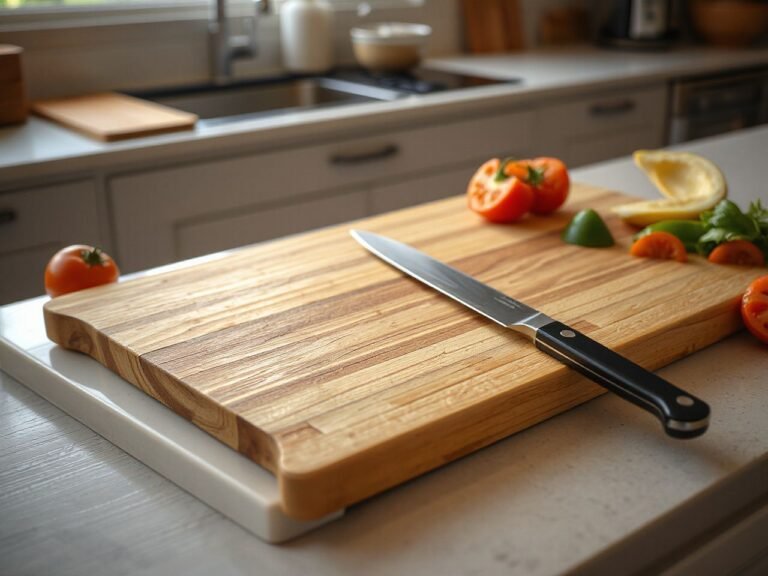
A suitable cutting board protects the blade from surfaces that can quickly damage it. Glass, stone, and ceramic are poor cutting surfaces for a paring knife because contact can harm the edge. The board should sit securely and provide enough space for the ingredient and the hand position required by the task.
Board material also changes the feel of a cut. If the knife suddenly seems dull after moving to a different surface, inspect the board before sharpening. A new edge cannot compensate for a surface that repeatedly damages it.
Store the knife so the edge stays protected
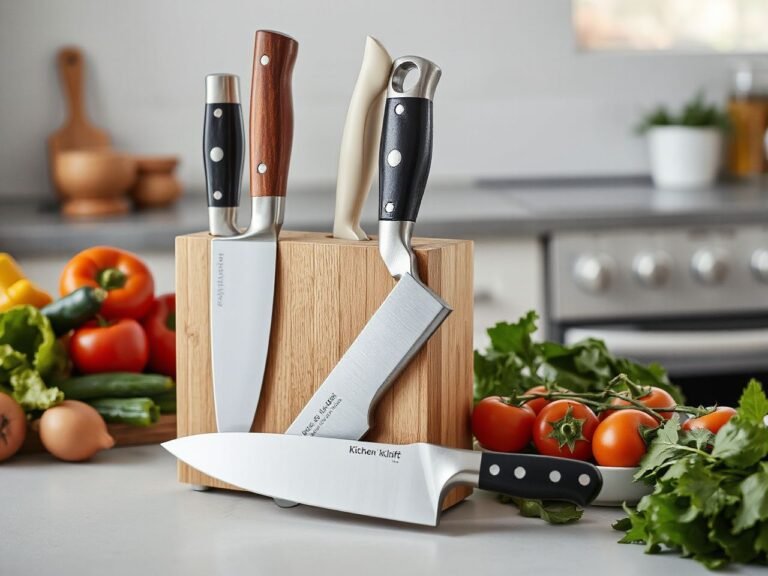
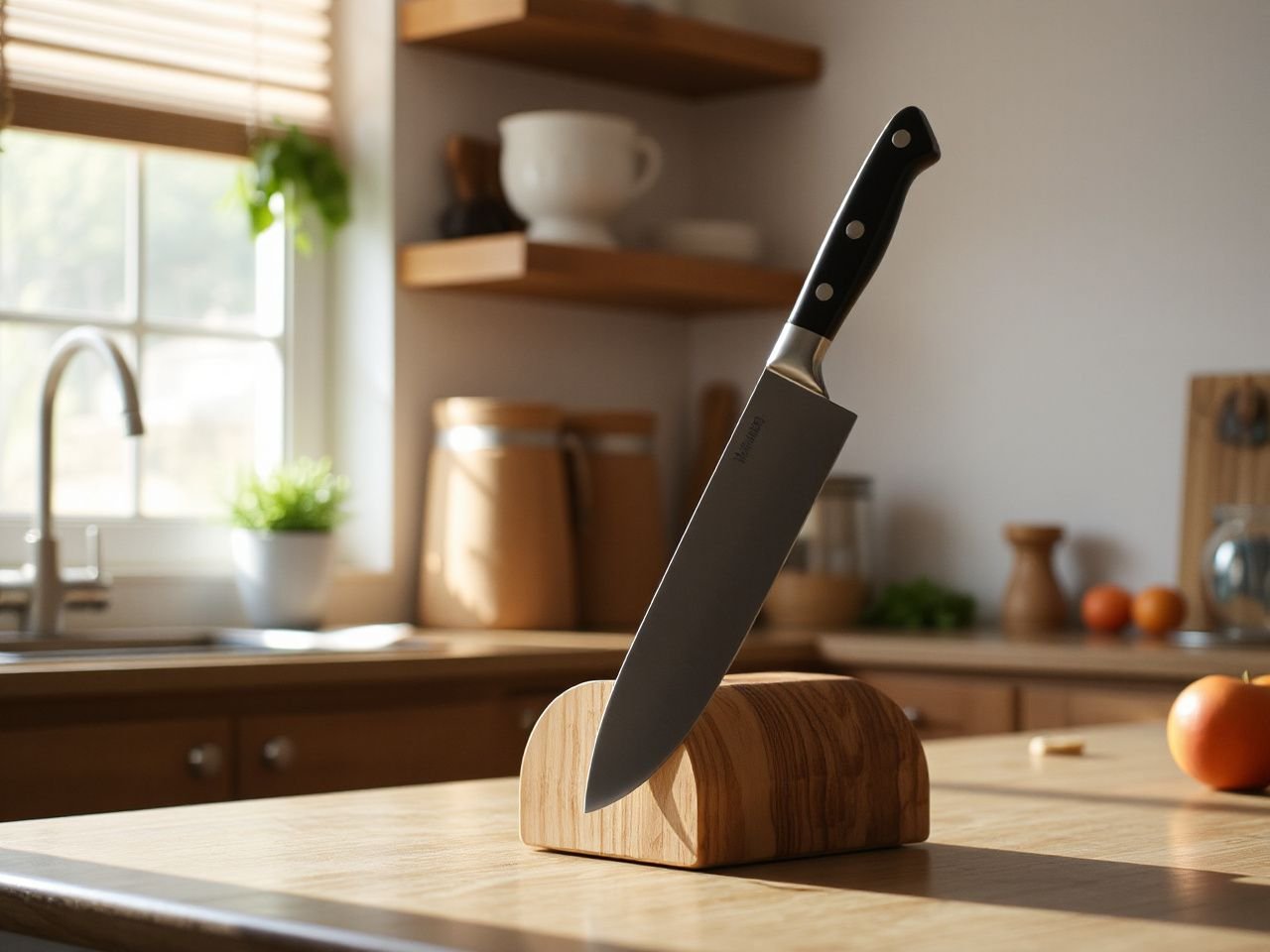
Storage should keep the blade from striking other utensils and should prevent casual contact with the edge. A drawer insert, protective cover, or dedicated block can separate the knife from loose tools, provided the storage method keeps the blade clean and dry.
Do not drop a paring knife into a sink full of water. Another person may reach in without seeing it, and prolonged moisture can affect both blade and handle. The U.S. Consumer Product Safety Commission remains a suitable public source for household safety information, but sensible storage begins with keeping sharp objects visible, controlled, and separate.
Know when another knife is the right answer
A utility knife may be more comfortable for ingredients that exceed the small working area of a paring knife. A chef’s knife may be more efficient for larger cutting jobs. A bread knife belongs on crusted loaves, while kitchen shears can manage jobs that do not need a knife edge.
Using the correct tool protects the paring knife and improves control. The knife does not fail because it cannot perform every kitchen task; the mismatch begins when a detail-work blade is asked to provide force, reach, or leverage that its design does not support.
Frequently Asked Questions
What should I look for in a paring knife for peeling, trimming, and detail work?
Start with a blade profile that matches the movement you use. A controlled point helps with detail work, while a predictable edge supports peeling and trimming. A blade length of 3 to 4 inches is standard for a paring knife. Check that the handle feels secure, the edge looks even, and the blade can be guided without your fingers crowding the cutting line.
What is the practical difference between stainless steel and carbon steel?
Stainless steel generally requires less corrosion care, while carbon steel can develop corrosion or discoloration when left wet or exposed to acidic foods. Stainless steel’s chromium content provides its anti-corrosion properties. Carbon steel can suit a careful owner, but it needs prompt drying and closer attention after cutting acidic ingredients. Neither steel removes the need for a suitable board and careful cleaning.
Should I hone a paring knife or use a sharpening stone?
Use honing for an edge that seems slightly out of alignment but still cuts. Use a sharpening stone when the edge has lost its bite and needs material removed to form a new edge. Honing cannot replace missing metal on a chipped edge. Ceramic blades need suitable grinding wheels or silicon carbide sandpaper, and their brittle construction makes twisting especially risky.
Why does a paring knife become dull, bend, or chip during ordinary use?
A blade can dull through repeated contact with food and the cutting board. It can bend when lateral force is applied and chip after striking a hard surface or object. Glass, stone, ceramic, bones, frozen food, and abrasive cleaning all create avoidable risks. A suitable board, controlled cuts, hand washing, and proper maintenance help preserve the edge.
How should I clean and dry a paring knife?
Wash the knife by hand, remove food residue without abrasive scrubbing, rinse it, and dry the blade and handle promptly. Avoid dishwashers, prolonged soaking, and harsh cleaning because they can damage the edge, handle, or joints. Carbon steel needs particular attention around moisture and acidic foods. Store the clean knife separately so the edge does not strike other utensils.