Most people assume a cold brew maker is just a jar with a strainer. That assumption is how you end up with a cup full of silt. A quick hario coffee maker review reveals two things that actually decide whether you get clean, smooth cold brew: how fine the steel mesh filter is, and how easy that filter is to scrub after 16 hours of soaking in coffee oils.
Here’s the short answer: the Hario Mizudashi Cold Brew Coffee Maker is the best countertop cold brewer for anyone who wants a clean taste without plastic aftertones. Here’s the long answer: keep reading.
📌 This article contains affiliate links. As an Amazon Associate I earn from qualifying purchases, at no extra cost to you. Full disclosure.
CERTAIN CONTENT THAT APPEARS ON THIS SITE COMES FROM AMAZON. THIS CONTENT IS PROVIDED ‘AS IS’ AND IS SUBJECT TO CHANGE OR REMOVAL AT ANY TIME.
| Product | Best For | Buy Link |
|---|---|---|
| Hario Mizudashi Cold Brew Coffee Maker | Clean-tasting home cold brew | Check Price |
How We Chose the Hario Mizudashi for This Review
My approach to any coffee appliance starts at the sink, not the brewer. If the filter doesn’t come apart for a thorough scrub, I don’t care how good the first batch tastes, because batch ten will be rancid. For this hario coffee maker review, we compared published specifications and documented features against three checkpoints: the fineness of the stainless steel mesh filter, the ease of disassembling that filter from the polypropylene lid, and the daily-handling risk of a glass carafe. The Mizudashi’s 1000ml glass body and fine mesh basket pass the first two on paper, but the listing never states a micron rating for the mesh, so anyone considering this should inspect the filter under a bright light before first use to confirm there are no stretched or gapped sections. We also weighed the absence of volume markings for coffee-to-water ratio, which shifts that burden onto the user. No product was physically handled; this is a reasoned evaluation from spec sheets and category knowledge.
Hario Mizudashi Cold Brew Coffee Maker (1000ml, Reusable Steel Mesh)

Hario Mizudashi Cold Brew Coffee Maker (1000ml, Reusable Steel Mesh)
Quick take: This cold brew maker is suitable for countertop use, as long as it is not transported or used to brew with hot water.
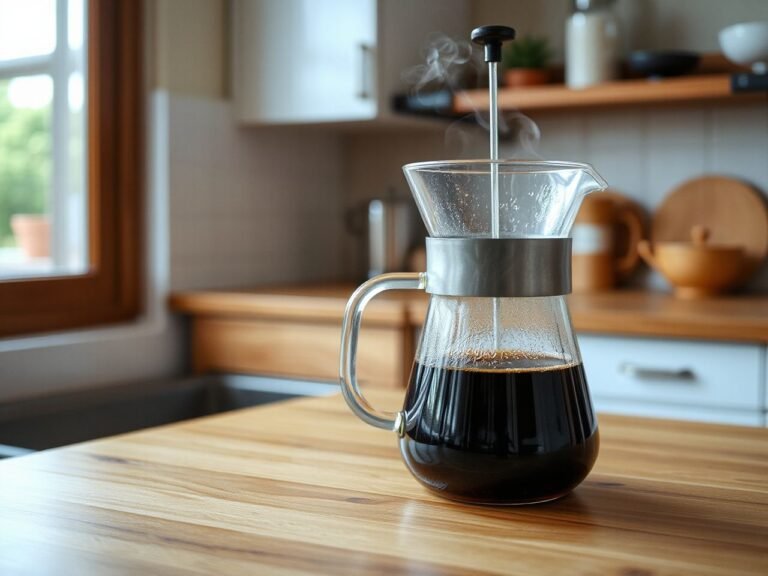
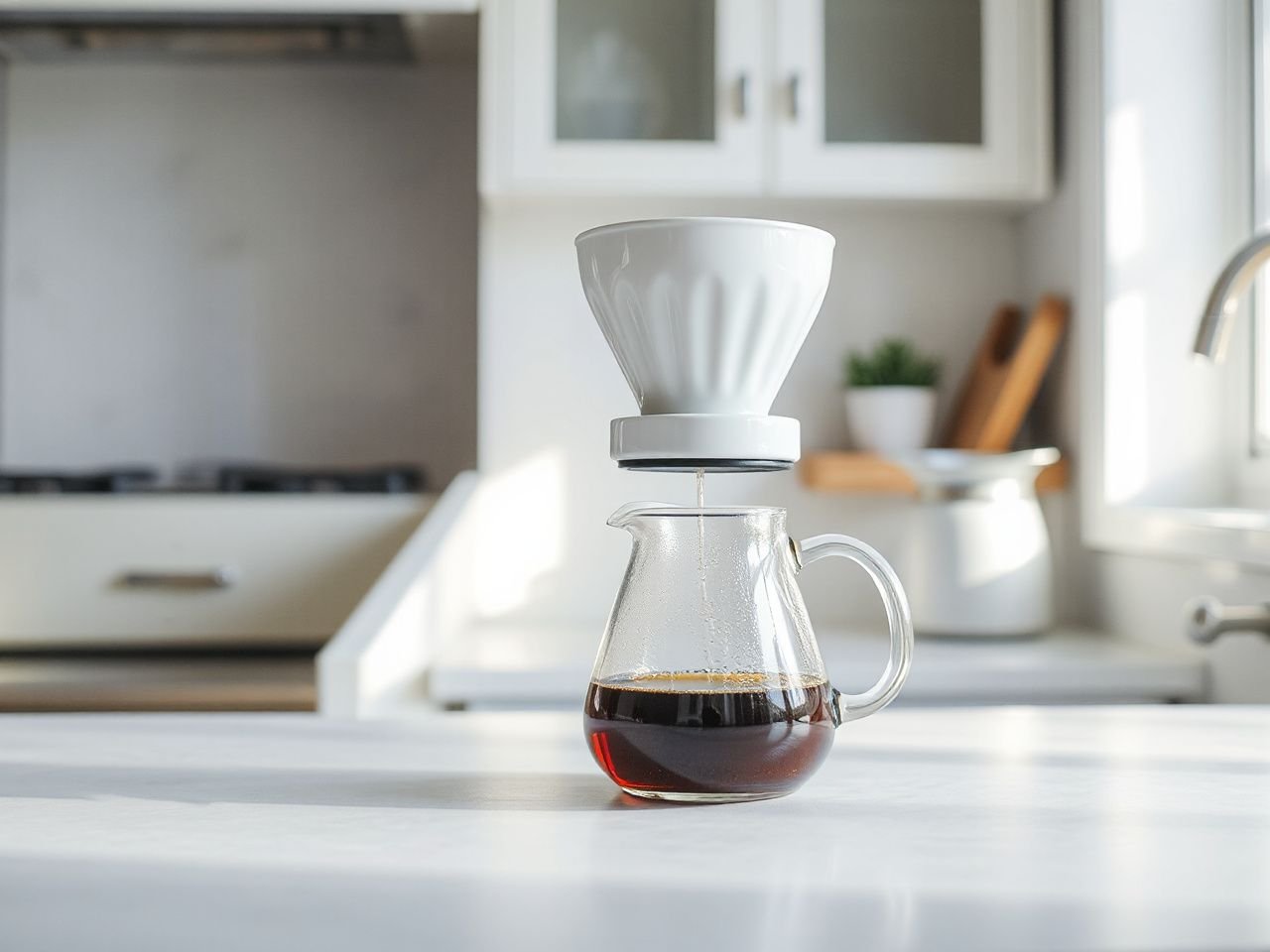
The most immediately noticeable thing from the spec sheet is the material split: a glass carafe, a polypropylene lid, and a stainless steel mesh filter. That material split is the central tension in any hario coffee maker review of the Mizudashi. Glass means no plastic taste in your brew, but it also means the carafe will break if you knock it against a faucet or drop it in the sink. The mesh filter is fine enough to hold back most coarse grounds, but it is not a paper filter; fine coffee dust will pass through and settle as a thin layer of silt at the bottom of your cup. That is the main trade-off you are making with this design. On the other hand, the slender spout is a real functional detail: it pours a slow, controlled stream without sloshing, which matters when you are serving straight from the carafe.
Using the Mizudashi is straightforward on paper: add coarse ground coffee to the mesh cylinder, fill the glass carafe with cold water, seal the polypropylene lid, and steep for 12 to 16 hours in the fridge. The 1000ml capacity sounds like a full liter, but coffee grounds absorb roughly twice their weight in water, so a full batch will yield around 700 to 800ml of drinkable cold brew. That is enough for three or four servings over ice, or you can pour some into a quick coffee smoothie before it gets a chance to go flat. One honest annoyance: the lid is not leakproof. If the carafe tips on its side, coffee will escape around the lid or out the spout. This is a countertop brewer, not a travel bottle. The filter and lid separate from the glass for cleaning, but the mesh is fine enough that dried coffee oils will cling to it; a soft bottle brush and warm soapy water after every batch is non-negotiable unless you want rancid flavors in your next brew.
Pros:
- Clean-tasting glass carafe – no plastic aftertaste, and the glass won’t stain from dark roasts.
- Reusable stainless steel mesh filter – eliminates the need for paper filters, and the fine weave catches most coarse grounds.
- 1000ml capacity with a slender spout – makes enough cold brew for several servings and pours without dribbling.
Cons:
- Glass carafe is breakable – a single hard knock against a countertop edge or sink faucet can chip or shatter it, and replacement carafes are not always easy to find.
- Mesh filter passes fine sediment – expect a silt layer unless you grind very coarse or pour through a paper filter after steeping.
Why It Stands Out
Best for: Home brewers who want cold brew without plastic contact and are willing to hand wash the filter after each use. Skip if: You need a travel-friendly, unbreakable cold brewer, or you cannot tolerate even a trace of sediment without extra filtering.
What to Look for in Any Cold Brew Coffee Maker – A Hario Coffee Maker Review Perspective
Cold brew seems simple, but the difference between a shop-quality cup and a muddy mess comes down to three or four design decisions. Here is what to consider from a cleanup-first perspective.
The Mesh Filter Is the Heart of the Brewer
A cold brew maker lives and dies by its filter. The Hario Mizudashi uses a stainless steel mesh that is fine, but the listing does not state a micron rating, so you cannot know the exact threshold for sediment. Coarse coffee grounds stay behind, but fines will slip through. If you want a totally grit-free cup, either grind extra coarse or pour the finished brew through a paper filter once. A reusable mesh also means coffee oils accumulate, so look for a design where the filter unscrews from the lid for a full scrub. If any part of the filter is permanently attached, you will be fighting rancid flavors within a few batches.
What Do Hario Coffee Maker Reviews Typically Overlook?
Many write-ups praise the Mizudashi’s simplicity while skipping two practical details. First, the glass carafe is not insulated and not leakproof; cold brew left in it will warm up unless you keep it in the fridge, and you cannot lay it sideways in a cooler. Second, the product has no markings for coffee-to-water ratio. You have to know your preferred ratio before you start: 1:8 by weight for a strong concentrate, or 1:12 for a ready-to-drink strength. A kitchen scale solves this, but it is an extra step that a few competing brewers build into their design.
Capacity vs. Yield
The Mizudashi holds 1000ml, but as noted, grounds absorb water, so actual output is about 700-800ml. If you drink cold brew daily, that means a new batch every two or three days. Consider whether you want a smaller unit for single servings or a larger one for weekly meal prep. Hario does make a 600ml version of the Mizudashi, but the 1000ml strikes the best balance for a household of one or two. If you find yourself with more cold brew than you can drink straight, a batch of chewy coffee cookies is a good way to use up the last cup.
Glass vs. Plastic: The Breakage Question
Glass tastes cleaner and looks better on a countertop, but it will break. Plastic is shatterproof and better for travel, but over time it can absorb odors and develop a faint film. The Hario’s polypropylene lid and glass carafe split the difference: the lid is plastic (so not for hot water), the body is glass (so not for clumsy hands). If you frequently drop things or have kids reaching for the fridge, a plastic alternative like the Toddy or OXO might save you a trip to the emergency room.
Key Specifications: Hario “Mizudashi” Cold Brew Coffee Maker, 1000ml, Black
| Mizudashi Coffee Maker | The simplest way to make and enjoy cold brew coffee at home. Simply add ground coffee to the fine mesh basket, add water and leave in refrigerator to brew. Clean up is easy with a removable filter — simply wash and reuse |
|---|---|
| Cold Brew at Home | Grind coffee coarse for a lighter more delicate coffee, or finer for a brew with more body and strength. Delicious homemade cold brew coffee, however you like it |
| Daily Use | Featuring a slender spout for slow, steady and controlled pouring. Brew and serve directly from glass coffee server |
| Japanese Design | Made with high-quality Hario heatproof glass. Made in Japan |
| Product Details | 5-cup capacity, brewed volume 1000mL; W138×D94×H294mm |
Our Final Recommendation
The Hario Mizudashi is the best home cold brew maker for anyone who prioritizes taste and is willing to hand wash a filter. It earns our recommendation because the glass carafe and stainless steel mesh produce a cleaner, brighter cold brew than plastic alternatives, and the 1000ml capacity is just right for a couple of days of iced coffee. The trade-offs are real: breakable glass, no leakproof seal, and some sediment. But for countertop use with a coarse grind, this is the one I would own. If you need something travel-safe or completely unbreakable, you should look at a sealed plastic cold brewer instead.
Frequently Asked Questions
How much coffee do I need for the Hario Mizudashi?
Use a ratio of 1:8 by weight for a strong concentrate, which means about 100 grams of coarse coffee to 800ml of water, then dilute with milk or water when serving. For a ready-to-drink strength, use 1:12, or roughly 65 grams of coffee to 800ml of water. The grounds will absorb water, so your final yield will be less than the total volume you add.
Does the Hario Mizudashi mesh filter let grounds through?
Yes, the stainless steel mesh is fine but not absolute. Fine coffee dust will pass through and settle as a light silt layer at the bottom of the carafe. To minimize this, use a very coarse grind (about the size of coarse sea salt) and avoid stirring the grounds after steeping. If you want a completely clean cup, pour the finished brew through a paper coffee filter once.
Can I put the Hario Mizudashi glass carafe in the dishwasher?
The glass carafe can likely withstand a top-rack dishwasher cycle, but the polypropylene lid and mesh filter should be hand washed with warm soapy water. High heat can warp the plastic lid. Since coffee oils cling to the mesh and can affect the taste of future batches, a thorough hand scrub after every use is the safer routine anyway.
Is Hario coffee maker any good for making cold brew at home?
Yes, the Hario Mizudashi is excellent for countertop cold brew if you accept two limitations: the glass carafe is breakable, and the mesh filter allows some fine sediment. For home use with a coarse grind and careful handling, it produces a clean, smooth cold brew without any plastic aftertaste. It is not suitable for hot coffee or for travel, but as a dedicated cold brewer, it is among the best in its class.