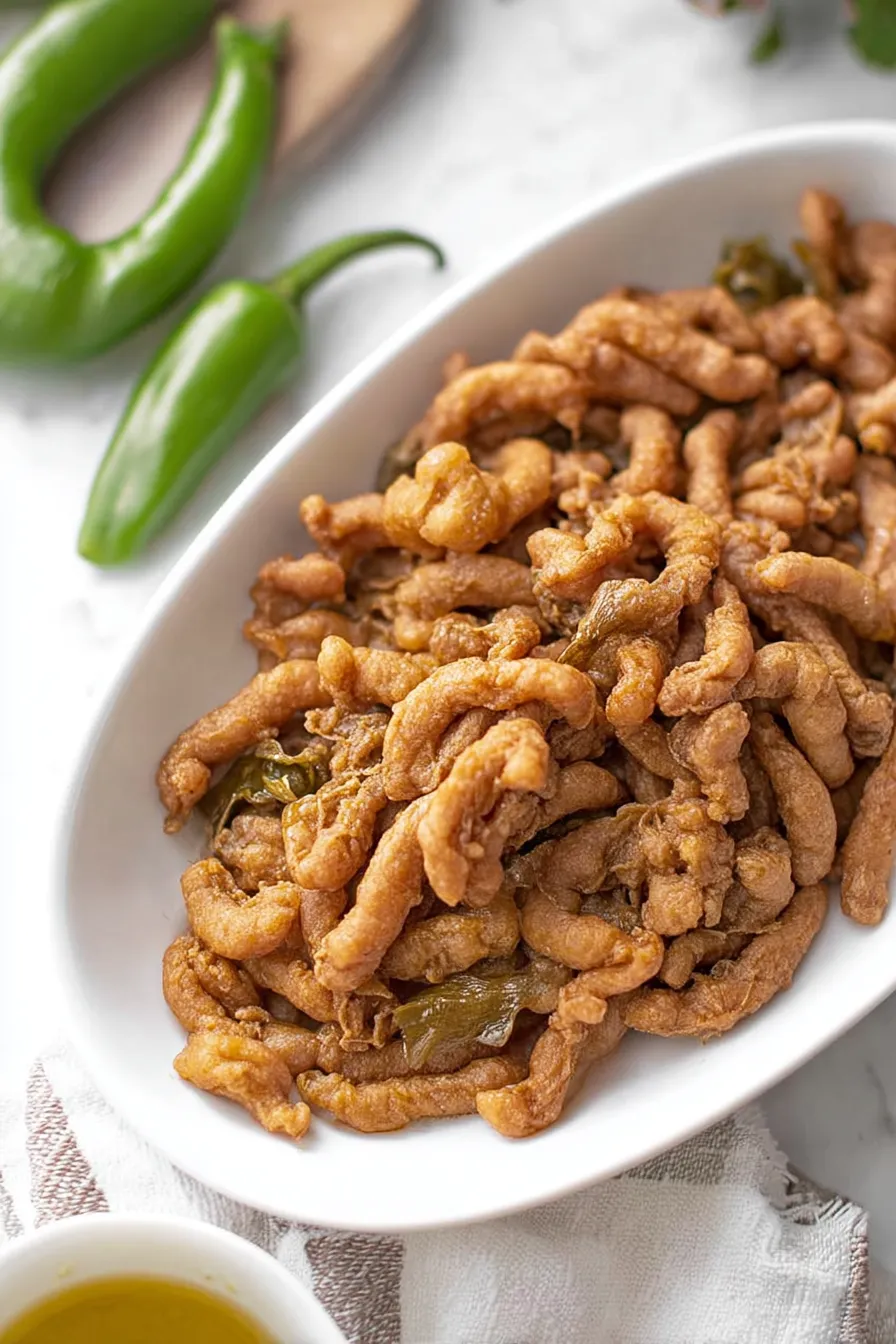
Hey friends, welcome to my kitchen! Today, we are making a true Southern classic. Authentic Southern chitlins.
Making them takes patience. It takes respect. And a whole lot of love.
This is a traditional Mississippi recipe. It brings rich, savory flavors right to your dinner table. Chitterlings are a huge part of our food history. The secret? Cooking them low and slow.
Growing up, I remember the smell of that simmering broth. It always meant a special holiday or family gathering was happening. True Southern cooks know the hard work this dish takes.
We don’t rush things in my kitchen.
You will learn exactly how to make this meal perfect. I will walk you through every single step.
Sure, making chitlins seems scary at first. The good news? My simple method sets you up for total success.
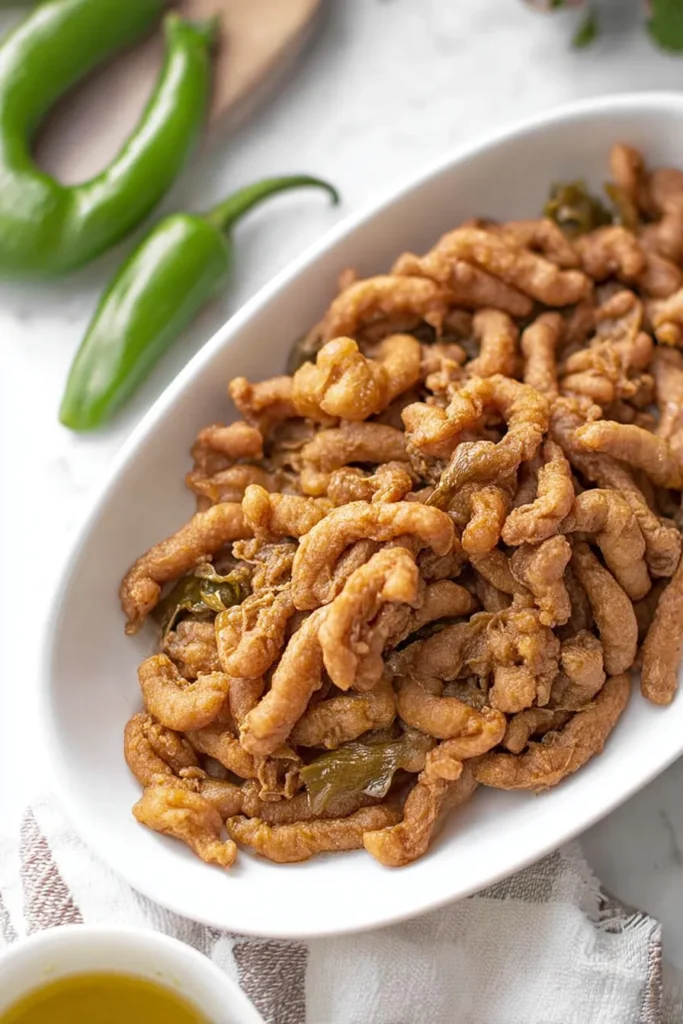
Let’s grab our ingredients. Good food starts with good ingredients.
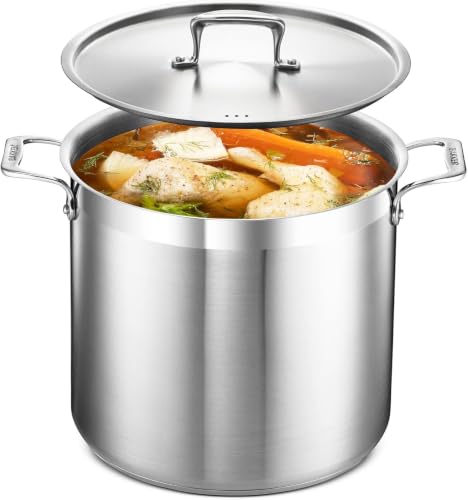
You need a large, heavy stockpot. Grab your favorite cutting board. Get a sharp knife.
We build flavor using simple veggies. And the right seasoning makes the natural meat flavor taste amazing.
Recipe Timing & Details
| Detail | Information |
| Prep Time | 5 hours |
| Cook Time | 3 hours |
| Total Time | 8 hours |
| Servings | 12 servings |
| Difficulty | Advanced |
Required Ingredients List
You must stick to this list. Exactly. Every single item matters.
Never skip the apple cider vinegar. Why? Because it gives a sharp tang that cuts right through the rich broth.
| Ingredient | Quantity | Notes |
| Chitterlings (thawed) | 10 lbs | Buy pre-cleaned if possible, but still wash thoroughly. |
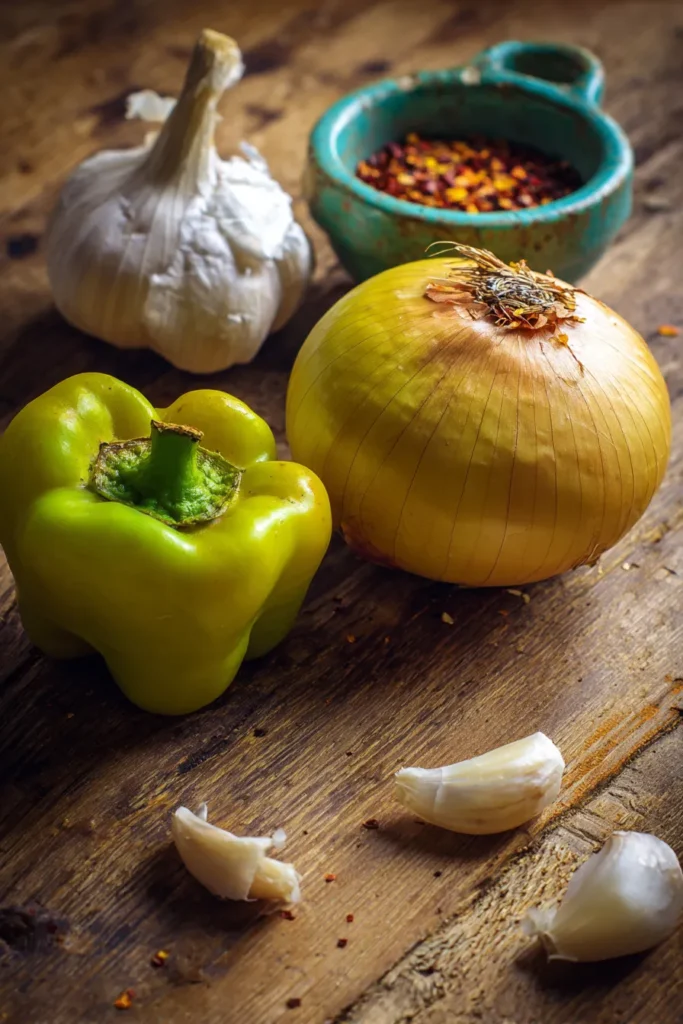
| Yellow onion | 1 large | Chop this into medium, uniform pieces for the broth. |
| Green bell pepper | 1 whole | Chop roughly to release sweet, earthy flavors during simmering. |
| Seasoned salt | 1 tbsp | Lawry’s is highly recommended for that classic Southern taste. |
| Garlic powder | 2 tsp | You can also substitute this with freshly minced garlic cloves. |
| Black pepper | 1/2 tsp | Freshly ground black pepper yields the most robust flavor. |
| Crushed red pepper flakes | 1-2 tsp | This is optional, but it adds a wonderful gentle heat. |
| Apple cider vinegar | 1 tbsp | Essential for tenderizing the meat and balancing the aroma. |
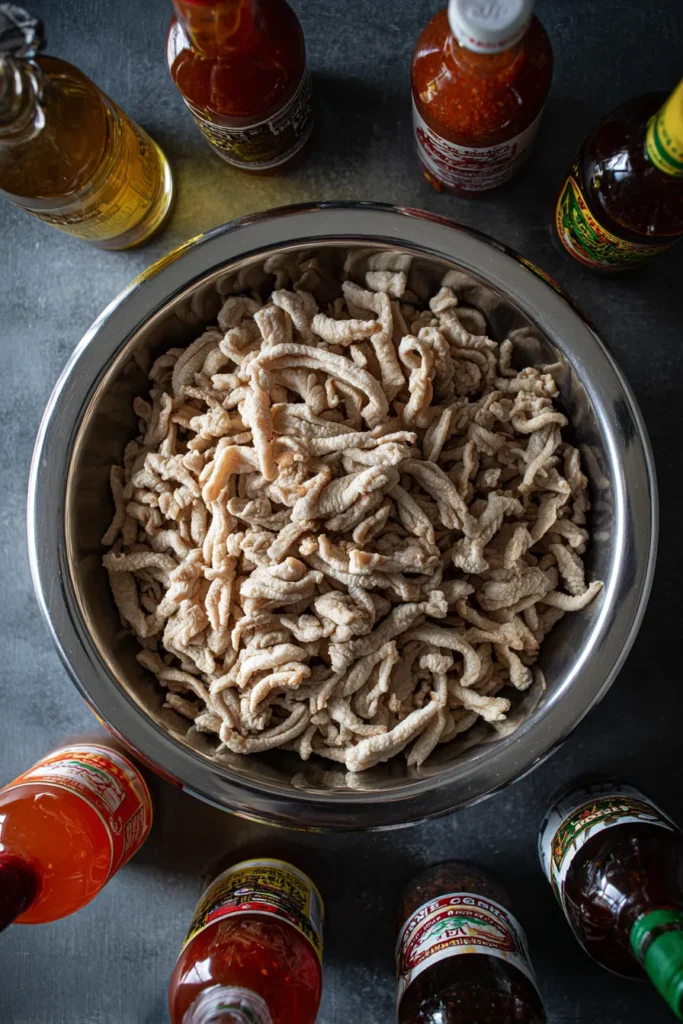
| Hot sauce | To taste | Keep this handy for serving at the dining table. |
The Cleaning Process
This is the most important part. You must clean them well. A clean chitlin is a safe, tasty chitlin.
I always use a double sink method. It is like setting up a factory line.
- One sink holds the dirty, unwashed meat.
- The second sink is your clean washing station.
Make sure both sinks are scrubbed clean first.
Here is how you handle the prep:
- Rinse the meat under cool tap water.
- Wash away any loose dirt.
- Check each piece with your hands.
- Pull away the thin inner membrane.
If you leave that membrane on? The meat will taste awful and smell too strong.
Pro tip: Never rush this stage. Take your time. It is worth it.
Move the clean pieces to your second sink. Repeat this rinse two or three times. They should look spotless.
The First Boil
Some people skip this. I say it is mandatory.
Put your washed meat into a big pot. Cover it with cold water.
Bring it to a boil for 20 minutes.
You will see a cloudy film float to the top. That film is the last bit of dirt leaving the meat.
Carefully pour out that dirty water. Rinse the meat one last time under the tap.
Check for any tiny curled membranes. Now? Your chitterlings are ready for flavor.
Building the Broth
Let’s get cooking.
Pull out a massive pot. A five-gallon stockpot is best.
Add about one and a half to two gallons of water. Toss in your chopped onion and green bell pepper.
Next, sprinkle in your dry spices:
- Seasoned salt
- Garlic powder
- Black pepper
Want a little heat? Add the red pepper flakes now.
Pour in that one tablespoon of apple cider vinegar.
Turn your stove on high. Let the water boil hard.
The Long Simmer
Once the water is boiling rapidly, stop.
Turn the heat down to medium. Drop the clean meat in, one piece at a time.
Grab a long wooden spoon. Give it a gentle stir. You want the spices everywhere.
Put a tight lid on the pot. This traps the steam.
Let it simmer on medium heat for three hours. Soon, your whole house will smell like onions and peppers.
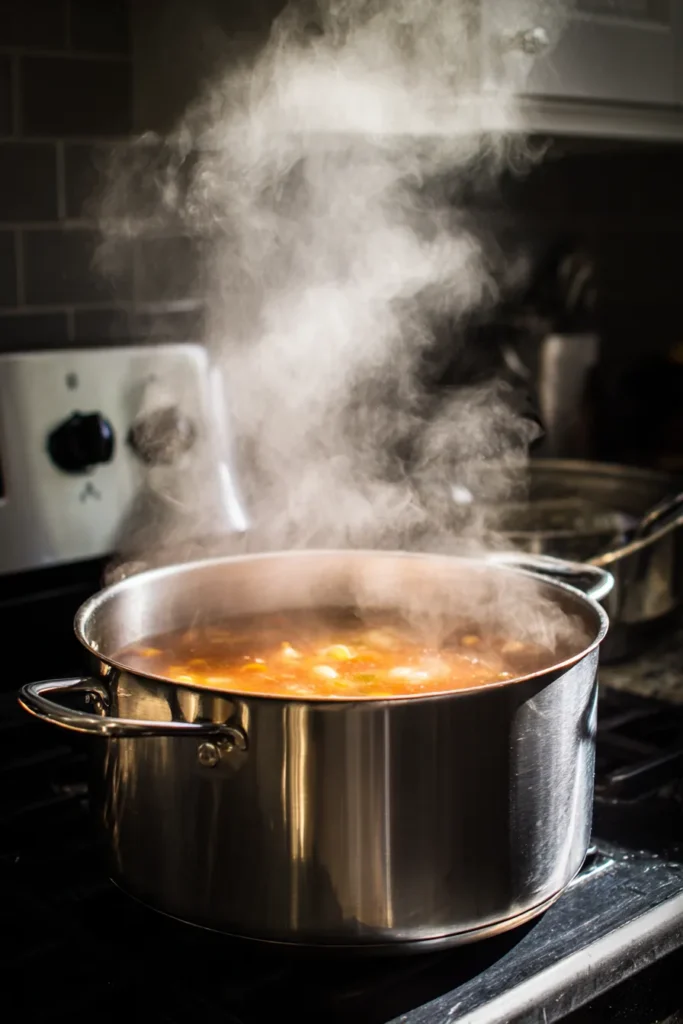
Check the pot every so often. Look at the water level.
You do not want the pot to go dry. If the water looks low, add a splash more.
The meat must stay under the water. That is how it gets soft.
After three hours, the chitterlings will look white and puffy.
Take a fork and test a piece. It should melt in your mouth.
Taste the broth. Need more salt? Add a pinch. Turn off the heat when it tastes perfect.
Serving It Up
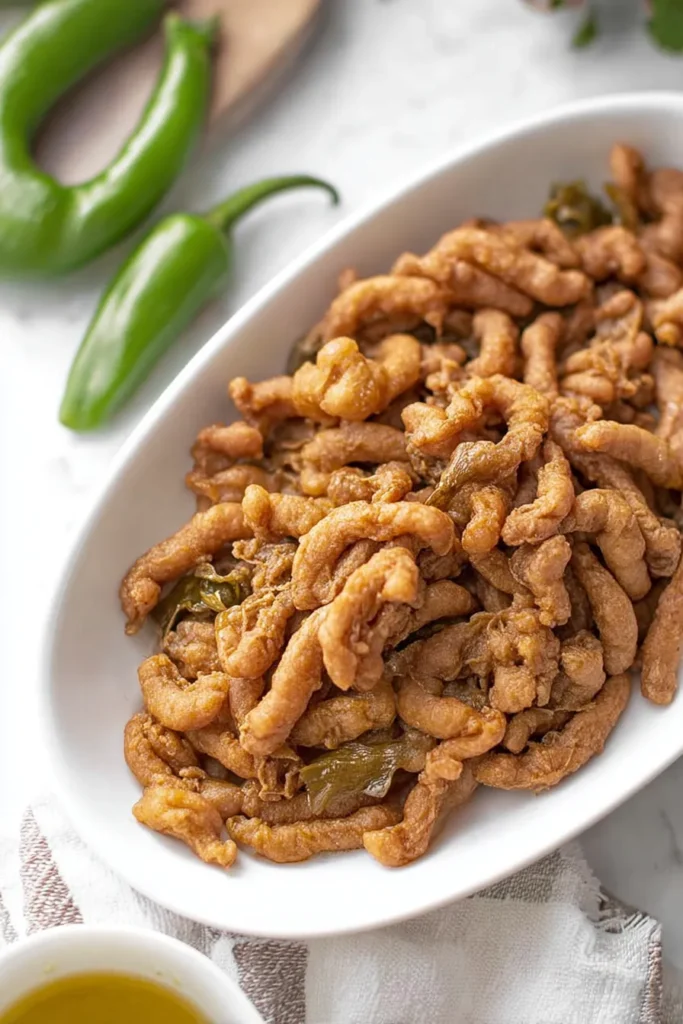
You did it! You made a beautiful batch of authentic Southern chitlins.
Serving them right is the last step.
Serve them piping hot straight out of the pot. Use a slotted spoon to scoop them into a bowl.
Add a little bit of the broth. It keeps things moist.
Every Southern table needs hot sauce. A few drops cut right through the heavy meat.
You can eat this as a main dish. Or, serve it as a side for a big family dinner. It goes great with fresh collard greens and hot cornbread.
Handling Leftovers
Food safety is huge here.
Let the meat cool completely on the stove first. Then, move it to a tight plastic container.
Pour some cooking liquid in there too. This stops the meat from drying out in the fridge.
Put the lid on tight and stick it in the fridge right away.
They stay fresh for three to four days. Do not eat them after that.
How to Reheat
Be gentle when reheating.
Do not use the microwave. It turns the fluffy meat to rubber.
Put the cold leftovers in a small pan on the stove. Add a splash of water if it looks dry.
Turn the heat to low or medium. Stir it gently.
Heating it slowly keeps it tender. Once it simmers, it is ready to eat.
Frequently Asked Questions
People always ask me about this recipe. Here are the answers to help you out.
Can I freeze my leftover cooked chitterlings?
Yes, you can freeze them for later! Make sure they are totally cold first. Put them in heavy freezer bags. Squeeze out all the air. They last for two to three months in the freezer. Just thaw them in the fridge overnight before you reheat them.
Why do I need to use apple cider vinegar?
Apple cider vinegar does three big jobs. First, the acid makes the tough meat tender. Second, it adds a bright taste that cuts the heavy broth. Third, it kills the strong smell. Never skip it.
What should I do if my chitterlings are still chewy?
Chewy meat just means they are not done cooking. Every batch is a little different. If they are chewy after three hours, keep cooking. Check them again in 30 minutes. Make sure there is enough water in the pot.
Can I use a slow cooker for this recipe instead?
Yes, you can easily use a slow cooker. Clean and boil the meat first, just like I showed you. Put the meat, veggies, and spices in the slow cooker. Add fresh water to cover it all. Cook on high for six to eight hours.
Is the crushed red pepper absolutely necessary?
Nope, the red pepper flakes are totally optional. They just add a nice background heat. If you hate spicy food, leave them out. You can always just use hot sauce at the table.
Authentic Southern Chitlins (Mississippi Recipe)
Ingredients
- 10 lbs chitterlings thawed
- 1 large yellow onion chopped
- 1 green bell pepper chopped
- 1 tbsp seasoned salt e.g., Lawry’s
- 2 tsp garlic powder
- 1/2 tsp black pepper
- 1-2 tsp crushed red pepper flakes optional
- 1 tbsp apple cider vinegar
- hot sauce for serving
Instructions
- Prepare a double sink setup. Rinse chitterlings thoroughly under cool water, inspecting each piece and removing any inner membranes to ensure they are clean.
- Place cleaned chitterlings in a large pot, cover with water, and boil for 20 minutes. Drain and rinse to remove final impurities.
- Fill a large 5-gallon pot with 1.5 to 2 gallons of water. Add onion, green pepper, seasoned salt, garlic powder, black pepper, red pepper flakes, and apple cider vinegar. Bring to a rapid boil.
- Reduce heat to medium. Add the chitterlings one by one, stirring gently to distribute seasoning.
- Cover and simmer for 3 hours, or until meat is tender, white, and fluffy. Check liquid levels occasionally and add water if needed.
- Taste and adjust seasoning if necessary. Serve hot with hot sauce.