Leaving a slow cooker on overnight is acceptable only when the appliance, cooking plan, and food-handling steps are all sound. The main difference is between a cooker designed for long cooking times and one that’s safe to leave unattended overnight. A good cooker on a proper surface doesn’t eliminate risks caused by damaged parts, bad recipe timing, power outages, or unsafe food handling. A cooker can run normally while the food remains unsafe because cooking was delayed, power was lost, or leftovers weren’t cooled properly.
So, can you leave a slow cooker on overnight? Usually, yes—but it all starts with an inspection and food safety, not just convenience. I consider any countertop appliance based on one practical question: does its overnight use justify the counter space and attention it needs? For a slow cooker, that means keeping fire and electrical safety separate from cooking and storage decisions.
Key Takeaways
- Use an overnight slow cooker only when the appliance is undamaged, stable, dry, and used according to its instructions.
- Keep the lid closed, avoid overfilling, choose the setting and recipe timeline carefully, and treat a power interruption as a food-safety event.
- Check the cooking history before eating, then cool leftovers promptly in shallow storage containers rather than leaving them in the crock.
Can You Leave a Slow Cooker on Overnight?
The appliance must be suitable for unattended cooking
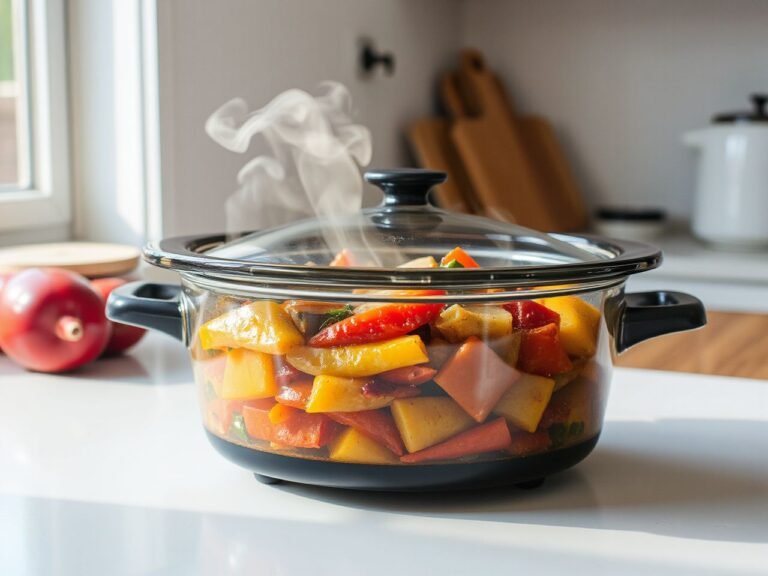
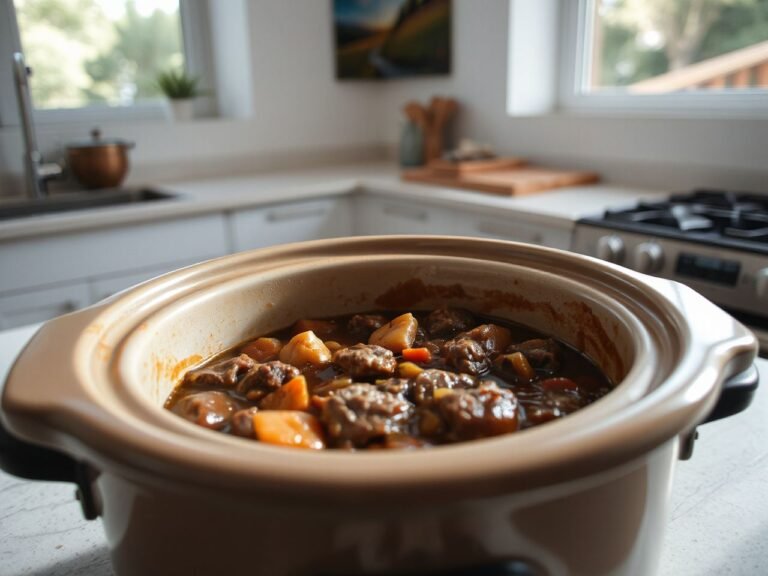
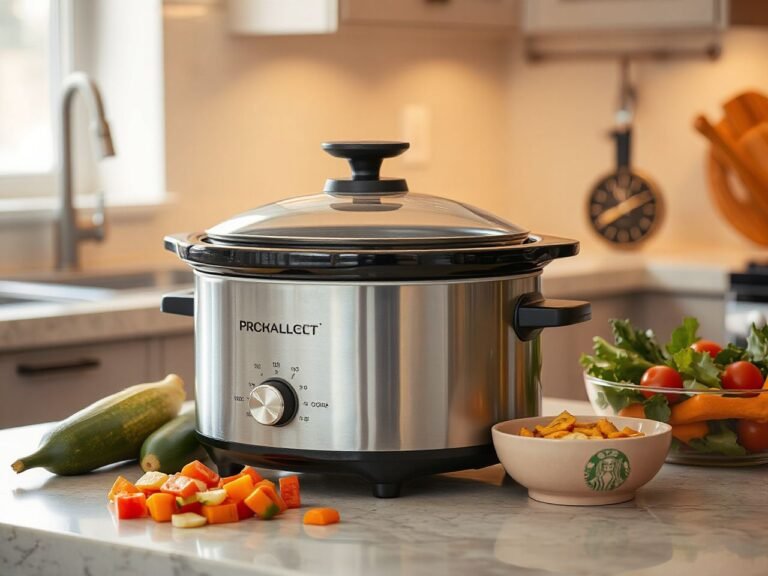
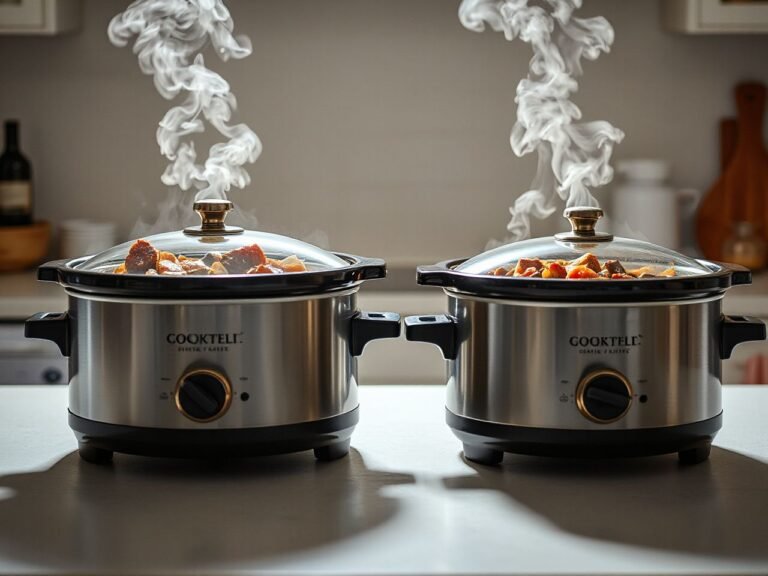
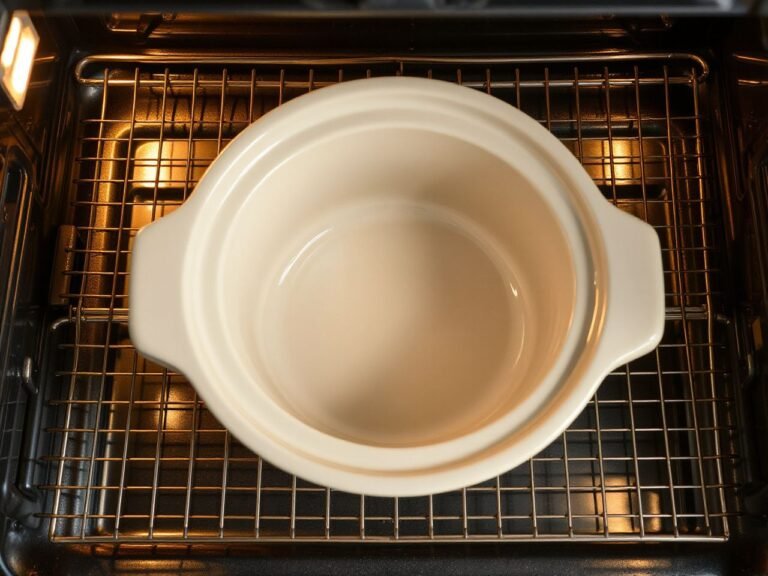
A slow cooker is built around an electric heating element enclosed within a metal housing, a glazed ceramic pot, and a lid. The heating base supplies steady heat to the stoneware crock while the control switch selects the setting named in the manual. That design is different from leaving an open pan over a stovetop flame, but it does not make every unattended setup safe.
Leaving a slow cooker on while no one’s awake is okay only if the cooker is in good shape, placed on a heat-resistant surface, and used exactly as the instructions say. The manufacturer’s guidelines matter because controls, minimum liquid levels, cooking settings, and warnings about unattended use can vary between models.
A slow cooker with a cracked crock, damaged power cord, wet heating base, loose control, broken lid, or other electrical issues should not be used. Damaged parts can alter how heat, liquid, or electricity are handled, and overnight cooking means you won’t notice a problem early on.
The U.S. Consumer Product Safety Commission provides consumer safety information about electrical products and household hazards, so its guidance is a useful reference when a cord, plug, housing, or control appears damaged. An independent safety mark on the appliance or plug can also help identify equipment assessed by a testing laboratory, but the mark does not replace an inspection or the maker’s instructions.
How the cooker manages heat
The heating element warms the crock, and then the crock transfers heat to the ingredients and cooking liquid. A basic slow cooker doesn’t build pressure during normal use; internal pressure stays at atmospheric pressure. That’s why you shouldn’t treat a slow cooker and a pressure cooker as interchangeable appliances.
A slow cooker controls heat through the connection between the heating base, the crock, the chosen setting, the ingredients, and the lid. The lid helps keep heat and moisture inside. Lifting it breaks that sealed environment, releases heat, and can change how the recipe turns out.
A slow cooker’s lid should remain closed during cooking unless the instructions specifically call for an adjustment. A loose or cracked lid can allow heat and moisture to escape, while a lid lifted repeatedly can extend cooking and create uncertainty about the final result.
Slow cookers come in sizes from 500 mL (17 US fl oz) up to 7 L (7.4 US qt). Capacity alone doesn’t tell you how much food a recipe needs. Follow the appliance and recipe instructions instead of guessing how much to fill the crock. The article How Full Should a Slow Cooker Be? The Short Version explains the relationship between recipe volume and crock size.
Causes of Overnight Slow-Cooking Problems
Damaged parts and poor placement
The heating base should stay dry, clear, and stable. Don’t put a wet crock into the base or let liquids collect around the controls. Never use the appliance if the cord shows damage. The crock must sit properly in the base, not wobbling or at an odd angle.
Place the slow cooker on a stable, level surface that can handle heat during an unattended cook. Keep it away from water sources and anything that could touch a hot surface. The manufacturer’s instructions specify the clearance needed, so don’t guess or assume a safe distance.
A cracked stoneware crock might leak or break during handling. A damaged tempered glass lid may no longer be reliable as a cover. Don’t try to fix a broken lid or crock with tape or glue. Replace damaged parts through the manufacturer’s approved method or stop using the appliance.
Overfilling, underfilling, and insufficient liquid
Overfilling the crock can cause spills and prevent the lid from fitting properly. It can also change how ingredients heat. Keep the crock below the level specified in the instructions. Recipes that foam or expand during cooking need special attention.
Many slow cookers need a minimum amount of liquid to prevent uncontrolled heating. Follow the manual’s guidance on liquid levels rather than assuming a nearly dry mixture will behave like a stew. The amount of liquid also affects heat transfer, so changing it can alter the cooking results even if the control switch stays the same.
Underfilling can cause timing issues. A recipe made for a larger amount might not cook properly if you reduce the quantity without adjusting the method. The safest overnight plan uses ingredient amounts, liquid level, and settings that align with the recipe and appliance instructions.
Frozen ingredients and a poor timeline
Adding frozen food can delay the point at which the whole dish cooks properly. The issue is not simply that the meal takes longer; the cooking history becomes harder to judge, especially when the appliance will be unattended.
Use ingredients in the condition specified by the recipe. If it calls for thawed meat or vegetables, don’t replace that step with frozen ingredients. Assuming a longer overnight run removes the risk isn’t safe. Recipe timing should give a clear path from preparation to fully cooked food. Don’t rely on guesswork while the kitchen is empty.
Power interruption and partial cooking
A power cut, tripped circuit, loose plug, or accidental switch-off can leave food partly cooked or at an unsafe warmth. The cooker may look normal when power returns, but the food’s history has changed. A resumed cycle isn’t automatically the same as an uninterrupted cook.
If the cooker switches off, record what you know: when cooking started, when the interruption may have happened, how long the food might have been without heat, and whether the ingredients were raw, partly cooked, or already finished. If that history can’t be established, continuing to cook might not make the food safe. Discarding uncertain food is the safer choice.
Don’t taste food to decide if an interrupted cook is safe. Smell, appearance, and texture can show obvious spoilage or undercooking. But they can’t confirm that food remained safe during an unknown interruption. The U.S. Food and Drug Administration offers food-safety info for handling perishable foods, and its guidance is a better reference than guesswork.
Solutions: Planning an Overnight Cook
Step 1: Inspect the cooker before loading it
Start with the parts you can see and touch while the appliance is unplugged and cool.
- Check the stoneware crock for cracks, chips, or movement that seems abnormal.
- Inspect the tempered glass lid for cracks and confirm that it sits securely.
- Look over the power cord and plug for damage.
- Make sure the heating base is dry and free from food or liquid.
- Confirm that the control switch moves and identifies the setting clearly.
- Read the manual’s instructions for unattended operation, liquid level, capacity, and cleaning.
A slow cooker with a damaged crock, power cord, or heating base shouldn’t be used for overnight cooking. The inspection takes less time than dealing with a spill, electrical fault, or uncertain meal.
Step 2: Choose a recipe that fits the sleep period
Choose a recipe whose preparation and cooking instructions match the setting available on the appliance. The setting names printed on the control are the authority for that cooker. Don’t assume every model heats the same way.
Think about the food’s state when you expect to wake up. A dish that finishes before anyone can check it might sit hot for an uncertain time. A partly cooked dish creates a different safety concern. A programmable control can help manage a planned end point. But you still need to understand its features from the manual. The programmable slow cooker guide to mistakes people make explains what to check before relying on timed controls.
The difference between low and high settings depends on the recipe and manual, not a universal rule. For a better understanding of how setting choice affects results, see how slow-cooker high and low settings change cooking results.
Step 3: Prepare the ingredients and liquid correctly
Load the crock according to the recipe. Keep the lid seated and leave the required room in the crock. Use the specified liquid level. Do not add more food just because empty space remains. Do not remove liquid just to make the recipe fit.
Perishable ingredients need a planned route from preparation to cooking. Don’t leave raw ingredients waiting on the counter while doing unrelated tasks. If prep must happen ahead of time, follow a food-safe storage method. Use the ingredient condition required by the recipe.
Overnight slow cooking works best when the meal is ready to begin before sleep. Don’t start cooking and then adjust repeatedly. A clear plan reduces the temptation to lift the lid, change the setting, or add ingredients halfway through.
Step 4: Set the cooker on a suitable surface
Place the heating base on a stable, heat-resistant surface. It should support the appliance without wobbling. Keep the power cord routed so it can’t be pulled or snagged. Keep the cooker away from water.
Don’t use a slow cooker on a surface that may be harmed by heat or moisture. Do not place anything on top of the lid. Avoid covering the appliance with a towel or other material. The manual remains the source for ventilation or placement requirements.
Step 5: Leave the lid closed and check only when necessary
Opening the lid releases heat and moisture. It makes the original cooking timeline less reliable. A lid that does not sit correctly is a reason to stop and reassess. It’s not a good idea to continue with a makeshift seal.
A slow cooker isn’t like a stovetop pan that needs constant stirring. If the recipe requires repeated additions or checks, it might not be suitable for overnight cooking. Choose a method whose directions can be followed without opening during sleep.
Preventive Measures for Food Safety
Separate appliance safety from food safety
A cooker can still be electrically sound while the food becomes unsafe because of delayed cooking or a power interruption. Similarly, food may be fully cooked but the appliance unsafe due to a damaged cord or wet base. Both decisions matter before eating.
Use a food thermometer when the recipe, appliance manual, or food-safety authority gives a target to check. It helps assess whether food has cooked as directed but can’t reconstruct an unknown power interruption or prove food was safe during an uncertain holding period.
Food safety depends on the complete cooking history, not just the final appearance of the dish. If the cooker lost power and the timing is uncertain, do not treat a later heating cycle as a guaranteed correction.
Know what to do after waking
Check the cooker before serving. Look for a lid that has remained seated, a setting that has not changed, signs of spilled liquid, and an appliance that is still dry around the heating base. Use the recipe’s method and a food thermometer where appropriate to check the food.
If the dish is only partly cooked, stop rather than serving it on the assumption that the remaining heat will finish the job. If power was interrupted, use the known history to decide whether the food can safely continue or should be discarded. A meal that sat at an unknown warmth isn’t reliable just because it smells fine.
Cool and store leftovers correctly
A slow cooker usually isn’t suitable for rapidly reheating chilled leftovers. Cooked leftovers should be cooled, stored, and reheated with food-safe methods instead of placing cold into the crock and letting it warm slowly.
Transfer suitable leftovers into shallow containers so heat can leave the food more effectively during cooling. Avoid leaving the full batch in the stoneware crock, as the dense mass can cool unevenly. Labeling the container with contents and date can also help with later decisions.
Follow the food-safety authority’s instructions for cooling, storage, and reheating rather than relying on personal rules. The FDA food-safety information offers public guidance on handling cooked and perishable foods, including the importance of treating uncertain storage conditions seriously.
Clean and inspect the appliance after cooking
Unplug the cooker and let it cool according to the manual before cleaning. Wash the crock and lid using the manufacturer’s care method, and keep water away from the heating base, control switch, power cord, and plug.
Check the crock and lid again after washing. Food residue can hide a chip, and a crack might appear once it cools down. Wipe the heating base with the method allowed by the instructions instead of immersing it.
A clean appliance is easier to inspect before its next overnight use. If the base is wet, the cord looks damaged, or the crock no longer seems sound, stop using the cooker until it’s been repaired or replaced with approved parts.
How Overnight Cooking Compares With an Oven or Stovetop
Overnight slow cooking isn’t the same as leaving an oven or stovetop on while sleeping. A slow cooker uses an enclosed crock, lid, heating base, and control switch designed for its cooking method. An oven or stovetop has different hot surfaces, controls, airflow, and recipe requirements.
That difference doesn’t make unattended cooking risk-free. A slow cooker still has a power cord, hot surfaces, spillable liquids, electrical parts, and food that can become unsafe if cooking is delayed or interrupted. Its design supports the method but doesn’t eliminate the need to check conditions and proper placement.
Leaving a stovetop burner unattended introduces hazards not exactly the same as with a slow cooker, like an open cooking vessel and direct burner heat. An oven also creates unique placement and heat concerns. Each appliance should be judged by its instructions and current condition, not by comparing one unattended habit to another.
Electricity use and working life
An energized slow cooker uses electricity while it’s on, so running it overnight will consume more power than leaving it unplugged. The exact amount depends on the appliance, the setting chosen, and the duration of cooking; there’s no single figure that applies to all.
Regular use can cause wear over time, but no specific lifespan can be guaranteed from overnight cooking alone. Heat, cleaning, handling, power interruptions, and the condition of parts all influence whether the cooker stays safe to use. It’s better to inspect the appliance rather than assume that a certain number of overnight sessions will keep it safe.
Does Overnight Cooking Earn the Counter Space?
The standard is simple: a slow cooker earns its place when it lets a recipe follow a clear, safe plan without constant attention. It earns less when the recipe needs repeated lid lifting, uncertain timing, frozen substitutions, or a large batch that’s hard to cool and store.
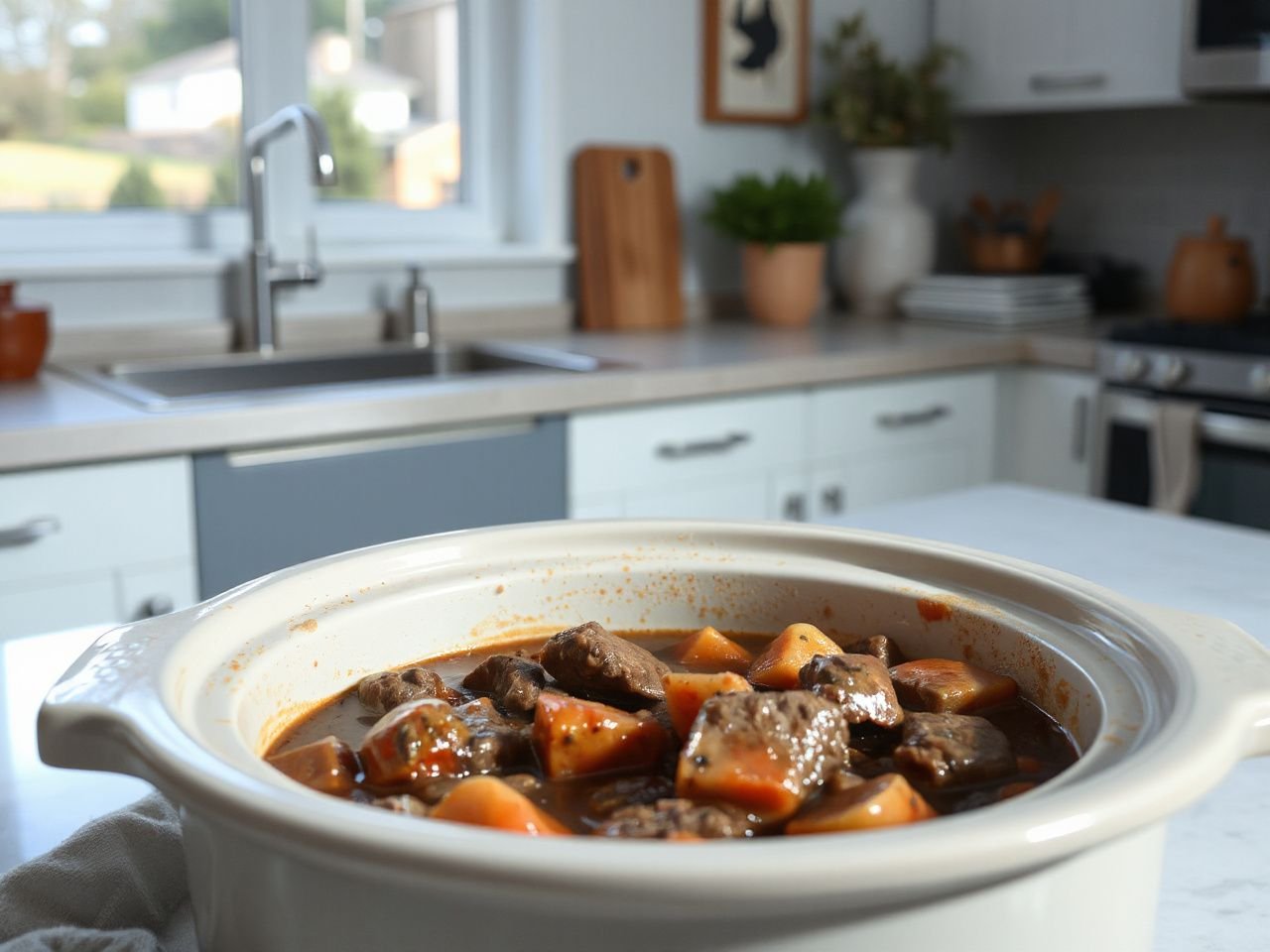
The slow cooker’s value is practical rather than automatic. A glazed ceramic pot with a lid and enclosed electric heating can simplify a long cook, but the appliance still needs a sound surface, correct loading, and a reliable food-safety plan.
Recipes built for the method are easier to assess than improvised conversions. For example, a structured meal such as slow-cooker honey mustard chicken thighs gives the reader a clearer starting point than placing unrelated ingredients into the crock and hoping the overnight setting will solve timing problems.
My answer is therefore conditional: yes, a slow cooker can often remain on overnight when the appliance is undamaged, the surface is suitable, the recipe and setting fit the planned cook, the lid stays closed, and the food’s history remains clear. If any of those conditions fail, the counter space is not buying convenience; it is hiding uncertainty.
Frequently Asked Questions
Can you leave a slow cooker on overnight while nobody is awake?
A slow cooker can be left running overnight only when the appliance is in good condition, placed on a suitable heat-resistant surface, and used according to its instructions. Check the crock, lid, base, cord, plug, and control switch first. Keep the lid closed and avoid recipes that require repeated additions. Food safety still depends on the cooking history and any power interruption.
How should I choose the overnight slow-cooker setting?
Choose the setting named by the recipe and supported by the appliance manual. Do not assume that a low setting fixes an unsuitable recipe timeline or that a high setting can replace proper preparation. Match the ingredient condition, liquid amount, crock loading, and expected finish to the instructions. A programmable control helps only when its operation and end behavior are understood.
What happens if the lid is loose, cracked, or lifted?
A loose or cracked lid can allow heat and moisture to escape, while lifting a sound lid interrupts the cooking environment and changes the planned timeline. Stop and reassess if the lid cannot sit correctly. Do not seal a damaged lid with an improvised material. Repeated lifting also makes it harder to judge whether the food cooked as directed.
What should I do if the slow cooker loses power overnight?
Consider the food’s complete history before deciding what to do. Note when cooking began, when the power may have stopped, and whether the food was raw, partly cooked, or finished. Food that remained at an uncertain warmth or was only partly cooked should not be judged by smell alone. If the interruption cannot be assessed reliably, discard the food.
How should I cool leftovers from an overnight slow-cooked meal?
Do not leave a full batch cooling in the stoneware crock or use the slow cooker as the main reheating method for chilled leftovers. Transfer suitable leftovers into shallow storage containers and follow food-safety guidance for cooling, storage, and reheating. If the meal stayed warm for an uncertain period, treat that uncertainty as a safety concern rather than trying to rescue it through reheating.