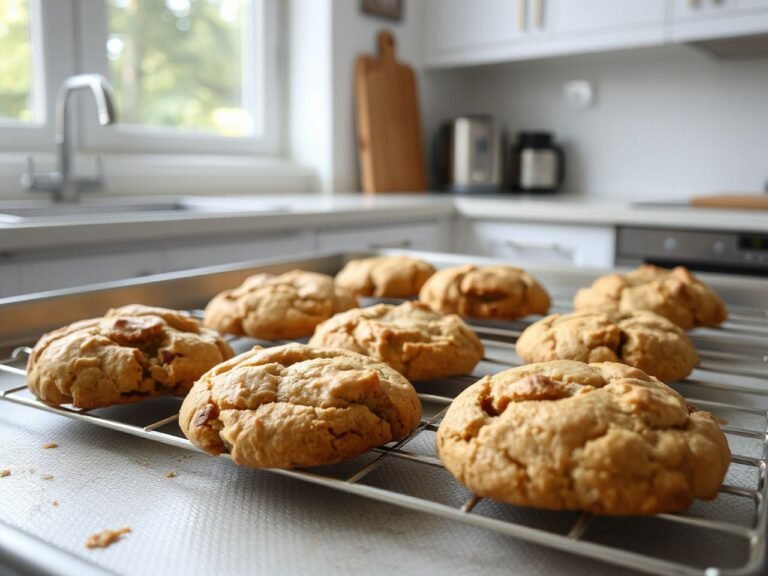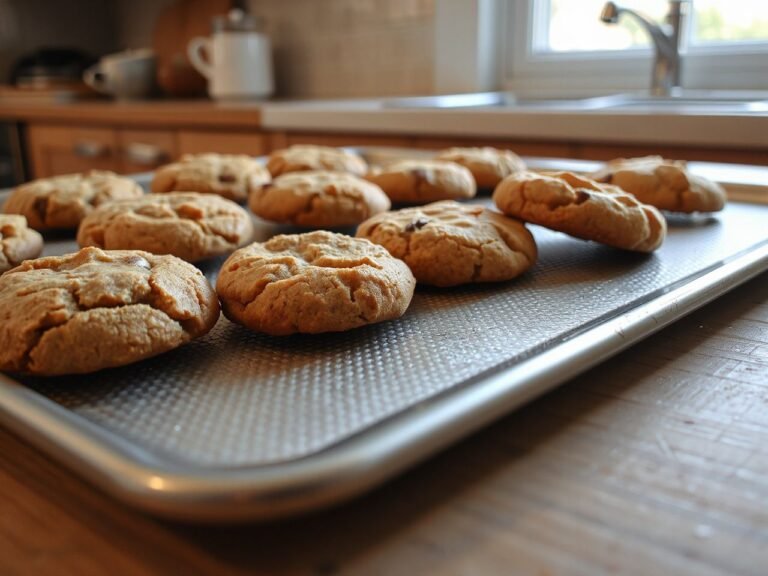
Silicone baking mats have gone from being specialty bakeware to common in home kitchens. You’ll find them beside parchment paper and metal baking sheets. The main difference is between the safety of the silicone material under normal conditions and how well the sheet bakes. A sheet can be food-safe but might brown less than metal and needs different handling. A good guide separates a food-contact silicone baking mat from other silicone items and considers heat, damage, cleaning, and the fiberglass layer as separate safety issues. So, are silicone baking sheets safe to use? If made properly and used within their limits, they can be suitable for baking, but the label, condition, and cooking setup all matter.
Key Takeaways
- Food-contact labeling and the manufacturer’s use limits matter more than the word silicone alone.
- Silicone is flexible and reusable, but it conducts heat less effectively than metal and can change browning and crispness.
- Stop using a sheet that is torn, deeply cut, brittle, badly degraded, unusually tacky, or persistently odorous after proper cleaning.
Are Silicone Baking Sheets Safe in a Regular Oven?
The answer is conditional. A silicone baking sheet meant for food contact and oven use may be fine if used within the limits given by its maker. Those limits are not the same for every silicone item, even if they feel soft and rubbery.
Food-contact silicone is the starting point
The word silicone refers to a material family, not a full safety statement. A food-contact surface must be made and labeled for contact with food. A silicone mold meant for craft work, storage, or other uses shouldn’t be considered bakeware just because it can handle some heat.
Silicone is a synthetic polymer made by adding carbon and/or oxygen to silicon. Silicon has atomic number 14, and silica’s chemical formula is SiO2. These facts are about chemistry but don’t show if a sheet is good for cooking. The product’s intended use and label are the real checks.
The U.S. Food and Drug Administration approved silicone as food-safe in 1979. That doesn’t mean every silicone item is automatically food-safe bakeware. Look for clear labels that say it’s a silicone baking mat, baking sheet, or food-contact product, along with use instructions from the maker.
Heat exposure has boundaries
Manufacturer’s oven limits are important because silicone baking sheets are designed for specific heat exposure. They’re not meant for every heat source in a kitchen. Use the sheet only in the oven and within the limits printed on its packaging or instructions.
- Do not place a silicone baking sheet on a stovetop.
- Do not use a silicone baking sheet over a direct flame.
- Do not put a silicone baking sheet under a broiler unless the manufacturer specifically allows that setting.
- Do not assume that an oven-safe label covers grill, burner, flame, or other direct-heat use.
An oven surrounds the pan with heated air, but a stovetop burner or flame applies concentrated heat to a small area. That difference makes following the directions essential. Never use a silicone baking sheet over direct flame, on a stovetop, or outside its specified oven use.
Odors and chemical concerns
A new silicone sheet might have an odor, and it can also hold smells from strongly flavored or greasy foods. Odor alone doesn’t identify the source or prove harmful substances are entering food. The best approach is to wash the sheet according to its instructions, rinse it well, and inspect it before use.
Persistent chemical odor after cleaning needs more caution. Unusual tackiness, discoloration, or residue also mean you should stop using the sheet. Check its condition and intended use first. Chemical migration from cookware is a food-contact question, so don’t substitute generic silicone products for bakeware designed for baking.
How Silicone Sheets Behave Compared With Metal
Safety and baking performance are separate issues. A food-contact silicone baking mat might be safe for the oven but can give a different result than a metal baking sheet.
Heat transfer changes the bake
Silicone is a poor heat conductor compared with metal. Metal transfers heat into dough more readily, which can support stronger browning and crisper edges. A silicone sheet creates a different baking surface, so cookies, pastry, and other foods may spread, brown, or crisp differently even when the silicone itself remains within its use limits.
Silicone’s flexibility changes how you handle it. A rigid metal baking sheet supports food as it moves from counter to oven. A silicone mat can bend when lifted. Place the mat on a firm baking sheet before adding loose dough or hot items. The pan gives support; the silicone provides the contact surface.
A metal baking sheet transfers heat more directly than a silicone baking mat, so the two surfaces should not be expected to produce identical browning. That difference is a performance issue, not automatic evidence that the silicone is unsafe.
Browning, crispness, and spreading
Foods that depend on a dry, browned underside may behave differently on silicone than on bare metal. Delicate dough can spread in another pattern, and a base that would become deeply colored on metal may remain lighter on silicone. Watch the food itself rather than copying assumptions from a metal-pan recipe.
Parchment paper can also change how food contacts the pan, but it should be used according to its packaging. For a clear comparison of cleanup, release, and baking, see how parchment paper compares with a silicone baking mat.
Grease and release
Many silicone baking mats are popular because foods release easily without heavy greasing. That doesn’t mean every mixture will lift cleanly or that the surface can be neglected. Sugary, oily, or seasoned foods can leave a film that affects future baking and can attract odors.
Don’t judge a mat just by whether the first batch releases. Check the finished surface, the underside, and the edges for residue. A clean surface gives you a better starting point for the next bake.
Silicone, parchment, and coated bakeware
Parchment paper is disposable, while a silicone mat is intended for repeated use. A silicone mat can reduce the need for new sheets of parchment, but its value depends on proper care and continued surface condition. A damaged mat loses the practical advantage of being reusable.
PTFE-coated bakeware brings up different questions about materials and heat than silicone. You should evaluate a coated metal pan using its own label and care instructions. Don’t assume all nonstick surfaces behave the same. The finish on cast iron also needs attention: a well-maintained seasoning layer helps with release and cleaning, while a neglected finish might need cleaning and rebuilding.
Inspecting, Cleaning, and Storing a Silicone Baking Sheet
Condition is part of safety. A sheet that started as food-contact bakeware can become unsafe if its surface is damaged or cleaning becomes unreliable.
Check the surface before every use
Lay the mat flat under good light and inspect both sides. Look for the following signs:
- Tears or deep cuts from knives, scrapers, or sharp-edged pans.
- Brittleness, cracking, or a surface that no longer feels like sound silicone rubber.
- Unusual tackiness that remains after washing.
- Persistent chemical odor after proper cleaning.
- Discoloration or residue that does not come away through the stated cleaning method.
- Any place where the reinforcing layer is visible.
A silicone baking sheet with a deep cut shouldn’t be considered just unattractive. Damage can expose the fiberglass mesh inside and create grooves where grease and food residue can get trapped. Stop using a torn, deeply cut, brittle, or badly degraded sheet.
Understand the fiberglass layer
Many flexible baking mats reinforce the silicone with fiberglass mesh underneath. The mesh helps keep the sheet stable but isn’t the food-contact surface. If a tear or deep cut exposes fiberglass, discard the sheet instead of trying to cover the damage with parchment or tape.
Covering exposed reinforcement doesn’t restore the original surface. The patch can shift, trap residue, or make inspection harder. A damaged sheet also can’t be cleaned with the same confidence as an intact one.
Wash away grease and odors
Always follow the maker’s cleaning instructions first. Use the recommended cleaning method, rinse away detergent, and let the surface dry completely before rolling or storing it. Avoid tools that can cut or gouge silicone rubber.
Grease can stay in the surface texture even when the mat looks clean. If the sheet still smells strongly of food, wash it again using the recommended method and check it afterward. Persistent odor, tackiness, discoloration, or residue means it shouldn’t go back to food contact until its condition and use are clear.
Dishwasher use
A silicone baking sheet might be dishwasher-safe, but that depends on the specific product. Check the label or care instructions instead of assuming it’s safe based on another mat. If it is dishwasher-safe, support the sheet fully so it doesn’t fold around dirty items or sharp utensils.
A dishwasher doesn’t repair cuts, remove every absorbed odor, or restore a worn surface. Cleaning instructions tell you how to wash the sheet; inspection shows if it’s still suitable for use.
Storage and handling
Keep the mat clean and dry, and store it away from sharp objects that could pierce or score it. Rolling might be okay if the manufacturer allows it, but avoid tight folds that cause permanent creases or stress damaged areas. Don’t drag a knife across the surface to cut dough or release food.
Support a filled mat with a rigid baking sheet when moving it. A flexible sheet can buckle when lifted, letting batter or hot food shift. The pan underneath also makes taking it out of the oven more controlled.
Using a Silicone Baking Mat Without Creating New Risks
Safe use starts with matching the sheet to the task. A silicone mat can be useful for cookies, pastry, and other oven foods that suit its surface, but it is not a universal liner for every cooking method.
Choose the right surface for the food
Use a silicone mat when reusable release and easy cleanup fit the recipe. Choose parchment paper if a disposable liner is better or if the recipe calls for it. Metal is best when direct heat, browning, or a crispy bottom are key to the result.
Don’t automatically add parchment to every silicone mat. Extra layers can affect contact and handling, and they don’t fix an unsafe or damaged sheet. If food sticks, check the recipe, the mat’s condition, and the manufacturer’s instructions.
Keep unsuitable heat away
A silicone baking sheet belongs in the oven use category specified by its manufacturer. It does not belong on an electric or gas stovetop, beneath a broiler without permission, over a direct flame, or in other settings not covered by the instructions.
Don’t place a cold, flexible mat where it can touch a burner during transfer. Keep the sheet on a stable baking pan and use oven-safe handling practices for the pan. The silicone surface doesn’t eliminate the need to protect hands from hot metal.
Meat and savory foods
A silicone baking mat can be used for savory oven foods only if it’s labeled for food contact and the cooking setting stays within its limits. Fat, browned juices, spices, and strong aromas can make cleanup harder than after plain dough baking.
Clean the mat promptly after greasy or strongly seasoned foods, following the instructions. If odor or residue remains, stop using the sheet for food and check whether the surface has degraded.
Know when replacement is the safer choice
Replacement is needed when the silicone is torn, deeply cut, brittle, badly degraded, persistently tacky, or can’t be cleaned and deodorized properly. Visible fiberglass mesh is a clear sign to stop using the sheet.
A silicone baking mat’s safety lifespan can’t be determined by age alone. Condition is more important than a calendar. An undamaged surface with clear food-contact labeling and proper care is different from a sheet that has been cut, overheated, or left coated with residue.
Common Questions About Safe Silicone Baking Sheets
Are silicone baking sheets safe to use in a regular oven?
A food-contact silicone baking sheet labeled for oven use can be suitable if used within the manufacturer’s stated limits. Don’t use it on stovetops, direct flames, or broilers unless the instructions specifically allow that. Check the sheet before use and discard it if damaged or if it smells bad after cleaning.
How can I tell whether a silicone sheet is intended for food contact?
Look for clear wording that shows the item as a silicone baking mat, baking sheet, or food-contact bakeware. Read the care and heat instructions carefully, and don’t rely on just the word silicone. The FDA’s food-contact info is at fda.gov, but a general material statement isn’t a substitute for the product’s own labels.
What happens if the silicone tears and fiberglass mesh becomes visible?
Stop using the sheet. Fiberglass mesh is reinforcement beneath the silicone, not the intended food-contact surface. A tear creates a place where grease and food residue can stay. Do not cover the damage with parchment, tape, or another liner and keep baking; replace the damaged sheet instead.
Can silicone baking sheets go in the dishwasher?
Some can, but dishwasher suitability is product-specific. Check the manufacturer’s care instructions before putting the mat in a dishwasher. Washing cannot fix a cut, exposed reinforcement, brittle silicone, persistent tackiness, or residue left after cleaning. Dry the sheet completely before storing it.
Do silicone baking sheets need parchment paper?
Not automatically. A silicone baking mat is designed to serve as the food-contact surface, but recipes and foods vary. Parchment may help for a specific task, but it doesn’t repair a damaged mat or make direct-flame use safe. Pick the liner based on the recipe, the manufacturer’s directions, and the result you want.
Do silicone sheets brown food like metal baking sheets?
No surface should be expected to behave exactly the same. Silicone conducts heat less effectively than metal, so browning, crispness, spreading, and the underside can differ. A metal baking sheet is often more predictable if strong browning or a crisp base is key to the recipe.
Can silicone release odors or chemicals into food when hot?
A temporary odor doesn’t automatically mean chemical migration, but persistent chemical smell, unusual tackiness, discoloration, or residue after cleaning are reasons to stop using the sheet. Food-contact labeling and the manufacturer’s heat limits matter. Generic silicone items shouldn’t be used as substitutes for bakeware.
For more details on material labeling, damage, and oven use, see the guide to silicone baking mat safety. Those comparing surfaces can also review how dark and light baking sheets affect baking before choosing between flexible silicone and rigid metal.
The practical answer is clear: silicone baking sheets can be suitable for food contact when they are made and labeled for that purpose, used only within their intended oven limits, cleaned as directed, and removed from service when damaged. Their safety does not guarantee the same browning as metal, and their flexibility requires more careful support and inspection.