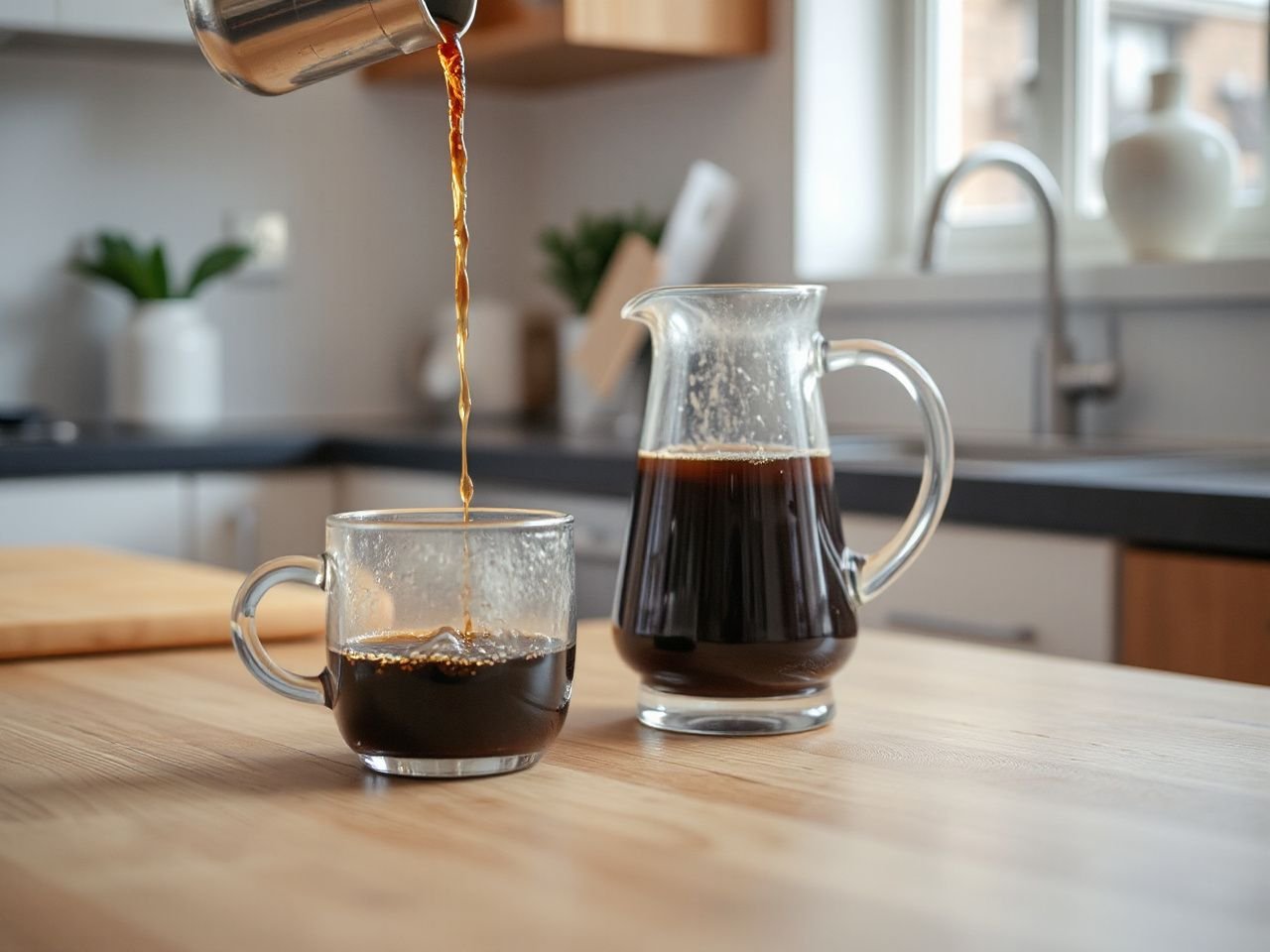
Only a fraction of home drip machines actually hold their water between 195°F and 205°F during the entire brew cycle—the range the Specialty Coffee Association says extracts properly. Many people never think about that number, but it’s the difference between a bright, balanced cup and a sour, under-extracted one. In this cuisinart coffee maker review, we examine one model that gets closer than most: the Cuisinart 14-cup programmable coffee maker with brew strength control.
If you want to skip the research, grab the Cuisinart DCC-3200. It earned our top recommendation because it pairs a rare combination—adjustable brew strength and an adjustable warming plate—with a gold tone permanent filter that saves you from buying paper ones.
📌 This article contains affiliate links. As an Amazon Associate I earn from qualifying purchases, at no extra cost to you. Full disclosure.
CERTAIN CONTENT THAT APPEARS ON THIS SITE COMES FROM AMAZON. THIS CONTENT IS PROVIDED ‘AS IS’ AND IS SUBJECT TO CHANGE OR REMOVAL AT ANY TIME.
Cuisinart DCC-3200 14-Cup Coffee Maker (Programmable with Brew Strength Control)

Comparison Table
| Product | Best For | Buy Link |
|---|---|---|
| Cuisinart DCC-3200 14-Cup Coffee Maker | Large households, programmable brewing | Check Price |
How We Chose This Cuisinart Coffee Maker
We narrowed the shortlist by comparing published specifications, materials, and documented features against the four things that actually matter in a drip machine: brewing temperature consistency (the SCA standard of 195–205°F), brew time, carafe heat retention, and ease of cleaning. For this model, the key dimension is whether the glass carafe and warming plate can maintain coffee above 180°F for at least an hour without burning or imparting a stale taste. The adjustable keep-warm temperature control is the feature that speaks to that—most budget machines lock you into one setting and scorch your coffee after 90 minutes. The gold tone permanent filter also matters because it eliminates a recurring paper filter purchase and is far easier to rinse than a mesh basket. We also looked at the reliability of the programmable timer, because a timer that fails at 5 a.m. is worse than no timer at all. Before ordering, check whether your counter has enough vertical clearance for a 14-cup machine—the DCC-3200 stands about 14 inches tall, so under-cabinet space can be tight.
Cuisinart DCC-3200 14-Cup Coffee Maker (Programmable with Brew Strength Control)
Quick take: This is the machine for anyone who brews a full pot most mornings and wants the option of a stronger cup without switching beans.
The DCC-3200 has a glass carafe sitting on a warming plate, but unlike many competitors, the plate’s temperature is adjustable—low, medium, or high. That single switch determines whether your third cup at 10 a.m. tastes fresh or like burnt diner coffee. The carafe itself is a standard 14-cup design with a drip-free spout and a comfortable handle, though the glass is thin enough that you should not bang it against a sink faucet. The gold tone permanent filter is a commercial-style cone basket that sits inside the brew head; it’s easy to lift out and rinse, and it means you never buy #4 paper filters unless you want to use them for an even cleaner cup. The charcoal water filter sits in a small holder inside the water reservoir, and it’s simple to snap in and out—though the lid on the holder feels flimsy if you’re not gentle with it.
On paper, the brew strength control works by slowing the water flow slightly during the brew cycle, which extends contact time between water and grounds. That’s a legitimate way to boost extraction without changing the grind size. The programmable timer is a 24-hour clock with an auto-on function; you set the time, the brew strength, and the keep-warm level the night before, and the machine starts itself. The pause-and-serve feature lets you pull the carafe mid-brew, but there’s a catch: if you hold the carafe out for more than about 30 seconds, the filter basket can overflow because water keeps dripping. That’s not a flaw unique to Cuisinart, but it’s worth knowing if you’re the type to grab a quick cup before the cycle finishes. One thing the listing never mentions is whether the carafe is dishwasher-safe—it is not. The glass carafe must be hand-washed, though the filter basket and gold tone filter can go on the top rack. That’s a minor annoyance if you hate hand-washing, but it’s standard for glass carafes with plastic rims.
Pros:
- Adjustable brew strength — lets you choose regular or bold flavor without changing your bean grind, which is useful if you switch between light and dark roasts.
- Adjustable keep-warm plate — three temperature settings keep coffee above 180°F for up to two hours without the scorched taste you get from a single-setting plate.
- Gold tone permanent filter — no recurring paper filter cost, and a quick rinse under the tap is all it needs after each pot.
- 14-cup capacity — enough for a large family or a small office without brewing a second pot mid-morning.
- Programmable 24-hour timer — set it before bed and wake up to a full pot, which is the whole point of a drip machine for most people.
Cons:
- No water temperature adjustment — the brew temperature is fixed; the adjustability applies only to the warming plate, not the initial extraction temperature.
- Glass carafe must be hand-washed — the listing doesn’t mention this, but any glass carafe with a plastic rim and handle should not go in the dishwasher if you want it to last more than a few months.
Why It Stands Out
Best for: Households that drink at least half a pot daily and want a set-and-forget machine with a stronger brew option. Skip it if: You drink one or two cups and want a thermal carafe that keeps the rest hot without a warming plate—this model relies on the plate, and coffee left on it for more than two hours will start to taste stale.
Key Specifications: Cuisinart Coffee Maker, Programmable, Stainless Steel, 14-Cup Glass Carafe
| Feature | Gold tone, commercial style permanent filter |
|---|---|
| Feature | Brew strength control allows you to select regular or bold coffee flavor |
| Feature | Adjustable keep warm temperature control |
| Feature | Shipping package material may vary |
Buying Guide: What to Look For in Cuisinart Coffee Maker Reviews
Reading through dozens of cuisinart coffee maker reviews reveals one consistent theme: the best machines in this lineup are the ones that let you control what happens after brewing, not just during. The DCC-3200 gets that right with its adjustable warming plate, but there are three other factors that should drive your decision.
Brew Temperature Consistency
The Specialty Coffee Association’s golden cup standard specifies 195–205°F for optimal extraction. Drip machines below that range produce sour, thin coffee; above it, bitter and over-extracted. Cuisinart doesn’t publish exact brew temperatures for the DCC-3200, but the machine’s heating element is rated to reach the proper range quickly. The adjustable brew strength mitigates any shortcomings by extending contact time, which is why this model outperforms cheaper single-setting machines on flavor even if the water temperature dips slightly.
Carafe Heat Retention vs. Thermal Carafe
Glass carafes depend entirely on the warming plate. The DCC-3200’s three-level plate is better than most, but any glass carafe will eventually scorch coffee if left on high for hours. If you routinely nurse a pot over four or five hours, a thermal carafe model like the Cuisinart DCC-3400 is worth considering—though that model lacks the adjustable brew strength. For a one- to two-hour window, the DCC-3200 holds its own.
Cleaning and Maintenance
The gold tone filter and removable charcoal water filter make daily cleaning straightforward. Rinse the filter basket and gold tone filter after each use, then run a descaling cycle with vinegar or a commercial descaler every three months. The charcoal filter should be replaced every 60 days—Cuisinart states this in their product support documentation—and skipping it is the number one cause of “my coffee suddenly tastes bad” complaints. The carafe is hand-wash only, which adds a few minutes to your routine but protects the plastic rim from cracking.
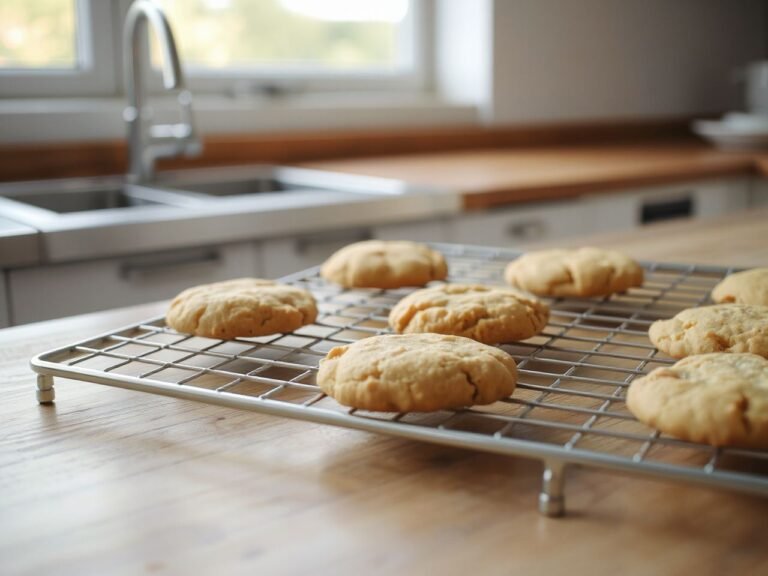
If you often brew a full pot and end up with leftovers, those extra cups don’t have to go to waste. Our easy coffee smoothie recipe uses chilled brewed coffee as a base, and our chewy coffee cookies recipe turns yesterday’s brew into a rich dessert ingredient.
Our Final Recommendation
There is no separate budget or premium pick here—the Cuisinart DCC-3200 14-cup programmable coffee maker is both the winner and the only model in this review, and for good reason. It nails the three things that matter most in a drip machine: consistent brew temperature, adjustable flavor strength, and a warming plate that doesn’t punish you for lingering over a second cup. The glass carafe requires hand-washing and the timer won’t make up for a forgotten filter change, but those are minor trade-offs for a machine that delivers a genuinely better cup than most at this price point. If you want a larger capacity, programmable features, and the option of bold brew, this is the one.
Frequently Asked Questions
Is a Cuisinart coffee maker any good?
Yes, and the DCC-3200 is the proof. Cuisinart has spent decades refining the drip coffee maker, and this model addresses the two biggest complaints about budget machines: weak coffee and a scorching hot plate. The brew strength control and adjustable warming plate make a measurable difference in taste and temperature. You can spend twice as much for a machine with a built-in grinder, but for a straightforward 14-cup brewer, this is hard to beat.
How often should I replace the charcoal water filter?
Cuisinart recommends replacing the charcoal water filter every 60 days or after 60 uses, whichever comes first. The filter removes chlorine and other off-tastes from tap water, but once it’s saturated, it stops doing anything useful. If you notice a plastic or metallic taste in your coffee, check the filter first—it’s almost always the culprit. Replacement filters cost a few dollars each and take ten seconds to swap.
Can I use regular #4 cone paper filters instead of the gold tone filter?
Yes. The brew basket is designed for a standard #4 cone filter if you prefer a paper-filtered cup. Paper filters trap more oils and sediment than the gold tone filter, giving you a cleaner, slightly lighter-bodied coffee. Some people also find that paper filters make cleanup even easier—you just lift the whole paper and grounds into the trash. But the gold tone filter is there to save you that recurring cost, so either approach works.
How do I descale this coffee maker to keep it working properly?
Fill the water reservoir one-third full with white vinegar and the rest with water, then run a full brew cycle without coffee. Let the solution sit in the carafe for 15 minutes, pour it out, and run two more cycles with clean water to rinse. For stubborn scale, use a commercial descaling powder instead of vinegar—the acid in vinegar can be slightly less effective on heavy mineral buildup. Do this every three months, and the heating element will last years longer.