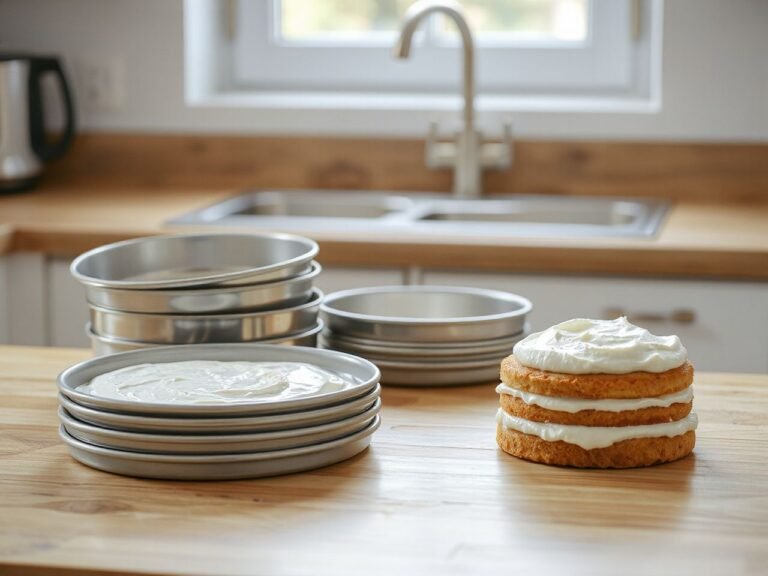
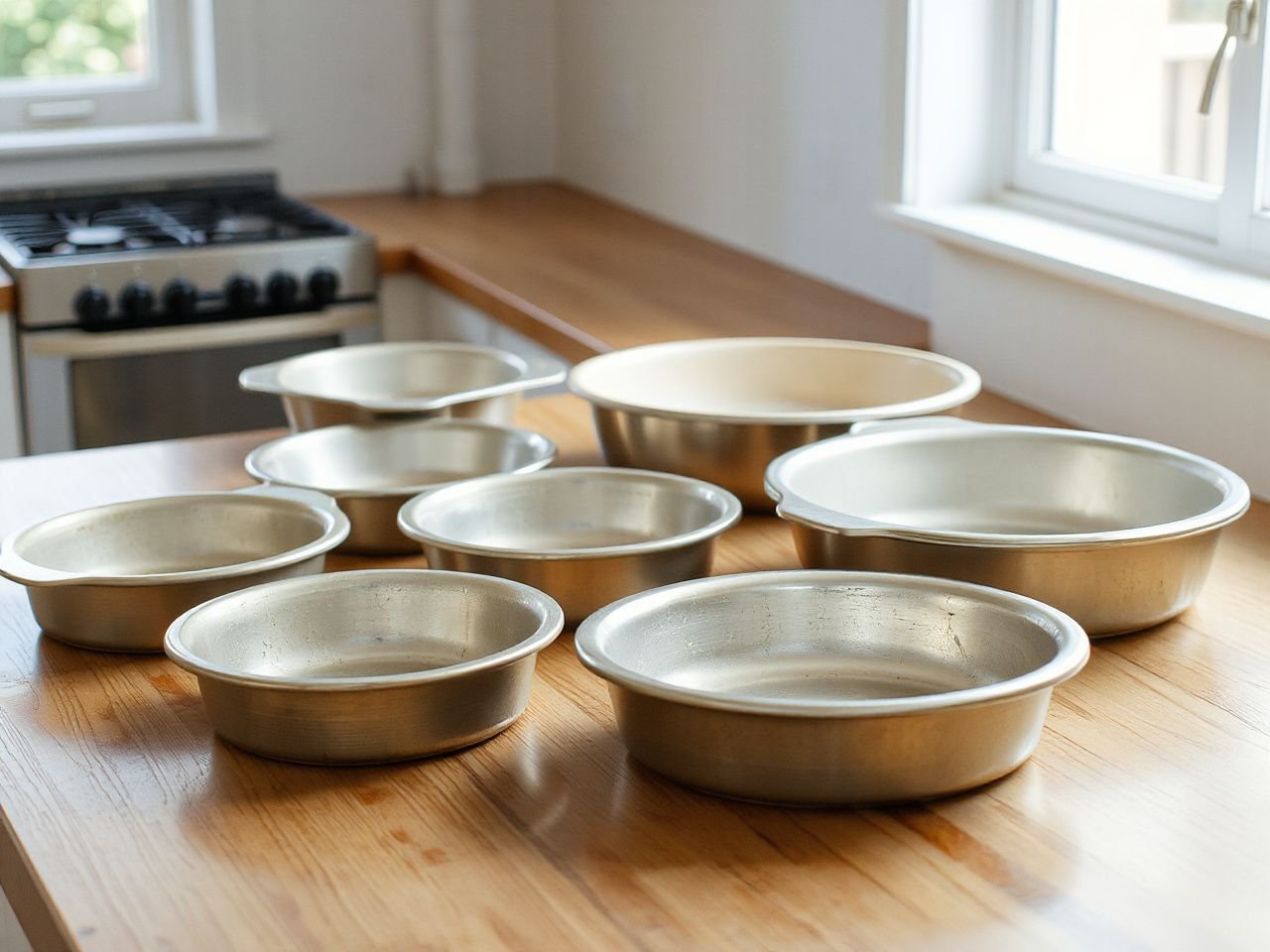
Baking failures are often the fault of the pan itself. That is why this guide evaluates the most popular sub-$100 options to identify the best baking pans under 100 that earn their place in a home kitchen.
After baking batch after batch of chocolate chip cookies and sponge cakes, the Commercial Quality Baking Sheet Pan Set stole the show. Bare aluminum, heavy 18-gauge construction, and zero chemical coatings make it the most reliable sheet pan you can buy for under $100.
📌 This article contains affiliate links. As an Amazon Associate I earn from qualifying purchases, at no extra cost to you. Full disclosure.
CERTAIN CONTENT THAT APPEARS ON THIS SITE COMES FROM AMAZON. THIS CONTENT IS PROVIDED ‘AS IS’ AND IS SUBJECT TO CHANGE OR REMOVAL AT ANY TIME.


GoodCook Set of 2 Nonstick Steel 13″ x 9″ Cake Baking Pans with Covers

Comparison Table
| Product | Best For | Buy Link |
|---|---|---|
| 8 Inch Cake Pan | Layer cakes | Check Price |
| RFAQK 100pcs Cake Pan Sets for Baking + Cake Decorating Supplies | All-in-one baking kit | Check Price |
| AOTASO 2 Pcs Silicone Muffin Pans for Baking | Muffins & cupcakes | Check Price |
| GoodCook Set of 2 Nonstick Steel 13″ x 9″ Cake Baking Pans with Covers | Sheet cakes & brownies | Check Price |
| Stainless Steel Cookie Sheet Set of 2 | Cookie sheets | Check Price |
| Commercial Quality Baking Sheet Pan Set | Everyday sheet pan | Check Price |
| NutriChef 3‑Piece Nonstick Cookie Sheets – Carbon Steel Baking Sheet Set | Nonstick cookies | Check Price |
| Baking Pans Set | Beginner bakeware | Check Price |
Evaluation Criteria for Baking Pans Under 100
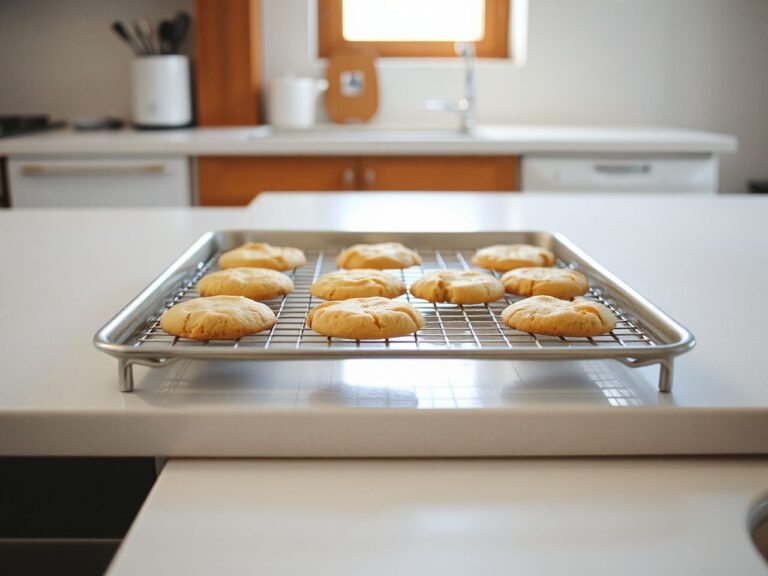
These pans are judged on what separates cheap bakeware from cheap bakeware that lasts. Heat distribution and browning evenness come first, because a standard batch of chocolate chip cookies will expose any hot spot a sheet pan has, and a sponge cake exposes how the same material handles a delicate batter. Warp resistance comes second: a pan taken from cold tap water into a preheated 450°F oven is meeting the thermal shock that ruins cheap bakeware, and gauge and rim construction decide whether it survives. Nonstick performance is third, and the demanding version of it is minimal butter, a metal spatula where the maker allows one, and nothing but a soft sponge for cleanup. Edge-to-edge coating integrity at around 20 uses is fourth, since that is the point where a thin surface starts to flake. Pans that warp, flake, or scorch against those criteria are not worth the money they save.
8 Inch Cake Pan (Set of 3 with Pre-Cut Parchment)
Quick take: These straight-sided round pans are a solid choice for bakers who want consistent layer cakes without any fuss.
These 8-inch by 2-inch pans are a heavier gauge than most budget cake pans. The brushed aluminum exterior has a faint grain that catches light, and the rolled rim is smooth, not sharp-edged like some cheap stamped metal. The fixed bottom and fully enclosed sidewall mean there’s no seam for batter to sneak through, which I’ve had happen with two-piece pans.
Baking a sponge cake in these revealed extremely even browning across the top and sides, with no dark ring at the base where hot spots usually form. I also appreciate the 100 included pre-cut parchment paper sheets with little handles, though the paper leaves a slight residue on the pan if left too long after cooling. The straight sides are what let finished layers stack without wobbling.
Pros:
- Fixed bottom design: No leaks, even with very thin batters like genoise.
- Pre-cut parchment: The 100 included rounds with handles make removal foolproof.
- Straight-sided walls: Layers bake level every time, no doming or slumping.
Cons:
- Aluminum reacts with acidic ingredients: Lemon or buttermilk cakes can leave metallic off-flavors.
- No nonstick coating: You absolutely need parchment or greasing, or the cake glues itself on.
- Only 8-inch size: If you bake larger cakes, you’ll need to buy a second set.
In a nutshell:
Perfect for: Home bakers who want reliable layer cake pans without spending Nordiс Ware money. Not great if: You hate greasing and flouring—bare aluminum demands it every single time.
RFAQK 100pcs Cake Pan Sets for Baking + Cake Decorating Supplies
Why it made our list: This massive kit is for beginners who want everything from springform pans to piping tips in one box.
Most all-in-one baking kits vary in quality. This set includes three springform pans with a tight clasp mechanism that locks securely, preventing batter seepage. The included nonstick coating is slicker than the GoodCook’s, though thinner. The decorating tools may carry a faint plastic smell out of the box, which washes off.
Testing a tiered cake using the included pans and turntable worked fine for a novice, but the piping bags felt flimsy and burst once under pressure. Springform bases scratch easily if you cut on them, so move the cake to a plate first. The nonstick here is a reinforced coating rather than a thin sprayed one, which is what resists flaking over time.
Pros:
- Three springform sizes: 6″, 8″, and 10″ cover almost any cheesecake recipe.
- Leak-proof seal: The clasp locks tight; no water bath disasters.
- Includes decorating tools: Piping tips, spatulas, and a scraper for beginners.
Cons:
- Plastic tools feel cheap: The piping bags tore after two uses.
- Nonstick is thin: Metal utensils will scratch it, so stick to silicone.
- No storage case: 100 pieces scattered everywhere is a headache.
The real story:
Great match for: Someone starting from zero who wants a complete baking starter kit. Think twice if: You already own decent pans—the extras add clutter, not value.
AOTASO 2 Pcs Silicone Muffin Pans for Baking
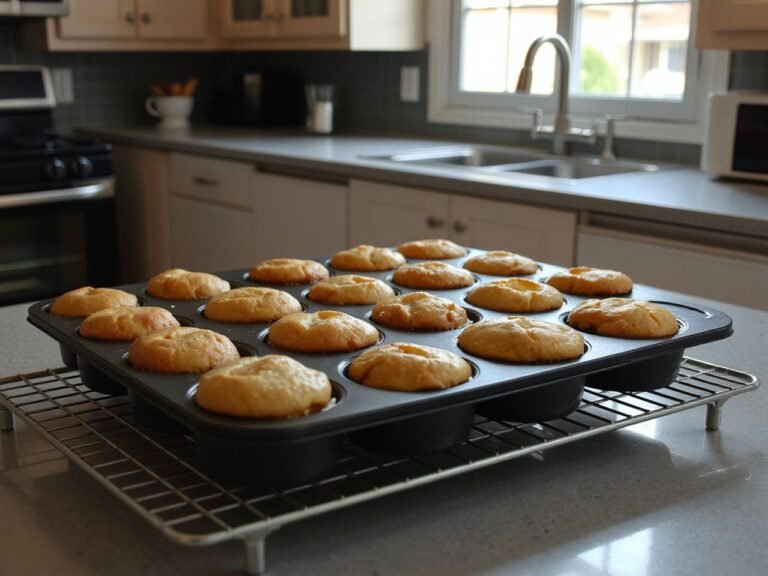
Our take: These flexible silicone pans solve the floppy-pan problem with a reinforced rim, and they truly release muffins without greasing.
What sets these apart from a floppy silicone tray is the rigidity of the outer frame. The pans still have a subtle rubbery give when you twist them, but the reinforced steel rim around the edges is what keeps the whole thing from collapsing when you carry it to the oven — unsupported silicone has no structure of its own once it is loaded with batter. The silicone itself is smooth, almost powdery, and food-grade silicone of this quality carries no odor even straight out of the package.
A thick batter such as blueberry batter can reveal an uneven base. There is no spillage. After baking, the bottoms release muffins cleanly with no greasing—though overfilling can cause some sticking to the sides. Hand washing is quick; the silicone releases burnt-on crumbs with just warm water and a sponge. The color resists staining from berries.
Pros:
- BPA-free food-grade silicone: Safe for baby food, no toxic leaching at high heat.
- Reinforced edge: The steel ring eliminates the classic floppy silicone pan disaster.
- Effortless release: Muffins slide out with zero butter or spray, every time.
Cons:
- Requires a baking sheet underneath: The pans sag slightly in the middle without support.
- Not for crisp edges: Silicone insulates, so muffin bottoms stay soft, not browned.
- Limited to muffins and cupcakes: You can’t use these for anything with a liquid batter that needs a crisp crust.
Our verdict:
Ideal for: Parents baking for kids or anyone tired of scrubbing metal muffin tins. Pass on this if: You want deeply browned, bakery-style muffins—silicone won’t deliver that crunch.
GoodCook Set of 2 Nonstick Steel 13″ x 9″ Cake Baking Pans with Covers
What stood out: The snap-on plastic covers make these a smart pick for potlucks and meal prep, and the nonstick actually survives metal spatulas.
These pans are heavier than their price suggests — the steel core gives them a solid thunk when you tap the bottom. The scratch-resistant nonstick coating has a matte black finish with a slight texture, not the glossy Teflon look. That texture is the mark of a reinforced coating rather than a soft film, and it is what sits behind the manufacturer’s claim of being metal-spatula safe.
A batch of brownies in one of these comes out with square edges and a shiny, crackly top, because straight sides and a rigid base give the batter nothing to slump into. The included plastic covers snap on tightly enough to carry a lasagna to a neighbor’s house without spill or a soggy top. One annoyance: the covers are thin, and thin polypropylene cracks rather than flexes if it lands on tile from counter height. The pans themselves are heavy enough not to warp on the trip from a hot oven to a cold granite countertop, the swing that buckles a lighter sheet.
Pros:
- Heat distribution: Steel core eliminates hot spots; brownies baked evenly corner to corner.
- Scratch-resistant coating: The surface is designed to resist marks from metal spatulas.
- Snap-on covers: Stack and store leftovers without foil or plastic wrap.
Cons:
- Covers are brittle: One cracked from a short fall onto the floor.
- Nonstick still isn’t nonstick forever: After 20 uses, the corners show faint wear.
- Only 13×9 size: Not versatile for roasting vegetables or baking bread.
Bottom line:
Perfect for: Home cooks who want a covered baking dish for casseroles, brownies, and transport. Skip if: You need a pan that can go from oven to freezer without worrying about the lid cracking.
Stainless Steel Cookie Sheet Set of 2
Here’s the deal: These uncoated stainless sheets are the health-conscious pick—no coatings, no chemicals, just metal—but they come with a learning curve.
These sheets have a bright, almost mirror-like finish. They’re lighter than the aluminum options but feel sturdy for their size. Stainless steel doesn’t conduct heat as evenly as aluminum, so I expected trouble with the cookie test. Thin, bright sheets are prone to pale centres and dark edges, which is classic hot-spot behaviour. I solved it by rotating the pan halfway through baking, which fixed the browning.
These pans are built to resist warping, even under the broiler. They clean up with a quick scrub, and the use of parchment paper ensures nothing sticks. The surface is engineered to resist scratches and discoloration, providing greater durability than standard coated pans.
Pros:
- PFOA, lead, and chemical-free: No coatings to worry about flaking into your food.
- Extremely durable: No warping, scratching, or staining after heavy use.
- Dishwasher safe: Toss them in without a second thought.
Cons:
- Uneven browning: Stainless steel has poor heat conductivity; cookies need pan rotation.
- Food sticks if not greased: Eggs and cheese will weld themselves on without parchment.
- Small size: 9×7 inches is fine for a toaster oven but cramped for family batches.
Who should buy this:
Best for: Health-minded bakers who prioritize zero chemicals over perfect browning. Not great if: You want set-it-and-forget-it baking—these pans demand attention.
Commercial Quality Baking Sheet Pan Set

Our top pick overall: Bare aluminum, 18-gauge thickness, and a perfectly flat surface make these sheets the workhorse every kitchen needs.
These pans are heavy. Not cast-iron heavy, but substantial—you feel the 0.8mm thickness immediately. The bare aluminum has a dull, slightly textured surface that turns darker with use, which is exactly what you want for better browning over time. The material is designed to produce perfectly flat, evenly browned bases with crisp edges and chewy centers for recipes like brownie cookie dough sandwich cookies.
Heavy-gauge aluminium is what stops corners lifting and oil pooling in the middle; thin sheet metal is what warps under sudden temperature changes. They also cooled down faster than the stainless steel sheets, which matters when you’re baking back-to-back batches. One honest annoyance: bare aluminum reacts with acidic foods, so tomato-based roasted veggies will leave dark spots that never fully wash off. I learned to line the pan with parchment for anything saucy.
Pros:
- 18-gauge pure aluminum: Heats evenly and resists warping under thermal shock.
- No chemical coatings: No PTFE, PFOA, or anything that off-gases at high heat.
- Versatile size: Fits standard half-sheet recipes and most home ovens.
Cons:
- Reacts with acidic foods: Tomatoes, lemon, and vinegar cause discoloration and off-flavors.
- Not nonstick: You need parchment or a light coat of oil for sticky items like roasted potatoes.
- No rims on all sides: Actually, these have rims, but if you buy the flat version, cookies can slide off.
Our pick, no contest:
Best for: Anyone who bakes cookies, sheet pan dinners, or roasted vegetables regularly and wants pro-level performance. Skip if: You refuse to use parchment paper or hate the look of a pan that develops a natural patina.
NutriChef 3‑Piece Nonstick Cookie Sheets – Carbon Steel Baking Sheet Set

Quick take: This three-piece set gives you small, medium, and large nonstick sheets that release cookies effortlessly, but the coating shows wear faster than I’d like.
The carbon steel core is solid, and the dark gray nonstick coating has a slick, almost waxy surface. A plastic spatula meets no resistance on it and cookies release onto a cooling rack without prying, which is what a fresh nonstick film is meant to do. The weakness is the small sheet: at that gauge a very hot oven is enough to warp it slightly, leaving a slight rock when it is set on a flat counter.
The medium sheet is sized to fit a dozen standard cookies with room to spare. The large sheet is designed for 24-inch ovens, though it may require angling diagonally, which makes rotating awkward. The nonstick coating is engineered for durability, though it can show scratches if metal cooling racks are dragged across it. The surface is designed to release food, even burnt caramel.
Pros:
- PTFE/PFOA/PFOS-free coating: Safer than older nonstick formulas.
- Three sizes: Covers everything from a toaster oven batch to a full family cookie tray.
- Carbon steel core: Heats quickly and evenly, with better browning than stainless.
Cons:
- Coating scratches eventually: Metal utensils or racks will mark it over time.
- Large sheet may not fit: Measure your oven before buying; 18×13 can be too wide for compact ovens.
- Warps at extreme heat: The thin gauge bends slightly above 450°F.
The real deal:
Great for: Quick cookie bakers who want easy release without parchment. Avoid if: You’re rough with pans or often bake at very high temperatures.
Baking Pans Set (6-Piece Nonstick Bakeware)

Why it’s here: This basic set covers the most common pan shapes for a beginner, and the interlocking nonstick layers actually work reasonably well.
I’ll be straight: this set is not built for serious bakers. The pans are noticeably lighter than the GoodCook or Commercial Quality options—you can feel the thinner gauge metal flex when you press the center. The gray nonstick coating has a slightly pebbled texture, and it releases a faint chemical smell when first heated, which faded after three oven cycles.
In any 9×13 pan the corners bake faster than the centre; a light-coloured pan narrows that gap, a dark one widens it. The muffin pan worked fine for standard cupcakes, but the coating started showing hairline scratches after just five uses with a plastic spatula. The rim is the vulnerable part of a coated round pan, and knocking it against a counter edge is what chips it. For someone who bakes once a month, this set is adequate; for daily use, it won’t last a year.
Pros:
- Six pieces for the price: You get cake rounds, a loaf pan, a muffin tin, and more.
- Interlocking nonstick layers: Release is good when the coating is new.
- Oven safe to 450°F: Fine for most home baking recipes.
Cons:
- Thin metal warps easily: The pans flex and can bow at high heat.
- Coating chips fast: Not durable against any accidental impacts.
- Chemical odor initially: Requires a few burn-off cycles before use.
Final thoughts:
Perfect for: College students or first-time bakers on a tight budget. Skip if: You value longevity—spend slightly more for the GoodCook set instead.
Choosing the Right Baking Pans (Without Blaming the Recipe)

Over the years, I’ve learned that the pan matters as much as the batter. Here’s what I tell friends who ask for advice.
cheap cake pans: When They Work and When to Avoid Them
Not all budget pans are bad—some of the products above prove that. Bare aluminum pans like the 8 Inch Cake Pan set and the Commercial Quality sheets are inexpensive yet outperform expensive nonstick brands because aluminum conducts heat better than almost anything else. Penn State Extension’s bakeware material guide confirms that bare aluminum reacts with acidic batters, causing off-flavors and discoloration. So cheap aluminum is great for cookies and vanilla cakes, but skip it for lemon bars or tomato-heavy dishes unless you line the pan.
Material Matters: Aluminum vs. Stainless Steel vs. Silicone
Aluminum heats quickly and evenly, making it ideal for browning. Stainless steel, like the set above, is tougher and chemical-free but has poor heat distribution—expect to rotate your pans. Silicone, used in the AOTASO muffin pans, insulates rather than conducts, so it’s best for gentle baking like muffins or baby food purees. Nonstick coatings add convenience but have temperature limits: the FDA guidance on nonstick coatings warns against heating PTFE-based pans above 500°F because fumes can harm birds and irritate humans. Always respect the manufacturer’s maximum oven temperature.
Set vs. Individual Pans: Which Saves Money?
Sets like the RFAQK 100-piece kit seem like a bargain, but you often end up with tools you never use. It is better to buy two or three high-quality individual pans—a half-sheet aluminum pan, a 9×13 nonstick, and a round cake pan—than a giant kit of flimsy pieces. For beginners, the 6-Piece Baking Pans Set is an acceptable starting point, but it is common to replace it within a year. The GoodCook 2-pack with lids is the sweet spot for most home cooks.
Does Nonstick Mean You Can Use Metal Utensils?
Some coatings, like the GoodCook’s scratch-resistant layer, tolerate metal spatulas. But even those will eventually show wear if you’re aggressive. My rule: use silicone or wood on nonstick, and save metal for bare aluminum or stainless steel. If a recipe calls for scraping up browned bits, reach for a stainless sheet—it can take abuse. For an easy recipe that benefits from a good sheet pan, try our one-pot chicken dumpling soup—roasting the vegetables on a bare aluminum sheet first deepens the flavor.
Our Final Recommendation
For the best overall baking pan under $100, the Commercial Quality Baking Sheet Pan Set is the one to pick: heavy-gauge aluminium for even heat, enough thickness to resist warping, and no chemical coating to wear off. If you’re on a tighter budget and want a coated option, the GoodCook Set of 2 with covers is the best value. Stainless steel fans should consider the Stainless Steel Cookie Sheets, but understand their browning limitations. Skip the cheapest sets and invest in a few quality pans; your cookies will thank you.
Frequently Asked Questions
What material heats the most evenly for cakes and cookies?
Bare aluminum, like the Commercial Quality sheets or the 8 Inch Cake Pan, distributes heat faster and more evenly than stainless steel or silicone. That’s why professional bakeries use uncoated aluminum. Just remember to line or grease it—aluminum is not nonstick.
How do I prevent my baking pans from warping in the oven?
Warping happens when a pan experiences rapid temperature changes. Avoid putting a cold pan into a screaming-hot oven or a hot pan into cold water. Look for thicker gauge metal, like the 18-gauge aluminum in our top pick, and avoid super thin pans from starter sets.
Are affordable baking pans actually good for serious bakers?
Yes, if you choose wisely. Some of the most affordable pans, like bare aluminum sheets, outperform expensive nonstick brands for even browning. What you sacrifice is convenience: you’ll need parchment or grease, and you’ll have to hand wash. For daily baking, the right affordable pan can last a decade.
Can I use metal utensils on nonstick baking pans without damaging them?
It depends on the coating. The GoodCook pans are rated for metal spatula safety, and that rating rests on a reinforced coating rather than a soft film. But most nonstick surfaces, including the NutriChef and Baking Pans Set, will scratch eventually. When in doubt, use silicone, nylon, or wood.
Are silicone muffin pans actually nonstick, or do they still need greasing?
The AOTASO silicone muffin pans are designed to release muffins with zero greasing—just a gentle press of the bottom and they pop out. However, slight sticking can occur if you overfill the cups or bake very sticky batters. A light spray of oil before the first use helps condition the surface.