Learning how to debone salmon steaks changed my relationship with this beautiful cut of fish. I remember the first time I brought salmon steaks home from the market. I felt so accomplished finding this beautiful cut of fish. Then I unwrapped it at home and realized something crucial: it still had bones.
My excitement quickly turned to confusion. How was I supposed to deal with these bones? Should I just cook it as is? Would my family end up picking bones out of their dinner?
That evening taught me an important lesson. Salmon steaks require a different approach than fillets. They need a few extra minutes of preparation before you can cook them properly.
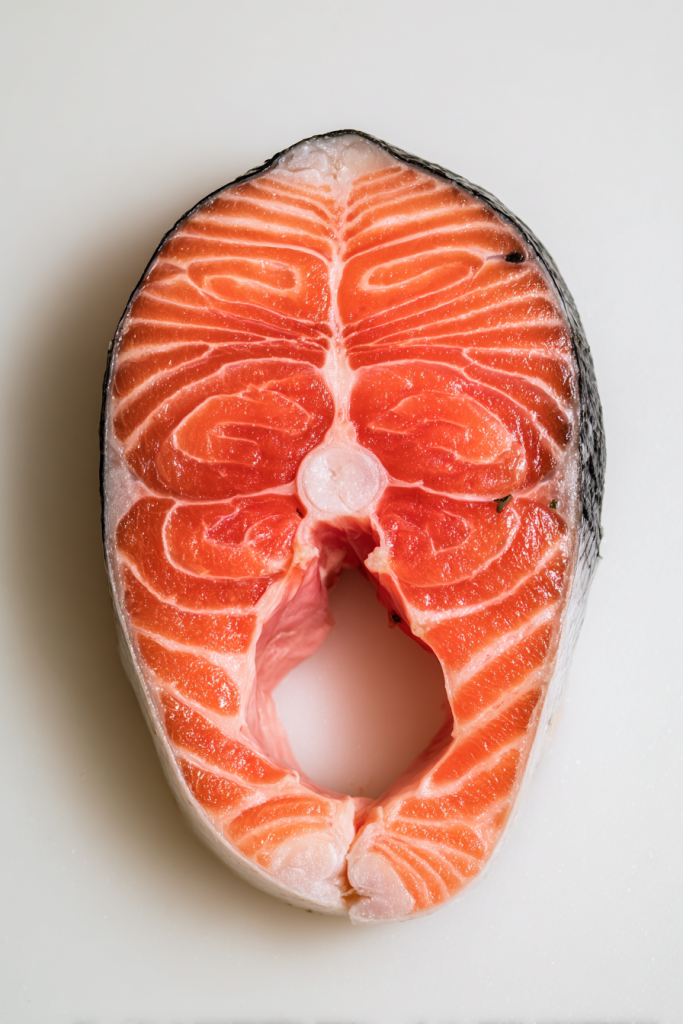
The good news? Deboning salmon steaks is actually straightforward once you know the technique. The bones in a salmon steak sit in a predictable pattern, with the spine running down the center and the pin bones fanning out from it in two curved rows. Once you can picture where they run, the job comes down to the same few cuts every time, which is why it takes less than five minutes per steak.
In this guide, I’ll walk you through the entire process. You’ll learn how to remove bones cleanly and efficiently. I’ll also show you an optional technique for rolling the steaks into elegant medallions.
What Makes Salmon Steaks Different?
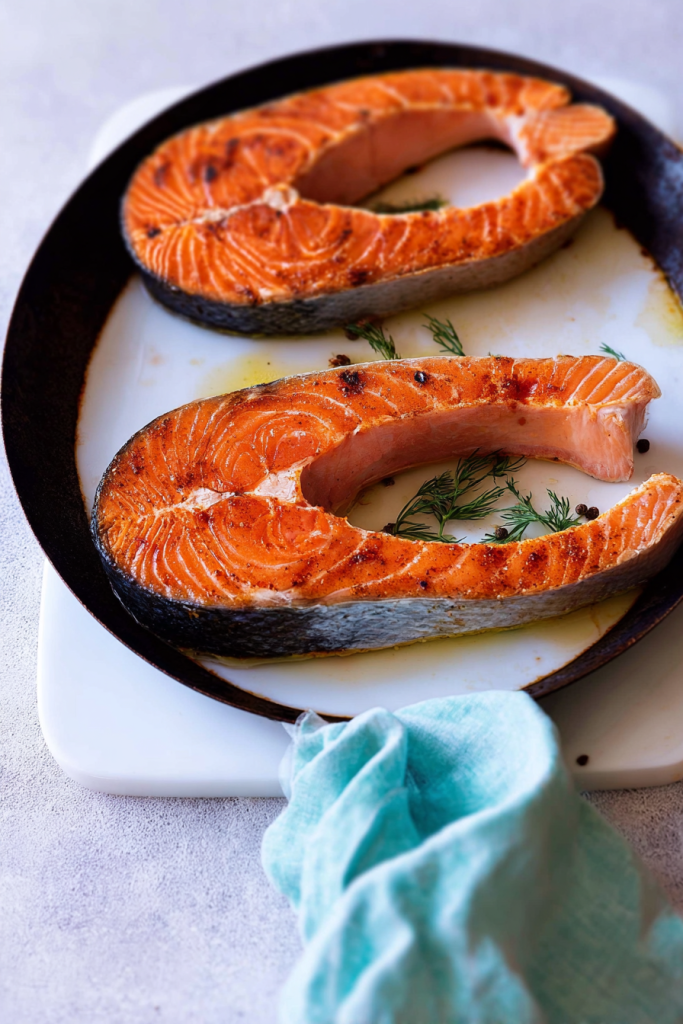
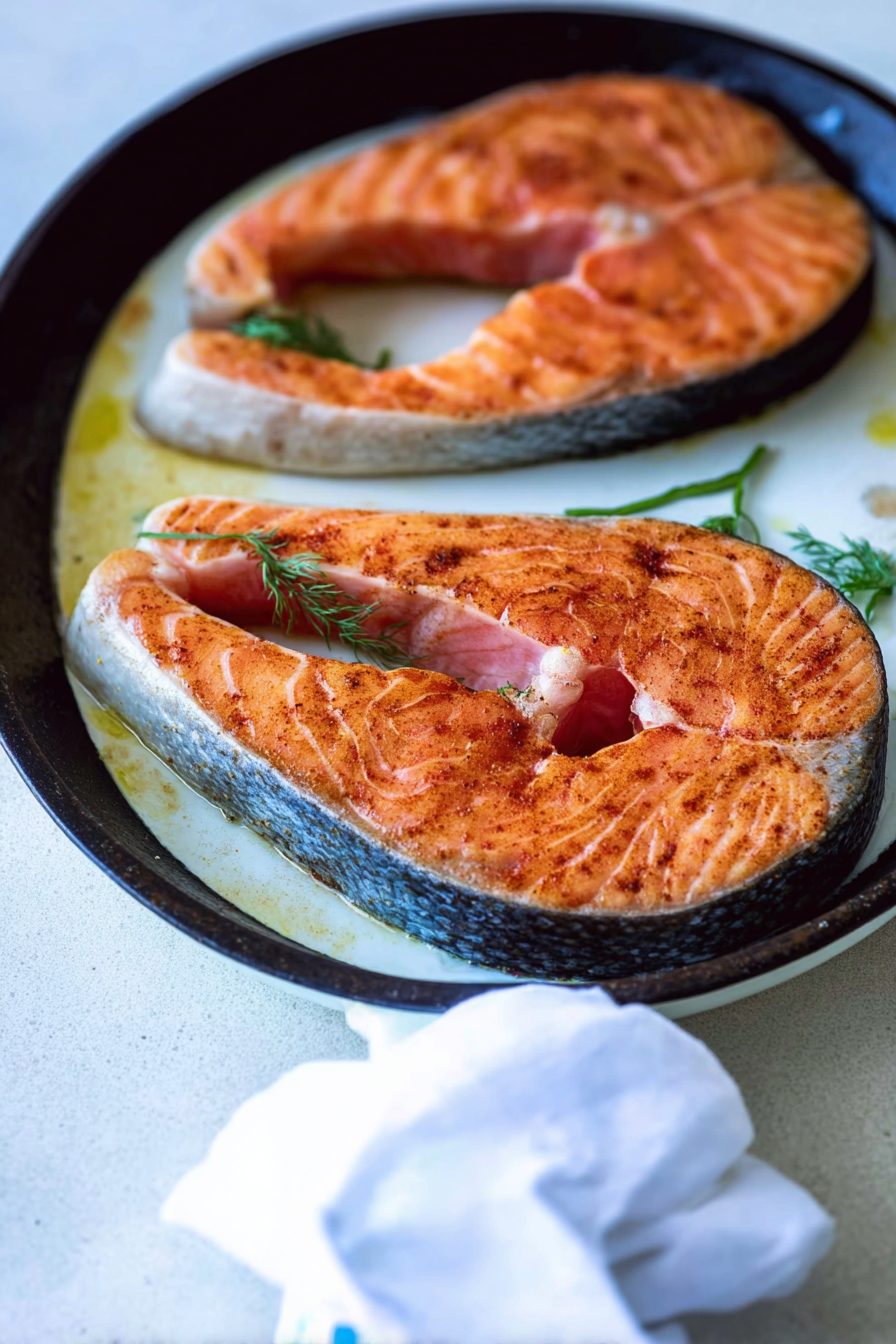
A salmon steak is cut perpendicular to the fish’s spine. This cross-sectional cut includes the center bone and usually the skin around the entire perimeter.
Salmon fillets, by contrast, are cut parallel to the spine. The butcher removes the meat from the bones before you purchase them. This is why fillets are so much more common in grocery stores.
Steaks offer some advantages despite requiring extra preparation. They tend to be more affordable per pound. The center bone also helps the fish stay moist during cooking.
The circular shape of a steak creates a beautiful presentation on the plate. When rolled into medallions, they look especially elegant for dinner parties.
Essential Tools for Deboning
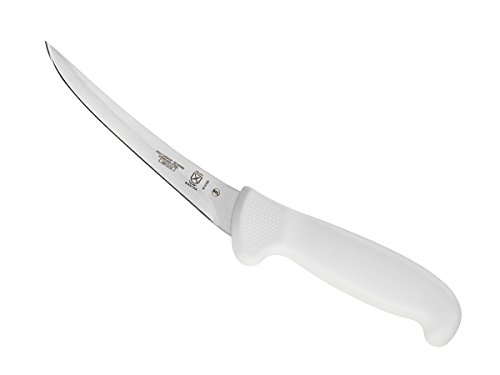
The right knife makes this task significantly easier. I use a boning knife for this job. Its thin, flexible blade allows you to work around bones precisely.
A fillet knife works well as a substitute. It has similar flexibility and a sharp point. Either knife will give you much better results than a chef’s knife.
Don’t own either specialized knife? Use the sharpest knife in your kitchen. A sharp blade is more important than the specific knife type.
You’ll also need fish tweezers or needle-nose pliers. These tools help remove pin bones. Pin bones are small, flexible bones embedded in the flesh.
If you plan to roll the steaks into medallions, grab some kitchen twine. Natural cotton twine works best. It holds the shape during cooking and removes easily afterward.
Pro tip: Keep your cutting board stable by placing a damp towel underneath it. This prevents sliding while you work with the knife.
Ingredient List
| Ingredient | Quantity | Notes |
| Salmon steak | 1 | If frozen, thaw before using |
When selecting salmon steaks, look for bright, firm flesh. The surface should appear moist but not slimy. Fresh salmon has a mild, ocean-like scent.
Frozen salmon steaks work perfectly well for this technique. Just ensure they’re completely thawed before you begin. Thaw them overnight in the refrigerator for best results.
Prep Time: 10 minutes | Cook Time: 15 minutes | Total Time: 25 minutes
Servings: 4 | Difficulty: Easy
STEP-BY-STEP DEBONING PROCESS
Preparing Your Work Area
Start by setting up your workspace properly. Place your cutting board on a stable surface. Put that damp towel underneath if your board tends to slide.
Have your knife, tweezers, and a small bowl ready. The bowl will hold the bones and scraps. This keeps your work area organized throughout the process.
Pat the salmon steak dry with paper towels. Excess moisture makes the fish slippery. A dry surface gives you better control while cutting.
Removing the Center Bone
Place the salmon steak flat on your cutting board. You’ll notice a thin membrane running along the inside edge. This membrane connects the two sides of the steak.
Insert your knife at one end of this inner belly flap. Cut along the membrane toward the center bone. Keep your blade close to the bone as you cut.
Continue cutting along the bone until you reach the skin on the bottom. Don’t cut through the skin yet. We want to keep the steak in one piece for now.
Make a small cut alongside the skin where the bone meets it. Then cut up the other side of the center bone. This releases the bone completely from the flesh.
Gently pull the center bone away from the steak. It should come out cleanly with the membrane attached. Discard this in your scrap bowl.
Pro tip: If you prefer two separate fillets, cut through the skin at the center. This gives you two boneless pieces instead of one U-shaped steak.
Extracting Pin Bones
Pin bones run through the thickest part of the salmon flesh. They’re small and flexible. Many people don’t notice them until they’re eating.
Run your fingertips along the flesh gently. You’ll feel the tips of pin bones poking up slightly. They typically run in a line down the center of each side.
Grab each pin bone with your fish tweezers or pliers. Pull firmly but gently at a slight angle. The bones should slide out without tearing the flesh.
Check both sides of the steak carefully. Some steaks have more pin bones than others. Take your time to find them all.
Once you’ve removed all the pin bones, your salmon steak is fully deboned. At this point, you can cook it as is or proceed to roll it into a medallion.
Rolling Salmon Steaks into Medallions
Rolling the steak creates a compact, round shape. This technique helps the salmon cook more evenly. It’s especially useful for grilling or broiling.
Start by making cuts in the skin on each side. Cut about halfway up the side of the steak. These cuts allow the skin to wrap around without bunching.
Fold the two belly flaps inward toward the center. They should overlap slightly. This forms the core of your medallion.
Take the loose skin portions and wrap them around the folded belly flaps. The skin should encircle the entire medallion. This holds everything together during cooking.
Cut a length of kitchen twine, about 12 inches long. Wrap it around the medallion horizontally. Tie it securely with a bow or double knot.
The twine should be snug but not too tight. You want it to hold the shape without squeezing the fish. Too much pressure can cause the flesh to bulge out.
Pro tip: Use a bow knot instead of a regular knot. Bows are much easier to untie after cooking when you want to remove the twine.
When to Roll vs. Leave Flat
I prefer leaving steaks flat when pan-searing them. The flat shape makes it easier to see when they’re done. You can check the sides without having to move the medallion.
Rolled medallions work beautifully on the grill. They’re sturdier and less likely to fall apart. The compact shape also ensures even cooking on all sides.
For oven roasting, either method works well. Choose based on presentation preferences. Medallions look more refined and restaurant-style. Flat steaks have a more rustic appearance.
Consider your cooking method and desired presentation. Both approaches result in delicious salmon. The deboning process remains the same regardless of which option you choose.
COOKING TIPS & FAQ
Best Cooking Methods for Deboned Salmon Steaks
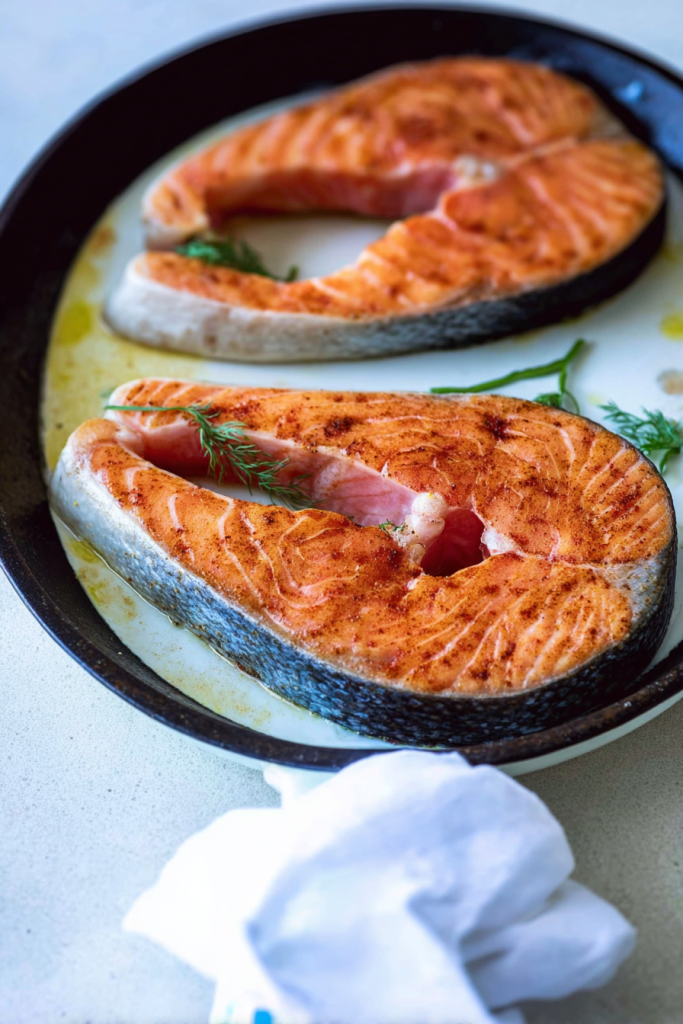
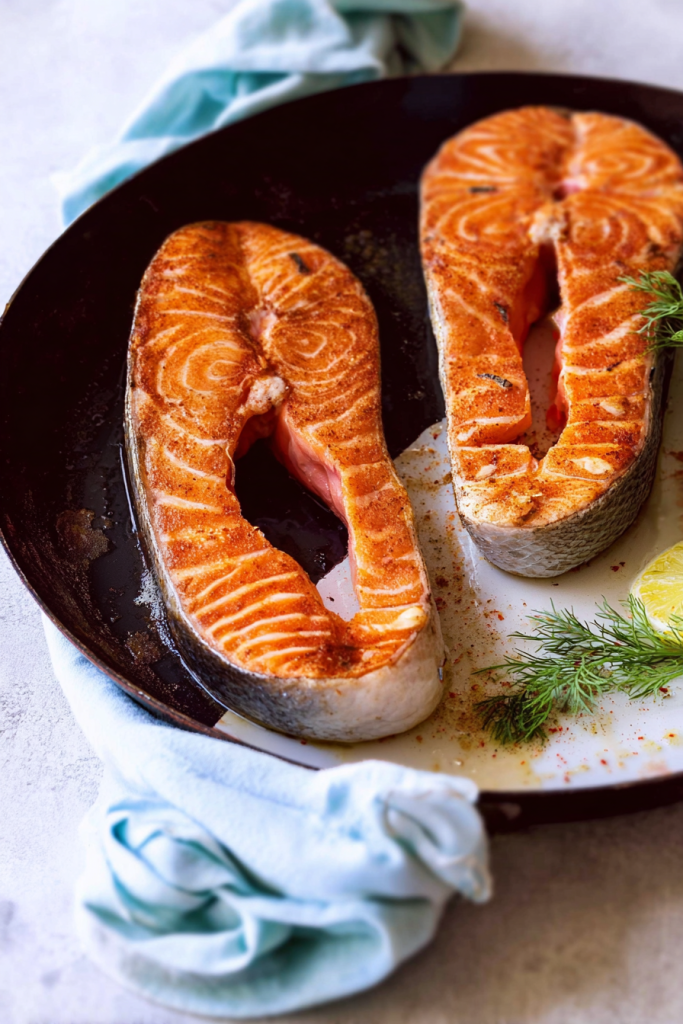
Once your salmon steaks are deboned, several cooking methods work wonderfully. Pan-searing creates a crispy exterior while keeping the inside moist and tender.
Heat a tablespoon of oil in a heavy skillet over medium-high heat. Cook the salmon for 4-5 minutes per side. The fish should reach an internal temperature of 145°F.
Broiling works exceptionally well with salmon medallions. Place them on a foil-lined baking sheet about 4 inches from the heat source. Broil for 8-10 minutes total.
Grilling gives salmon a wonderful smoky flavor. Oil the grill grates well to prevent sticking. Cook medallions for 4-5 minutes per side over medium-high heat.
Baking at 400°F for 12-15 minutes produces consistently good results. This method requires minimal attention. Just pop the salmon in the oven and set a timer.
Pro tip: Let salmon rest for 3-4 minutes after cooking. This allows the juices to redistribute throughout the flesh. You’ll end up with moister, more flavorful fish.
Storage and Make-Ahead Tips
You can debone salmon steaks up to 24 hours before cooking them. Store the deboned steaks in an airtight container in the refrigerator. Place parchment paper between steaks if stacking them.
If you’ve rolled medallions with twine, they’ll hold their shape well in the fridge. This makes them perfect for meal prep or party preparation.
Fresh salmon steaks should be used within 1-2 days of purchase. Check for any off odors before cooking. Fresh fish should smell clean and mild.
Cooked salmon stores well for 3-4 days in the refrigerator. I like to flake leftover salmon into salads. It also makes excellent salmon cakes or pasta additions.
Common Mistakes to Avoid
Using a dull knife is the most common problem I see. A dull blade tears the flesh instead of cutting cleanly. This makes the job harder and messier.
Some people try to rush through the pin bone removal. Taking your time here is crucial. One missed pin bone can ruin someone’s dining experience.
Tying the twine too tightly squeezes the fish out of shape. The medallion should maintain a round form naturally. The twine just holds it in place.
Don’t skip patting the salmon dry before deboning. Wet fish slips around on your cutting board. This makes accurate cuts much more difficult.
Overcooking is another frequent mistake. Salmon continues cooking after you remove it from heat. Pull it off when it’s slightly underdone in the very center.
Frequently Asked Questions
Can I debone salmon steaks without special tools?
Yes, you can use a sharp chef’s knife instead of a boning knife. While a boning knife’s flexibility helps, any sharp knife will work. For pin bones, regular tweezers or small pliers work just as well as fish tweezers. The key is having a sharp cutting edge.
Should I remove the skin from salmon steaks?
Keep the skin on for most cooking methods. The skin protects the delicate flesh during cooking and adds flavor. It also makes the steak easier to flip in a pan. If you prefer skinless salmon, remove it after cooking when it peels off easily.
How do I know if my salmon steak is fresh?
Fresh salmon has bright, translucent flesh with no brown spots. The surface should look moist but not slimy or sticky. It should smell clean and oceanic, never fishy or ammonia-like. Press the flesh gently; it should spring back rather than leaving an indentation.
What’s the difference between wild and farmed salmon steaks?
Wild salmon typically has deeper color and firmer texture. It also tends to be leaner with a more pronounced flavor. Farmed salmon is milder, fattier, and more affordable. Both types work equally well for deboning. Choose based on your budget and taste preferences.
Can I freeze deboned salmon steaks?
Yes, deboned salmon steaks freeze well for up to 3 months. Wrap each steak tightly in plastic wrap, then place in a freezer bag. Remove as much air as possible to prevent freezer burn. Thaw overnight in the refrigerator before cooking. Never refreeze previously frozen salmon.
Final Thoughts
Deboning salmon steaks might seem intimidating at first. With practice, it becomes a quick and simple task. The technique takes just a few minutes once you’ve done it a couple of times.
The effort is worthwhile. Deboned steaks are more enjoyable to eat. Your family won’t have to worry about encountering bones during dinner.
Whether you leave them flat or roll them into medallions, properly prepared salmon steaks are delicious. They’re versatile enough for weeknight dinners or special occasions.
Remember to use a sharp knife and take your time removing pin bones. These two steps make the biggest difference in your results.
Now you have all the knowledge you need to confidently prepare salmon steaks. Next time you see them at the market, grab a few. You’ll impress yourself with how professional your technique becomes.
How to Debone Salmon Steaks
Ingredients
- 1 Salmon steak if frozen, thaw before using
- Kitchen twine optional, for rolling medallions
- Tools Needed:
- Boning knife or fillet knife
- Fish tweezers or needle-nose pliers
- Cutting board
- Paper towels
- Small bowl for scraps
Instructions
- Preparing Your Work Area
- Place cutting board on a stable surface with a damp towel underneath to prevent sliding.
- Have knife, tweezers, and a small bowl ready for bones and scraps.
- Pat the salmon steak dry with paper towels to remove excess moisture.
- Removing the Center Bone
- Place salmon steak flat on cutting board and locate the thin membrane along the inside edge.
- Insert knife at one end of the inner belly flap and cut along the membrane toward the center bone, keeping blade close to the bone.
- Continue cutting along the bone until you reach the skin on the bottom without cutting through it.
- Make a small cut alongside the skin where the bone meets it, then cut up the other side of the center bone.
- Gently pull the center bone away from the steak and discard.
- Extracting Pin Bones
- Run fingertips gently along the flesh to feel pin bones poking up in the thickest part.
- Grab each pin bone with fish tweezers or pliers and pull firmly at a slight angle.
- Check both sides of the steak carefully to ensure all pin bones are removed.
- Rolling into Medallions (Optional)
- Make cuts in the skin on each side about halfway up the steak to allow wrapping.
- Fold the two belly flaps inward toward the center so they overlap slightly.
- Wrap the loose skin portions around the folded belly flaps to encircle the medallion.
- Cut 12 inches of kitchen twine, wrap around the medallion horizontally, and tie securely with a bow knot.
- Cooking
- Cook using your preferred method: pan-sear for 4-5 minutes per side, broil for 8-10 minutes total, grill for 4-5 minutes per side, or bake at 400°F for 12-15 minutes until internal temperature reaches 145°F.
- Let salmon rest for 3-4 minutes after cooking before serving.
Notes
Freezing: Deboned salmon steaks freeze well for up to 3 months when wrapped tightly in plastic wrap and stored in freezer bags.
Knife Tips: Use a sharp boning or fillet knife for best results. A dull knife tears the flesh instead of cutting cleanly.
Cooking Tip: Pull salmon off heat when slightly underdone in the center as it continues cooking after removal from heat source.
Presentation: Leave steaks flat for pan-searing or roll into medallions for grilling and elegant presentation at dinner parties.